What Makes James Hardie Siding a Durable Choice for Homeowners?
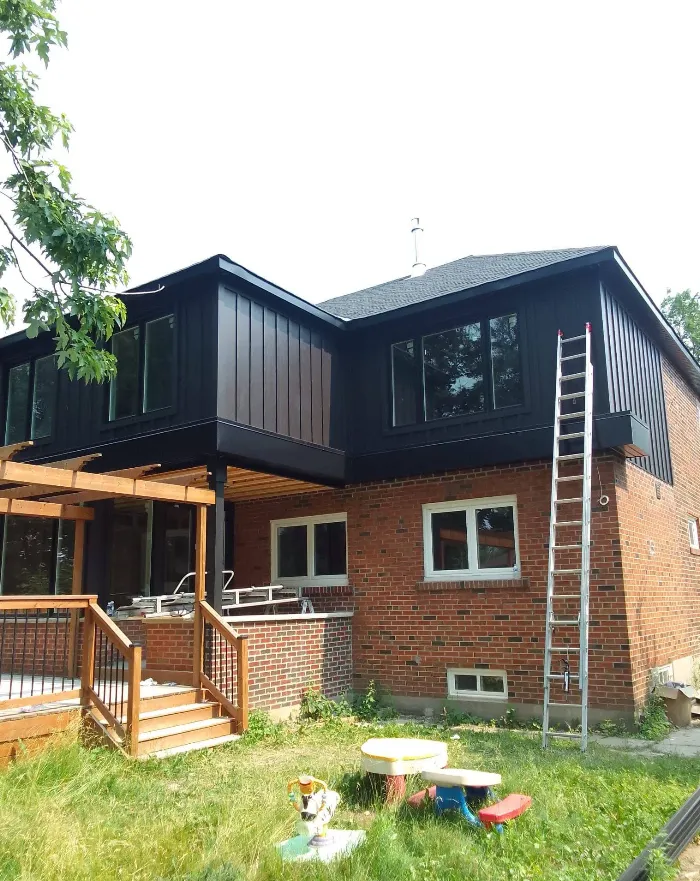
James Hardie fiber cement siding delivers superior durability over alternatives like LP SmartSide. The material resists fire, moisture, pests, and weather damage without burning or rotting. Alliance Exteriors Inc., a James Hardie Certified Installer, ensures professional installation engineered for Canada’s climate, providing long-term protection for GTA homes.
What Makes Siding Durable in the GTA?
Siding durability in the Greater Toronto Area means resisting a punishing cycle of freeze-thaw winters, humid summers, wind-driven rain, and pests. A material that fails any one of these tests shortens a home’s protective lifespan and drives up maintenance costs. According to Arocon LLC, durable siding resists harsh weather, pests, and time, ensuring minimal maintenance and longevity. James Hardie fiber cement products meet that standard by design. The material resists damage from external fire, water, weather, pests, and time, as documented by James Hardie’s performance specifications.
How does climate stress test siding materials?
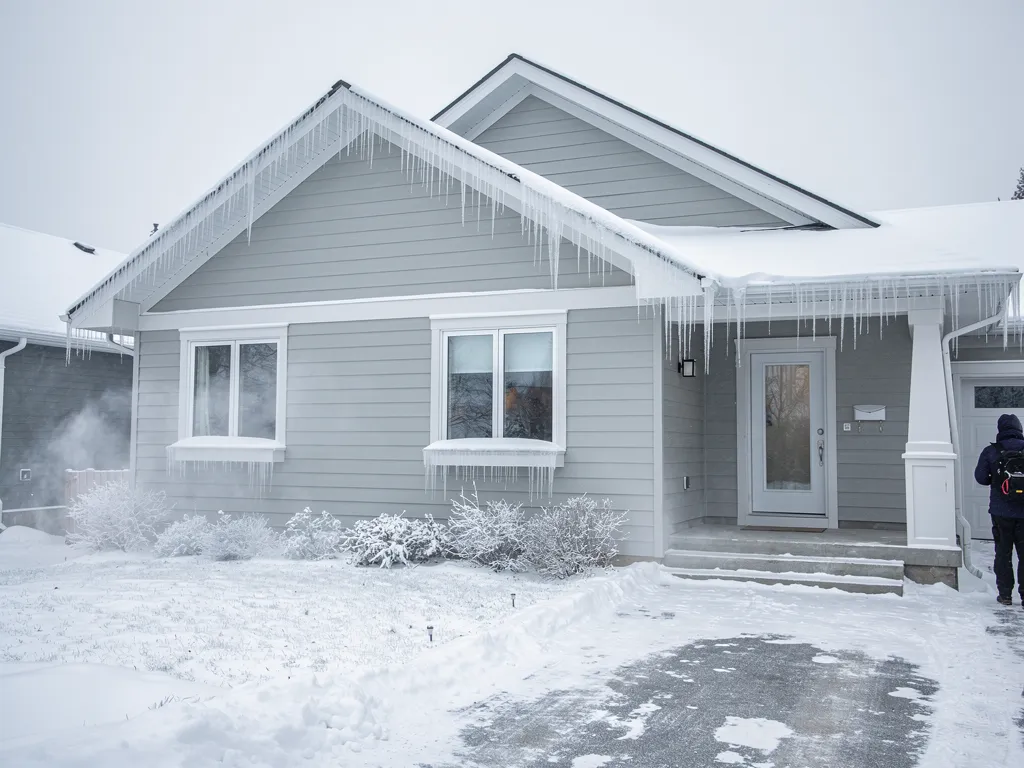
Toronto’s climate attacks siding from multiple angles. Winter ice expands inside cracks. Summer UV radiation bakes surfaces. Spring thaw cycles introduce moisture behind loose panels. A siding system that absorbs water or warps under temperature swings loses its weather barrier integrity within a few seasons. Fiber cement sidesteps these failures because it does not swell, rot, or soften when wet.
Why does installation quality matter as much as the material?
Even the most durable siding underperforms when installed incorrectly. Alliance Exteriors specializes solely in siding and cladding rather than general contracting, bringing deep material knowledge and precise execution to every project. The company holds James Hardie Certified Installer status, which confirms installations follow manufacturer specifications and local building code. That certification matters. Improper fastening, missing flashing, or incorrect gap spacing invites moisture intrusion that no material can outlast.
Homeowners and builders across North York and the GTA benefit from the benefits of James Hardie fiber cement siding in Toronto, where climate-specific engineering meets certified installation. The combination of non-combustible material properties and precise workmanship delivers an exterior that holds its performance through decades of Ontario weather extremes.
How Does James Hardie Compare to Vinyl?
James Hardie fiber cement siding delivers a 30- to 50-plus-year service life and Class A fire-resistant classification. Vinyl siding typically lasts 20 to 40 years and remains combustible, creating a clear durability gap that affects long-term home protection.
Which siding material handles fire exposure better?
James Hardie fiber cement will not ignite when exposed to a direct flame, nor does it contribute fuel to a fire. Vinyl melts almost instantly under the same conditions. For homeowners in the GTA concerned about fire safety, this difference is decisive.
How does each material perform against moisture and weather?
Hardie products are engineered to resist water and humidity, standing up to rain, sleet, and snow without warping or swelling. Vinyl can allow moisture intrusion if seams loosen over time. Alliance Exteriors Inc. installs James Hardie systems with integrated weather barriers that reinforce this moisture resistance, a detail explored further in a James Hardie Siding vs. Vinyl: A Durability Comparison.
What are the maintenance and cost tradeoffs?
Vinyl siding offers a lower upfront cost, ranging from $2 to $5 per square foot installed, and requires only simple cleaning. James Hardie fiber cement ranges from $4.70 to $8.50 per square foot, with a national average project cost around $19,350, according to Clifton Exteriors. Primed Hardie board needs repainting every 10 to 15 years. The higher initial investment buys decades of additional service life and superior fire and moisture performance.
How Does James Hardie Compare to Natural Wood?
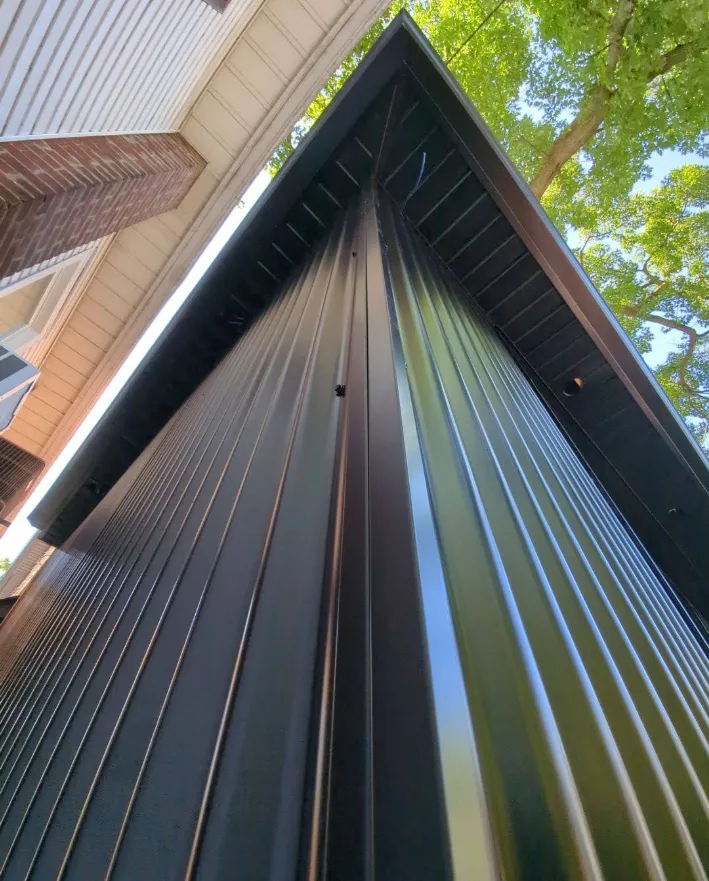
James Hardie fiber cement siding outperforms natural wood in fire resistance, moisture protection, and pest defense. Natural wood offers unmatched aesthetic warmth but demands constant vigilance against the elements that slowly destroy it. Without that vigilance, homeowners face rot, insect damage, and fire vulnerability that compromise both structure and appearance.
How Does James Hardie Siding Compare to Other Siding Materials in Durability? The answer becomes clearest when examining wood. Fiber cement is a powerhouse at resisting moisture, fire, and insects. Natural wood, by contrast, is vulnerable to all three. Fire feasts on wood. Hardie fiber cement will not ignite when exposed to direct flame, nor does it contribute fuel to a fire. That distinction matters for any property in the Greater Toronto Area where ember exposure or adjacent structure fires pose real risk.
What makes wood siding vulnerable to pests and moisture?
Wood attracts insects and absorbs moisture. Hardie fiber cement holds little appeal for pests. Termites and carpenter ants bypass it entirely, while wood siding provides both food and shelter. Moisture penetration causes wood to swell, warp, and eventually rot. Fiber cement withstands moisture without degrading, maintaining dimensional stability through freeze-thaw cycles common in Ontario winters.
Can wood siding still be a viable choice?
Natural wood delivers a timeless, authentic character that manufactured materials cannot fully replicate. Alliance Exteriors installs Maibec wood siding systems, offering natural beauty and sustainability for clients who prioritize architectural authenticity. Professional installation is essential for longevity. Even with expert workmanship, wood requires ongoing maintenance that fiber cement simply does not. The company's James Hardie vs. wood siding comparison details how these materials perform through Toronto's demanding weather cycles.
Which siding material lasts longer with less upkeep?
James Hardie siding lasts 30 to 50-plus years with repainting needed only every 10 to 15 years. Natural wood demands more frequent sealing, painting, and inspection. The labor and material costs of that maintenance accumulate significantly over two decades. For homeowners and builders prioritizing long-term performance with minimal intervention, fiber cement delivers measurable advantages over wood in every durability category.
How Does James Hardie Compare to Engineered Wood?
Fiber cement and engineered wood siding take fundamentally different approaches to durability. James Hardie siding resists moisture through its material composition, while engineered wood products depend on chemical treatments for protection. Homeowners who choose the wrong material for their climate face premature rot, swelling, and costly replacement cycles.
The core distinction lies in how each product handles water. Hardie fiber cement manages moisture by its very nature. Engineered wood relies on a resin coating and zinc borate treatment to do the job that cement handles inherently, according to a comparison published by homegeniusexteriors.com. When that coating fails, the wood substrate absorbs water and begins to deteriorate.
Installation quality also separates these two options. Engineered wood demands precise cutting, sealing, and fastening at every joint and penetration. A single improperly flashed window or unsealed cut edge creates an entry point for moisture. Hardie fiber cement tolerates minor installation variances far better. The material itself provides the primary defense, not the installer's caulking technique.
Which siding material handles moisture more reliably?
Hardie fiber cement handles moisture through its composition. Engineered wood requires intact chemical barriers to resist water damage. Once a resin coating cracks or a zinc borate treatment leaches out, the wood substrate becomes vulnerable to rot and fungal growth.
Why does installation quality matter more for engineered wood?
Installation quality affects engineered wood siding far more than it affects Hardie. Gaps in flashing, unsealed cuts, and improper fastening create direct pathways for moisture to reach the wood core. Alliance Exteriors Inc. addresses this risk through certified installation practices that follow manufacturer specifications to the letter.
For clients who want the look of wood without the moisture vulnerability, Alliance Exteriors installs PVC, WPC, and composite siding systems. These engineered products capture wood's warm aesthetic while delivering all-weather durability and low-maintenance performance. The material resists rot, insects, and warping without depending on surface treatments that degrade over time.
Which Siding Offers the Best Long-Term Value?
Long-term siding value balances upfront cost against decades of performance. James Hardie fiber cement siding delivers a 30- to 50-year service life, far outpacing vinyl’s typical 20- to 40-year window. That extra decade or more eliminates a full replacement cycle that vinyl homeowners absorb. Alliance Exteriors Inc. strengthens this equation with transparent, itemized quotes and consistent communication throughout the project. Homeowners and builders in the Greater Toronto Area see exactly where every dollar goes before work begins.
How do material lifespan and warranty protection affect total cost?
A siding product’s longevity matters only when the installation supports it. Alliance Exteriors backs completed work with 5- and 10-year workmanship warranties, reinforcing long-term performance and peace of mind. These warranties protect against installation defects that shorten a siding system’s effective life. James Hardie products are Engineered for Climate, designed to withstand specific regional weather conditions like freeze-thaw cycles common in North York and across the GTA. A material built for local conditions paired with a warrantied installation reduces the risk of premature failure and unplanned replacement expense.
What role does design planning play in long-term satisfaction?
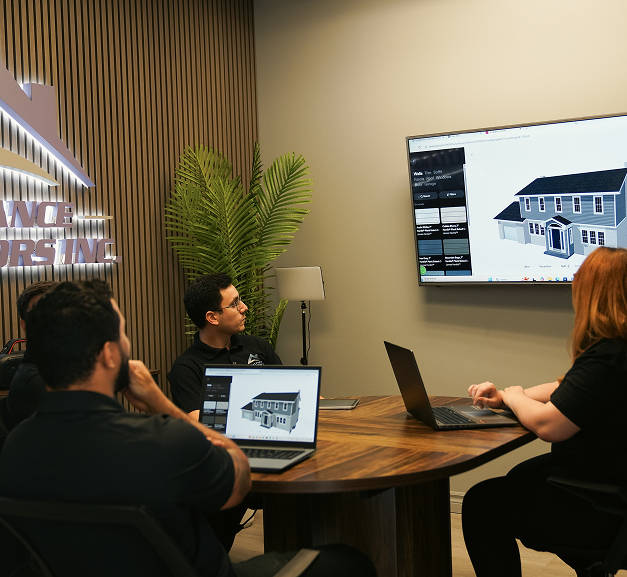
Value extends beyond durability into how the finished exterior looks and functions. Alliance Exteriors provides exterior design consultations with material selection guidance and 3D mockups to help clients visualize outcomes. This step prevents costly mid-project changes and ensures the chosen siding profile, color, and texture align with the home’s architecture. A well-planned exterior ages gracefully and maintains curb appeal for decades. For a deeper look at how fiber cement stacks up against another popular option, the comparison of James Hardie vs. metal siding examines durability and maintenance demands in the same climate conditions.
FAQ
How does James Hardie siding compare to vinyl siding?
James Hardie fiber cement delivers a 30- to 50-plus-year service life and Class A fire-resistant classification, while vinyl lasts 20 to 40 years and remains combustible.
Why does installation quality matter for siding durability?
Alliance Exteriors Inc. holds James Hardie Certified Installer status, ensuring precise execution.
How does James Hardie siding resist Toronto’s climate?
The material does not swell, rot, or soften when wet, resisting freeze-thaw cycles, UV radiation, and moisture without losing weather barrier integrity.
Conclusion
For homeowners and builders weighing durability against upkeep, the choice comes down to material composition versus chemical dependency. James Hardie fiber cement delivers inherent moisture resistance and a service life that outpaces alternatives, while engineered wood and vinyl demand careful maintenance and replacement cycles. Selecting a siding system built for local climate conditions and installed to manufacturer specifications eliminates the risk of premature failure, giving you confidence that your investment performs through every season.