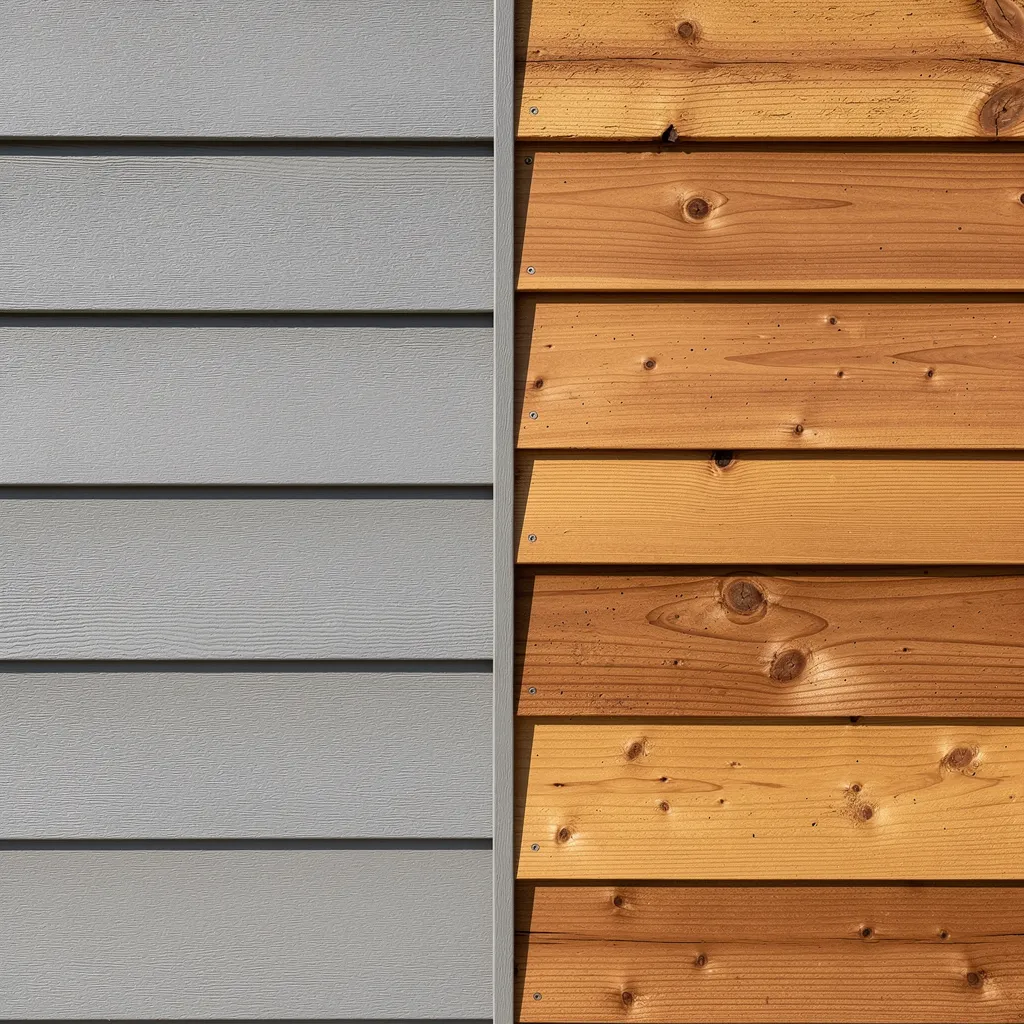
James Hardie Siding vs. Vinyl: A Durability Comparison
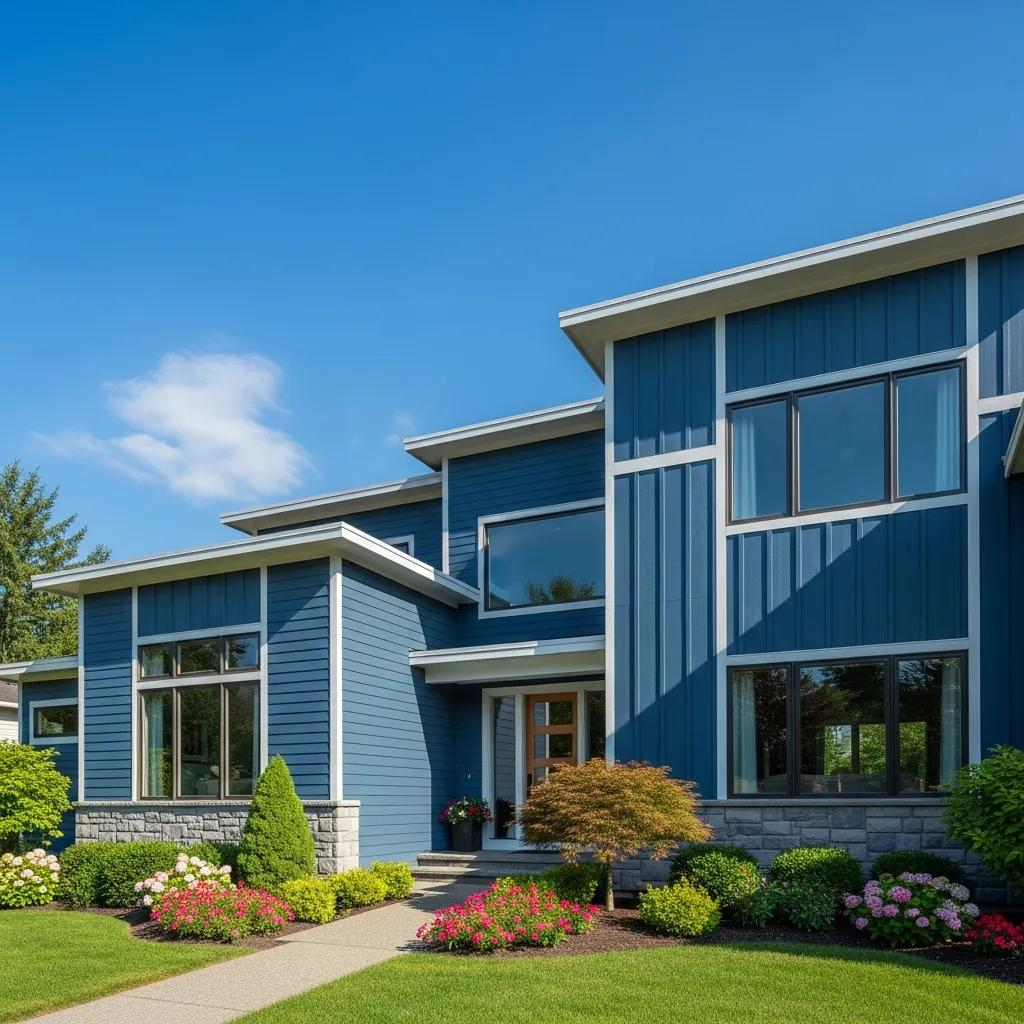
Comparing Durability of James Hardie Siding vs. Traditional Vinyl Siding: Expert Insights for Homeowners

Durability is a primary consideration when choosing siding. James Hardie fiber cement is often compared with traditional vinyl, which is prized for affordability and ease of installation. This article examines longevity, maintenance, and weather performance for both materials. Understanding these differences helps you select siding that aligns with your priorities. We review key durability factors, material composition, weather resistance, and expected service life.
What Are the Key Durability Factors of Fiber Cement and Vinyl Siding?

Key durability factors include weather resistance, impact resistance, and fire resistance. Evaluating these characteristics clarifies how each material performs over time.
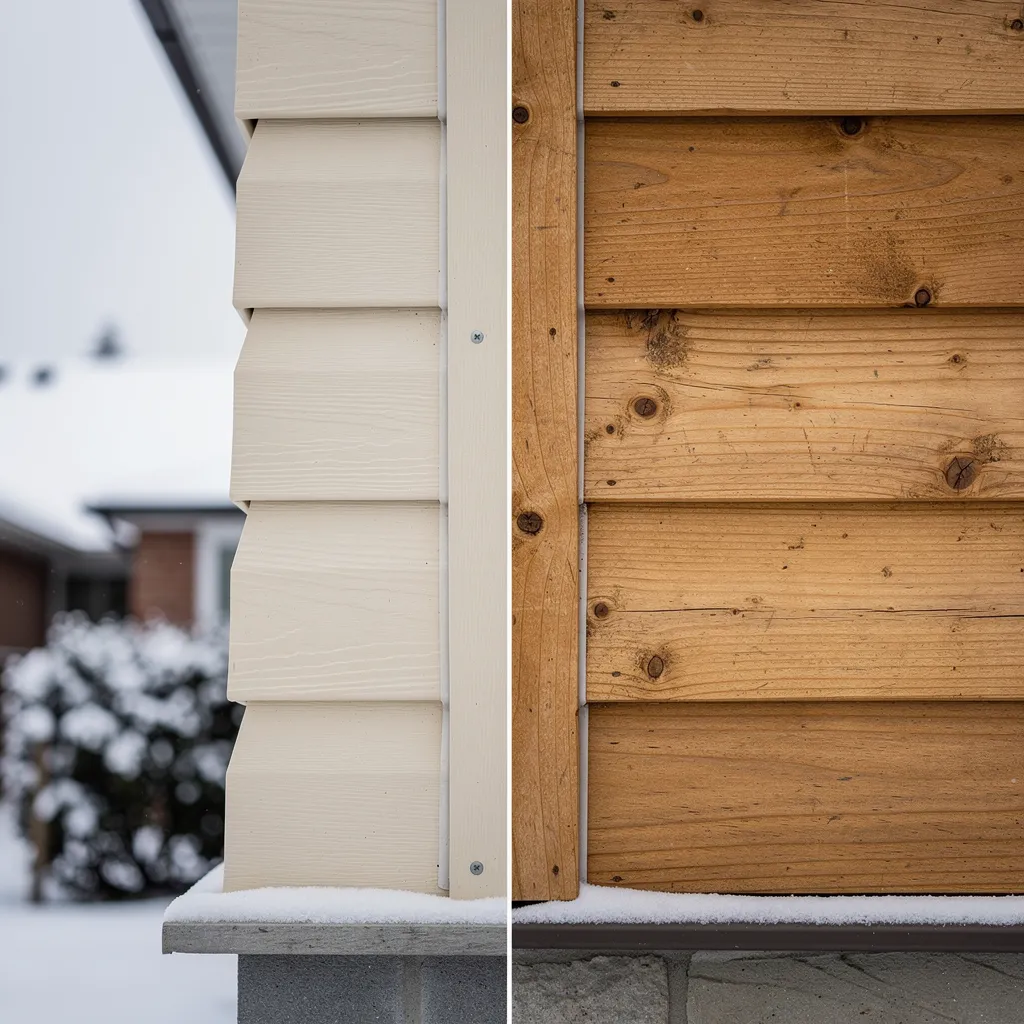
- Weather Resistance : Fiber cement siding, like James Hardie, is designed to withstand extreme weather conditions, including heavy rain, snow, and high winds. In contrast, vinyl siding can become brittle in cold temperatures and may warp or fade under intense sunlight.
- Impact Resistance : James Hardie siding is more resistant to impacts from hail and debris, making it a safer option in storm-prone areas. Vinyl siding, while somewhat resilient, can crack or dent upon impact.
- Fire Resistance : Fiber cement siding is non-combustible, providing an added layer of safety against fire hazards. Vinyl siding, being made from PVC, is more susceptible to melting or burning when exposed to high temperatures.
These factors show where James Hardie delivers measurable advantages, particularly in challenging climates.
How Does Material Composition Affect Siding Longevity?
Material composition directly influences longevity. James Hardie combines cement, sand, and cellulose fibers to create a robust, moisture‑resistant product that resists pests and rot.
Traditional vinyl siding is made from polyvinyl chloride (PVC). It is lightweight and easier to install but can degrade over time—fading, cracking, or warping under prolonged exposure.
Recognizing these compositional differences helps explain why James Hardie is often viewed as the superior long‑term option.
What Weather Resistance Properties Differentiate James Hardie from Vinyl?
Weather resistance is a key selection criterion. James Hardie offers specific benefits over vinyl siding:
- Moisture Resistance : James Hardie siding is engineered to resist moisture absorption, preventing issues like mold and mildew growth. Vinyl siding, while water-resistant, can trap moisture behind the panels, leading to potential damage.
- Temperature Resilience : Fiber cement siding can withstand extreme temperature fluctuations without warping or cracking. Vinyl siding, on the other hand, may become brittle in cold weather and can warp in high heat.
- UV Stability : James Hardie siding is designed to resist fading from UV exposure, maintaining its color and appearance over time. Vinyl siding can fade significantly, requiring repainting or replacement sooner than fiber cement options.
These weather‑resistant properties make James Hardie a more reliable choice for homeowners concerned about climate impacts on siding.
How Do James Hardie and Vinyl Siding Compare in Lifespan and Maintenance?
James Hardie typically offers a lifespan exceeding 30 years when properly installed. Maintenance is limited to occasional cleaning and periodic inspections.
Traditional vinyl may last 20–40 years but requires more frequent attention. Inspect for cracks, warping, and damage, and perform routine cleaning to prevent mold and staining.
This comparison highlights the long‑term value of investing in James Hardie, which typically reduces maintenance demands over time.
What Is the Expected Lifespan of James Hardie Fiber Cement Siding?
Properly installed and maintained James Hardie fiber cement siding is expected to last more than 30 years. Installation quality, local climate, and maintenance schedule influence actual longevity.
Homeowners can maximize service life by hiring professional installers and conducting routine inspections and cleaning.
How Does Vinyl Siding Maintenance Impact Its Durability?
Maintenance directly affects vinyl durability. Regular cleaning prevents dirt, mold, and mildew that cause staining and deterioration. Visual inspections catch cracks and warping before they worsen.
Neglect can lead to costly repairs or earlier replacement of vinyl. James Hardie requires less frequent upkeep, allowing homeowners to rely on its durability with lower ongoing effort.
What Are the Cost Implications of Choosing James Hardie vs. Vinyl Siding?

Compare initial installation costs against long‑term value when assessing siding options. James Hardie has a higher upfront cost than vinyl, but its durability and lower maintenance often produce savings over time.
- Initial Costs : James Hardie siding may cost more to install, but its durability can offset these costs through fewer repairs and replacements.
- Long-Term Value : Homeowners investing in James Hardie siding can expect a higher return on investment due to its extended lifespan and minimal maintenance needs.
- Maintenance Expenses : Vinyl siding may appear more affordable initially, but ongoing maintenance and potential repairs can add up, making it a less cost-effective choice in the long run.
Careful consideration of upfront expense versus lifecycle value helps homeowners choose a siding solution that aligns with budget and long‑term goals.
Further research into lifecycle costs and environmental impacts provides useful context for these financial considerations.
Fiber Cement vs. Vinyl Siding: Environmental & Economic Costs
ABSTRACT: Using lifecycle assessment tools—environmental product declarations (EPD) and life cycle cost assessments (LCCA)—this study compares the environmental and economic impacts of historic, traditional, and simulated siding materials. The analysis finds that retaining in‑situ siding has the lowest environmental impact and is the second most economic option. Installing new, traditional wood siding shows a relatively low environmental impact but is the most expensive method over time. While simulated materials are often promoted as the most sustainable, retaining in‑situ siding and … Another Name: A Comparative Analysis of the Environmental and Economic Costs of Traditional Wood Clapboards, Composite Fiber-Cement Siding, and Vinyl Siding, 2022
For a detailed review of the environmental and economic impacts, see the study below:
Comparative Analysis of Fiber-Cement vs. Vinyl Siding Costs & Sustainability
ABSTRACT: Using lifecycle assessment (LCA), environmental product declarations (EPD), and life cycle cost assessments (LCCA), this study compares the environmental and economic impacts of historic, traditional, and simulated siding materials. The research finds that retaining in‑situ siding incurs the lowest environmental impact and is the second most economic option. Installing new, traditional wood siding has a relatively low environmental impact but is the most expensive method over time. While simulated materials are often promoted as the most environmentally and economically sustainable, retaining in‑situ siding and
… Another Name: A Comparative Analysis of the Environmental and Economic Costs of Traditional Wood Clapboards, Composite Fiber-Cement Siding, and Vinyl Siding, 2022
Why Should Homeowners Choose James Hardie Siding for Superior Durability?
Homeowners should consider James Hardie for its proven durability and long‑term performance. The material resists moisture, pests, and severe weather, and its non‑combustible properties add a layer of fire safety.
James Hardie's aesthetic range and longevity enhance property value. With professional installation from experts like Alliance Exteriors Inc. , homeowners can ensure their investment delivers lasting benefits.
What Benefits Does James Hardie Offer Over Traditional Vinyl?
James Hardie provides distinct advantages over traditional vinyl, which explain its popularity among discerning homeowners:
- Enhanced Durability : With a lifespan of over 30 years, James Hardie siding outlasts vinyl options, providing better long-term value.
- Aesthetic Versatility : Available in a variety of styles and colors, James Hardie siding can mimic the appearance of wood without the associated maintenance issues.
- Fire Resistance : As a non-combustible material, James Hardie siding offers superior protection against fire hazards compared to vinyl siding.
These benefits explain why many homeowners choose James Hardie siding as a reliable and attractive option for their homes.
Frequently Asked Questions
What are the environmental impacts of James Hardie siding compared to vinyl siding?
James Hardie siding is often viewed as more environmentally favorable because it uses cement, sand, and cellulose fibers and typically requires replacement less often, reducing waste. Vinyl, made from PVC, raises environmental concerns during production and disposal. Homeowners should weigh these factors when assessing environmental impact.
How does the installation process differ between James Hardie and vinyl siding?
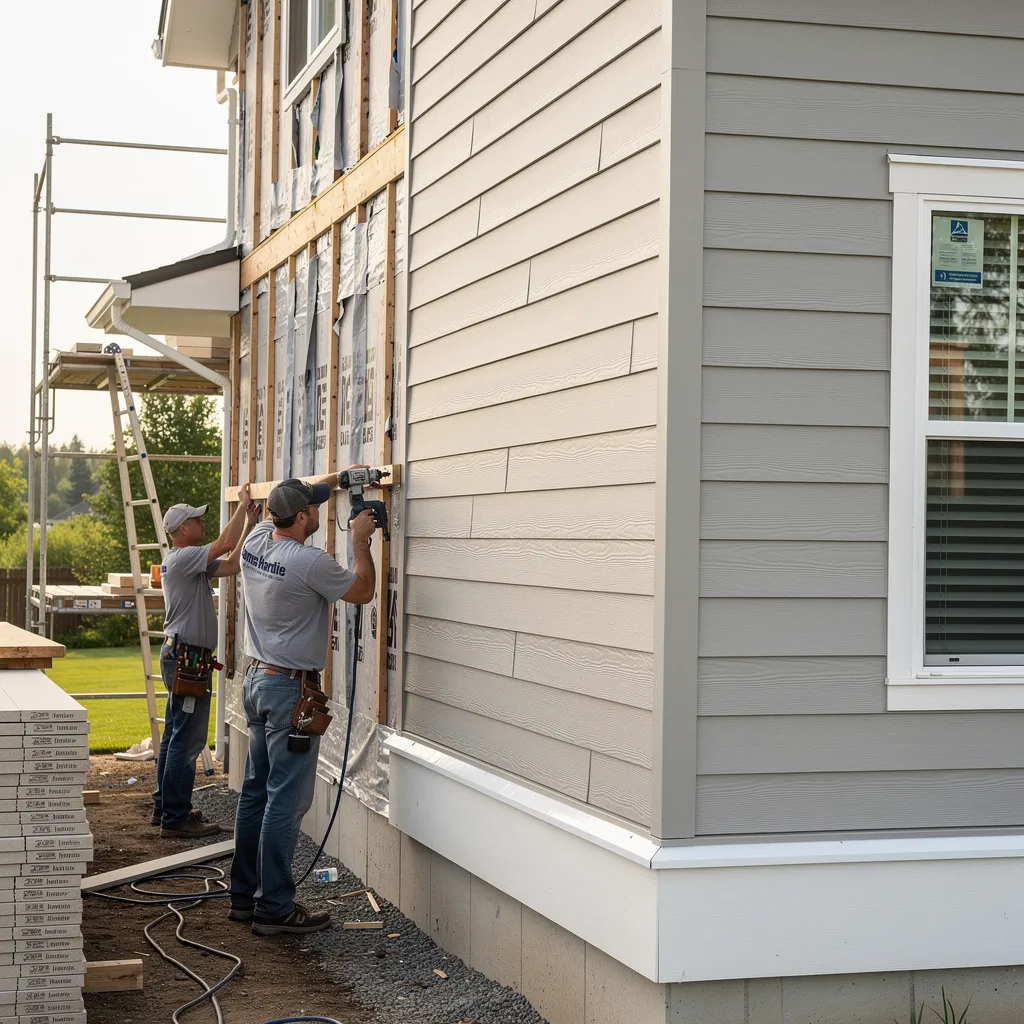
Installing James Hardie requires greater expertise due to its heavier weight and the sealing techniques required for durability. Professional installation is recommended to prevent moisture infiltration. Vinyl is lighter and easier to handle, which can allow less experienced contractors to install it, but improper installation of either material can lead to long‑term issues.
What are the color retention properties of James Hardie siding compared to vinyl siding?
James Hardie offers superior color retention, resisting UV fading and maintaining its appearance for many years. Vinyl is more prone to fading, especially in areas with strong sunlight, which can necessitate earlier repainting or replacement.
Can James Hardie siding be painted, and how does that compare to vinyl siding?
Yes. James Hardie can be painted, giving homeowners the flexibility to refresh or change their home's appearance over time. Vinyl is generally not recommended for painting due to poor paint adhesion, which can lead to peeling and an uneven finish. For long-term customization, James Hardie is the more versatile choice.
What are the warranty options for James Hardie siding versus vinyl siding?
James Hardie products commonly carry a robust warranty, often a 30‑year limited warranty covering material and workmanship defects. Vinyl warranties vary widely and may range from 20 to 40 years but can be less comprehensive. Review warranty terms carefully to understand covered issues and exclusions.
How do insurance premiums differ for homes with James Hardie siding versus vinyl siding?
Homes clad in James Hardie may qualify for lower insurance premiums due to the material's fire‑resistant properties and overall durability. Insurers assess construction materials when setting rates, and the enhanced safety and resilience of fiber cement can influence premiums. Consult your insurance provider for specific guidance.
What are the environmental impacts of James Hardie siding compared to vinyl siding?
James Hardie is often regarded as more environmentally favorable because it uses cement, sand, and cellulose fibers and typically requires replacement less frequently. That reduced replacement cycle lowers waste. Vinyl, made from PVC, can generate additional environmental concerns during production and disposal. Consider these factors if environmental impact matters to you.
How does the installation process differ between James Hardie and vinyl siding?
Installing James Hardie requires greater expertise. The boards are heavier and require specific techniques for proper sealing and long-term durability. Professional installation is recommended to avoid moisture infiltration. Vinyl is lighter and easier to handle and can be installed by less experienced contractors, but improper installation of either material can cause long‑term issues.
What are the color retention properties of James Hardie siding compared to vinyl siding?
James Hardie offers superior color retention and resists UV fading, so its appearance remains stable for many years. Vinyl is more prone to fading, particularly in strong sunlight, which can prompt repainting or replacement sooner than expected.
Can James Hardie siding be painted, and how does that compare to vinyl siding?
Yes. James Hardie can be painted, giving homeowners the flexibility to update or refresh their home's look. Vinyl is not typically recommended for painting because paint adhesion can be poor, leading to peeling or an uneven finish. If customization and long‑term appearance matter, James Hardie is the more adaptable option.
What are the warranty options for James Hardie siding versus vinyl siding?
James Hardie products commonly carry a 30‑year limited warranty or similar robust coverage for material and workmanship defects. Vinyl warranties vary and may range from 20 to 40 years but can be less comprehensive. Review warranty details carefully to understand coverage and exclusions.
How do insurance premiums differ for homes with James Hardie siding versus vinyl siding?
Homes with James Hardie siding may benefit from lower insurance premiums owing to the material's fire‑resistant properties and overall durability. Insurance providers consider construction materials when setting rates, and the enhanced safety and resilience of fiber cement can positively influence premiums. Consult your insurer for specific guidance.
Conclusion
Selecting the right siding affects longevity, maintenance, and property value. James Hardie stands out for resilience to the elements, long expected service life, and lower maintenance needs. Investing in James Hardie can improve your home's appearance while delivering reliable protection. Explore our installation services to learn how James Hardie can transform your home.