How Does James Hardie Siding Compare to Metal Siding in Durability and Maintenance
How Does James Hardie Siding Compare to Metal Siding in Durability and Maintenance
When it comes to How Does James Hardie Siding Compare to Metal Siding in Durability and Maintenance?, james Hardie fiber cement siding lasts 30-50 years, resists fire, pests, and rot, but requires periodic repainting. Metal siding, particularly steel and aluminum, lasts 40-70 years, withstands dents better in aluminum form, and needs minimal upkeep beyond occasional cleaning. Alliance Exteriors Inc. installs both options for North York homeowners.
James Hardie fiber cement siding resists rot, fire, and pests while holding paint longer than metal, requiring only periodic cleaning and repainting. Metal siding resists corrosion but dents easily and shows scratches over time. Alliance Exteriors Inc., a certified James Hardie installer, delivers engineered assemblies built for GTA winters, backed by 5- and 10-year workmanship warranties.
Why Does GTA Climate Demand Durable Siding?
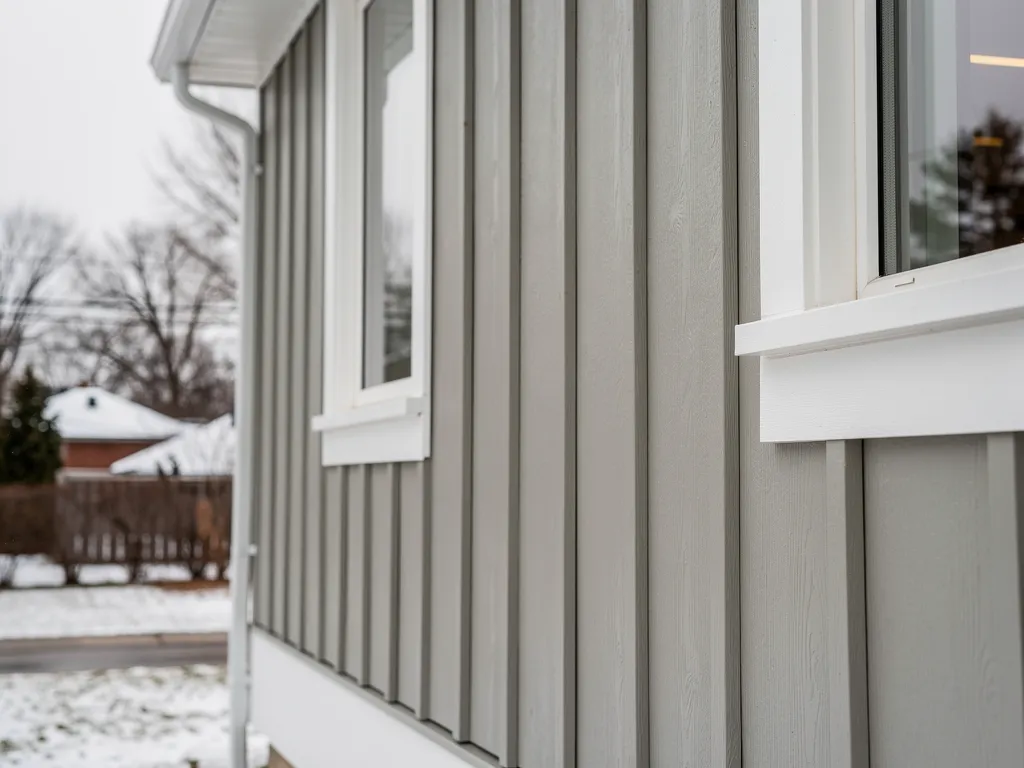
Toronto and North York exteriors face a brutal cycle every year: freeze, thaw, refreeze. Canadian siding must withstand harsh winters, freeze-thaw cycles, heavy snow, strong winds, and hot summers, all within the same twelve months. Weak materials crack, warp, or fade under that stress, leaving property owners with costly repairs and diminished curb appeal. Alliance Exteriors Inc., a Toronto-based siding and exterior cladding specialist and James Hardie Certified Installer serving North York and the wider GTA, builds every project around this reality rather than treating it as an afterthought.
What siding materials hold up best in the GTA?
Homeowners in Canada typically choose between metal, vinyl, or James Hardie siding when evaluating exterior cladding. Each material performs differently under regional stress:
Material
Common Weakness in GTA Climate
Vinyl
Can become brittle and crack in extreme cold
Metal
Prone to denting and thermal expansion noise
James Hardie fiber cement
Engineered for moisture, temperature swings, and impact resistance
Selecting the right product matters as much as the installation itself.
Why does installation quality matter as much as material choice?
Even premium siding fails prematurely if installed incorrectly. Gaps, poor fastening, and improper flashing let moisture penetrate walls during freeze-thaw cycles, accelerating rot and structural damage.
Alliance Exteriors' mission centers on professional craftsmanship and durable results engineered specifically for Canada's climate. That means every panel, seam, and fastener gets placed with the region's punishing weather in mind, not a generic national standard. For GTA homeowners and builders, that distinction determines whether siding lasts decades or needs replacement within a few short years.
How Do Hardie and Metal Compare on Durability?
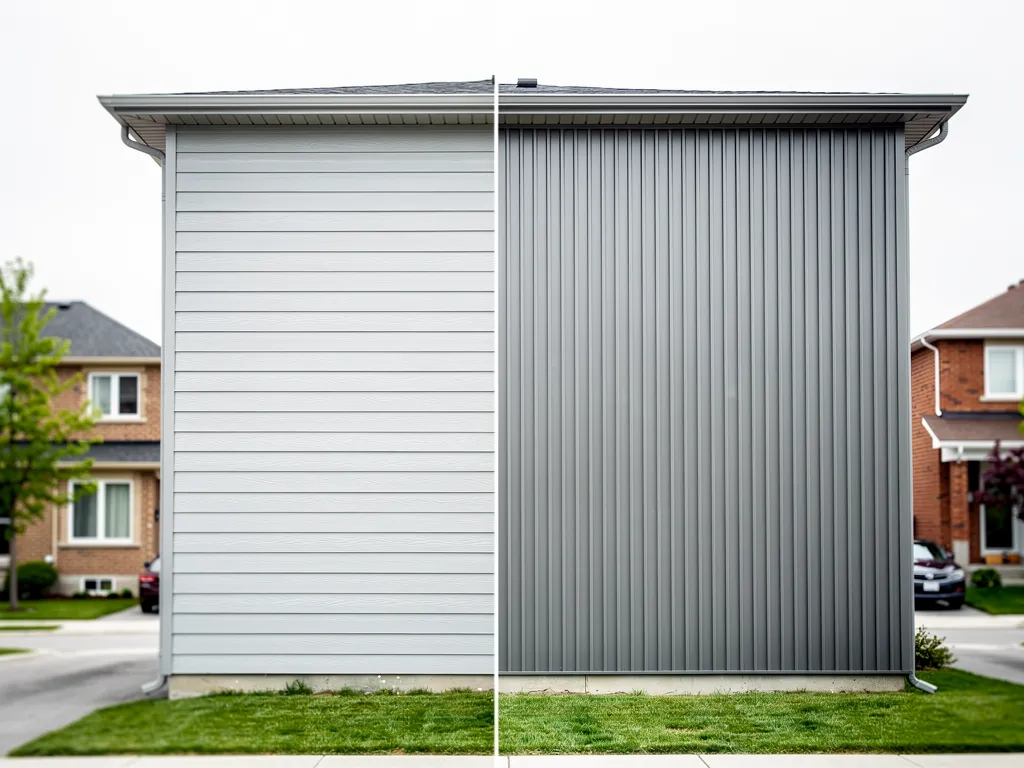
Both materials rank among the toughest exterior claddings available for Greater Toronto Area homes. James Hardie siding and metal siding qualify as heavy-duty products, each offering distinct advantages over wood and vinyl alternatives that soften, warp, or fade far sooner. For property owners weighing a long-term investment, that toughness matters more than surface-level style.
Neither product wins outright, though. Every siding brand carries its own price point, structural strengths, and long-term performance profile, so no single answer fits every project. A custom home builder finishing a modern infill may prioritize different qualities than a homeowner restoring a century property in North York.
Which material holds up better against GTA weather?
Freeze-thaw cycles, wind-driven rain, and summer humidity stress both products differently. Fiber cement resists moisture intrusion and pest damage while maintaining a fixed, dimensionally stable panel once installed correctly. Metal siding sheds water instantly and resists impact. Panel expansion and contraction across temperature swings demands precise fastening and flashing detail.
Alliance Exteriors installs both systems, along with metal and aluminum siding and PVC, WPC, and composite options, to manufacturer specifications and local building code. That discipline matters because durability claims only hold up when installation detail. Flashing, fastening, joint spacing — matches the manufacturer's engineering. A premium panel installed loosely underperforms a mid-tier product installed correctly, every time.
What Maintenance Does Each Siding System Need?
Maintenance needs depend entirely on the cladding system installed. The gap between products can determine whether an exterior demands attention twice a year or barely at all. Metal siding fits some projects but not every home. Property owners should weigh the full range of exterior cladding options before committing to one material. PVC, WPC, and composite siding stands out for low-maintenance performance, offering rock-solid strength and all-weather durability while still capturing the warm look of natural wood. Without the sanding, staining, or sealing that wood-look products traditionally require.
Does the weather barrier behind the siding affect maintenance?
Yes, and homeowners often overlook this layer entirely. A properly installed weather barrier and insulation system creates a protective shield that blocks moisture, drafts, and heat transfer before they reach the siding panels. This barrier reduces the chance of trapped moisture causing rot or corrosion behind the cladding, which lowers long-term repair needs while improving energy efficiency and indoor comfort.
What role do soffit, fascia, and rainware play in upkeep?
Rainware carries water away before it ever touches vulnerable siding seams or foundation walls. Soffit, fascia, and rainware installation protects and finishes the roofline through capping and a durable gutter system, directing rainwater safely away from the structure. Homes without properly maintained gutters and capping face higher exposure to moisture-related staining, warping, and premature wear.
Maintenance planning, then, isn't a single decision — it's a system:
- Cladding material determines cleaning frequency and refinishing needs
- Weather barriers determine hidden moisture risk behind the wall
- Rainware determines how much water reaches the siding at all
Property owners who address all three layers protect their investment far more effectively than those focused on siding material alone.
How Do Warranties and Craftsmanship Affect Lifespan?
Warranty coverage and installation quality determine whether siding performs for 10 years or 40. Alliance Exteriors backs every completed project with 5- and 10-year workmanship warranties, protecting homeowners against installation defects long after the crew leaves the site. Materials carry their own manufacturer coverage, but workmanship warranties address the variable that matters most: how precisely the panels, flashing, and seams were installed.
Poor installation undermines even premium products. A James Hardie siding panel installed with the wrong fastener spacing. metal siding hung without proper thermal movement clearance, fails years ahead of schedule regardless of material rating. Craftsmanship, not brand alone, protects long-term durability and low-maintenance performance.
Why does installation quality matter more than material choice alone?
Material science sets the ceiling for performance; installation determines whether a home ever reaches it. Alliance Exteriors pairs certified expertise with climate-ready assemblies engineered for freeze-thaw cycles, wind-driven rain, and temperature swings common across the Greater Toronto Area. This disciplined approach consistently delivers clean finishes and reliable exterior performance that generic contracting work rarely matches.
What does the installation process look like from start to finish?
A structured process protects the investment at every stage. Alliance Exteriors follows four defined phases:
- Design consultation — material selection guidance tailored to the property and budget.
- On-site assessment — a transparent, itemized quote before work begins.
- Professional installation — execution to manufacturer specifications and local code.
- Final walkthrough — warranty documentation handed over on completion.
This sequence removes guesswork for property owners and gives builders a predictable, coordinated timeline. Consistent process, backed by real warranty coverage, is what actually extends siding lifespan — not the label on the product alone.
Which Siding Option Delivers Better Long-Term Value?
Long-term value favors specialized installation over material choice alone. James Hardie siding compared to metal siding shows both materials perform well when installed by certified professionals. Value depends heavily on execution, not just product selection. Alliance Exteriors Inc. specializes solely in siding and cladding rather than general contracting, bringing deep material knowledge, precise execution, and organized project management to every job. That focus translates into fewer callbacks, tighter seams, and finishes that hold up through Ontario winters.
Does the installer matter more than the material?
Execution quality often determines whether a durable material actually performs durably. A poorly installed panel, whether fiber cement or steel, invites moisture intrusion regardless of manufacturer specs.
Homeowners across the GTA — Toronto, North York, Oakville, Vaughan, Etobicoke, Markham, Woodbridge, Mississauga, Richmond Hill, and Scarborough — rely on Alliance Exteriors for this exact reason. Custom home builders and general contractors turn to the same team. Consistent workmanship protects project timelines and client relationships alike.
What if neither Hardie nor metal fits the project vision?
Maibec wood siding offers an alternative worth serious consideration. This architectural wood system delivers natural beauty, sustainability, and timeless design, professionally installed for lasting performance rather than short-term appeal.
Ultimately, Alliance Exteriors delivers specialized siding and cladding installations combining James Hardie certification, climate-ready assemblies, and organized project management. Clean, modern finishes and durable performance result — regardless of which material a property owner ultimately selects.
Both James Hardie fiber cement and metal siding deliver proven durability when installed to manufacturer specifications and maintained according to climate demands. Your choice ultimately reflects your priorities: James Hardie offers superior aesthetics and longevity with moderate upkeep. Metal siding provides exceptional weather resistance and minimal maintenance. Alliance Exteriors' specialized expertise ensures whichever system you select performs reliably for decades, engineered specifically for Canada's challenging climate and installed with the precision your home deserves.
FAQ
Does James Hardie siding require more maintenance than metal?
James Hardie fiber cement resists rot, fire, and pests while holding paint longer than metal, needing only periodic cleaning and repainting. ### Which siding material withstands GTA winters better?
Metal siding sheds water instantly but expands and contracts across temperature swings, demanding precise fastening and flashing.
Who installs James Hardie siding in North York and the GTA?
Alliance Exteriors Inc., based in North York, Ontario, is a certified James Hardie installer delivering engineered assemblies built for GTA winters. Projects come backed by 5- and 10-year workmanship warranties.
Facts
- Alliance Exteriors Inc. is located in North York, Ontario, Canada.
Frequently Asked Questions
How long does James Hardie siding last compared to metal siding?
James Hardie fiber cement siding typically lasts 30-50 years, while metal siding, especially steel and aluminum, can last 40-70 years. Both outperform wood and vinyl, but real-world lifespan depends heavily on installation quality and how well the assembly is engineered for GTA winters.
Which requires less maintenance, James Hardie or metal siding?
Metal siding generally needs the least upkeep, resisting corrosion with only occasional cleaning, though it can dent and scratch over time. James Hardie fiber cement resists rot, fire, and pests and holds paint longer than most materials, but it does call for periodic repainting and cleaning to stay looking its best.
Which siding holds up better against GTA freeze-thaw cycles?
James Hardie fiber cement is engineered for moisture and temperature swings and stays dimensionally stable once installed correctly, while metal siding sheds water instantly but expands and contracts across seasons, requiring precise fastening and flashing. Installed correctly by a certified team, both perform well in Toronto and North York winters.
Does Alliance Exteriors warranty its siding installations?
Yes. Alliance Exteriors backs every completed project with 5- and 10-year workmanship warranties, protecting homeowners against installation defects separate from the manufacturer's own material coverage.
Does Alliance Exteriors install siding options besides James Hardie and metal?
Yes. Alongside James Hardie fiber cement and metal/aluminum siding, Alliance Exteriors installs PVC, WPC, and composite siding, along with Maibec wood siding for homeowners who want a natural, architectural look.
Conclusion
Choosing between James Hardie fiber cement and metal siding ultimately comes down to priorities, not a single "better" material. James Hardie delivers long-lasting aesthetics, fire and pest resistance, and dimensional stability, with periodic repainting as the tradeoff. Metal siding offers exceptional durability and minimal upkeep, with dent resistance varying by type. In either case, the material sets the ceiling for performance, but certified installation determines whether a home actually reaches it.
Alliance Exteriors Inc. brings James Hardie certification, climate-engineered assemblies, and 5- and 10-year workmanship warranties to every project across Toronto, North York, and the wider GTA. Whether the priority is a modern low-maintenance finish, an industrial look, or the warmth of Maibec wood siding, working with a specialized installer is what protects the investment through decades of Canadian winters.