Benefits of James Hardie Fiber Cement Siding in Toronto
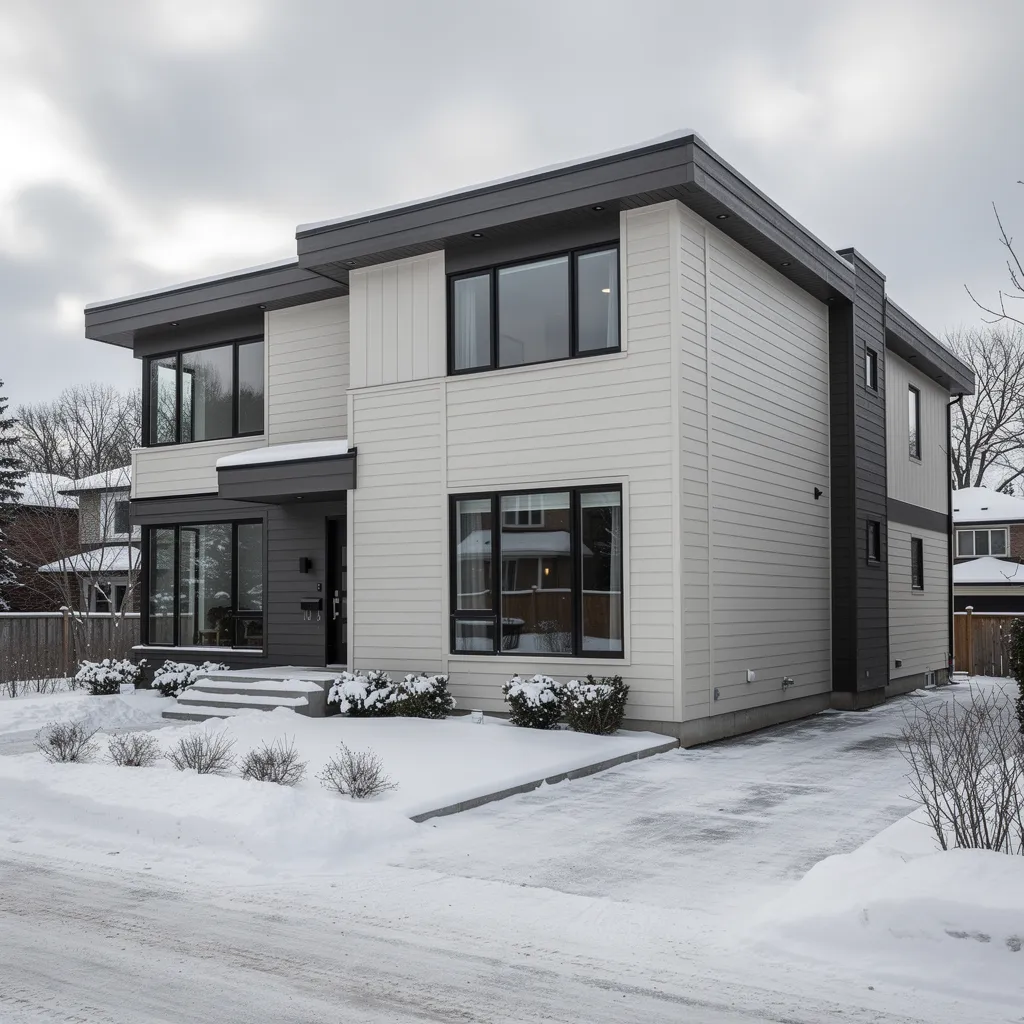
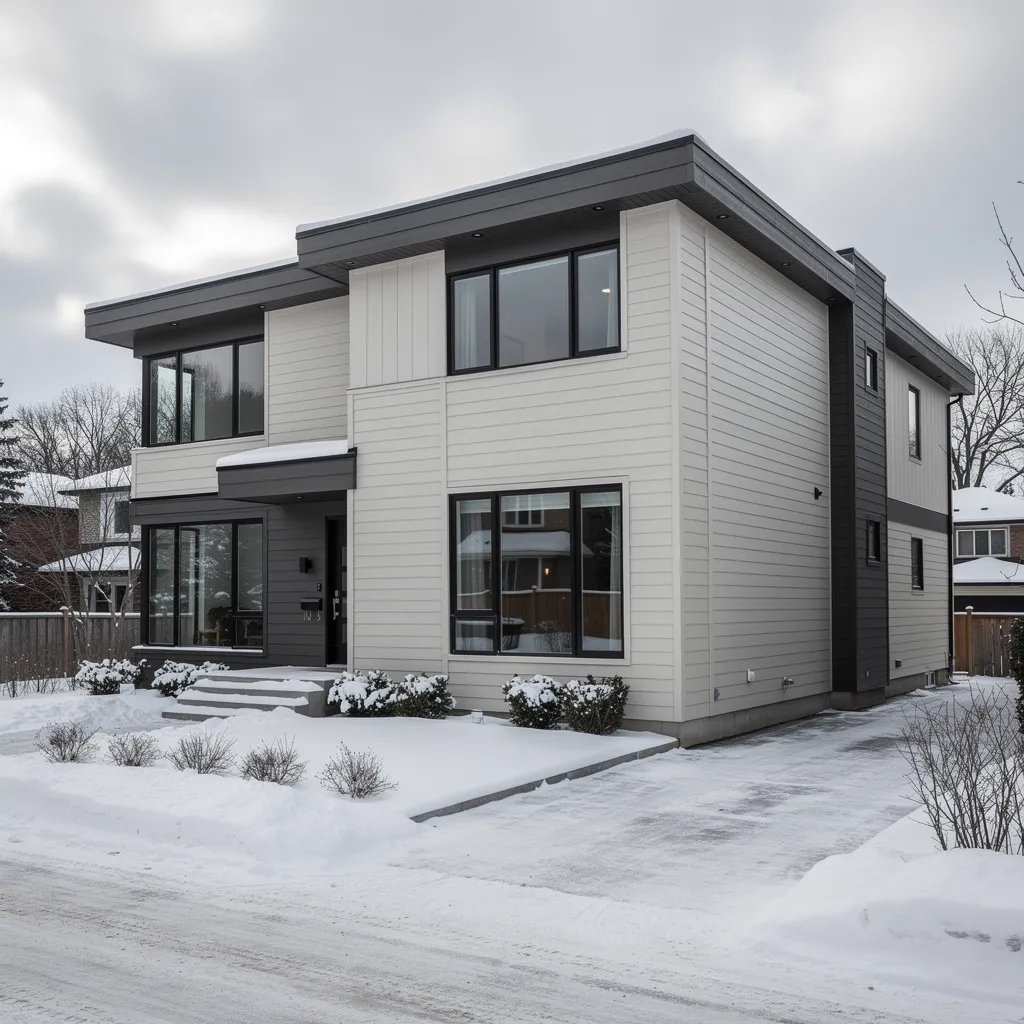
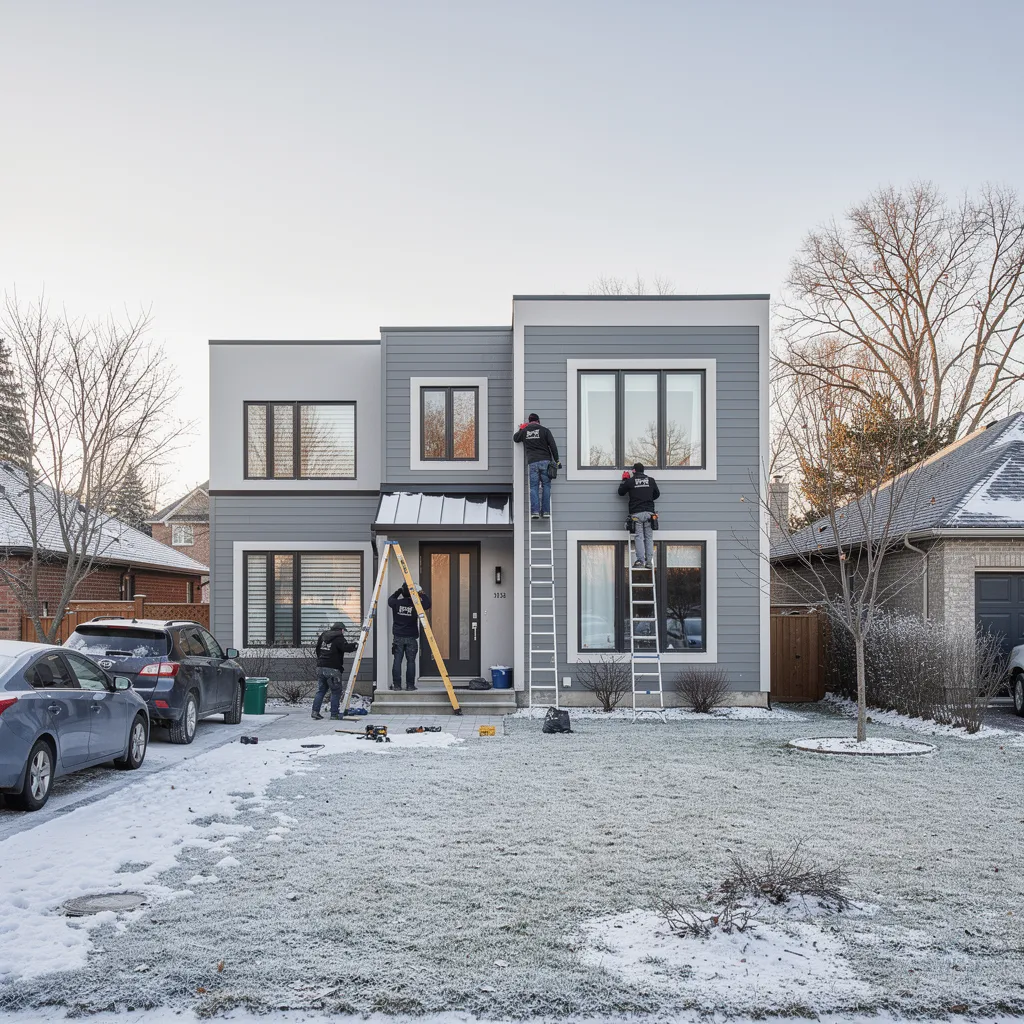
When it comes to Benefits of James Hardie Fiber Cement Siding, james Hardie fiber cement siding delivers Toronto homeowners engineered-for-climate protection against fire, moisture, pests, and freeze-thaw cycles common to the region. Alliance Exteriors Inc., a James Hardie Certified Installer serving Toronto and North York, installs these systems to manufacturer specifications, backing each project with workmanship warranties and durable, low-ma
Why Does Toronto's Climate Demand Better Siding?
Toronto homes face freeze-thaw cycles, humid summers, and driving winter storms that punish ordinary exterior materials year after year. Lake-effect moisture, sudden temperature swings, and salt-laden winter air accelerate warping, cracking, and rot on lower-grade cladding. Standard vinyl or wood products often buckle under this pressure, leaving homeowners with costly repairs sooner than expected. Fiber cement siding, engineered specifically for demanding climates, offers a different outcome entirely.
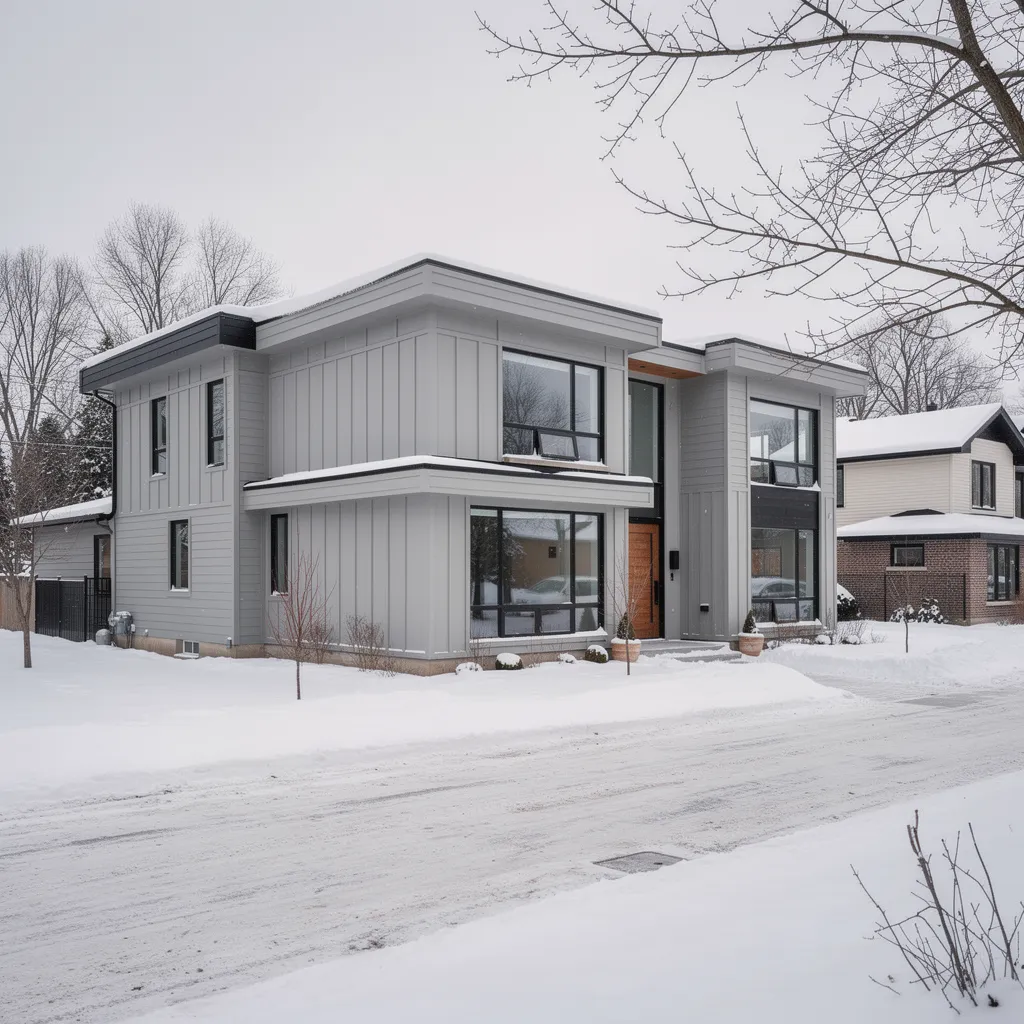
Fiber cement resists damage from fire, water, weather, pests, and time, giving Toronto properties long-term protection built for exactly these conditions. That resistance matters most during the city's harshest months, when moisture and cold work together to break down weaker materials. The benefits of James Hardie fiber cement siding become clear once winter arrives: the material withstands humidity and stands firm through rain, sleet, and snow rather than absorbing water and deteriorating.
Does Fiber Cement Siding Handle Toronto Winters Well?
Yes. Fiber cement is built to resist moisture penetration, which prevents the swelling and warping common with untreated wood or budget vinyl. Toronto's freeze-thaw pattern, where ice forms and melts repeatedly against exterior walls, punishes materials that trap water. Siding engineered to shed rain, sleet, and snow avoids that cycle of damage altogether.
Homes across Toronto benefit from cladding built for seasonal extremes rather than fair-weather performance alone. Consider what durable siding needs to withstand locally:
- Repeated freeze-thaw cycles through winter and early spring
- Heavy, wet snowfall and ice accumulation along exterior walls
- Humid summer months that stress moisture-sensitive materials
- Wind-driven rain common to lakeside weather patterns
Alliance Exteriors Inc. installs fiber cement systems designed to meet these conditions head-on, giving Toronto homeowners exterior protection built to last through every season the city delivers.
What Makes James Hardie Fiber Cement Different?
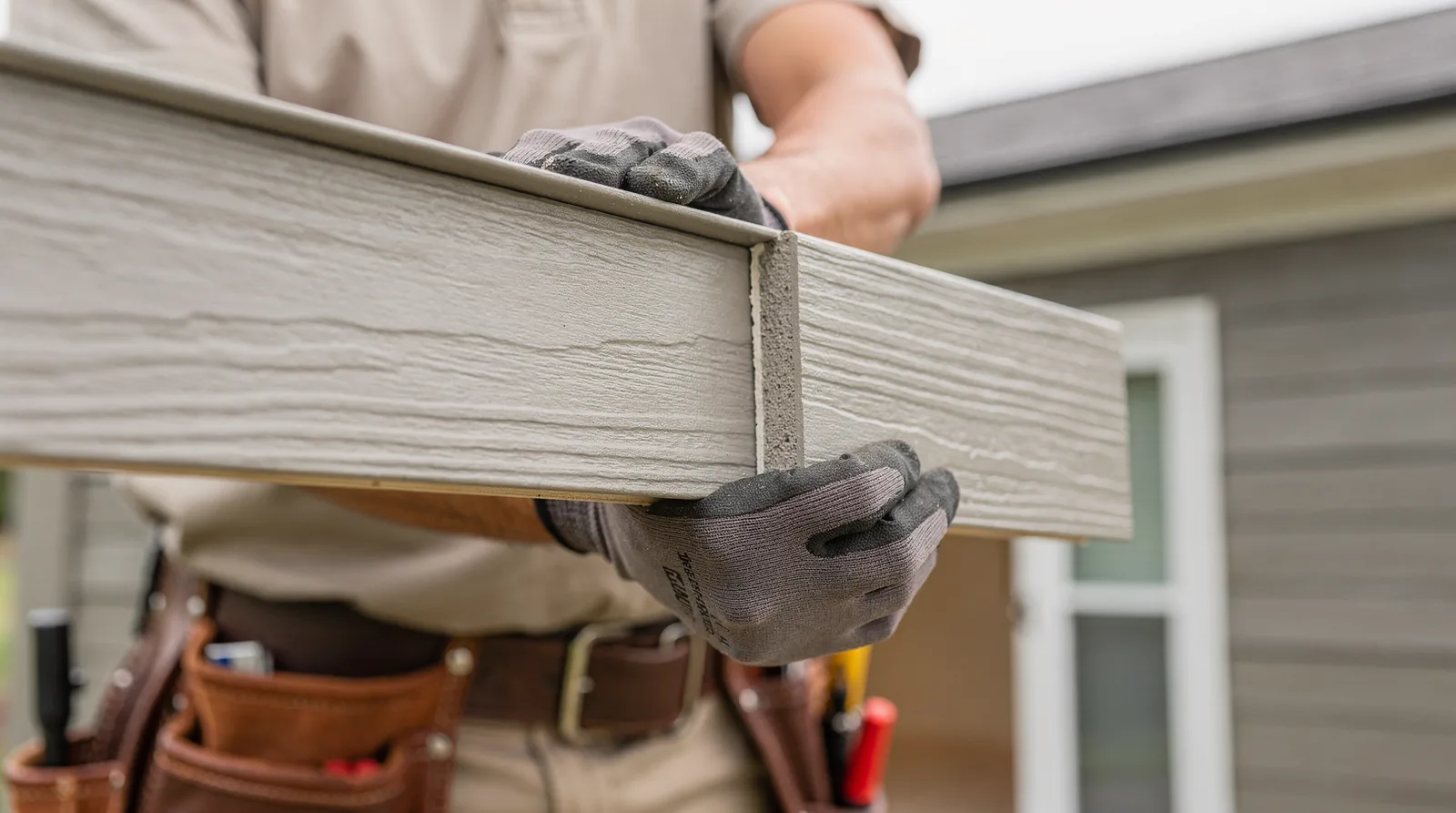
Composition sets James Hardie fiber cement siding apart from ordinary exterior materials. The product blends Portland cement, sand, water, and cellulose fibers into a semi-rigid material, one that provides substantial protection while still holding onto a degree of flexibility. That balance matters for Toronto homes, where freeze-thaw cycles and lake-effect wind gusts stress rigid or brittle materials over years of exposure. James Hardie builds on that base formula with proprietary enhancements not found in generic fiber cement products, refining performance beyond the standard mix.
Roughly 90 percent of the material consists of sand. Cement, a ratio that produces a genuinely low-maintenance, long-lasting siding option. For homeowners across Toronto neighborhoods weighing exterior upgrades, that composition translates into fewer repaint cycles and less warping compared to wood-based alternatives exposed to the region's humid summers and icy winters.
Is fiber cement siding worth it for Toronto homes?
Yes — the semi-rigid structure resists the kind of cracking and denting that vinyl or wood siding often shows after a few Toronto winters. Its sand-and-cement foundation also means less swelling from moisture, a real advantage given the city's humid summers and freeze-thaw seasons.
How does James Hardie differ from standard fiber cement?
Standard fiber cement varies by manufacturer. James Hardie adds proprietary formulation refinements to the base mix of cement, sand, water, and cellulose fibers. The result is a product engineered for consistency, not just a generic blend.
Key distinctions homeowners should note:
- Semi-rigid composition — flexible enough to resist cracking, firm enough to hold its shape
- 90 percent sand-and-cement makeup — minimizes maintenance demands over decades
- Manufacturer-specific formulation — James Hardie's version diverges from generic fiber cement recipes
Alliance Exteriors installs these systems throughout Toronto to manufacturer specifications, matching material strength with precise workmanship.
How Does It Stand Up to Fire and Moisture?
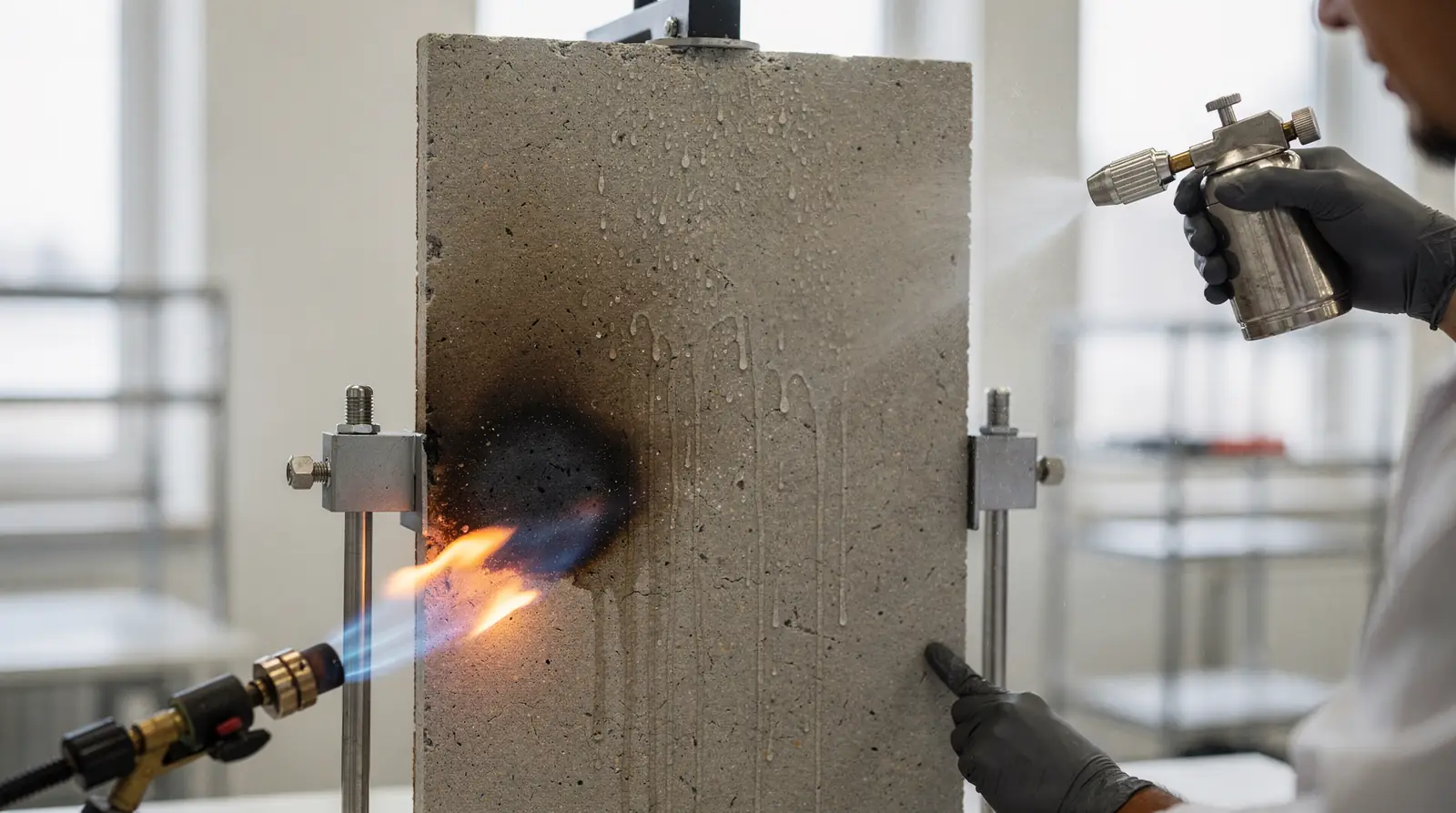
Fiber cement siding resists ignition even under direct flame contact, a distinction that matters for Toronto's closely spaced homes and rowhouses. Toronto winters swing between freeze and thaw, while summers bring stretches of high humidity that punish weaker cladding materials. The benefits of James Hardie fiber cement siding become obvious once fire and moisture performance are compared against traditional options.
Wood siding feeds a fire once flames reach it, adding fuel rather than blocking spread. Vinyl melts almost instantly under heat, leaving gaps that let flames travel across a home's exterior. Fiber cement will not ignite when exposed to direct flame. It contributes no fuel to a fire—a critical safety margin for tightly built Toronto streets.
Material
Fire Response
Moisture Resistance
Fiber cement
Will not ignite; adds no fuel
Strong, low-maintenance
Wood
Feeds and spreads flame
Prone to rot and swelling
Vinyl
Melts almost instantly
Warps under prolonged moisture
Does fiber cement siding hold up to Toronto's humid summers?
Fiber cement ranks among the top choices for durability because of its strength, low maintenance needs, and resistance to environmental damage. That resistance covers moisture stress, not just fire exposure. Toronto homeowners dealing with humid summers and driving rain gain a cladding material that resists warping, softening, and pest intrusion year after year.
Alliance Exteriors Inc. serves Toronto and North York with James Hardie installations built for exactly these conditions. Every panel gets installed to manufacturer specifications, giving homeowners a fire-resistant, moisture-tough exterior without the maintenance headaches of wood or the fragility of vinyl.
Will It Really Last and Need Little Upkeep?
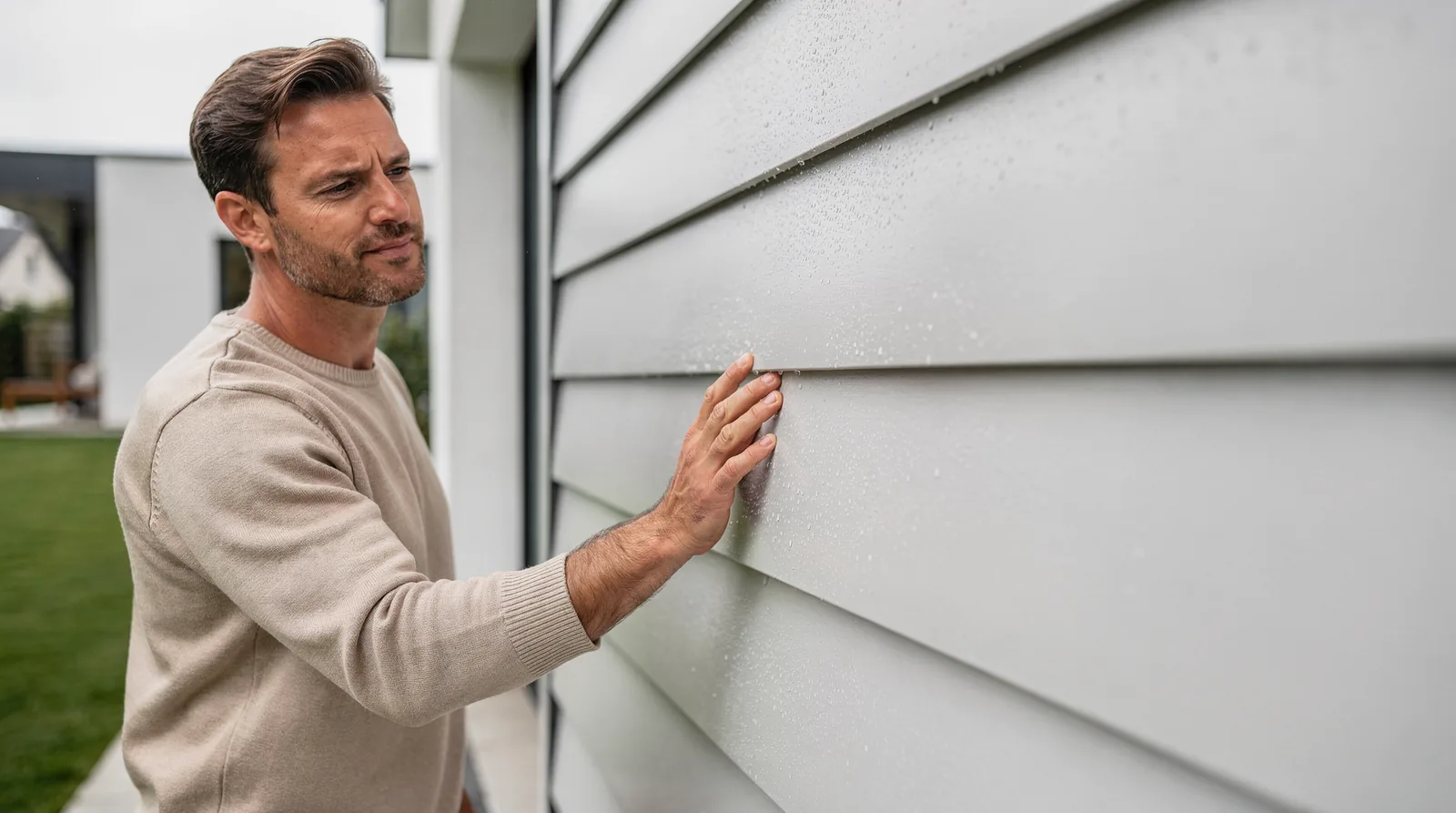
Yes — James Hardie fiber cement siding withstands Toronto's harsh weather while demanding little upkeep. Toronto homeowners face brutal winter snow, humid summers, and lake-effect storms that wear down lesser materials fast. Fiber cement siding resists these conditions directly, standing up to heat, snow, and storm damage that would crack or warp vinyl or wood alternatives over time.
That resilience translates into fewer callbacks and fewer repair bills for GTA properties. Alliance Exteriors Inc. brings the benefits of James Hardie fiber cement siding to Toronto homes as a certified installer, ensuring the material performs as engineered rather than as a compromised, poorly fitted product.
Durability plays out in several concrete ways for Toronto properties:
- Resistance to wind and hail common during GTA storm seasons
- Reduced vulnerability to pests compared with wood siding
- Minimal maintenance demands, meaning no yearly repainting or sealant reapplication
- Long-term protection that keeps replacement costs off a homeowner's ledger for decades
Does fiber cement siding boost home value in Toronto?
Premium fiber cement siding raises a home's design profile while protecting the underlying investment. For Toronto homeowners planning resale or refinancing, that combination of appearance and protection supports stronger long-term property value. Buyers notice siding that still looks sharp after repeated exposure to Toronto's freeze-thaw cycles.
Skipping upkeep isn't guesswork with this material. Durability against wind, hail, and pests is built into the product itself, not dependent on constant homeowner maintenance. That reliability explains why Toronto homeowners weighing exterior replacements increasingly choose fiber cement over higher-maintenance alternatives.
How Does Alliance Exteriors Ensure a Lasting Install?
Lasting results start with certified expertise and a documented process, not guesswork. Alliance Exteriors Inc., a North York, Ontario-based James Hardie Certified Installer serving Toronto, brings certified credentials to every Toronto project, ensuring each cladding installation follows manufacturer specifications from the first cut to the final panel. Toronto's freeze-thaw cycles and lake-effect humidity punish exteriors that skip proper technique, so certified installation protects the investment for decades.
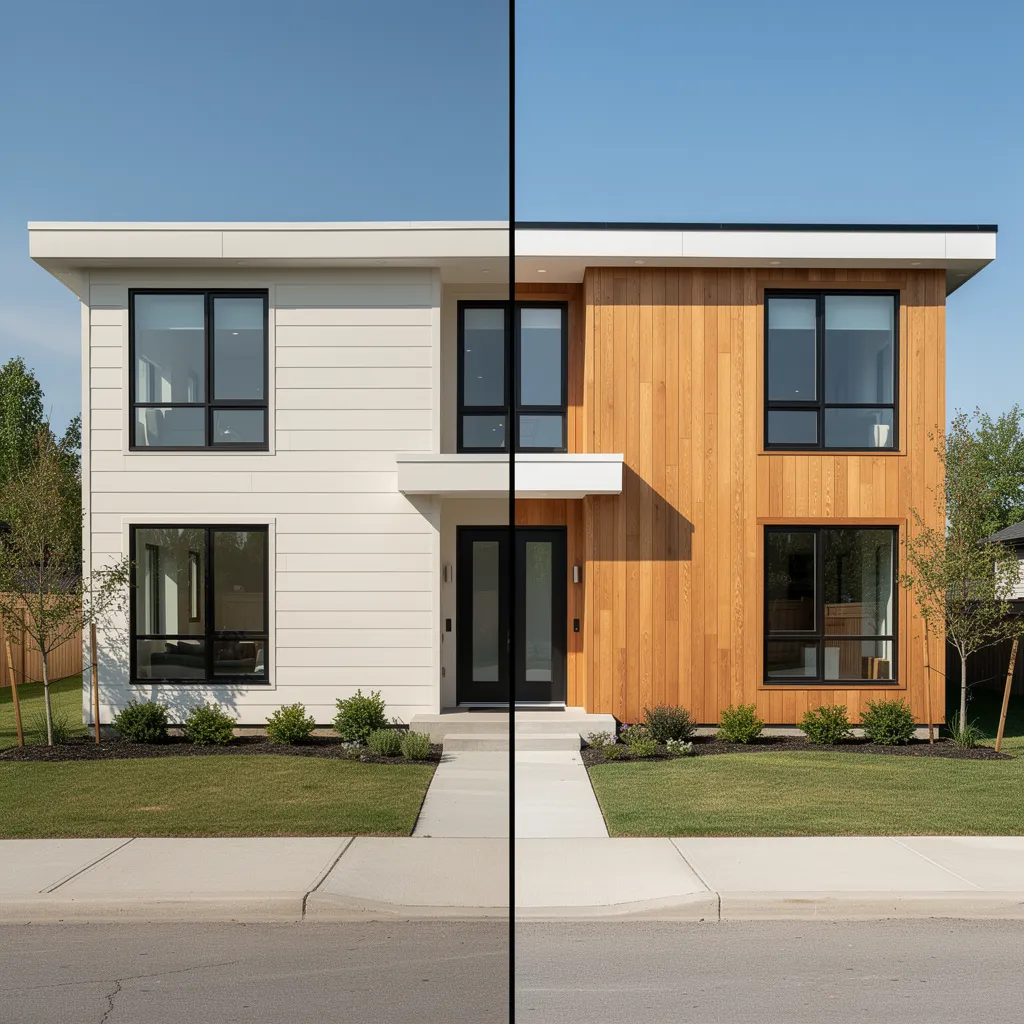
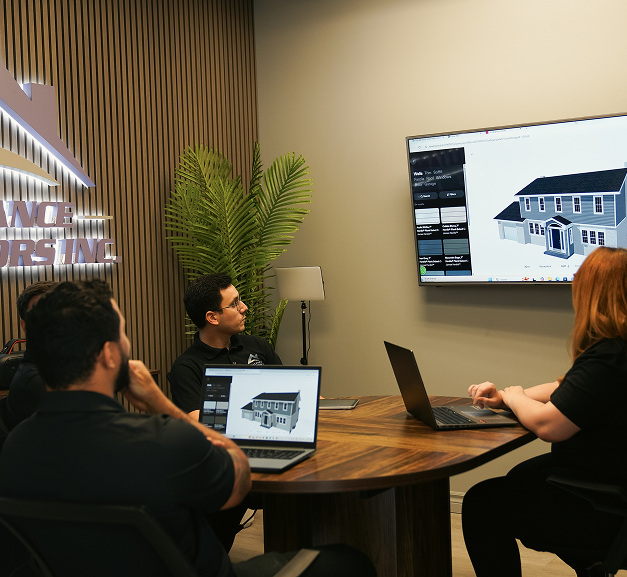
Before a single panel goes up, homeowners see the finished product first. Design consultations pair material selection guidance with 3D mockups, letting Toronto clients preview color, texture, and profile against their actual home before committing to anything. This step removes uncertainty and helps homeowners weigh the benefits of James Hardie fiber cement siding against other exterior options with confidence.
Does Fiber Cement Siding Need Extra Weatherproofing?
Fiber cement performs best as part of a complete envelope, not as a standalone layer. Pairing installation with weather barrier and insulation work creates a protective shield that blocks moisture intrusion, drafts, and heat transfer around the home. Added insulation also improves energy efficiency, lowering heating demand through Toronto's cold winters while keeping interiors comfortable through humid summers.
What Makes an Installation Truly Long-Lasting?
Longevity depends on three elements working together:
- Certified technique — installation aligned with James Hardie manufacturer standards
- Design clarity — mockups and material guidance that prevent costly mid-project changes
- Envelope protection — weather barriers and insulation installed alongside the siding itself
Toronto homeowners gain a finished exterior built to withstand real climate stress, backed by a process designed for precision at every stage.
FAQ
Why does Toronto's climate require fiber cement siding?
Toronto's freeze-thaw cycles, humid summers, and driving winter storms punish ordinary cladding, causing warping, cracking, and rot. Fiber cement resists fire, water, weather, and pests, giving Toronto properties long-term protection engineered specifically for these demanding seasonal conditions.
How does James Hardie siding perform in Toronto winters?
It resists moisture penetration, preventing the swelling and warping common with untreated wood or budget vinyl. This helps the siding withstand repeated freeze-thaw cycles, heavy wet snowfall, and wind-driven rain typical of Toronto winters.
What makes James Hardie fiber cement different from other siding?
It blends Portland cement, sand, water, and cellulose fibers into a semi-rigid, flexible material, with roughly 90 percent sand and cement, plus proprietary enhancements that boost durability beyond generic fiber cement products.
Conclusion
In closing, James Hardie fiber cement siding delivers the durability, aesthetic versatility, and weather resistance that Toronto homeowners require for lasting exterior performance. Its proven track record across the Greater Toronto Area, combined with professional installation by certified specialists, ensures your investment withstands Canada's demanding climate while maintaining its appearance for decades. Choosing fiber cement siding means choosing confidence in your home's exterior.