What Makes James Hardie Siding Ideal for Homes in Canada?
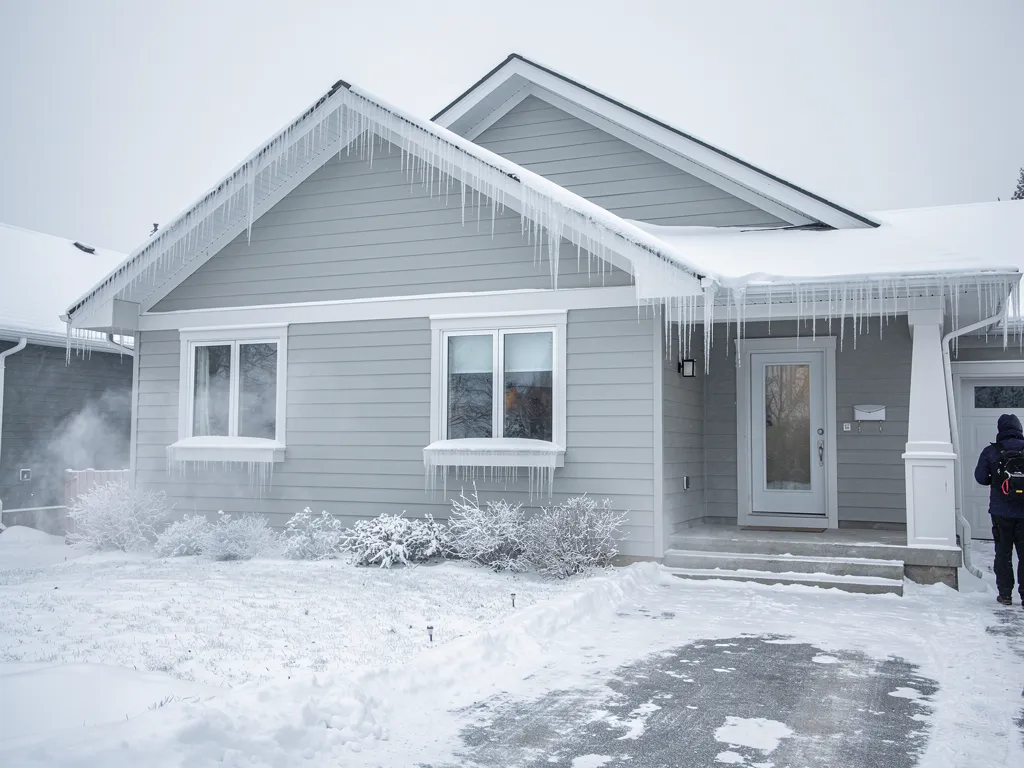
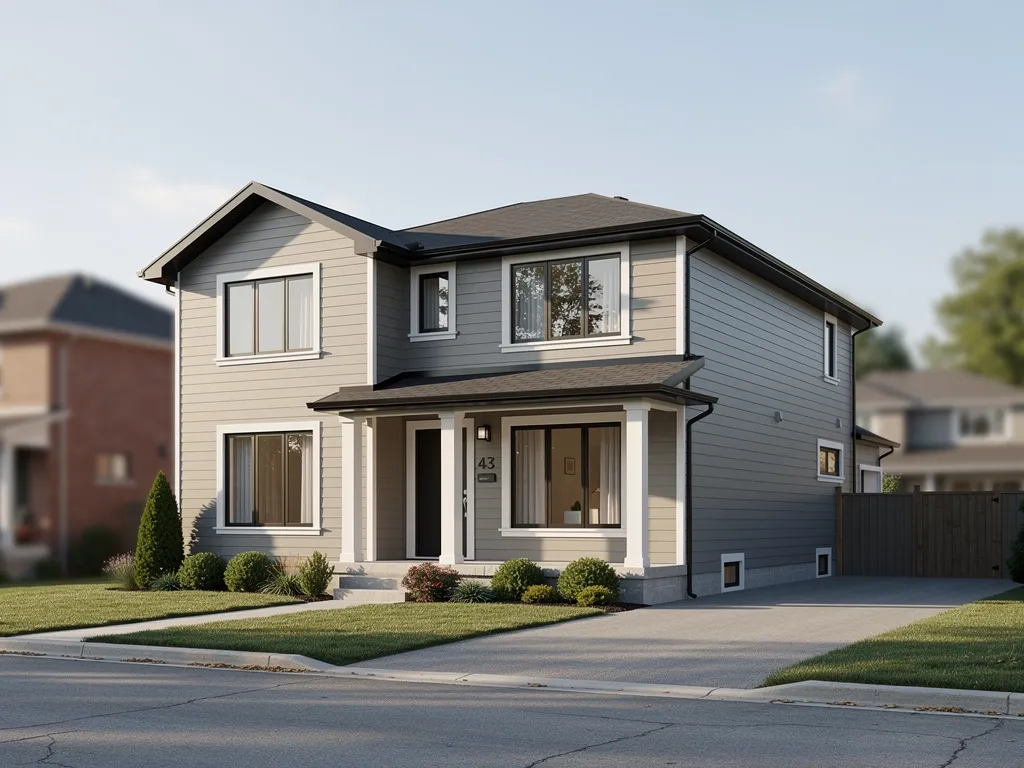
James Hardie fiber cement siding stands as a top choice for Canada’s climate, resisting moisture, fire, and pests. Engineered for Climate® products withstand harsh seasonal shifts without cracking or warping. Hardie delivers durable, low-maintenance performance. Professional installation by certified experts ensures lasting protection for Canadian homes.
What makes siding climate-critical in Canada?
Climate dictates how siding performs over time. Heavy rainfall, freezing temperatures, intense sunlight, and strong winds all influence durability and maintenance requirements. Canadian homeowners face a unique combination of these stressors within a single calendar year. A material that excels in one region may deteriorate rapidly in another. Siding exposed to frequent cycles of hot summers and freezing winters risks cracking or warping. Wet, humid conditions demand materials that resist moisture and mold. Harsh winters alone cause exterior damage when siding lacks durability. James Hardie notes that climate plays an important role in how siding performs over time, with environmental conditions directly shaping long-term outcomes.
Why do freeze-thaw cycles damage siding?
Freeze-thaw cycles create repeated expansion and contraction. Water enters small gaps, freezes, and expands. This pressure widens cracks over successive winters. Materials that perform well in mild regions often fail under these repeated stresses. Siding exposed to more frequent cycles of hot summers and freezing winters may crack or warp. The damage compounds season after season.
How does moisture affect siding in Canadian climates?
Moisture is the primary threat in wet, humid conditions. Siding in these climates often requires materials that help resist moisture and mold. Without proper resistance, trapped water accelerates rot and deterioration. Snowstorms and freezing weather cause damage to a home's exterior if durable siding materials do not protect it. Canadian homeowners researching James Hardie Siding Options for Canadian Climate should evaluate how each material handles moisture intrusion. The wrong choice leads to costly repairs within a few seasons.
How does fiber cement handle freeze-thaw cycles?
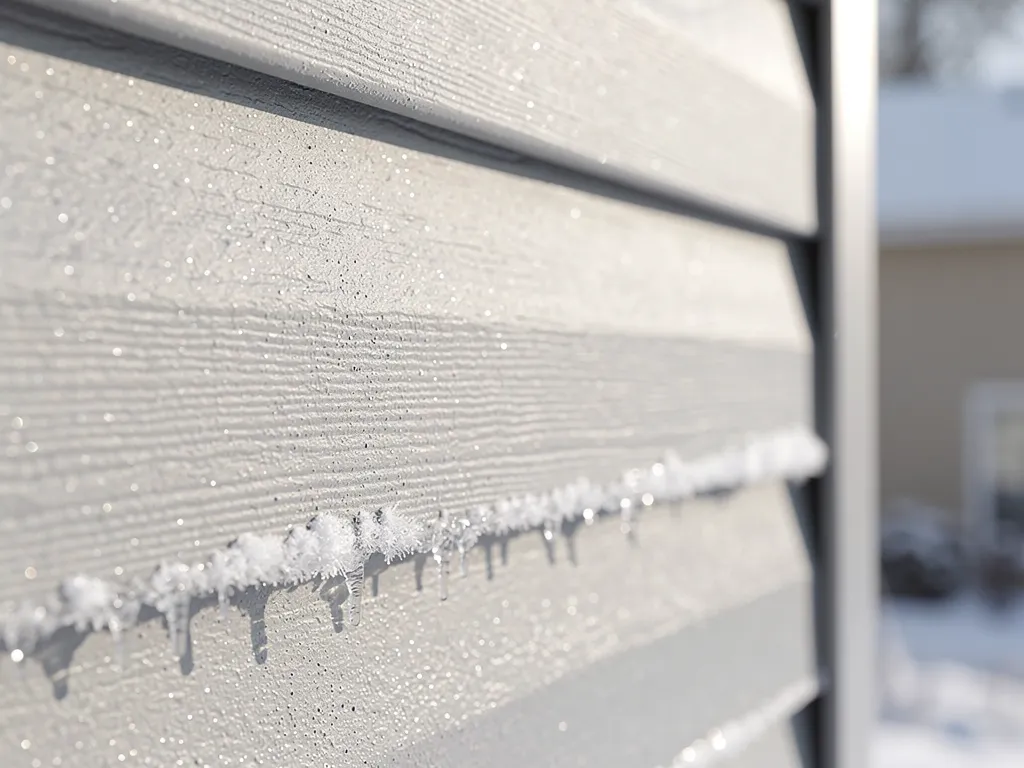
Fiber cement siding withstands freeze-thaw cycles without cracking or warping. Hardie® fiber cement products are engineered to resist water and humidity and stand up to rain, sleet, and snow. The material's low porosity prevents moisture absorption, which is the primary cause of freeze-thaw damage in exterior cladding. When water penetrates a siding material and then freezes, the expansion exerts tremendous internal pressure. Fiber cement's dense composition blocks this water ingress at the surface.
The James Hardie Siding Options for Canadian Climate reflect a deliberate engineering choice. Hardie® products carry the Engineered for Climate® designation, a mark indicating the material is formulated for specific regional weather challenges. In Canada, where winter temperatures swing from above freezing during the day to well below at night, this matters. Repeated cycles stress conventional materials until they fail. Fiber cement does not become brittle in extreme cold. It maintains dimensional stability across the full temperature range Canadian provinces experience from November through March.
Why does water absorption matter for siding in Canadian winters?
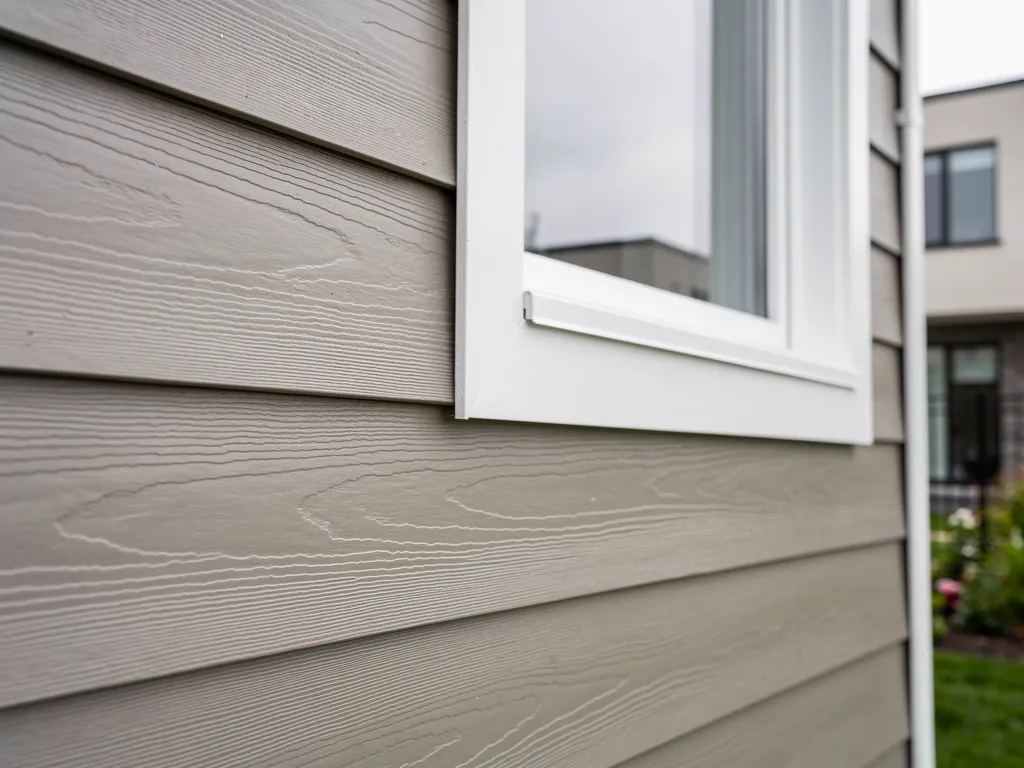
Water absorption is the single greatest threat to siding durability in cold climates. Materials that absorb moisture, such as traditional wood, swell when wet and contract when frozen. This repeated movement loosens fasteners and opens gaps. Fiber cement siding from James Hardie combines the appearance of natural wood with resistance to moisture, pests, fire, and weather extremes. The material simply does not take on water the way organic siding does.
How does fiber cement compare to wood and vinyl in freeze-thaw conditions?
Wood siding absorbs moisture, warps, and rots over repeated freeze-thaw seasons. Vinyl becomes brittle in extreme cold and cracks on impact. Hardie® fiber cement products resist damage from water, weather, and time. The material holds its shape and structural integrity through decades of seasonal cycling. For a deeper look at how this material performs across all four seasons, the company's analysis of James Hardie Siding Durability in Harsh Canadian Weather examines real-world performance data from Ontario installations. The evidence is clear: fiber cement does not degrade from the freeze-thaw mechanism that destroys other cladding materials within a few years.
Which James Hardie profiles suit Canadian homes best?
Profile selection determines how a home handles snow loads, wind-driven rain, and freeze-thaw cycles. James Hardie Siding Options for Canadian Climate performance starts with matching the right board shape and installation orientation to regional weather demands.
What makes HardiePlank lap siding effective in Ontario winters?
HardiePlank lap siding installs horizontally with a traditional overlapping profile. This orientation sheds water quickly and resists the ice damming common in Canadian winters. The plank's fiber cement composition will not ignite when exposed to a direct flame, nor does it contribute fuel to a fire, unlike wood and vinyl alternatives. Hardie fiber cement products offer leading beauty and lasting resilience.
How does HardiePanel vertical siding perform in high-wind conditions?
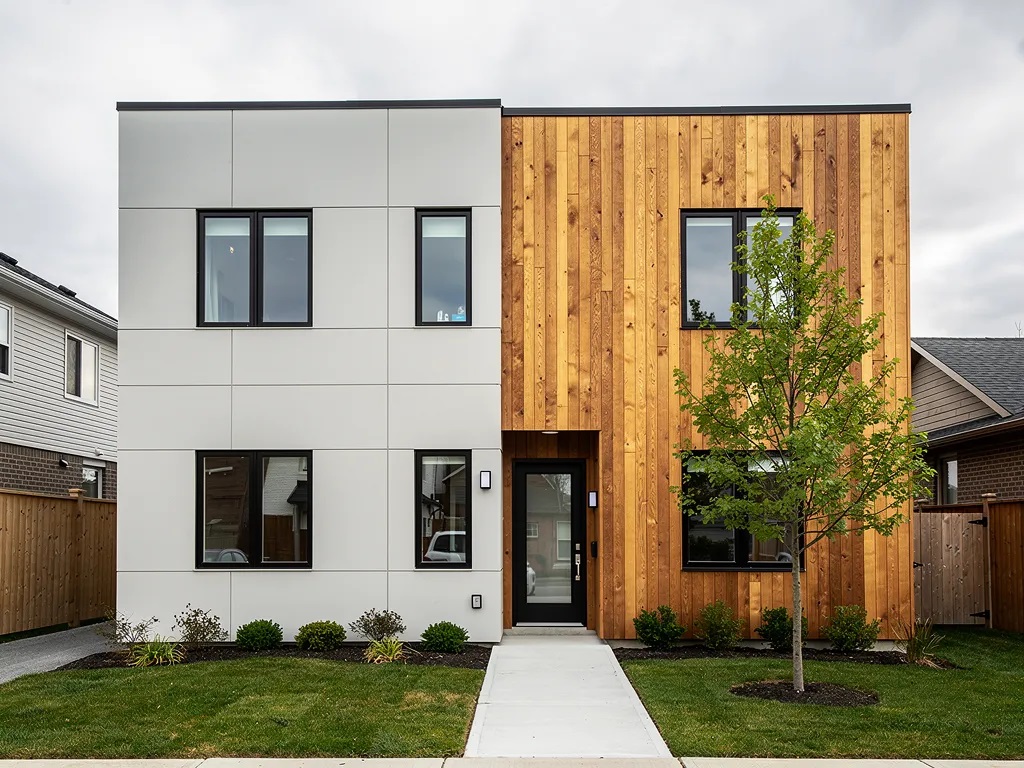
HardiePanel vertical siding delivers a clean, modern aesthetic with fewer seams than horizontal lap installations. Fewer joints mean fewer entry points for moisture during the driving rainstorms that sweep across the Great Lakes region. The panels carry a Class A fire rating when tested in accordance with ASTM E84, confirming noncombustible performance that protects homes in both urban and rural Canadian settings.
Which profile offers the best pest resistance for wooded Canadian lots?
HardieShingle siding replicates cedar shake texture without the maintenance liabilities of real wood. The material holds little appeal for pests, a critical advantage for homes bordered by Canada's forests where carpenter ants and woodpeckers damage organic siding. Homeowners gain the character of shake styling combined with fiber cement's inherent resistance to insect and animal intrusion.
What installation details prevent winter siding damage?
Winter siding damage in Canada starts with installation shortcuts, not material failure. Proper fastening, moisture management, and climate-specific assembly details determine whether an exterior survives freeze-thaw cycles or buckles within three seasons. Installations performed to manufacturer specifications and local building code give siding the structural integrity to handle Canada's temperature swings without cracking, warping, or pulling away from the sheathing.
Why does fastener placement matter in cold climates?
Fasteners driven too deep or too shallow create failure points that winter exploits. When temperatures drop below freezing, improperly fastened boards cannot accommodate natural expansion and contraction. The result is buckling, nail pops, and gaps that let moisture penetrate the wall assembly. Climate-ready assemblies paired with certified expertise consistently deliver clean finishes that hold fast through seasonal extremes.
How does the weather barrier prevent hidden winter damage?
A continuous weather barrier and insulation layer creates a protective shield that blocks moisture, drafts, and heat transfer. Without this shield, wind-driven snow and condensation accumulate inside the wall cavity. Freeze-thaw cycling then turns trapped moisture into a destructive force, rotting sheathing and compromising structural framing. Added insulation improves energy efficiency and indoor comfort, keeping interior temperatures stable even when outside air plunges well below zero.
Key installation details that prevent cold-weather failure include:
- Flashing integration at windows, doors, and penetrations to redirect melting snow away from vulnerable transitions
- Proper gap spacing between boards and trim to absorb thermal movement without binding
- Sub-sill waterproofing beneath window openings where ice damming concentrates moisture
- Ventilated rainscreen assembly that lets the wall cavity dry after winter storms
The disciplined approach behind these details, combined with climate-specific material selection, produces exterior systems that perform reliably through decades of Canadian winters. Each layer works together: the siding sheds bulk water, the air gap promotes drying, and the weather barrier catches anything that gets past the outer surface.
How do Canadian winters compare to other cold regions?
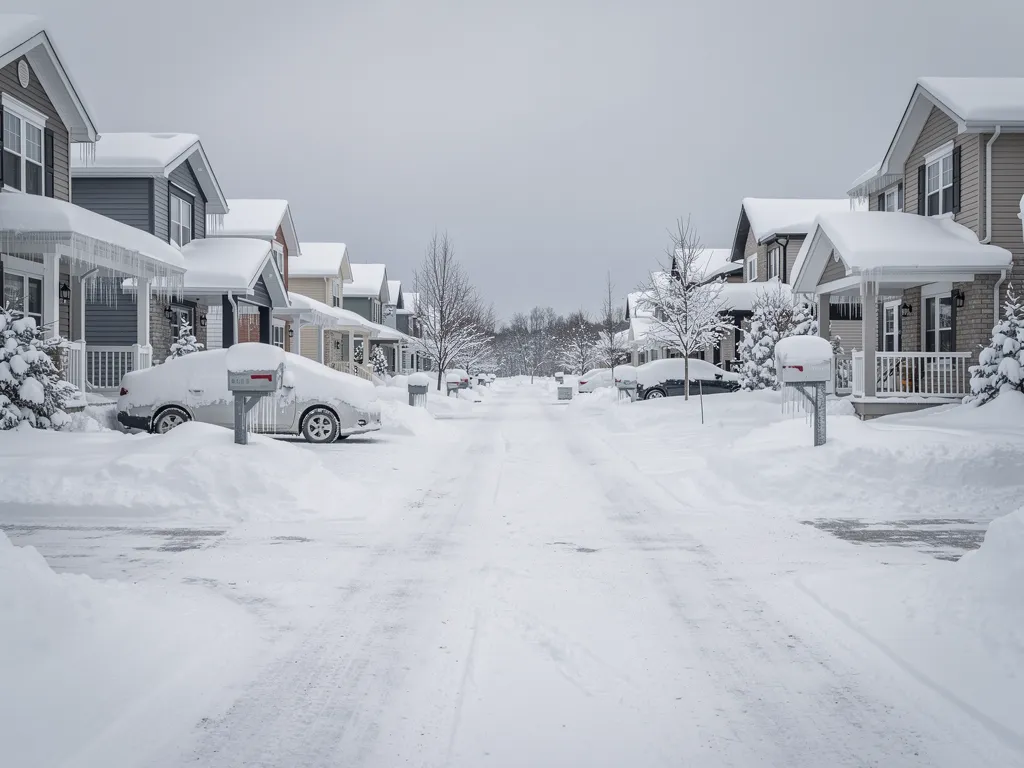
Canadian winters deliver a unique combination of prolonged freeze-thaw cycling, heavy snow accumulation, and rapid temperature swings that few other cold climates match. While regions like the U.S. Midwest and Northeast experience harsh conditions, Canada's winter severity index consistently ranks higher due to longer duration and greater extremes. Severe snowstorms have broken records and caused deadly conditions across cold climate regions, with events like "Snowmageddon" in 2010 and "Snowzilla" in 2016 demonstrating the destructive potential of these weather systems, according to James Hardie's climate research.
Extreme winter weather is not confined to traditional cold zones. While winter storms are increasingly common in the Northeast and Midwest, extreme weather has been seen in the West and South as well. This broader pattern means Canadian homeowners face risks that extend beyond what historical weather data might suggest.
What makes Canadian freeze-thaw cycles harder on siding?
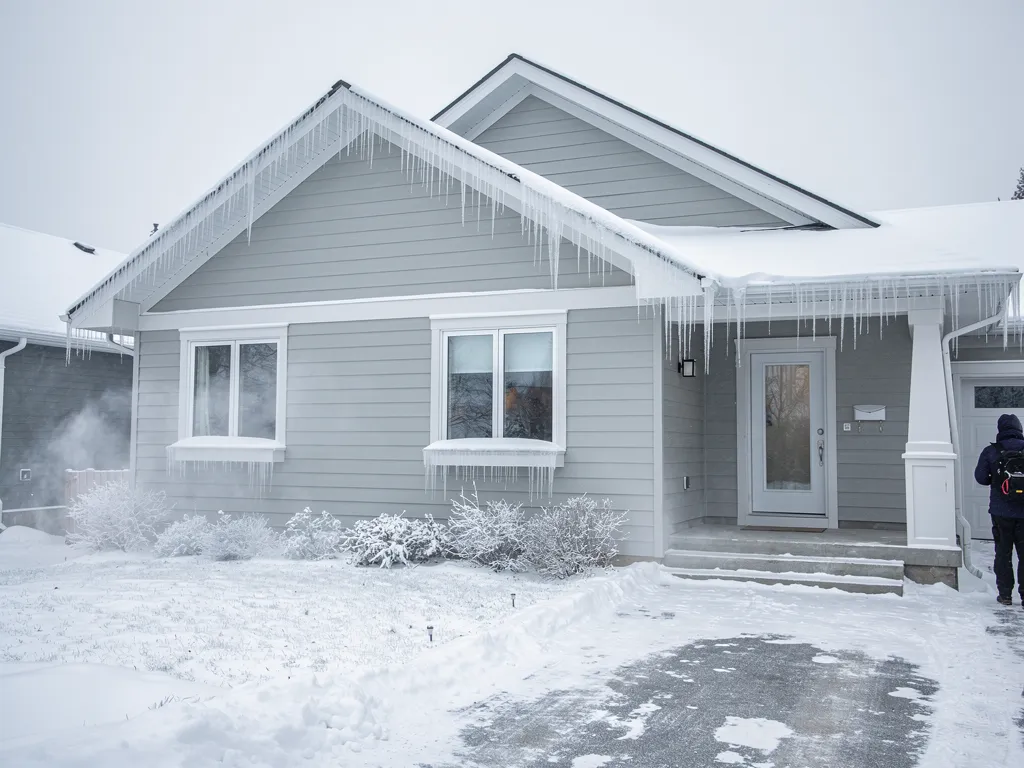
Repeated freezing and thawing stresses exterior materials in ways that steady cold does not. Water seeps into tiny gaps during daytime melting, then expands as ice overnight. This cycle repeats dozens of times each winter across much of Canada, particularly in the southern regions and the Greater Toronto Area. Materials that lack dimensional stability crack, warp, or separate at the seams under this relentless pressure.
Which siding materials hold up best in extreme cold?
Fiber cement siding resists damage from external fire, water, weather, pests, and time, helping protect homes for the long haul. James Hardie siding options for Canadian climate conditions are Engineered for Climate, meaning the products are developed to hold up under specific regional demands. Hardie products are Engineered for Climate and ready to help defend houses from wet, freezing conditions that define Canadian winters. This engineering accounts for the moisture intrusion and thermal movement that degrade lesser materials within a few seasons.
FAQ
Why do freeze-thaw cycles damage siding in Canada?
Freeze-thaw cycles create repeated expansion and contraction. Water enters small gaps, freezes, and expands, widening cracks over successive winters. How does James Hardie fiber cement handle moisture and freezing? The material's low porosity prevents moisture absorption, which is the primary cause of freeze-thaw damage.
What makes James Hardie siding suitable for Canadian weather?
James Hardie fiber cement siding withstands freeze-thaw cycles without cracking or warping. Hardie® products carry the Engineered for Climate® designation, resisting moisture, fire, and pests while handling harsh seasonal shifts.
Conclusion
Choosing the right siding for a Canadian climate means selecting a material engineered to withstand freeze-thaw cycles, moisture, and temperature extremes without cracking or warping. Homeowners and builders who prioritize climate-ready assemblies, proper fastening, and continuous weather barriers protect their investment from winter's harshest demands. The decision to invest in fiber cement siding backed by certified installation delivers durable exterior performance that holds fast through decades of punishing seasons.