What Happens If You Skip James Hardie Fiber Cement Siding?
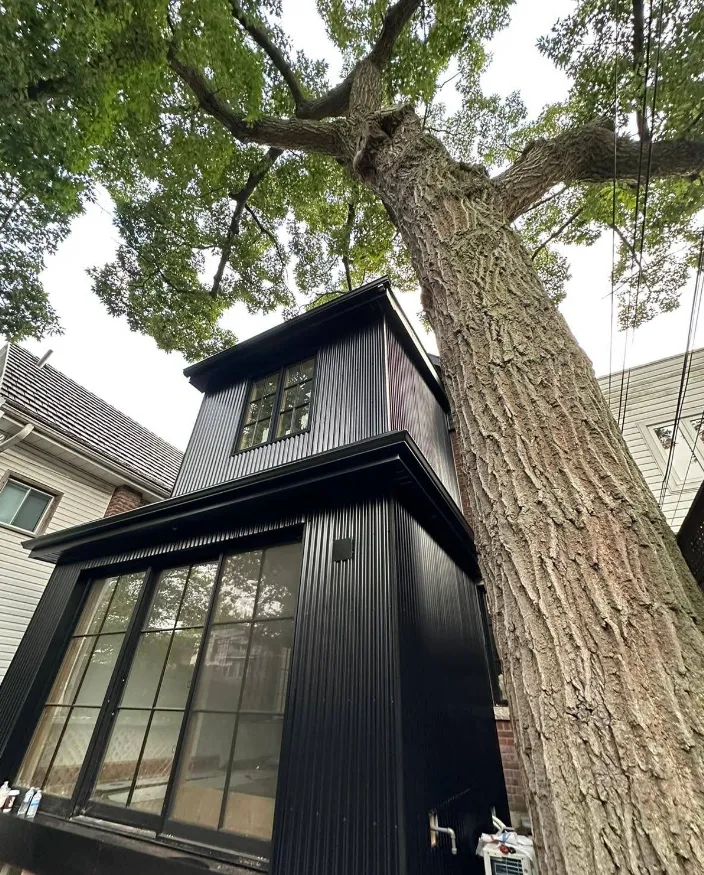
Fiber cement siding delivers the best lifecycle value for GTA homeowners, balancing moderate upfront costs with exceptional durability. James Hardie fiber cement, installed by certified specialists like Alliance Exteriors Inc., resists rot, fire, and impact while requiring minimal maintenance. With proper installation, this material outperforms wood and vinyl over decades, justifying its investment through long-term performance and reduced replacement needs.
What Determines True Siding Lifecycle Cost?
True siding lifecycle cost combines upfront material and installation expenses with decades of maintenance, repair, and eventual replacement outlays. A low purchase price often masks staggering long-term ownership costs that erode any initial savings.
According to 2024 data from Angie.com, the average cost to replace siding is around $11,503. Most projects range between $5,570 and $17,595 for materials and installation. Homeowners who ignore the full lifecycle equation risk paying that replacement bill twice over a 30-year ownership period.
What Hidden Costs Drive Up the Total Siding Investment?
Removal of old cladding adds $0.70 to $2.00 per square foot to any project, per HomeGuide.com estimates. That expense disappears if the new material lasts long enough to skip a second tear-off cycle. Material choice dictates how many times a homeowner faces that charge.
Maintenance frequency creates another compounding cost. Wood siding demands repainting or restaining every 3 to 7 years. Fiber cement requires repainting roughly every 10 to 15 years. Vinyl needs only periodic washing. Each maintenance cycle carries labor and material costs that accumulate relentlessly.
How Do Material Prices Compare at the Starting Line?
Brick ranks as the most expensive option at $10 to $20 per square foot. Wood, composite wood, and vinyl siding sit at the opposite end as the least expensive choices. That initial gap narrows or widens dramatically once maintenance, durability, and replacement frequency enter the calculation.
Alliance Exteriors Inc., a Toronto-based siding and exterior cladding specialist serving North York and the Greater Toronto Area, guides clients through this exact analysis. The company's consultations weigh material longevity against regional climate demands. A durable siding material selection that survives Ontario's freeze-thaw cycles without warping or moisture intrusion avoids repair costs that cheaper products invite.
Does Climate Exposure Change the Lifecycle Math?
Southern Ontario's weather punishes exterior cladding with freeze-thaw cycling, wind-driven rain, and UV exposure. Materials that absorb moisture or expand and contract excessively fail faster in this environment. A siding product engineered for dimensional stability under thermal stress avoids the hidden cost of premature failure. That engineering premium pays back through avoided replacement labor and disposal fees.
How Do Vinyl and Wood Siding Compare?
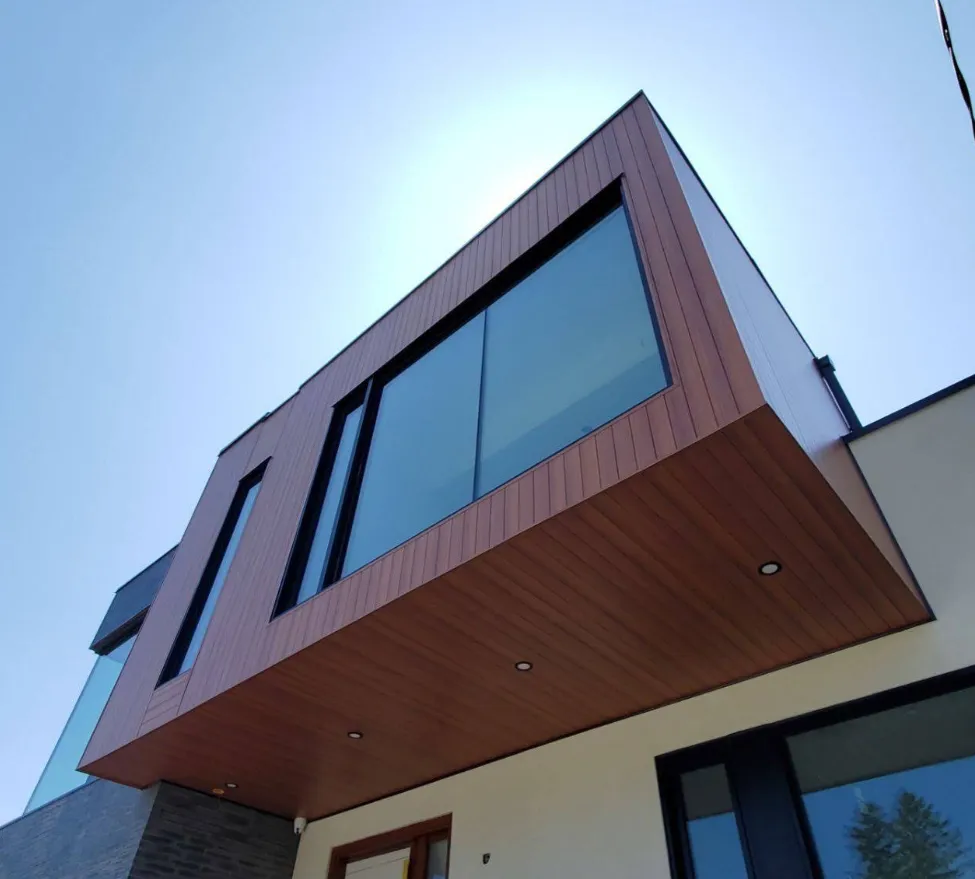
Vinyl siding costs less upfront than nearly any other cladding material. Wood siding delivers unmatched natural character but demands ongoing maintenance that vinyl sidesteps entirely. Homeowners in the Greater Toronto Area face a genuine tradeoff: immediate savings versus long-term authenticity.
Vinyl siding ranks among the least expensive options for residential exteriors. According to Angie.com's 2024 data, vinyl, wood, and composite wood all fall into the lowest cost tier compared to premium materials like brick at $10 to $20 per square foot. That affordability makes vinyl a practical choice for budget-conscious renovations. The material resists moisture and never needs painting. Yet vinyl cannot replicate the depth and grain of real timber. It also becomes brittle in extreme cold, a real concern during Ontario winters.
Wood siding offers natural beauty, sustainability, and timeless design. Alliance Exteriors installs Maibec wood siding systems engineered for longevity through professional installation. The material ages gracefully when maintained properly. That maintenance is the catch. Wood requires periodic sealing, staining, or painting to defend against rot, insects, and moisture intrusion. Skipping even one season of upkeep invites expensive damage behind the planks.
What siding material offers the best balance of wood aesthetics and low maintenance?
Engineered alternatives bridge the gap between vinyl's ease and wood's appearance. Alliance Exteriors provides PVC, WPC, and composite siding that captures the warm, timeless look of natural wood while delivering rock-solid strength and all-weather durability. These products resist warping, fading, and moisture damage without annual refinishing. The result is a wood-like exterior with dramatically lower long-term care requirements.
Why does siding material choice affect more than curb appeal?
Siding serves as the first line of defense against weathering and physical impacts. The right material protects the building envelope and can save money by insulating the home more effectively. A poor choice leaves the structure vulnerable to water damage, mold, and energy loss. Alliance Exteriors' Maibec wood siding installations combine that protective function with architectural character, while the company's composite offerings deliver comparable defense with reduced upkeep. Each material suits a different owner profile: wood for those committed to preservation, composites for those prioritizing performance without sacrificing aesthetics.
What Are the Potential Issues With Not Choosing James Hardie Fiber Cement Siding?
Skipping James Hardie fiber cement siding exposes a Toronto home to a cascade of material failures that compound in cost and damage. Homeowners lose the non-combustible shell, dimensional stability, and rot resistance that freeze-thaw climates demand. The wrong cladding choice invites moisture intrusion, warping, and premature replacement cycles that erode property value year after year.
How Does Inferior Siding Fail in Freeze-Thaw Conditions?
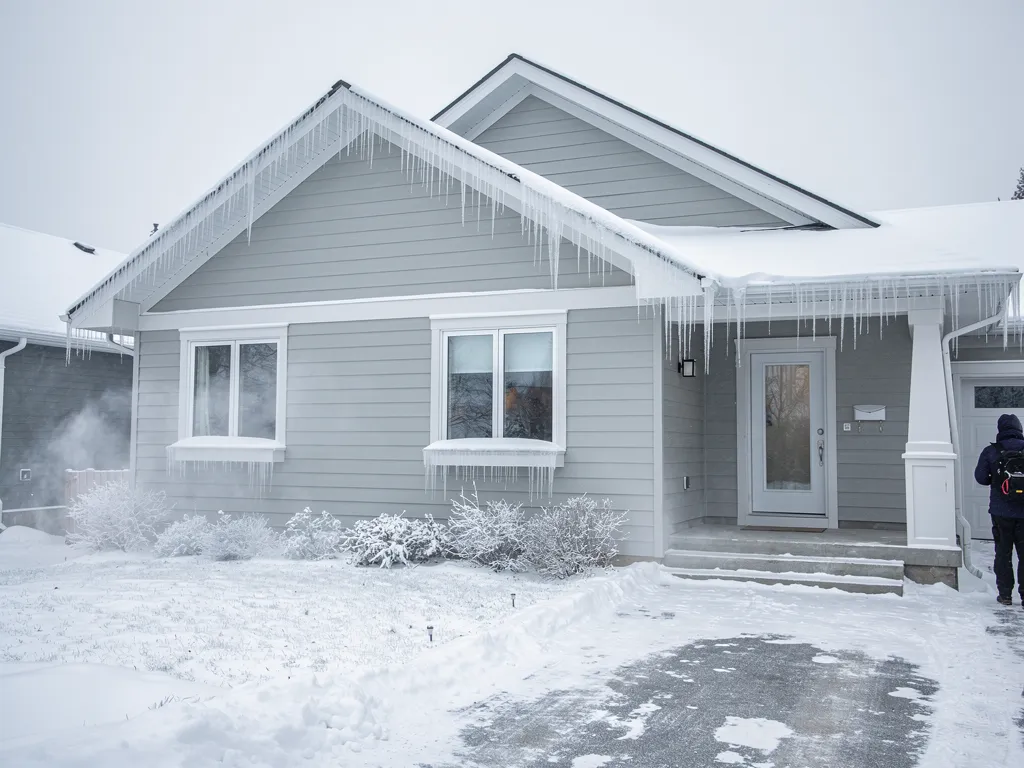
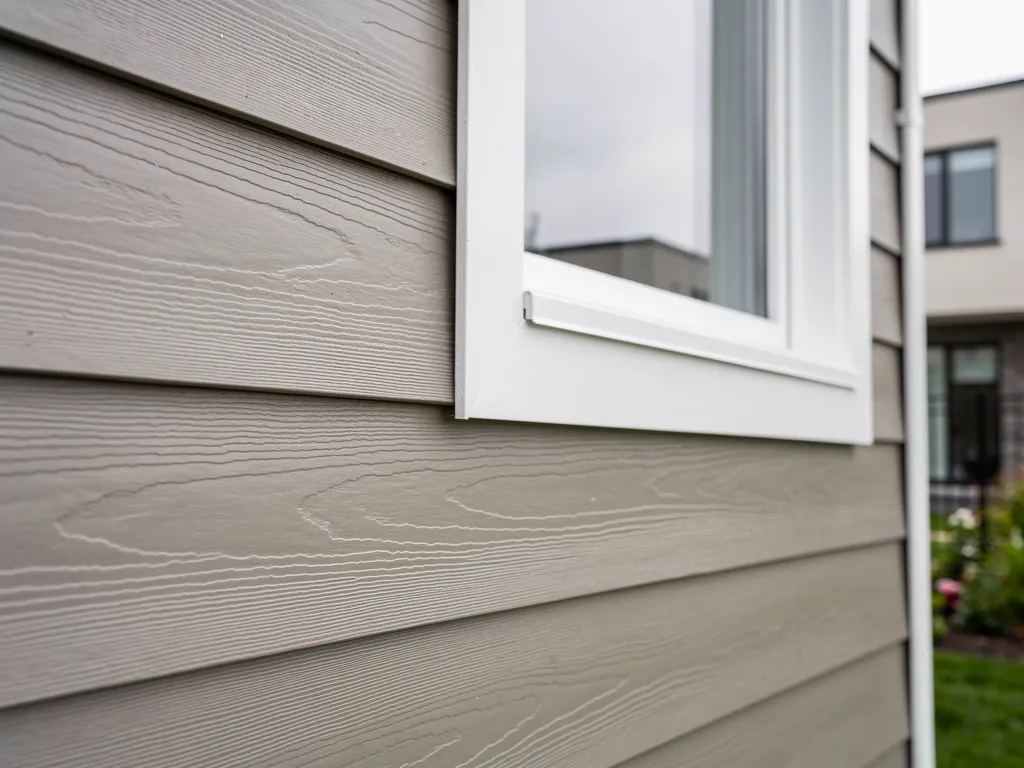
Vinyl becomes brittle and cracks when temperatures swing from deep freeze to sudden thaw. Wood absorbs moisture, swells, and rots behind the paint. Fiber cement siding maintains its shape and integrity through these cycles. Alliance Exteriors installs James Hardie products specifically engineered for dimensional stability, preventing the gaps and buckling that let water behind the building envelope.
What Happens When Siding Lacks Fire Resistance?
Combustible cladding materials turn a small exterior fire into a structural catastrophe. James Hardie fiber cement siding carries non-combustible properties that stop flame spread before it reaches the sheathing. Without this protection, homeowners face higher insurance exposure and rebuild costs that far exceed the initial material savings. The company’s status as a James Hardie Certified Installer ensures every plank meets manufacturer specifications and local building code for fire-rated assemblies.
Why Does Installation Certification Matter for Long-Term Performance?
Even premium materials fail when installed incorrectly. Alliance Exteriors focuses exclusively on exterior systems, bringing deep material knowledge to every James Hardie project. The company’s core services span James Hardie fiber cement siding alongside other engineered cladding options. Completed work carries 5- and 10-year workmanship warranties, reinforcing long-term performance and peace of mind. Alliance Exteriors Inc. is a James Hardie Certified Installer ensuring professional installation. Homeowners who choose uncertified installers risk voided manufacturer warranties and the key benefits of James Hardie siding going unrealized due to improper fastening or clearance errors.
Which Material Offers the Best Long-Term Value?
Long-term siding value balances upfront cost against decades of maintenance, durability, and curb appeal. Fiber cement siding delivers that balance for Greater Toronto Area homeowners. Alliance Exteriors specializes solely in siding and cladding, bringing deep material knowledge and precise execution to every job. This singular focus eliminates the compromises common with general contractors who split attention across multiple trades.
How does installation quality affect long-term siding value?
Even premium materials fail early when installed incorrectly. Alliance Exteriors provides transparent, itemized quotes and consistent communication throughout the project. Installations follow manufacturer specifications and local building code. The result is a weather-tight assembly engineered for Canada's freeze-thaw cycles and driving rain.
What does the installation process look like from start to finish?
A clear, proven process guides each engagement. It begins with a design consultation and material guidance. An on-site assessment follows, producing a transparent quote. Professional installation proceeds on schedule. The final walkthrough includes warranty documentation, giving property owners confidence in the completed work.
The company serves discerning homeowners, custom home builders, and general contractors across the GTA. Service areas include Toronto, North York, Oakville, and Vaughan. **** Homeowners who opt for lower-cost alternatives often face warping, moisture intrusion, and premature fading. These failures erode the initial savings through repeated repairs and early replacement. Fiber cement resists rot, insect damage, and fire, maintaining its appearance for decades with minimal upkeep.
How Does Professional Installation Affect Durability?
Professional installation determines whether siding performs for decades or fails within years. Even premium materials deteriorate rapidly when flashed or fastened incorrectly, making precision execution the single most critical factor in long-term durability.
Why do even premium siding materials fail prematurely?
Material quality alone cannot compensate for installation errors. Water intrusion through improperly lapped flashing destroys wall assemblies regardless of the cladding's rated lifespan. Fasteners driven too deep or at incorrect angles create stress points that crack panels during thermal expansion. Alliance Exteriors addresses these risks through specialized expertise focused exclusively on siding and cladding systems. The company's installers follow manufacturer specifications and local building code requirements on every project, eliminating the shortcuts that compromise performance.
What protective layers should accompany siding installation?
A complete exterior assembly requires more than visible cladding. Alliance Exteriors installs weather barriers and insulation that create a protective shield against moisture, drafts, and heat transfer. This underlying system blocks water before it reaches the sheathing while improving energy efficiency and indoor comfort. Skipping these layers leaves the building envelope vulnerable to hidden deterioration that remains undetected until structural damage occurs.
How does project coordination affect installation quality?
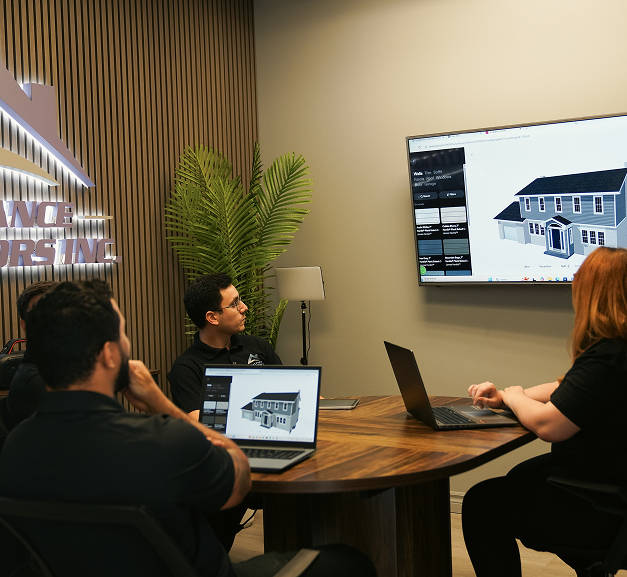
Disorganized scheduling leads to rushed work and missed details. Alliance Exteriors coordinates seamlessly with site supervisors and other trades, aligning to project schedules whether serving as a dedicated subcontractor for builders or a prime installer for homeowners. Exterior design consultations include material selection guidance and 3D mockups, helping clients visualize outcomes before installation begins. This disciplined approach ensures every fastener, flashing detail, and weather barrier component receives proper attention without schedule pressure compromising workmanship.
FAQ
What is the true lifecycle cost of siding?
True lifecycle cost combines upfront material and installation expenses with decades of maintenance, repair, and eventual replacement outlays, often making a low purchase price misleading.
How does climate affect siding durability in the GTA?
Southern Ontario’s freeze-thaw cycling, wind-driven rain, and UV exposure punish materials that absorb moisture or expand excessively, causing premature failure and hidden replacement costs.
How do vinyl and wood siding compare to fiber cement?
Wood requires repainting every 3 to 7 years, vinyl needs only periodic washing, and fiber cement requires repainting every 10 to 15 years while resisting rot, fire, and impact.
Conclusion
For homeowners weighing lifecycle cost against durability, the decision narrows to one question: whether the initial savings from lower-cost materials justify the inevitable cycle of repairs, repainting, and early replacement. Fiber cement siding, installed to manufacturer specifications by a specialist who understands freeze-thaw performance and proper weather barrier integration, delivers the lowest total cost of ownership over decades. The next step is a design consultation and on-site assessment to confirm material selection and receive a transparent quote before any work begins.