James Hardie Siding: What It Is, Why It Performs, and How It Compares

What Is James Hardie Siding?
- Long-Term Durability
- Low-Maintenance Performance
- Yes, when it is installed correctly. Hardie products are manufactured to ASTM C1186 Grade II Type A, the classification for direct exterior exposure, and the companion ASTM C1185 test regime includes freeze-thaw testing for cladding. Canada also gets the HZ5 cold-climate line, with tighter clearance requirements than the US spec.
James Hardie siding is fibre cement - a composite of cement, sand, cellulose fibre and water, plus proprietary additives. It is formed under pressure, textured, cured, and cut into planks, panels, shingles and trim. That composition is the whole story. It is not a plastic that softens in heat or embrittles in cold. It is not a wood product that feeds rot or insects. It is a cement-based board with wood fibre for tensile strength, which is why it behaves like masonry in a fire and like timber in how it takes a fastener.
How James Hardie Siding Works
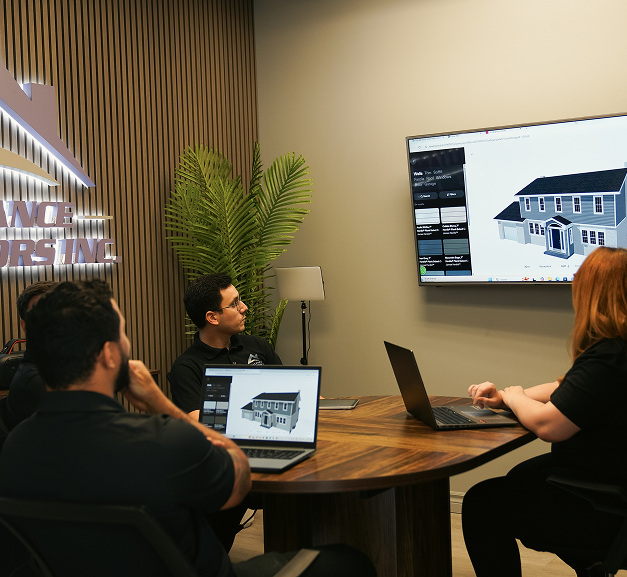
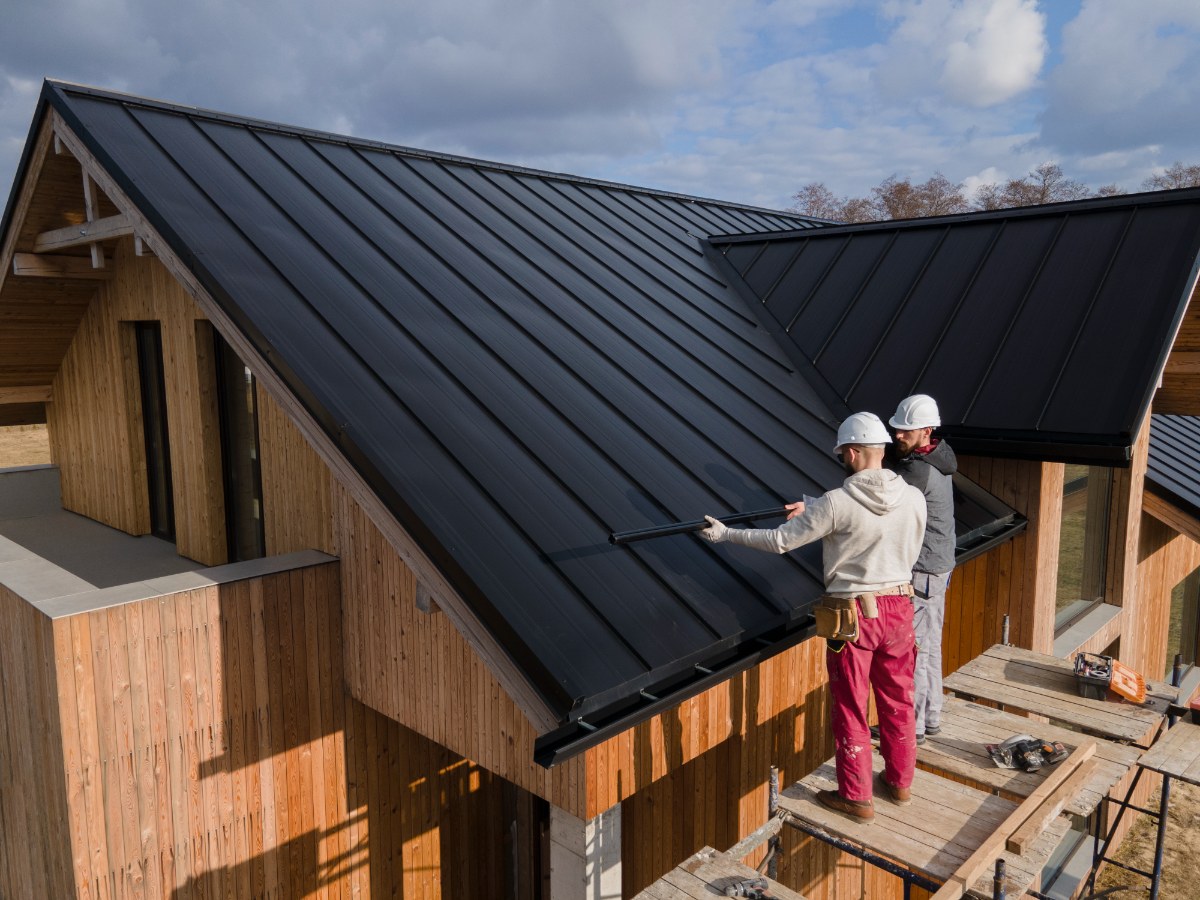
James Hardie siding is installed as part of a complete exterior wall system, including weather barriers and proper fastening techniques. Our team follows manufacturer specifications and local building codes to ensure long-term performance, warranty protection, and consistent results.
Other Exterior Services
In addition to James Hardie fiber cement siding installation, we offer premium wood siding including Maibec, modern metal and aluminum cladding, PVC/WPC siding, custom exterior cladding solutions, self-adhered weather barrier installation, and soffit and fascia systems.
Thank you! Your submission has been received!
Oops! Something went wrong while submitting the form.
Ready to Upgrade Your Home’s Exterior?
Book a design consultation and we'll walk your elevations, tell you exactly what we'd specify and why - and be straight with you if fibre cement isn't the right answer.
So Which Siding Should You Choose?
If you have just bought the house you plan to stay in, you are optimising for a thirty-year horizon, and the number that matters is not the quote. It is the quote plus everything you will spend on that wall before you sell. Choose James Hardie for the strongest combination of noncombustibility, freeze-thaw performance, a transferable non-prorated warranty, and a finish you will not scaffold to renew. Choose factory-finished cedar if the authenticity of real wood matters more to you than the maintenance schedule. Choose premium PVDF metal if your house is contemporary and the aesthetic is the driver. If you are renovating, the question is usually what is coming off. Removing old cladding exposes the assembly underneath, and that is the moment to fix it properly: weather barrier, insulation, drainage cavity, flashing. Doing that once, correctly, is worth more over thirty years than any material upgrade.


Why Choose Fiber Cement Siding for Your Home?
James Hardie siding is a popular choice for homeowners seeking low-maintenance, long-lasting exterior solutions. Its resistance to rot, fire, and pests makes it well-suited for Canadian climates, while its clean profiles support both modern and traditional architecture. This siding is also highly customizable and provides many profile options for both traditional and contemporary style homes. When installed correctly, fiber cement siding enhances curb appeal and protects long-term property value.
James Hardie Siding FAQs
Common questions about James Hardie fibre cement siding, and how it compares to the alternatives.
What is James Hardie fiber cement siding?
James Hardie siding is fibre cement, made from cement, sand, cellulose fibre and water plus proprietary additives. It is formed under pressure, textured and cured, then cut into planks, panels, shingles and trim. There is no plastic in it to soften or embrittle, and no organic sugar or starch for rot and insects to feed on.
Is James Hardie siding good for Canadian winters?
Yes, when it is installed correctly. Hardie products are manufactured to ASTM C1186 Grade II Type A, the classification for direct exterior exposure, and the companion ASTM C1185 test regime includes freeze-thaw testing for cladding. Canada also receives the HZ5 cold-climate line, which carries tighter clearance requirements than the US specification. Cracking on fibre cement is overwhelmingly an installation issue rather than a material one.
How long does James Hardie siding last?
James Hardie backs its siding, trim and soffit with a 30-year non-prorated, transferable substrate limited warranty, and ColorPlus finishes with a 15-year limited warranty covering paint and labour. James Hardie itself does not publish a service life in years, so the warranty is the number that is actually backed. Performance depends heavily on correct installation: over-driven fasteners, inadequate ground clearance and unsealed cut edges are what cause early failures, not the material.
Does James Hardie siding require a lot of maintenance?
No. Fiber cement siding requires minimal upkeep compared to wood. Occasional cleaning and routine inspections are typically all that’s needed.
Is James Hardie siding more expensive than vinyl?
James Hardie siding typically costs more upfront than vinyl, but it’s a premium, non-combustible product built for long-term durability and a higher-end finish. Vinyl, on the other hand, can crack in cold temperatures, warp in heat, and even melt under high heat exposure, which is why it generally doesn’t qualify as a true premium exterior option.
Do you install James Hardie siding according to manufacturer specifications?
Absolutely. We take James Hardie installations very seriously—our installers are trained, experienced, and James Hardie–certified, and we leave nothing to chance when it comes to execution. Too many unqualified crews attempt to install Hardie without the proper knowledge or systems, which often leads to poor results, moisture issues, and voided warranties, so we strictly follow James Hardie best practices, local building codes, and proper wall assembly standards to protect long-term performance.
Do you still have questions?