What Sets James Hardie Siding Apart from Traditional Wood Siding?
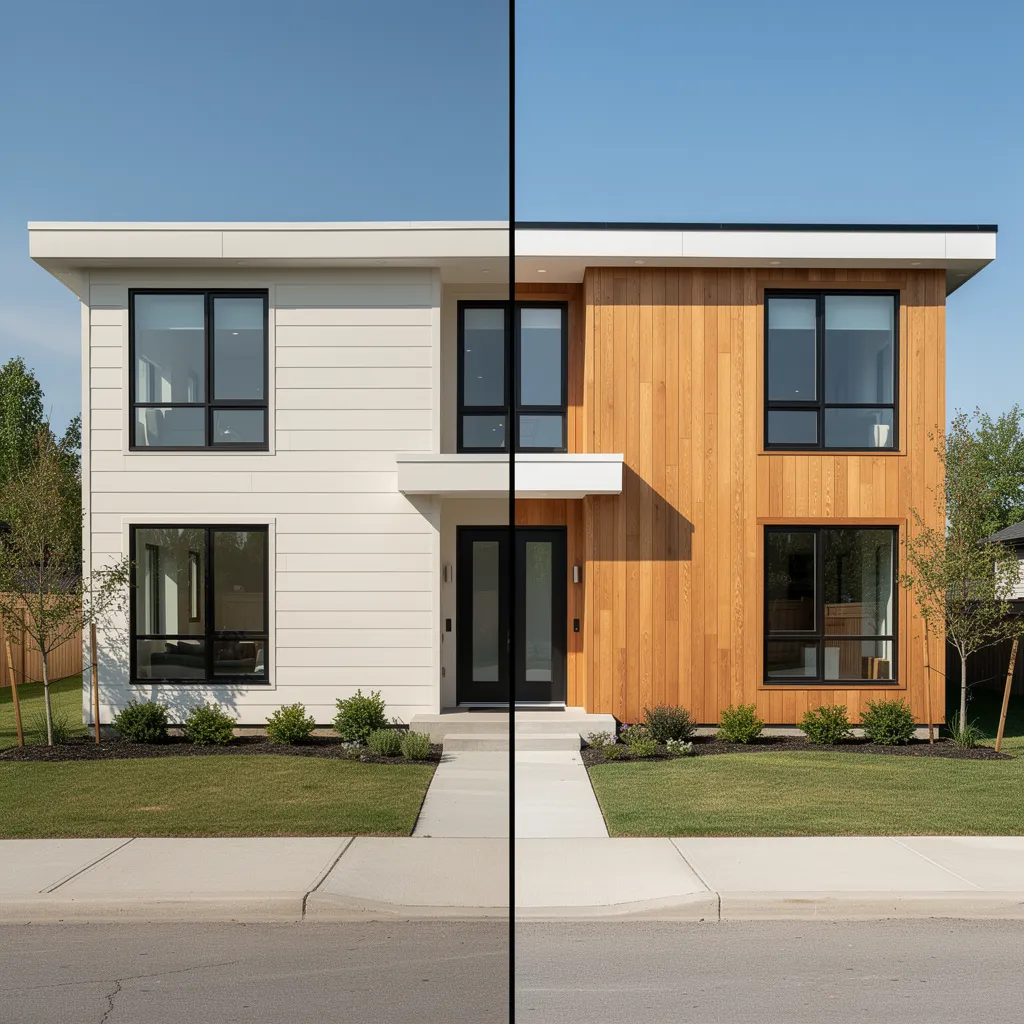
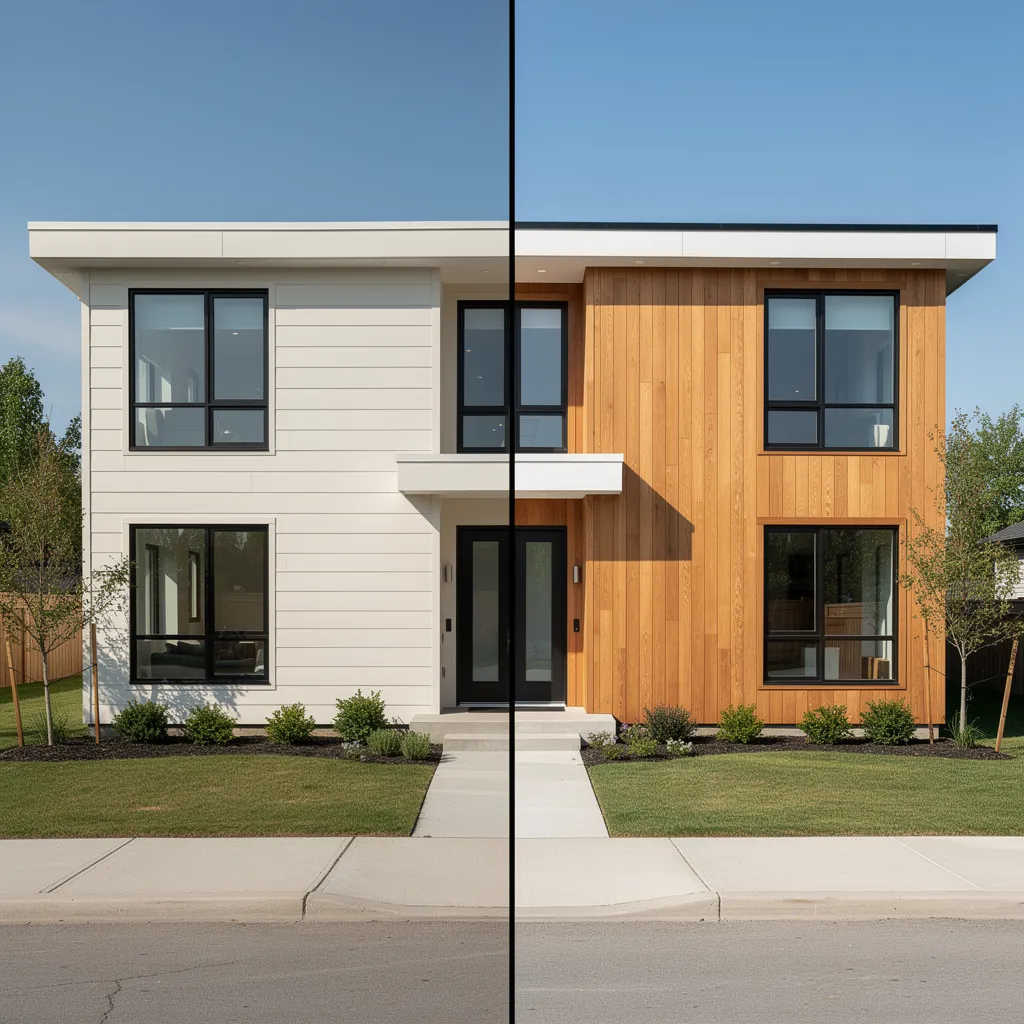
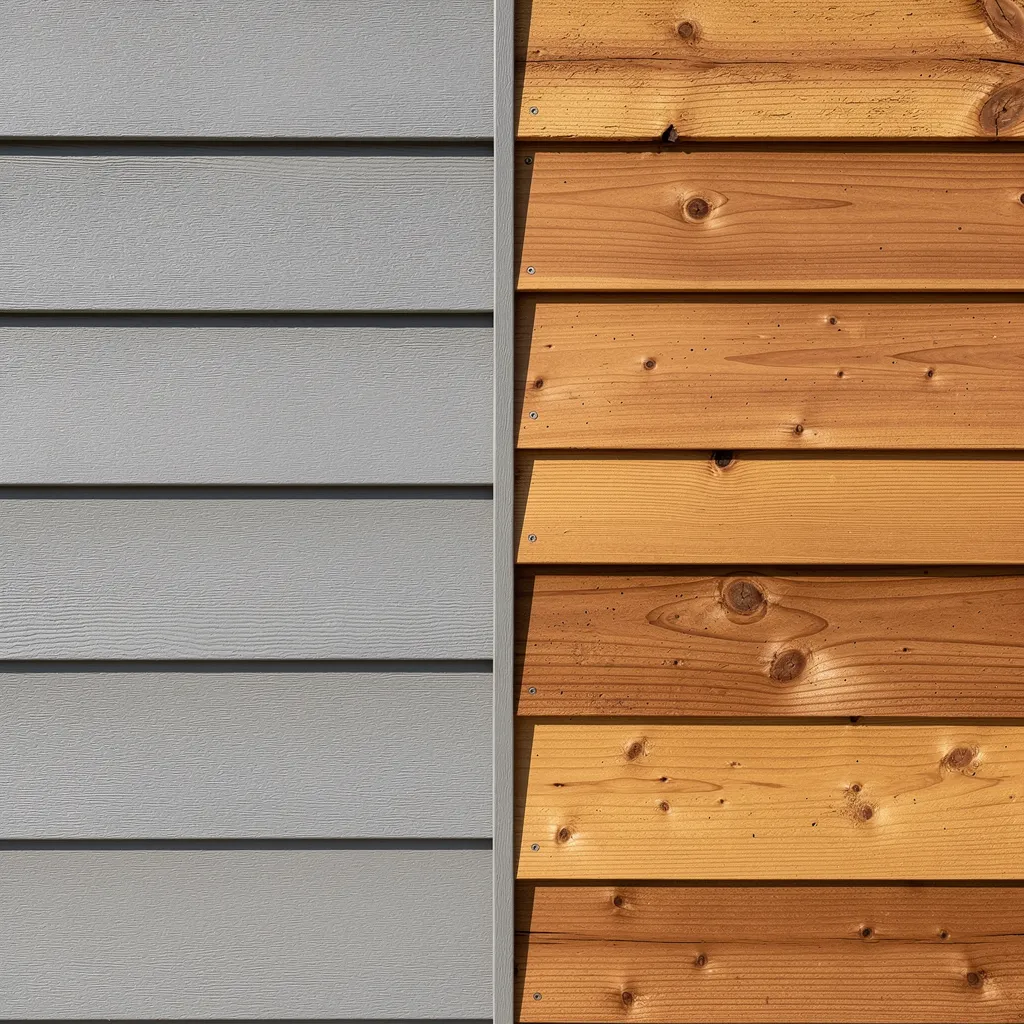
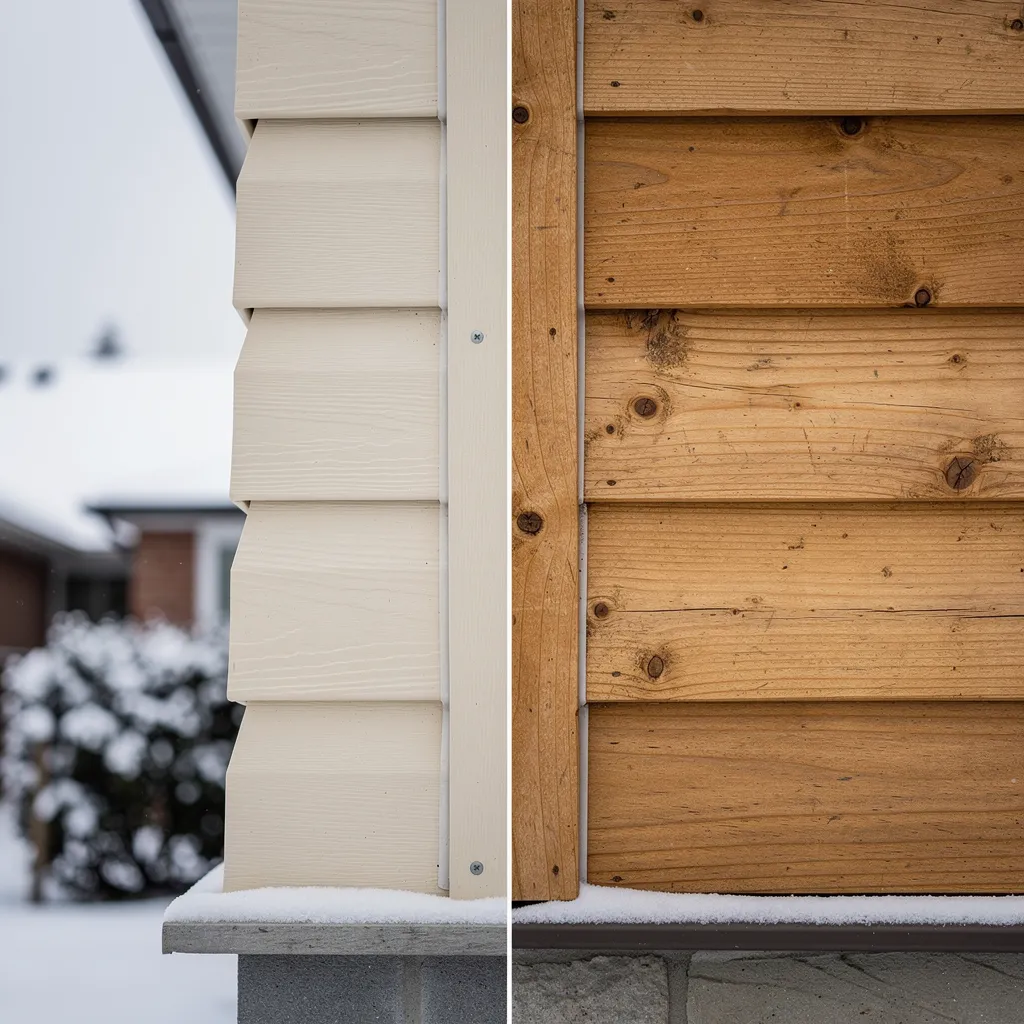
Fiber cement versus natural wood defines the key trade-off: James Hardie siding resists rot, pests, and moisture while requiring minimal upkeep. Wood siding delivers classic character but demands regular painting, sealing, and repair. Homeowners in the GTA gain longer-lasting performance, stable appearance, and lower lifetime maintenance costs by choosing fiber cement over traditional wood
How Do Hardie Board and Wood Siding Compare?
Fiber cement and natural wood diverge in composition, maintenance demands, and long-term performance against Canadian weather. James Hardie siding refers to a specific fiber cement product line manufactured by James Hardie, not a general material category the way wood siding is. That distinction matters for GTA homeowners weighing a cladding upgrade. One option is engineered and the other is a natural, variable product.
Alliance Exteriors Inc., based in North York, Ontario, installs both [Maibec wood siding](https://www.allianceexteriors.ca/services/maibec-wood-siding) and James Hardie fiber cement systems. That dual expertise means homeowners get a genuine side-by-side comparison from a single certified source, rather than piecing together advice from separate contractors who specialize in only one material.
Does one option require less upkeep?
Yes. Fiber cement siding is engineered specifically to reduce the upkeep burden compared with traditional wood siding. Homeowners weighing long-term maintenance costs often find that distinction central to the decision, especially across freeze-thaw cycles typical of the GTA.
For buyers renovating an older property or planning a full exterior upgrade, understanding this structural difference, engineered stability versus natural variability, helps set realistic expectations before materials and finishes are even selected.
Which Material Resists Weather Damage Better?
James Hardie siding outperforms wood siding in nearly every weather-related category. Fiber cement construction resists moisture, rot, and termite damage far more effectively than untreated wood, giving Toronto and North York homeowners a clear advantage against freeze-thaw cycles, humidity swings, and heavy snow loads.
Wood siding tells a different story. Left untreated, wood is prone to rot, moisture intrusion, pest activity, and general weathering. Over time, these vulnerabilities translate into cracked boards, warped panels, and surfaces that no longer shed water the way they should.
Does the installation method affect weather resistance?
Material choice matters, but installation quality determines whether that material performs as designed. Alliance Exteriors Inc. engineers every siding assembly specifically for the demands of Canada's climate, matching system design to the realities of GTA winters and humid summers. Craftsmanship, honest communication, and climate-conscious assembly planning sit at the center of that mission.
How Much Upkeep Does Each Siding Require?
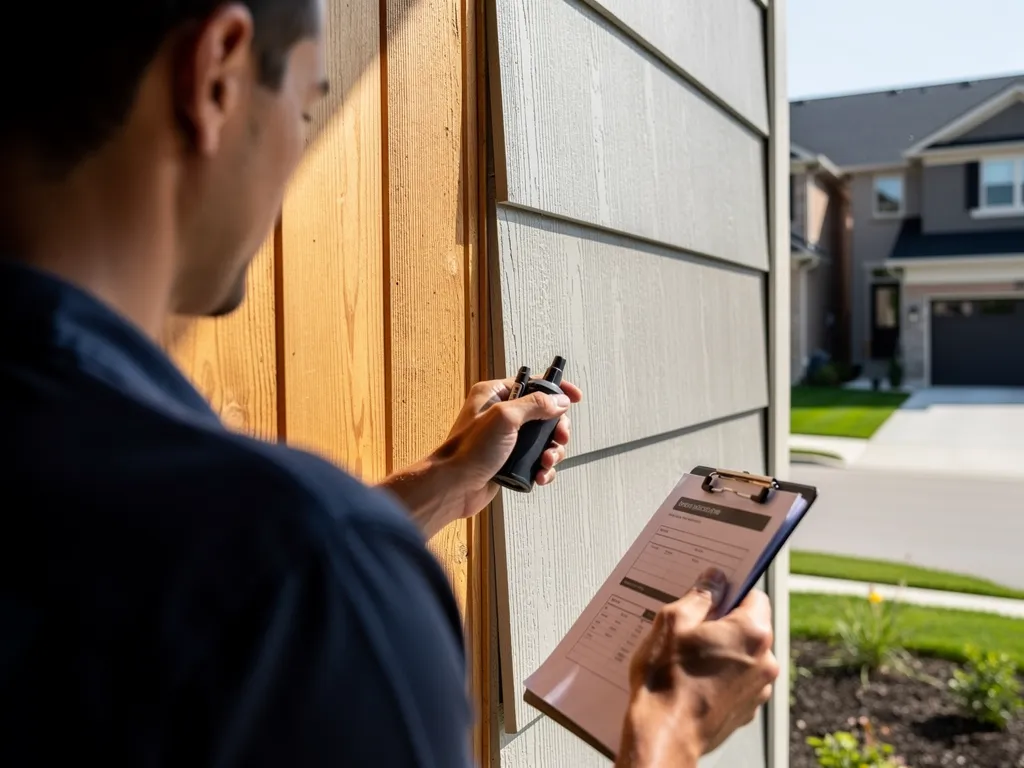
James Hardie fiber cement siding demands far less attention than traditional wood over the life of a home. Engineered to resist warping, cracking, and splitting, it holds its shape and finish through North York's freeze-thaw cycles without constant repair work. That stability translates directly into fewer weekends spent on ladders and less money funneled into touch-up projects.
Wood tells a different story. Wood siding rewards homeowners with rich, natural texture, but that character comes with ongoing obligations. Skip a scheduled repaint or sealing cycle. The material's lifespan drops substantially, opening the door to rot, warping, and pest damage that spreads quietly behind the surface.
Does Maibec wood siding require the same upkeep as standard wood?
Maibec wood siding, when installed professionally, is engineered for sustainability and long-term performance rather than short-lived charm. Alliance Exteriors installs these architectural systems with longevity in mind, pairing natural beauty with construction practices built for Canadian weather. Proper installation reduces some of the maintenance burden typically associated with wood, though periodic care still applies.
What Determines Long-Term Siding Value?
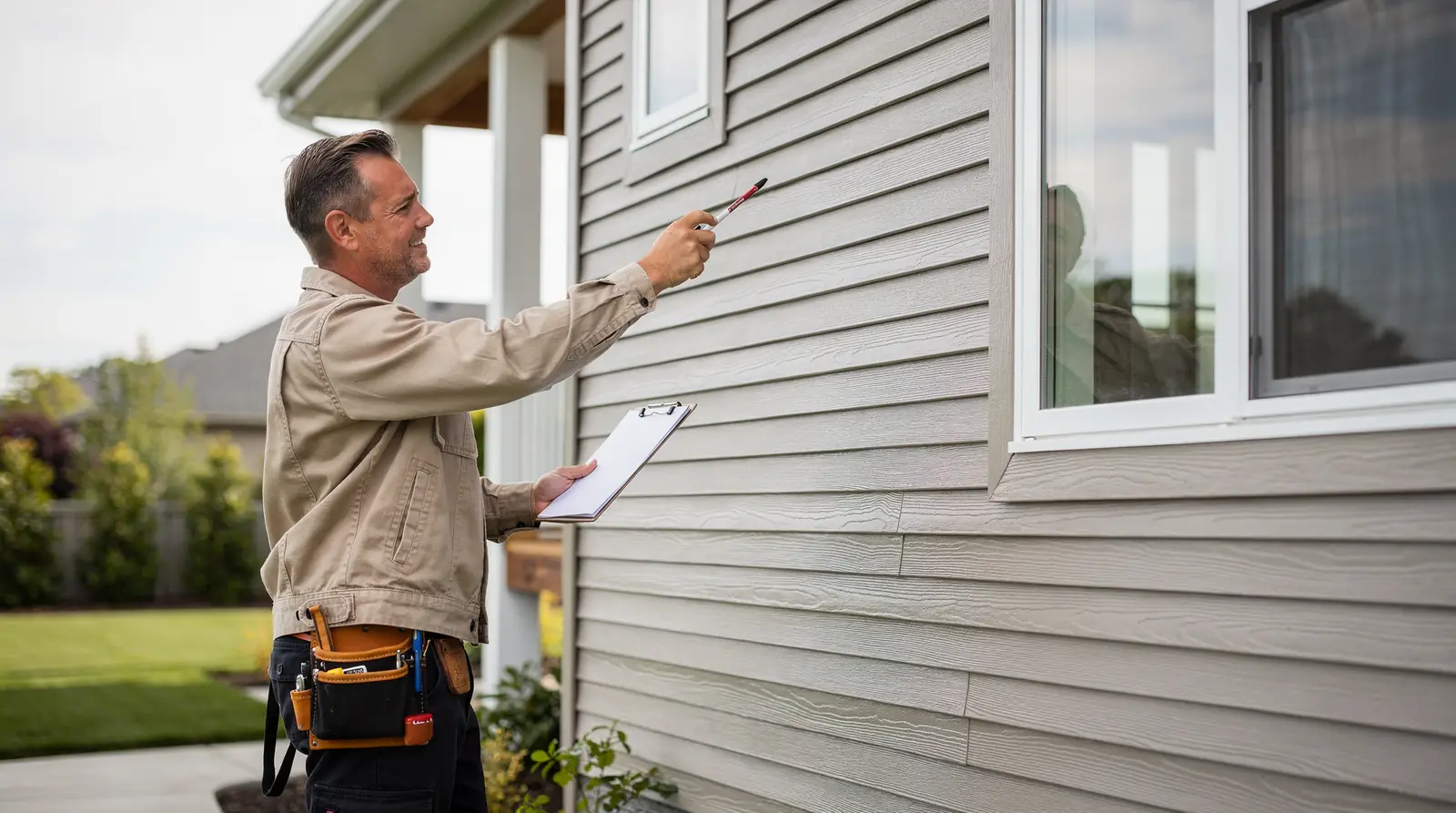
Long-term siding value comes down to three factors: installation quality, material thickness, and manufacturer certification. Material choice matters, but a certified installer protects that investment far more than most homeowners realize. North York properties facing harsh winters. Humid summers need both the right product and the right hands putting it on the wall.
Alliance Exteriors installs every project to manufacturer specifications and local building code, paired with transparent, itemized quotes. That combination matters because skipped steps or vague pricing often surface later as callbacks, water intrusion, or warranty disputes. As a James Hardie Certified Installer, Alliance Exteriors follows installation standards designed specifically to protect the product's warranty and long-term performance.
Does Thickness Really Affect Siding Durability?
Yes, thickness has a direct bearing on how long siding resists impact, warping, and weather stress. James Hardie siding boards average between 5/16. 1/4 inch thick, giving the material substantial structural integrity compared to thinner cladding options. That density helps panels hold their shape through freeze-thaw cycles common across the Greater Toronto Area.
Three factors consistently separate a siding project that holds value from one that doesn't:
- Certified installation: Reduces the risk of voided warranties and moisture-related failures.
- Board thickness: Supports resistance to impact, sagging, and long-term deformation.
- Code-compliant assemblies: Ensures the cladding performs as engineered for Canadian climate conditions.
Alliance Exteriors combines James Hardie certification, climate-ready assemblies, and organized project management on every job across the GTA. For homeowners comparing wood siding against fiber cement, that layered approach, product plus process, is what actually protects resale value and curb appeal over the decades ahead.
Which Siding Is Right for Your Home?
The right choice depends on priorities: low maintenance, classic texture, or long-term protection against Toronto winters. Homeowners weighing key differences between James Hardie siding and wood siding often start with lifestyle questions rather than material specs. A busy household in North York may value a system that resists moisture and holds paint without constant upkeep. A renovator restoring a heritage property might lean toward wood's natural grain despite the added maintenance commitment.
Alliance Exteriors Inc. walks homeowners through this decision using a structured process: design consultation, on-site assessment, professional installation, and a final warranty walkthrough. Each stage builds confidence before a single board goes up.
How does a design consultation help with this decision?
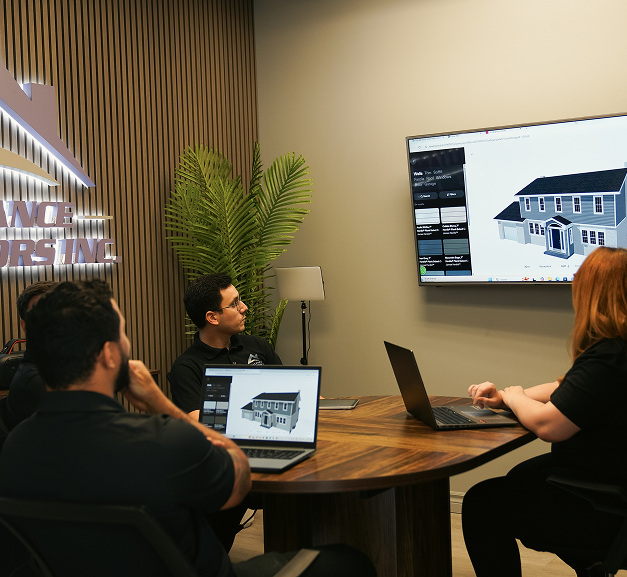
Exterior design consultations include material selection guidance and 3D mockups. These tools let homeowners preview both James Hardie and wood systems on their actual home before committing. Seeing the finished look in advance removes much of the guesswork from a major exterior investment.
Does it matter whether the project is a renovation or new build?
Not for the quality of coordination. Alliance Exteriors works as a dedicated subcontractor for builders on new construction. As a prime contractor for homeowners on renovations. Either way, the team coordinates closely with site supervisors and other trades to keep schedules on track.
Ultimately, most homeowners want the same outcome regardless of material: siding that looks great, protects the structure, and avoids becoming a recurring maintenance project. Consider the following before deciding:
- Desired maintenance commitment over the next decade
- Architectural style of the home
- Tolerance for repainting, staining, or sealing cycles
- Long-term performance expectations for the GTA climate
A guided consultation turns these considerations into a confident, informed choice.
FAQ
What is the main difference between James Hardie and wood siding?
James Hardie siding is an engineered fiber cement product that resists rot, pests, and moisture with minimal upkeep. Wood siding offers classic character but requires regular painting, sealing, and repair to stay sound.
Does James Hardie siding hold up better in the GTA climate than wood?
Yes, fiber cement resists moisture, rot, and termite damage far more effectively than untreated wood. This gives GTA homeowners a clear advantage against freeze-thaw cycles, humidity swings, and heavy snow loads.
Who installs both James Hardie and wood siding in North York?
Alliance Exteriors Inc., based in North York, Ontario, installs both Maibec wood siding and James Hardie fiber cement systems. This dual expertise lets homeowners get a genuine side-by-side comparison from one certified source.
Conclusion
In closing, the choice between James Hardie and wood siding hinges on your priorities: durability and minimal maintenance versus traditional aesthetics and natural warmth. James Hardie delivers engineered performance and longevity, while wood offers timeless character at the cost of ongoing care. Both serve Canadian climates well when properly installed and maintained. Your decision ultimately reflects how you balance long-term value against the appeal. Upkeep each material demands for your home's exterior.