Finding Solutions for Siding Issues Post-Installation: A Guide
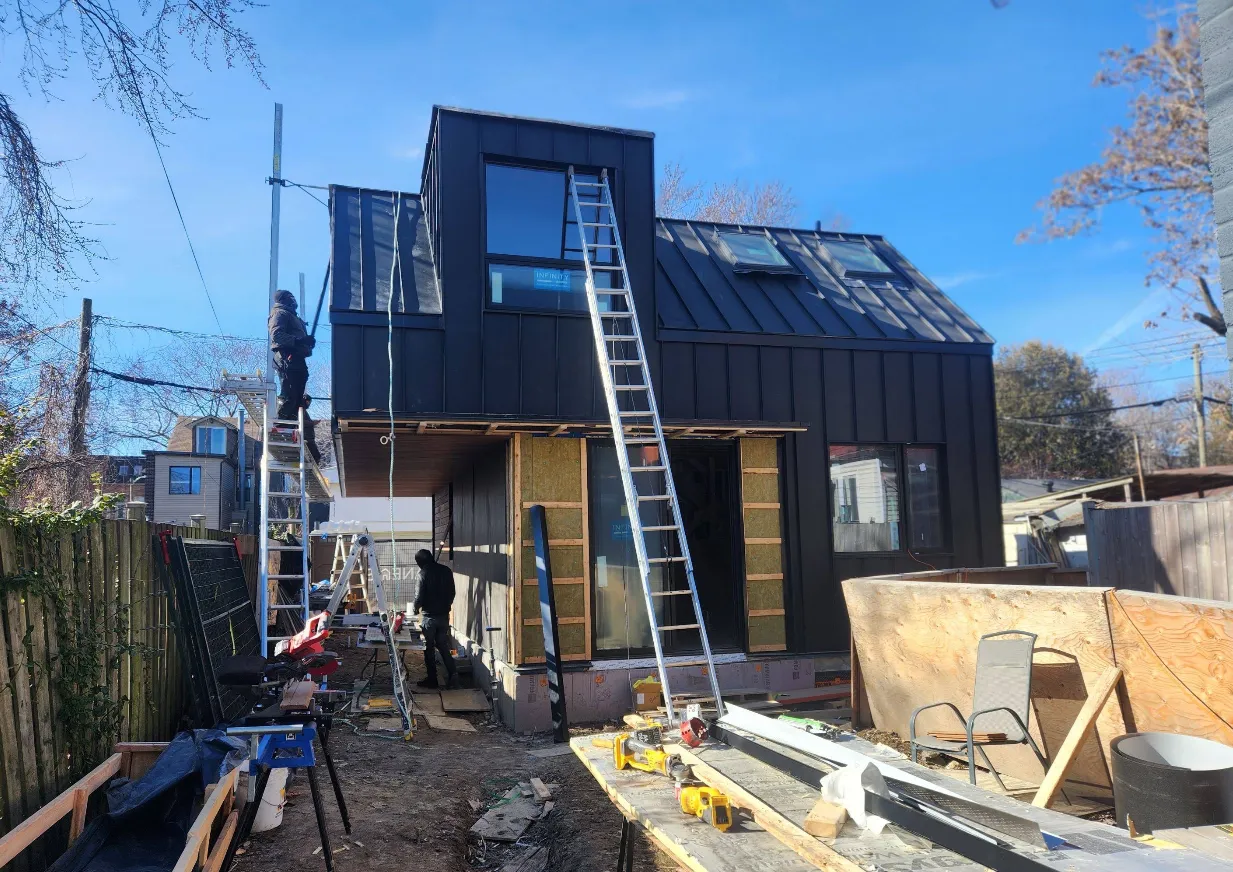
Homeowners discovering siding issues after installation should first document all visible problems with photos and notes, asking themselves: What Should I Do if I Experience Siding Problems After Installation? Contact the original installer immediately to review warranty coverage and schedule an inspection. Alliance Exteriors Inc., a James Hardie Certified Installer, provides 5- and 10-year workmanship warranties on completed work, ensuring professional resolution of any post-installation concerns.
What counts as a real siding defect?
A real siding defect is a visible installation error or material failure that compromises the home's weather barrier. Alliance Exteriors Inc. defines these as conditions that let water penetrate behind the cladding or that indicate structural fastening has failed. Homeowners who ignore these signs risk moisture damage that spreads behind walls long before interior stains appear.
What do uneven or wavy panels indicate?
Uneven, crooked, or wavy panels signal improper installation. According to My All Weather Exteriors, this pattern ranks among the most common signs of poor siding workmanship. The defect typically traces back to fasteners driven at incorrect angles or panels forced into position rather than hung to allow natural expansion. A straight edge held along the wall reveals deviations that the eye catches as shadow lines.
How can homeowners spot nailing and fastening problems?
Improper nailing and fastener placement creates multiple failure points. Nails driven too deep puncture the siding face and eliminate the panel's ability to move with temperature swings. Fasteners set too shallow leave panels loose and rattling in wind. My All Weather Exteriors identifies this as a distinct installation mistake separate from alignment issues. The result appears as popped nail heads, dimpled surfaces, or panels that lift away from the wall plane.
Gaps between siding pieces represent another defect category. These openings form where installers butted panels too tightly or failed to seat interlocking edges correctly. Water enters through even narrow separations. Flashing defects and weather barrier issues compound the problem. My All Weather Exteriors explains that water gets behind siding when flashing is missing at window heads, corner boards, or horizontal transitions. A homeowner inspecting from the ground can spot missing kickout flashing at roof-to-wall intersections or gaps where siding meets trim without a visible metal lip.
Alliance Exteriors Inc. focuses exclusively on exterior systems and holds James Hardie Certified Installer status. This specialization means every installation follows manufacturer specifications that prevent these defects. The company's workmanship warranties cover precisely these failure types, giving Toronto and GTA homeowners a clear path to resolution when siding problems after installation appear. A professional inspection distinguishes between normal material movement and genuine defects requiring correction.
How do I document the issue properly?
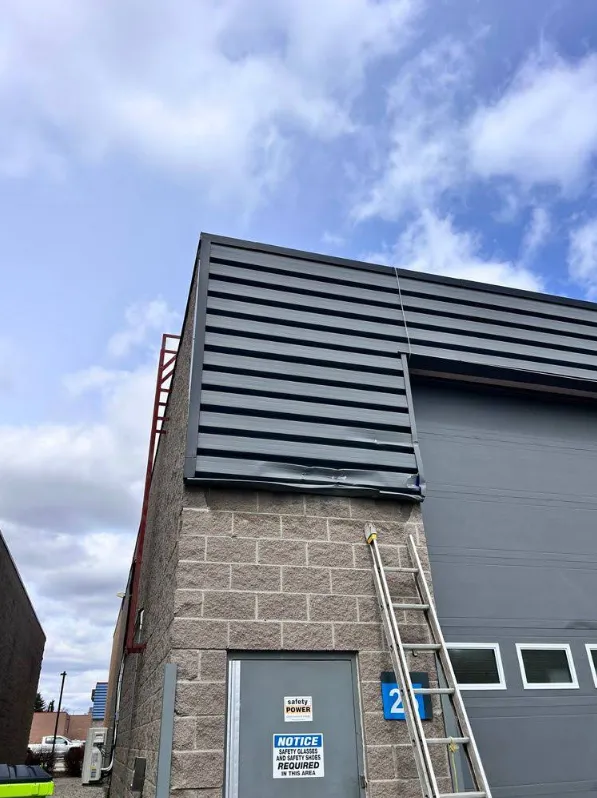
Proper documentation begins with clear photographs and written notes. A homeowner who records details immediately creates a record that speeds up warranty claims and professional assessments.
What should a homeowner photograph first?
Start with wide shots that show the entire affected wall. Then capture close-ups of the specific problem area. Alliance Exteriors Inc. is a siding and exterior cladding specialist serving North York and the Greater Toronto Area. A stain below a window, a loose panel, or a widening gap is a reason to call a professional, according to American Eagle Builders. These images help the company's team understand the scope before arriving on site.
What written details matter most?
Note the date the problem first appeared. Record any recent weather events that may have contributed to the issue. Document which wall exposure faces the damage. Alliance Exteriors Inc. is a Toronto-based siding and exterior cladding specialist serving North York and the Greater Toronto Area. This information connects the visible problem to its likely cause.
Follow these steps to build a complete record:
- Photograph storm damage before anyone touches the affected area.
- Write down the installation date and the siding material type.
- Keep warranty papers together with the photos and notes.
- Mark the exact location on a simple sketch of the home's exterior.
American Eagle Builders emphasizes that homeowners should photograph storm damage before anyone touches it and keep warranty papers together. A well-organized file eliminates delays when the company reviews the claim. Homeowners who skip documentation risk losing warranty coverage for preventable reasons. The company's process moves faster when clients present organized evidence from the start.
Regular inspections catch small problems before they spread. Alliance Exteriors Inc. offers guidance on how to spot weather-related cladding issues before they become costly repairs.
What does my warranty actually cover?
A siding warranty is not a single document. Homeowners receive two distinct protections after installation: a workmanship warranty from the installer and a material warranty from the product manufacturer. Confusing the two leads to frustration when problems arise.
What is the difference between a workmanship warranty and a material warranty?
The workmanship warranty covers installation quality. Alliance Exteriors Inc. provides 5- and 10-year workmanship warranties on completed projects. This protection addresses errors in how the siding was fastened, aligned, and integrated with flashing and weather barriers. The material warranty covers product defects. Manufacturers like James Hardie warrant their fiber cement siding against manufacturing flaws, delamination, and premature degradation. A cracked panel caused by a factory defect falls under the material warranty. A cracked panel from overdriven fasteners falls under workmanship.
How does certified installation affect warranty coverage?
Certification matters. Alliance Exteriors Inc. holds James Hardie Certified Installer status. This credential confirms installations follow manufacturer specifications and local building code requirements. Non-certified work risks voiding the manufacturer's material warranty. Homeowners lose that protection without ever knowing it was compromised. The company's certified status keeps both warranty layers intact.
Warranty documentation arrives at the final walkthrough. Homeowners receive written terms for both coverage types. Filing a claim requires understanding which warranty applies. A loose panel six months after installation triggers the workmanship warranty. Fading or chalking years later likely falls under the material warranty, if covered at all.
How do I contact Alliance Exteriors for help?
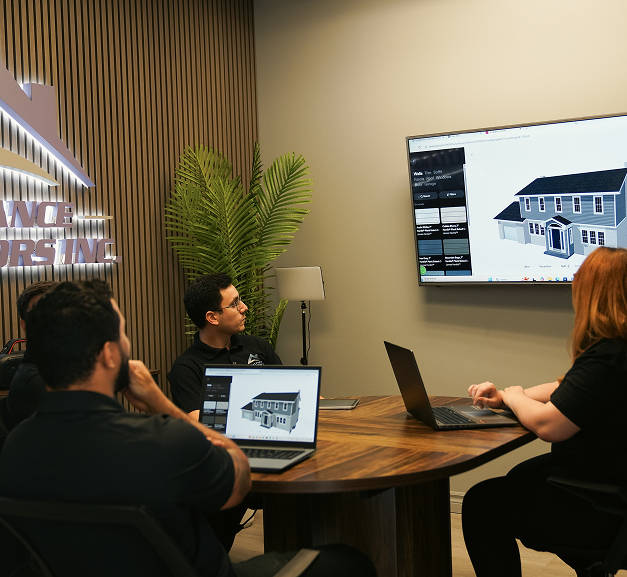
Alliance Exteriors Inc. resolves post-installation siding concerns through a structured, client-focused process. Homeowners across the GTA, including Toronto, North York, and Oakville, receive direct support from the company's specialized team. The first step is contacting customer care with project details and photos. This documentation allows the team to assess the issue before scheduling any site visit.
What information should I prepare before calling?
Gather the original project date, the siding material installed, and clear photographs of the problem area. Note when the issue first appeared and any weather conditions that preceded it. This preparation speeds up diagnosis and eliminates unnecessary back-and-forth.
The company then arranges an on-site assessment with a transparent quote. A technician inspects the siding, identifies the root cause, and explains the required repair scope. No work proceeds without the homeowner's written approval and a clear understanding of costs.
Does Alliance Exteriors provide warranty support after installation?
Every completed project includes a final walkthrough with warranty documentation. The company backs its workmanship with 5- and 10-year warranties, depending on the scope. Material defects fall under the manufacturer's warranty, and the team helps clients navigate those claims. For common questions about coverage periods and what each warranty includes, the company's frequently asked questions page offers detailed answers.
- Contact customer care with your project address, installation date, and photos of the concern.
- Receive a preliminary assessment and schedule an on-site inspection.
- Review the technician's findings and approve the transparent repair quote.
- Complete the repair and conduct a final walkthrough to confirm resolution.
Prompt reporting prevents minor defects from escalating into water damage or structural issues. Delaying a call risks voiding warranty coverage and increasing repair costs.
What happens during the professional resolution?
Professional siding problem resolution follows a structured, documented sequence. Alliance Exteriors begins with a thorough on-site assessment to identify the root cause of the issue. The inspection examines panel alignment, fastener placement, flashing integrity, and weather barrier condition. Every finding is photographed and logged.
The resolution process then moves through these steps:
- Diagnose the root cause. Technicians determine whether the problem stems from material defect, installation error, or environmental stress. This diagnosis dictates the repair approach.
- Document findings and scope. The team prepares a detailed report with photos and a written scope of work. Homeowners receive this documentation before any work begins.
- Execute targeted corrections. Typical resolution steps include targeted adjustments, panel re-securing, and sealant touch-ups. Each correction addresses the specific failure point without disturbing unaffected areas.
- Verify weather resistance. After repairs, the installation undergoes a water management check. Ensuring continued weather resistance and factory warranty compliance is a key goal of every service visit.
- Conduct a final walkthrough. The project lead reviews all completed work with the homeowner, confirms satisfaction, and provides updated warranty documentation.
How does the company coordinate with other trades during repairs?
Siding issues sometimes involve adjacent systems like roofing, windows, or flashing. Alliance Exteriors coordinates smoothly with site supervisors and other trades during builder projects. The company manages scheduling so that interdependent repairs happen in the correct sequence. This coordination prevents gaps in the building envelope and eliminates finger-pointing between contractors.
What quality standards guide the repair work?
Alliance Exteriors delivers professional craftsmanship, honest communication, and durable results engineered for Canada’s climate. Repairs follow manufacturer specifications and local building code requirements. The company’s specialization in exterior cladding means technicians bring deep material knowledge to every correction. Workmanship warranties of 5 and 10 years back the completed repairs, giving homeowners documented assurance that the fix will last.
FAQ
What should I do first if I notice siding problems after installation?
Document all visible problems with photos and notes, then contact the original installer immediately to review warranty coverage and schedule an inspection.
How do I properly document the siding issue?
Start with wide shots showing the entire affected wall, then capture close-ups of the specific problem area to speed up warranty claims and professional assessments.
What warranty coverage does Alliance Exteriors provide for post-installation issues?
Alliance Exteriors Inc. provides 5- and 10-year workmanship warranties on completed work, ensuring professional resolution of any post-installation concerns.
Conclusion
Following these steps protects the investment in the home’s exterior. Prompt reporting and professional resolution prevent minor defects from escalating into costly structural damage. Homeowners who document issues, contact the installer, and approve a transparent repair scope receive durable corrections backed by workmanship warranties. This structured approach delivers lasting results and preserves the home’s value.