Why Choose James Hardie Siding for Your North York Home?
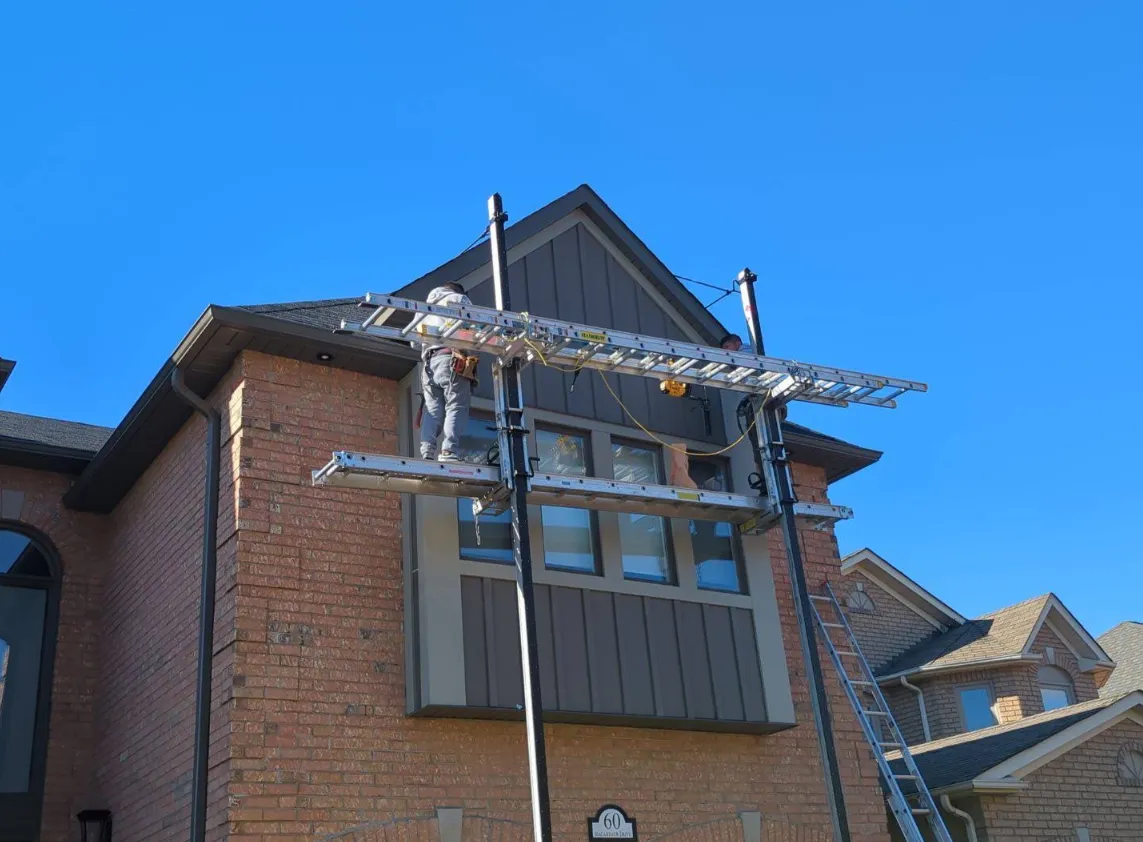
James Hardie siding in North York provides homeowners with North America’s #1 brand of fiber cement, engineered for resilience against GTA weather extremes. Alliance Exteriors Inc., a James Hardie Certified Installer, delivers professional installation that meets manufacturer specifications, ensuring lasting durability and clean finishes that protect property value.
What Makes James Hardie Siding a Better Choice for My Home in North York?
James Hardie fiber cement siding holds the position of North America's #1 siding brand, a ranking confirmed by industry analysis. The answer starts with its engineered composition. Fiber cement combines cellulose fibers, cement, and sand into a cladding that resists the freeze-thaw cycles, humidity, and wind-driven rain common to North York's climate. Wood siding swells and rots. Vinyl warps and cracks. Hardie siding maintains its dimensional stability through decades of seasonal extremes.
The material's fire resistance adds another layer of protection. Hardie fiber cement products achieve a Class A fire rating when tested to ASTM E84 standards. For North York homeowners, this noncombustible cladding reduces the risk of flame spread from external sources. That performance translates directly into long-term property resilience.
How Does Professional Installation Affect Hardie Siding Performance in North York?
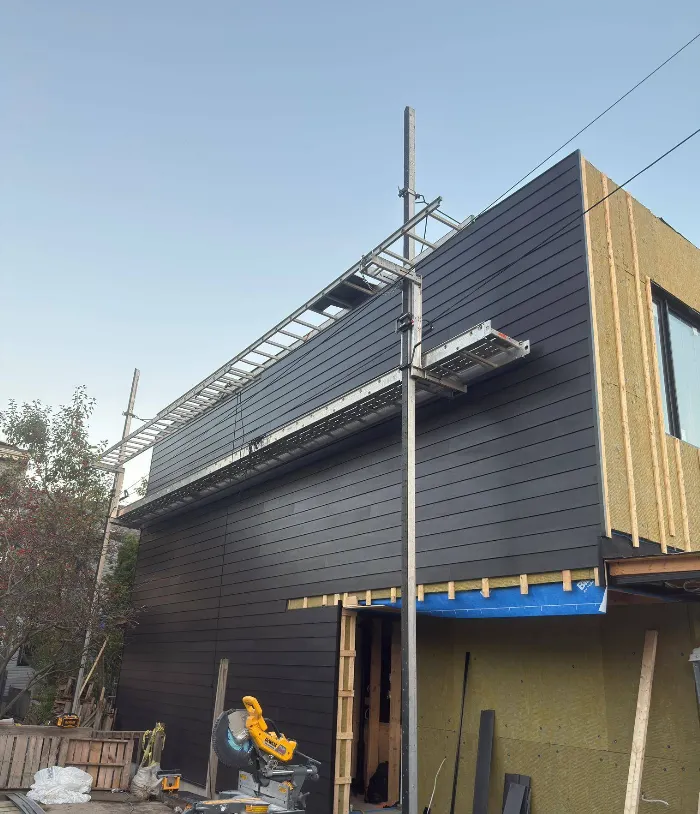
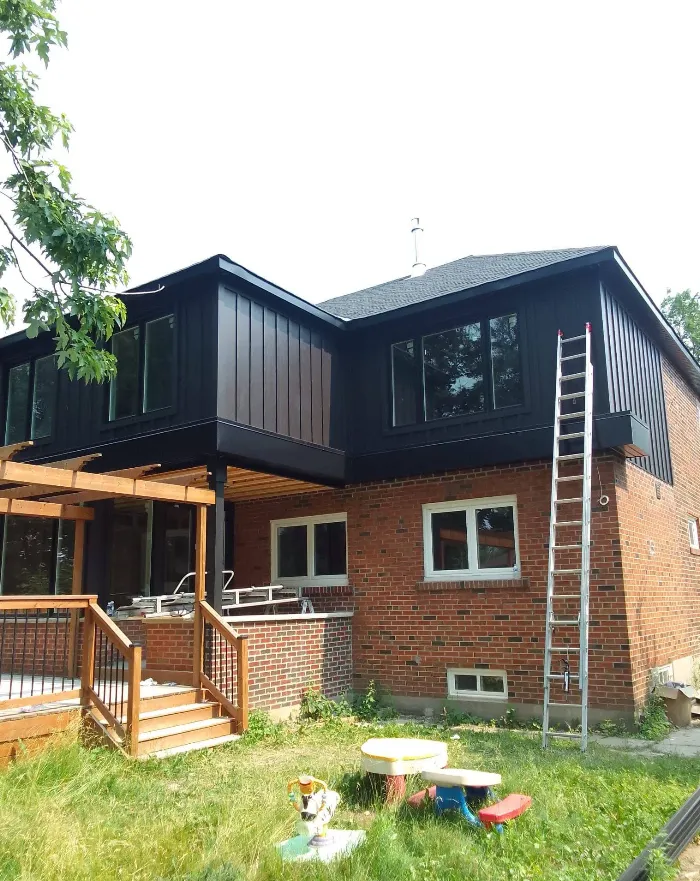
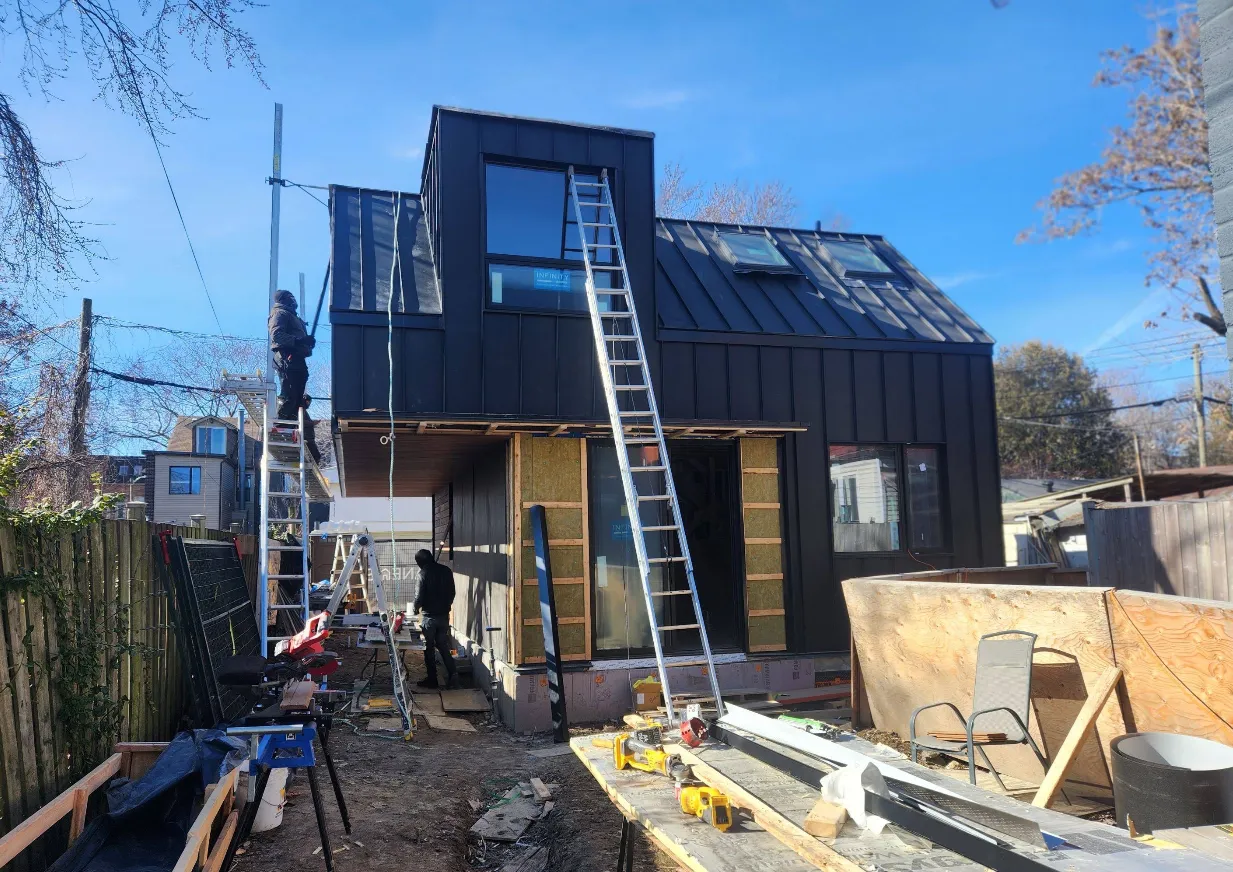
Installation quality determines whether the siding delivers its rated lifespan. Alliance Exteriors Inc. operates as a James Hardie Certified Installer, a credential that requires demonstrated proficiency with the manufacturer's fastening patterns, joint flashing, and clearance specifications. The company focuses exclusively on exterior systems. This specialization means every crew member understands how Hardie siding interacts with North York's weather barriers, insulation layers, and trim details. A general contractor who installs siding occasionally cannot match that depth of repetition and diagnostic skill.
What Climate-Specific Benefits Does Fiber Cement Offer North York Homes?
North York endures temperature swings across winter and summer. These shifts cause inferior cladding to expand, contract, and eventually fail at seams. Hardie siding's low thermal expansion coefficient keeps joints tight. The material also resists moisture intrusion, a critical advantage during spring thaws and heavy rainfall. A structured James Hardie consultation helps homeowners match the right product profile and finish to their specific exposure conditions. The result is a cladding system engineered for durability rather than a one-size-fits-all application.
Why Does Certified Installation Matter for Warranty Protection?
James Hardie backs its products with a comprehensive non-prorated warranty. That warranty's validity depends on installation that follows the manufacturer's published requirements. A certified installer documents every step, from fastener type to clearance gaps. Alliance Exteriors Inc. provides this documentation as a standard part of its closeout process. North York homeowners receive both the manufacturer's material warranty and the installer's workmanship guarantee. The dual coverage protects against material defects and installation errors alike.
How Does Fiber Cement Handle North York's Freeze-Thaw Cycles?
Fiber cement siding resists freeze-thaw damage through a stable, non-porous composition. North York winters subject exterior cladding to repeated expansion and contraction as temperatures swing above and below zero. Materials that absorb moisture crack, warp, or delaminate under these stresses. Fiber cement does not.
Why Doesn't Fiber Cement Absorb Water Like Wood Siding?
Wood siding acts like a sponge in wet conditions. It takes on moisture during rain or snow, then freezes solid when temperatures drop. The ice expands inside the wood fibers, creating hairline fractures that widen with every cycle. Fiber cement, by contrast, is engineered from Portland cement, sand, and cellulose fibers. The cement matrix locks out bulk water intrusion. James Hardie siding products carry a Class A fire rating when tested in accordance with ASTM E84, a standard that also confirms the material's dimensional stability under extreme conditions. That stability translates directly to freeze-thaw performance. A panel that does not swell with moisture has nothing to fracture when ice forms.
What Role Does the Weather Barrier Play in Freeze-Thaw Protection?
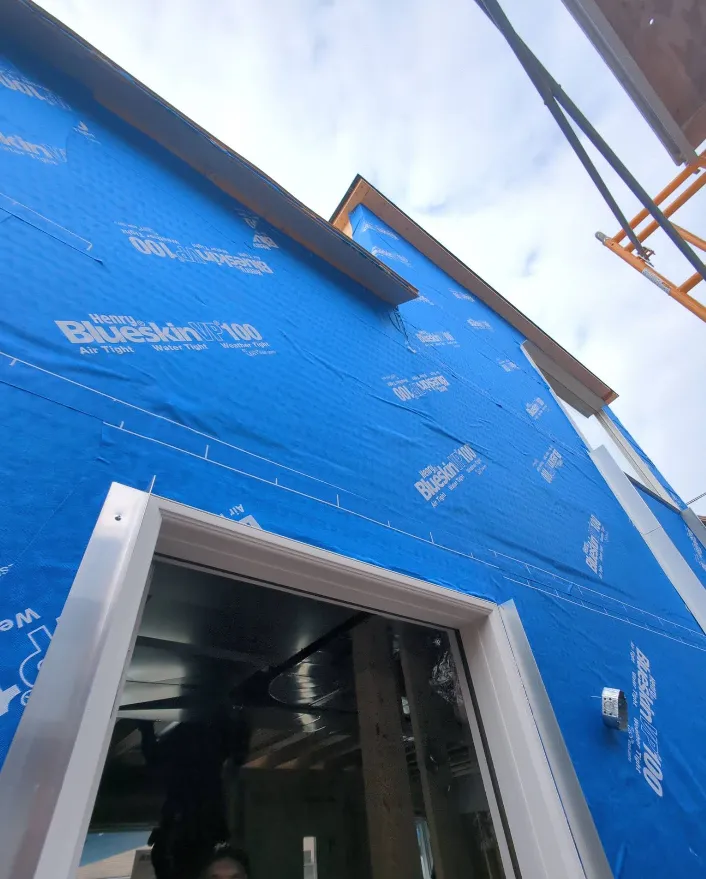
The siding itself is only one layer of defense. A properly installed weather barrier blocks moisture, drafts, and heat transfer before they reach the wall cavity. Alliance Exteriors integrates weather barrier and insulation installation into every fiber cement project. This protective shield stops wind-driven rain and condensation from saturating the sheathing behind the siding. Added insulation improves energy efficiency and keeps the wall assembly warmer, reducing the number of freeze-thaw cycles the cladding actually experiences. Fewer cycles mean less mechanical stress on the siding over decades of North York winters.
**** The material's resistance to moisture-driven deterioration is central to the answer. Hardie fiber cement siding provides a horizontal wooden panel look and is available in many popular colors and styles, including smooth, wood-textured, and beaded lap profiles. Homeowners gain the aesthetic warmth of traditional wood without the maintenance burden that freeze-thaw cycling imposes on natural timber. For a deeper look at how this material performs across seasons, the company's analysis of James Hardie siding durability in harsh Canadian weather examines moisture, fire, and pest resistance in detail.
Is James Hardie Siding Safer Against Fire and Pests?
James Hardie fiber cement siding delivers measurable fire resistance that combustible cladding materials cannot match. The product complies with ASTM E136 as a noncombustible cladding, a classification that directly reduces structural vulnerability during exterior fire events. For North York homeowners, this distinction carries weight. Embers from a neighboring property fire or a backyard spark can ignite vinyl or wood siding within seconds. Fiber cement does not ignite. That single property buys critical minutes for emergency response and often determines whether a home survives.
How Does Fiber Cement Stop Flame Spread?
The material's composition explains its performance. James Hardie siding combines cement, sand, and cellulose fibers into a dense, mineral-based board. No petroleum-based resins or combustible binders are present. When exposed to flame, the board does not burn, melt, or contribute fuel to a fire. This behavior contrasts sharply with vinyl siding, which softens and drips at relatively low temperatures, and wood siding, which sustains combustion independently.
A critical limitation exists, however. Fiber cement fire resistance does not extend to applied paints or coatings, which may be damaged or char when exposed to flames. The underlying board remains intact, but surface finishes require inspection after any heat exposure.
What About Pest and Insect Resistance?
Fiber cement offers no organic food source for wood-boring insects. Termites and carpenter ants target cellulose in natural wood siding, tunneling through structural material and compromising wall assemblies over time. James Hardie siding eliminates that risk entirely. The cement matrix resists boring and nesting, a permanent advantage that requires no chemical treatment or ongoing pest management. In North York neighborhoods with mature tree canopies and higher insect pressure, this resistance prevents the gradual, hidden damage that wood siding deterioration often conceals until repair costs escalate.
Installation quality amplifies these protective properties. Properly installed fiber cement with integrated weather barriers creates a sealed envelope that denies pests entry points while maintaining the noncombustible assembly specified by code. Completed work supported by 5- and 10-year workmanship warranties reinforces long-term performance and peace of mind for property owners who prioritize both safety and durability.
What Maintenance Does Hardie Siding Require in North York?
James Hardie siding demands far less upkeep than natural wood, yet North York homeowners still benefit from a simple annual routine. Skipping basic care allows dirt, mildew, and winter salt residue to degrade the finish over time. A neglected exterior loses curb appeal and invites moisture damage that shortens the cladding's service life.
How Often Should Hardie Siding Be Cleaned in North York?
A gentle wash once per year removes the grime that accumulates through freeze-thaw cycles and road spray. North York's spring season provides the ideal window. Homeowners use a soft brush, a garden hose, and mild soapy water. Pressure washers risk forcing water behind the planks and voiding the manufacturer's warranty.
What Makes Hardie Siding Lower Maintenance Than Wood?
The material resists the warping, rotting, and insect damage that plague natural wood in Ontario's humid summers. Hardie® shingle siding delivers a cedar-shake appearance without the cyclical scraping, staining, and sealing that wood requires. Hardie® lap siding comes in smooth, wood texture, and beaded styles, and it arrives primed and ready to paint in the homeowner's chosen color. Factory-applied finishes lock in color for years before a recoat becomes necessary.
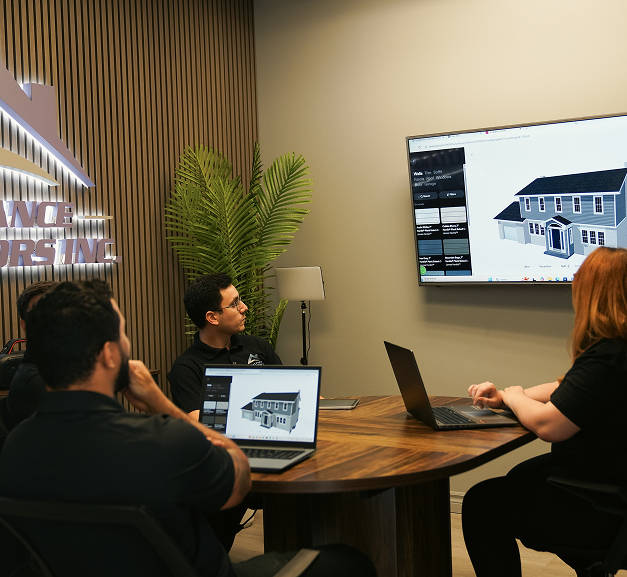
A proper maintenance plan also includes inspecting caulk joints and flashing each fall. Catching a small gap before winter ice expands it prevents costly sheathing repairs. For a detailed walkthrough of cleaning methods and safe products, consult a comprehensive siding maintenance guide that covers seasonal care. Alliance Exteriors provides exterior design consultations with material selection guidance and 3D mockups, helping North York property owners visualize low-maintenance cladding options before installation begins.
Why Choose a Certified Installer for Your North York Home?
A certified installer brings specialized siding expertise that general contractors cannot match. **** The answer starts with installation quality, because even premium fiber cement products underperform when installed incorrectly. North York homeowners lose thousands in premature repairs when siding fails due to improper fastening, inadequate weather barriers, or code violations that void manufacturer warranties.
What does a siding specialist do differently than a general contractor?
A siding specialist focuses exclusively on exterior cladding systems. Alliance Exteriors dedicates its entire operation to siding and cladding rather than splitting attention across kitchens, bathrooms, and basements. This narrow focus builds deep material knowledge. The company understands how James Hardie fiber cement behaves during North York's freeze-thaw cycles, how Maibec wood siding acclimates to seasonal humidity shifts, and how metal cladding expands and contracts across Toronto's temperature swings. General contractors rarely develop this depth across so many material types.
How does certified installation protect a North York home's warranty?
Manufacturer warranties hinge on proper installation. Alliance Exteriors performs every installation to manufacturer specifications and local building code. The company provides transparent, itemized quotes so homeowners and builders see exactly what materials and labor each project requires. Consistent communication throughout the project eliminates surprises. When a certified installer follows prescribed fastening patterns, clearance gaps, and flashing details, the manufacturer stands behind the product. When shortcuts occur, the warranty evaporates, and the homeowner absorbs the full cost of future failures.
The company serves homeowners, custom home builders, and general contractors across North York and the Greater Toronto Area. Organized project management keeps schedules predictable. Precise execution delivers clean lines and weather-tight assemblies. For North York properties facing driving rain, ice damming, and intense UV exposure, certified installation transforms good materials into lasting exterior protection.
FAQ
What makes James Hardie siding better for North York’s climate?
Fiber cement resists freeze-thaw cycles, humidity, and wind-driven rain. Its low thermal expansion coefficient keeps joints tight through seasonal extremes.
Why does certified installation matter for my siding?
Alliance Exteriors Inc. is a James Hardie Certified Installer. This credential ensures installation meets manufacturer specifications for fastening, flashing, and clearance.
How does Hardie siding protect my home from fire?
This noncombustible cladding reduces flame spread risk.
Conclusion
For North York homeowners, choosing James Hardie siding means selecting a material engineered for the climate, but the decision only delivers lasting value when paired with certified installation. A specialist installer ensures every board, flashing, and weather barrier meets manufacturer specifications, protecting the warranty and the home’s envelope. The next step is scheduling a consultation to review material options and receive a transparent, itemized quote tailored to the property.