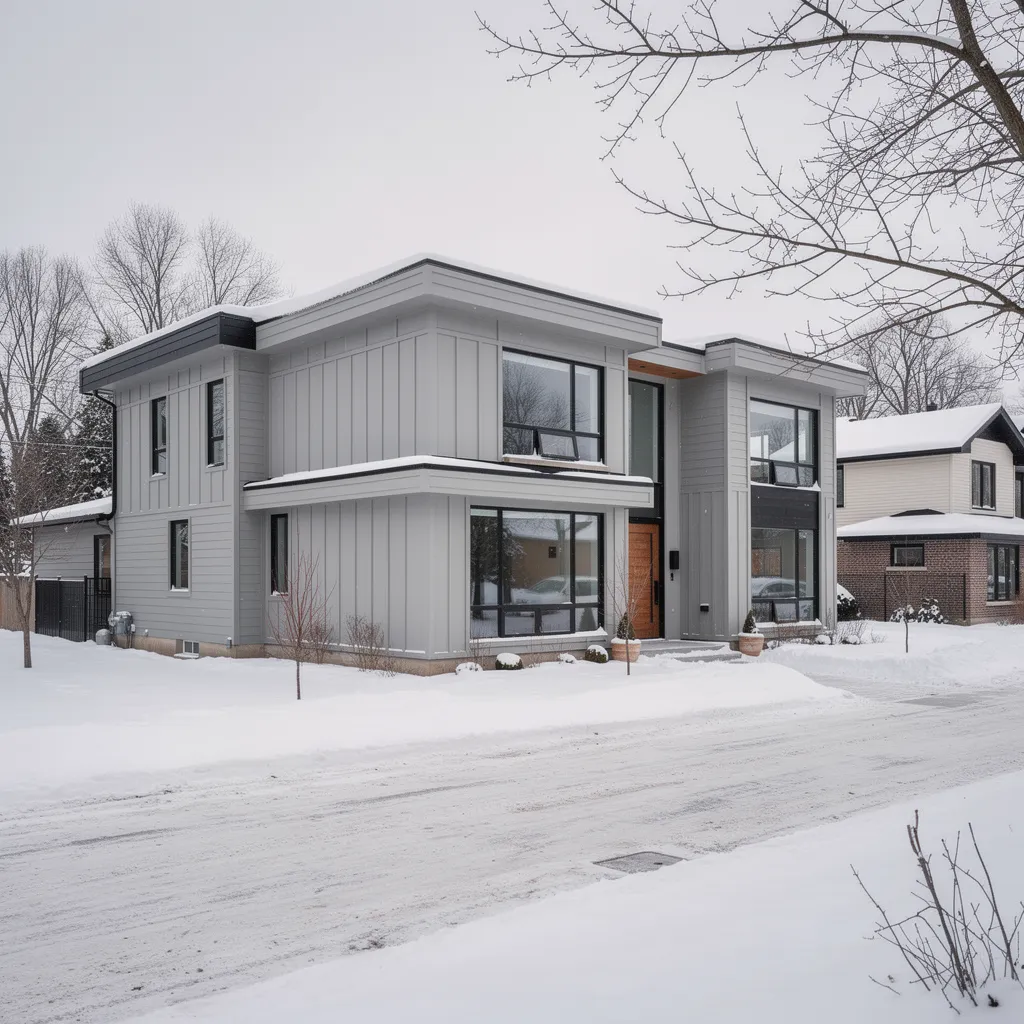
How to Maintain Your James Hardie Siding

How to Maintain Your James Hardie Siding: Expert Fiber Cement Siding Care Guide

Regular maintenance of James Hardie fiber cement siding preserves both durability and appearance. This guide presents established best practices for siding care so it performs reliably for years. Homeowners commonly face maintenance challenges from environmental exposure and normal wear. Following the recommended strategies protects your investment and improves curb appeal. The guide covers cleaning methods, safe products, cleaning frequency, repair strategies, common issues to monitor, and long‑term maintenance practices.
The inherent durability of fiber cement materials, particularly the fibers used, is a key factor in their long service life.
Fiber Cement Siding Durability & Environmental Resistance
The service life of strain‑hardening cement‑based composite materials (SHCC) depends on the durability of all system components: fiber, matrix and the fiber–matrix interface. This section examines SHCC durability from the fiber perspective and distinguishes the common fiber types used in SHCC—polyvinyl alcohol (PVA), polyethylene (PE), polypropylene (PP), natural fibers, steel and glass—so their relative strengths can inform design decisions for long‑term performance. PVA is identified as a chemically stable fiber; it resists acid solutions, organic solvents and alkaline environments and shows strong strength retention after accelerated ageing cycles.
Fiber durability, FA Silva, 2017
Essential Cleaning Methods:

Keeping James Hardie fiber cement siding free of dirt and deposits prevents staining and preserves the finish. Use these effective cleaning methods to maintain performance and appearance:
- Gentle Soap Solution : Use a mixture of mild soap and water to clean the surface. This solution effectively removes dirt without damaging the siding.
- Soft Brush or Cloth : Employ a soft-bristled brush or a microfiber cloth to gently scrub the siding. Avoid abrasive materials that could scratch the surface.
- Regularly Clear Dirt and Debris : Make it a habit to remove leaves, dirt, and other debris from the siding to prevent moisture retention and mold growth.
These cleaning steps protect the siding's protective finish and keep its appearance consistent.
Safe Cleaning Products:
Use cleaners formulated for exterior siding to avoid surface damage. Below are recommended product choices and cautions:
- Mild Detergents : Opt for mild detergents that are specifically designed for cleaning siding. These products are effective without being harsh on the material.
- Avoid Harsh Chemicals : Steer clear of bleach and other harsh chemicals, as they can damage the siding and void warranties.
Selecting safe cleaning products preserves the finish and removes grime without risking material damage.
Recommended Cleaning Frequency:
Establish a routine cleaning schedule to maintain both appearance and performance. The following guidelines help set practical intervals:
- Clean at Least Once a Year : A thorough cleaning at least once a year is recommended to prevent dirt buildup and maintain the siding's appearance.
- More Frequent Cleaning After Severe Weather : If your area experiences severe weather, such as heavy rain or storms, consider cleaning the siding more frequently to remove any debris or stains.
Adhering to these intervals helps prolong the siding's service life and maintain curb appeal.
Effective Repair Strategies for Common Damage:

Siding will experience normal wear over time. Use the following repair strategies to address common damage efficiently and maintain performance:
- Inspect for Visible Cracks : Regularly check for any visible cracks or damage. Early detection can prevent further deterioration.
- Address Issues Promptly : If you notice any damage, address it as soon as possible to avoid more extensive repairs later.
- Repair Small Dents Immediately : Small dents can often be repaired with a simple touch-up. Use a matching paint to cover any imperfections.
These measures protect the siding and reduce the risk that minor defects become major problems.
Properly addressing damage is crucial, as even minor issues can compromise the structural integrity and appearance of concrete-based materials like fiber cement siding.
Concrete Siding Maintenance & Repair Strategies
Concrete is a critical material that often requires periodic maintenance and repair, particularly in important structures. Concrete elements can develop cracks for various reasons, including design factors and external environments such as the ingress of harmful ions, or unexpected extra loads like earthquakes. Cracks affect both appearance and structural performance, compromising the integrity of the concrete element. When cracking occurs, a suitable repair method should be selected based on the intended structural performance and economical considerations.
Methods and surface materials repair for concrete structures–A review, LW ElKhatib, 2023
Typical Issues to Look For:
Proactive maintenance starts with regular inspection. Monitor these common issues so you can intervene early:
- Visible Cracks or Warping : Inspect for any signs of warping or cracks, which can indicate underlying problems.
- Discoloration or Fading : Check for any discoloration or fading, which may require repainting or touch-ups.
- Signs of Mold Growth : Look for mold or mildew, especially in shaded areas, as this can affect the siding's integrity.
Early detection allows you to address issues before they escalate into costly repairs.
Best Practices for Long-Term Maintenance:
Implement these best practices to extend the service life and performance of your James Hardie siding:
- Conduct Annual Inspections : Schedule annual inspections to assess the condition of your siding and identify any potential issues.
- Schedule Professional Assessments : Consider hiring professionals for a thorough assessment and maintenance of your siding.
- Follow Manufacturer Specifications : Adhere to the manufacturer's guidelines for maintenance and care to ensure warranty coverage.
These practices support effective maintenance and reliable long‑term performance.
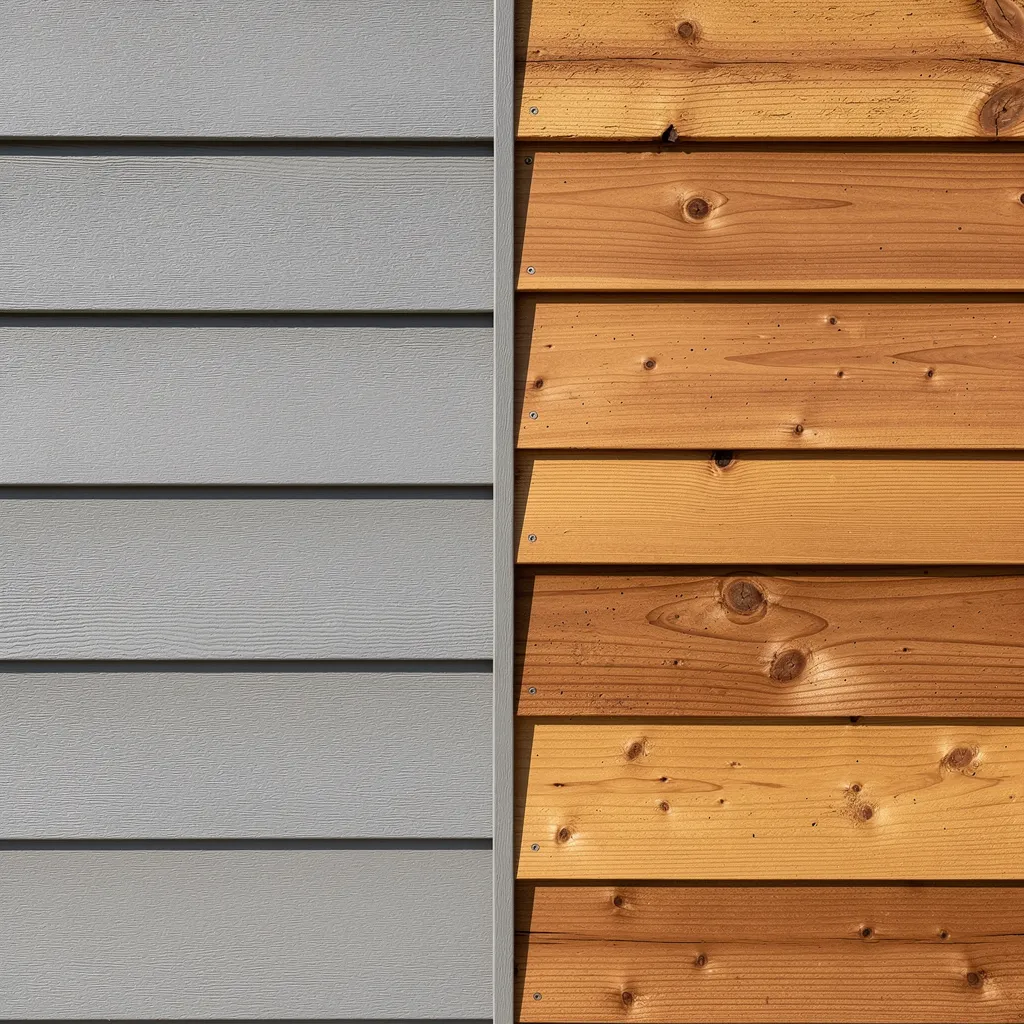
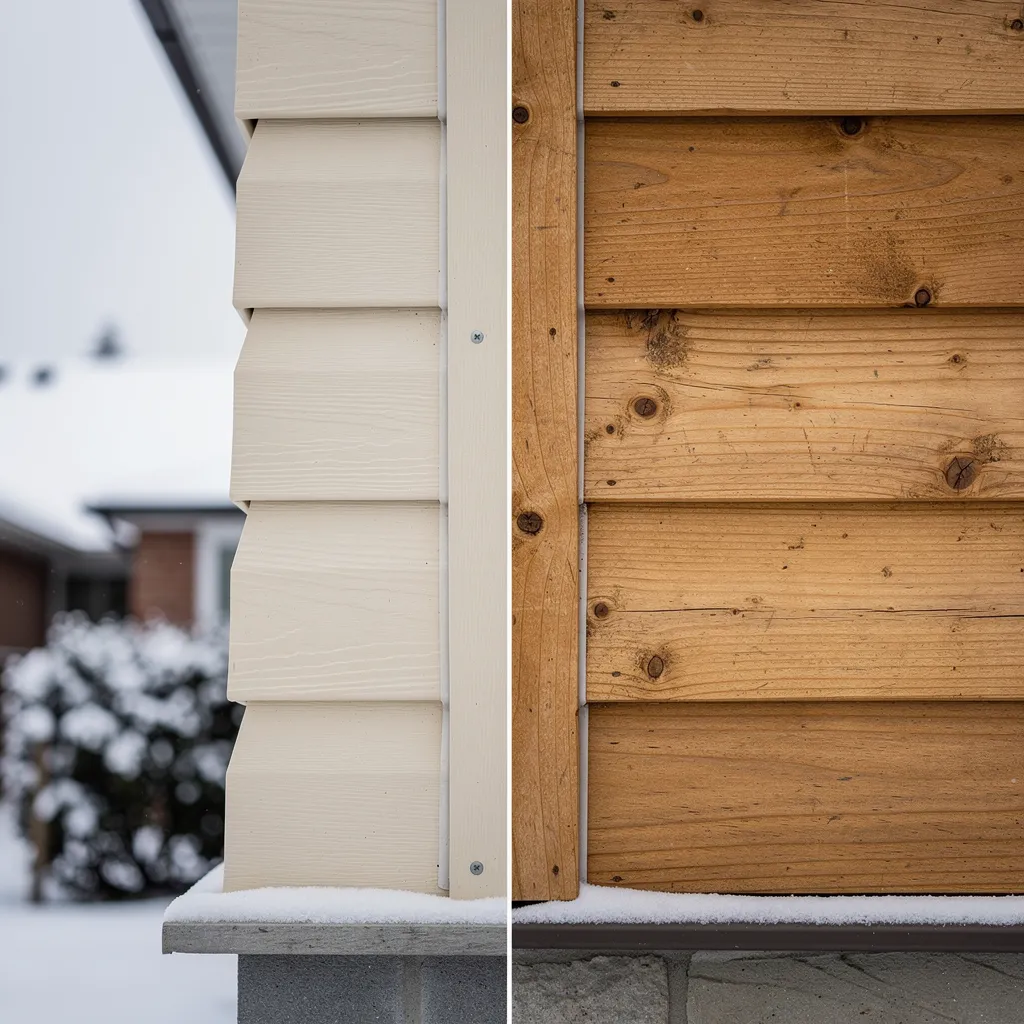
Emphasizing the value of long-term maintenance, studies show that retaining and caring for existing siding offers significant economic and environmental advantages.
Fiber Cement Siding: Economic & Environmental Impact
Lifecycle assessment tools—such as environmental product declarations (EPD) and life cycle cost assessments (LCCA)—allow comparison of the environmental and economic impacts of historic, traditional and alternative materials. This analysis informs preservation decisions by quantifying sustainability. Research using these methods demonstrates that retaining in‑situ siding produces the lowest environmental impact and is the second most economical option.
Cladding by Another Name: A Comparative Analysis of the Environmental and Economic Costs of Traditional Wood Clapboards, Composite Fiber-Cement Siding, and …, 2022
For those seeking professional assistance, Alliance Exteriors Inc. specializes in siding installation and maintenance, including James Hardie fiber cement siding . Their expertise ensures that your siding receives the care it needs to remain in excellent condition.
What Are the Essential Cleaning Techniques for Fiber Cement Siding?
Essential cleaning techniques include using a gentle soap solution, a soft brush or microfiber cloth, and routine removal of dirt and debris. These methods maintain the siding's finish without causing damage.
Which Cleaning Products Are Safe for James Hardie Siding?
Use mild detergents formulated for siding and avoid harsh chemicals such as bleach that can harm the material or void warranties.
How Often Should You Clean Fiber Cement Siding for Optimal Durability?
Clean fiber cement siding at least once a year and more often after severe weather to maintain durability and appearance.
How Can You Effectively Repair Common Fiber Cement Siding Damage?
Inspect regularly for visible cracks, address damage promptly, and repair small dents or blemishes immediately with appropriate touch‑ups to prevent further deterioration.
What Are the Typical Cracks and Issues in James Hardie Siding?
Typical issues include visible cracks, warping, discoloration and signs of mold or mildew. Routine inspections help identify these problems early.
What Repair Methods Ensure Long-Term Siding Protection?
Long‑term protection relies on high‑quality caulking to seal gaps, targeted paint touch‑ups and panel replacement when damage is beyond repair.
What Are the Best Practices for Painting and Sealing James Hardie Siding?
Use high‑grade exterior paint compatible with fiber cement, prepare and clean surfaces thoroughly, and follow manufacturer specifications for application to maintain warranty and performance.
How Often Should You Repaint to Maintain Siding Appearance and Warranty?
Repainting is generally recommended every 5–10 years, depending on climate and exposure. Monitor the finish for fading or peeling to determine the optimal timing.
What Seasonal Maintenance Checklist Should Homeowners Follow for Fiber Cement Siding?
A seasonal checklist should include inspecting for damage, cleaning the siding, clearing gutters and ensuring proper drainage to prevent moisture buildup.
Which Seasonal Tasks Protect Against Moisture and Pest Damage?
Seasonal tasks that reduce moisture and pest risk include clearing gutters, checking for leaks or cracks, trimming vegetation away from siding and ensuring adequate ventilation.
How Does Regular Inspection Enhance Siding Longevity?
Regular inspections allow early identification and repair of issues, preventing extensive damage and reducing long‑term repair costs.
Why Is Professional Maintenance Important for James Hardie Siding?
Professional maintenance ensures care is performed to manufacturer specifications, preserves warranty coverage and identifies issues that may be missed by an untrained eye.
What Benefits Do Expert Installation and Maintenance Provide?
Expert installation and maintenance improve durability, maintain aesthetic standards and ensure compliance with warranty requirements, delivering long‑term satisfaction.
How Can Local Services in North York and GTA Support Your Siding Care?
Local services in North York and the Greater Toronto Area, like Alliance Exteriors Inc. , provide specialised expertise in siding care and can ensure James Hardie siding receives professional maintenance and repair.
Frequently Asked Questions
What Are the Best Practices for Painting and Sealing James Hardie Siding?
Use a high‑quality, exterior‑grade paint specified for fiber cement. Prepare the surface by cleaning thoroughly and allowing it to dry before application. Follow the manufacturer's recommendations on paint type and application to protect warranty coverage. Use a compatible primer where advised to improve adhesion and longevity. Inspect the finish periodically and perform touch‑ups to guard against moisture and UV damage.
How Often Should You Repaint to Maintain Siding Appearance and Warranty?
Repaint every 5–10 years, adjusting for local conditions such as sun exposure, humidity and prevailing weather. Regular inspections for fading or peeling will indicate the right time for repainting. Maintaining the paint finish protects against moisture ingress and supports warranty compliance.
What Seasonal Maintenance Checklist Should Homeowners Follow for Fiber Cement Siding?
Seasonal maintenance should include inspecting for visible damage, cleaning to remove dirt and debris, ensuring proper drainage around the foundation, checking for mold or mildew in shaded areas, and clearing gutters and downspouts. Assess caulking and paint condition and address any issues promptly.
Which Seasonal Tasks Protect Against Moisture and Pest Damage?
To protect siding against moisture and pests, clear gutters and downspouts to maintain drainage, inspect for leaks or cracks, check for signs of pest activity, trim vegetation away from the siding to promote airflow, and ensure proper ventilation to reduce moisture retention.
How Does Regular Inspection Enhance Siding Longevity?
Regular inspections let homeowners detect small problems—such as cracks or mold—before they escalate. Include checks for wear, discoloration and moisture retention. A routine inspection schedule helps keep siding in optimal condition and reduces long‑term repair costs.
Why Is Professional Maintenance Important for James Hardie Siding?
Professional maintenance follows manufacturer guidelines critical for warranty coverage. Technicians can identify concealed issues, perform necessary repairs and deliver thorough cleaning and inspections. Investing in professional care extends the siding's life and supports the property's value.
What Benefits Do Expert Installation and Maintenance Provide?
Expert installation ensures correct system performance and longevity. Regular professional maintenance identifies and corrects issues early, prevents costly repairs and enhances the siding's resistance to environmental factors so it remains visually and structurally sound.
Conclusion
Proper maintenance preserves James Hardie siding's longevity and appearance. Use recommended cleaning methods, approved products and routine inspections to protect your investment and maintain curb appeal. Following these best practices reduces the likelihood of costly repairs; for expert support, engage local siding specialists to ensure work meets professional standards.