James Hardie or Maibec Siding: Which Should You Choose?
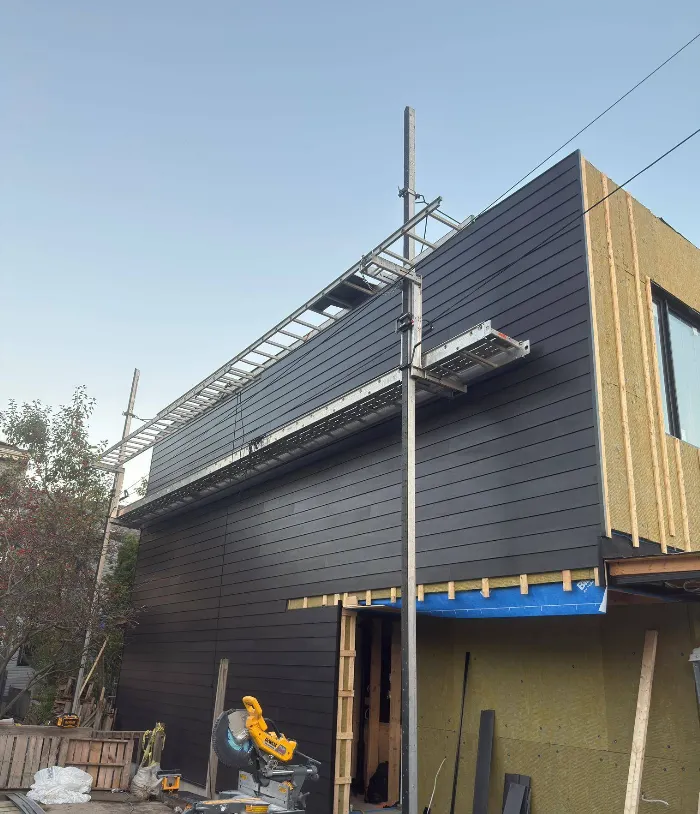
Choosing between James Hardie fiber cement and Maibec wood siding comes down to maintenance versus natural beauty. James Hardie resists swelling and cracking in wet, freezing weather with lower upkeep. Maibec offers real red cedar with a 50-year decay warranty, though it requires re-staining every six to eight years. Both demand proper installation and drainage.
What Are the Key Differences Between James Hardie Siding and Maibec Wood Siding?
The key differences center on material composition, maintenance demands, and long-term cost. James Hardie fiber cement siding is engineered to resist swelling and cracking in wet, freezing weather. Maibec red cedar siding delivers authentic wood beauty but requires a disciplined upkeep schedule. Both materials perform reliably in Ontario’s climate when installed correctly. The trade-off is lower maintenance versus natural material character.
How does each material handle Ontario’s freeze-thaw cycles?
James Hardie fiber cement resists the swelling and cracking that wet, freezing conditions cause in some materials. This engineered stability makes it a strong choice for the Greater Toronto Area. Maibec red cedar also holds up in Niagara’s climate when installed properly. Its performance depends on a maintained finish that shields the wood from moisture intrusion.
What maintenance does each siding option require?
Maibec warrants its red cedar against wood decay for 50 years, provided the finish is maintained. That commitment means re-staining the siding every 6 to 8 years. James Hardie positions fiber cement as the lower-maintenance alternative. It does not require periodic re-staining to uphold its warranty.
Alliance Exteriors Inc. installs both systems as a James Hardie Certified Installer and an experienced Maibec wood siding contractor. The company’s specialized expertise ensures each material is fitted to manufacturer specifications. GTA homeowners receive durable, climate-ready results regardless of which premium option they select.
How Do Material Compositions Compare?
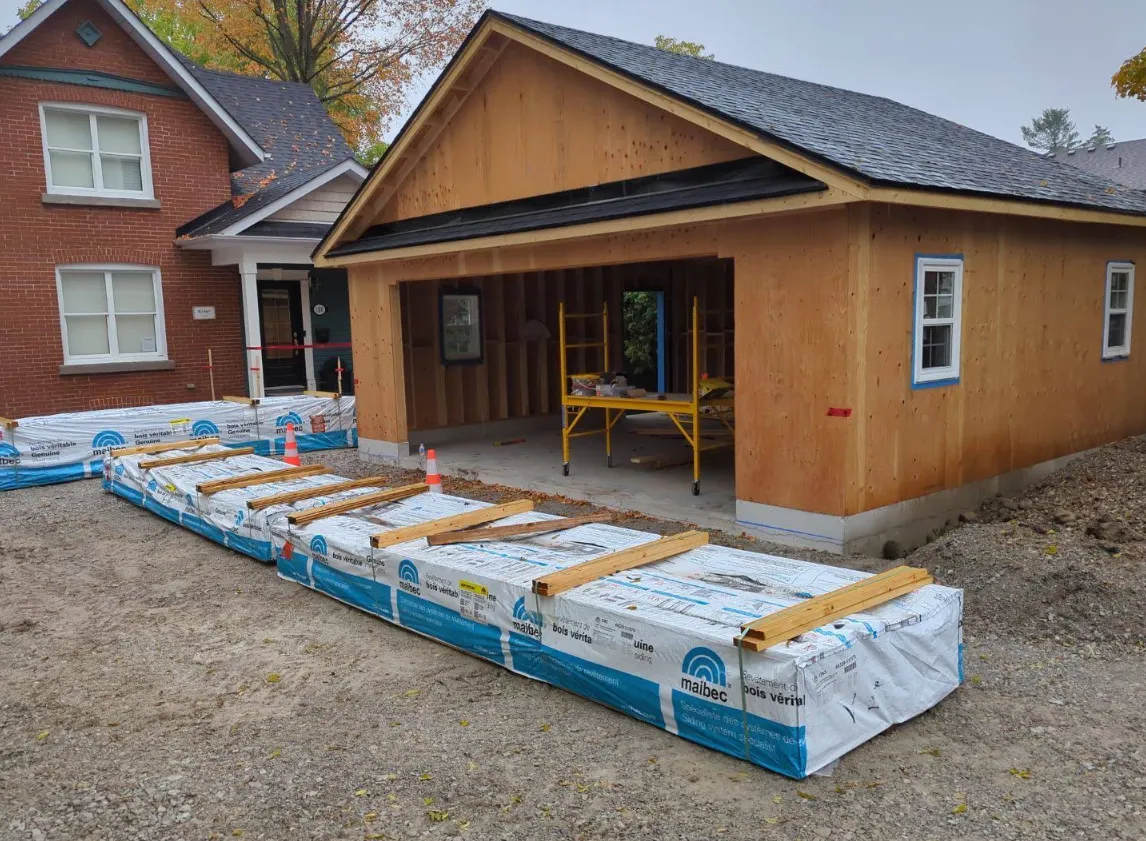
James Hardie siding and Maibec wood siding differ fundamentally at the material level. One is an engineered composite; the other is solid natural cedar. Each composition dictates how the product performs across decades of Southern Ontario weather.
James Hardie fiber cement combines cement, sand, and cellulose fibers into a dense, dimensionally stable board. This formulation resists moisture absorption, which prevents the swelling and cracking common in freeze-thaw cycles. Hardie® fiber cement products resist damage from fire, water, weather, pests, and time, according to the manufacturer’s published durability specifications. The material carries no organic food source, so wood-boring insects and woodpeckers ignore it entirely.
Maibec siding starts with real Western red cedar, a species valued for natural decay resistance and distinctive grain character. Real cedar is the most beautiful cladding available. Nothing imitates it perfectly, not vinyl, not engineered wood, and not fiber cement. The wood’s cellular structure provides natural insulation value, and each board carries unique grain patterns that no factory process replicates.
Which Material Holds Its Finish Longer?
Factory finishing separates these two products in practical terms. James Hardie offers ColorPlus Technology, a factory-baked multi-coat finish that resists fading and chalking. The coating bonds to the fiber cement substrate during manufacturing, eliminating on-site painting. Maibec provides factory-finished cedar with pre-applied stain, which reduces installation labor and ensures even initial coverage. However, cedar’s natural expansion and contraction eventually wears any finish. Re-staining becomes necessary every 6 to 8 years in the GTA climate.
What Does Each Material Need for Proper Installation?
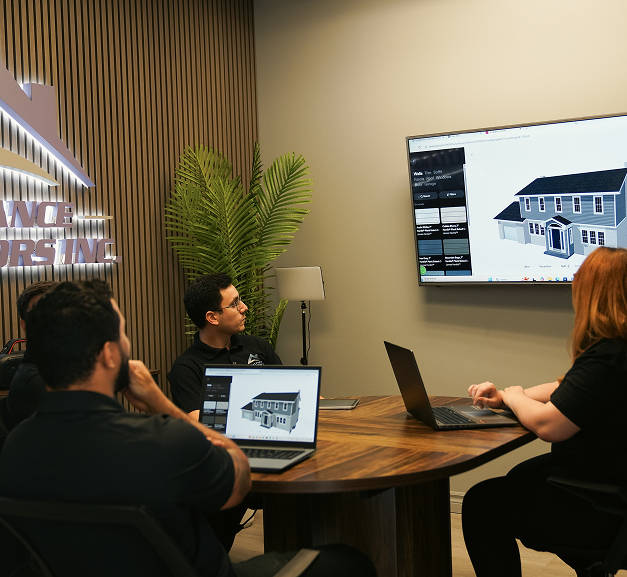
Both materials demand precise installation to perform as engineered. Alliance Exteriors provides exterior design consultations that include material selection guidance and 3D mockups, helping homeowners evaluate how each composition looks on their specific home before any board goes up. Fiber cement requires specialized cutting tools and dust control. Cedar needs proper gap spacing and fastener selection to accommodate seasonal movement. The company’s installers follow manufacturer specifications for both systems, ensuring the material’s inherent strengths translate into real-world durability.
The choice between engineered stability and natural authenticity shapes every downstream decision about maintenance, longevity, and appearance. Alliance Exteriors installs both systems and guides clients through the trade-offs during the design phase. A detailed James Hardie vs. wood siding comparison walks through how these material differences play out on real GTA homes.
Which Material Handles Ontario Winters Better?
Ontario winters punish siding with relentless freeze-thaw cycles. The Niagara Region’s climate projections report records about 77 freeze-thaw cycles annually, counting any day that dips to -1°C or lower and then climbs above 0°C. Water seeps into microscopic cracks, freezes, expands, and tears materials apart from the inside. Siding that cannot manage this cycle fails early, leaving homeowners with costly structural damage hidden behind the cladding.
James Hardie fiber cement siding resists this destructive pattern through engineered moisture resistance. Hardie products stand up to rain, sleet, and snow without swelling, cracking, or delaminating. The material does not absorb water the way natural wood does. That stability matters when temperatures swing from deep freeze to thaw dozens of times each winter. Alliance Exteriors reinforces this performance by installing weather barrier and insulation systems that block moisture and drafts before they reach the siding assembly.
Maibec wood siding brings a different reality to Ontario winters. Real cedar performs well when the finish remains intact. The finish demands re-staining every 6 to 8 years to maintain the decay warranty. Miss that maintenance window and moisture penetrates the wood fiber. Freeze-thaw cycles then accelerate deterioration from inside the board.
Does James Hardie siding resist freeze-thaw damage?
Fiber cement does not absorb enough moisture for freeze-thaw cycling to cause structural failure. The material remains dimensionally stable through temperature extremes. Alliance Exteriors pairs Hardie installations with protective weather barriers that create a complete moisture management system.
How often does Maibec cedar need maintenance in cold climates?
Maibec warrants its red cedar against decay for 50 years, but only with consistent finish maintenance. Re-staining every 6 to 8 years keeps the protective coating intact. Skipping this cycle exposes the wood to Ontario’s 77 annual freeze-thaw events, which accelerates fiber breakdown.
Both warranties exclude damage from poor installation and improper drainage. Certified installation becomes the decisive factor for winter survival. Alliance Exteriors, as a James Hardie Certified Installer, executes installations to manufacturer specifications that preserve warranty coverage. The company’s James Hardie siding durability expertise in harsh Canadian weather ensures assemblies drain properly and resist the freeze-thaw cycle from day one.
What Are the Maintenance and Upkeep Differences?
Maintenance requirements separate James Hardie siding and Maibec wood siding into two distinct ownership experiences. Fiber cement demands far less ongoing attention than real cedar. Homeowners who skip scheduled upkeep on wood cladding risk losing both appearance and warranty protection within a few years.
How often does Maibec wood siding need refinishing?
Maibec cedar requires re-staining every 6 to 8 years to maintain its appearance and keep the warranty intact. The 50-year decay warranty from Maibec applies only when the finish is maintained, placing full responsibility on the homeowner. Neglecting that cycle exposes the wood to moisture damage that accelerates deterioration.
What does James Hardie siding need for upkeep?
James Hardie positions fiber cement as the lower-maintenance option, needing only periodic cleaning and inspection. The material resists swelling and cracking in wet, freezing weather without requiring stain or sealant reapplication. Hardie fiber cement also will not ignite when exposed to direct flame, unlike wood which contributes fuel to a fire.
Alliance Exteriors reinforces long-term performance with 5- and 10-year workmanship warranties on completed installations. The company's maintenance comparison for James Hardie and wood siding details how freeze-thaw cycles in the Greater Toronto Area punish neglected cladding. For homeowners weighing authentic wood character against predictable, low-effort durability, the upkeep gap is the deciding factor.
Which Option Offers Better Value for GTA Homes?
Value in the Greater Toronto Area hinges on a trade-off between upfront material authenticity and long-term cost exposure. James Hardie fiber cement offers lower long-term maintenance costs, while Maibec cedar provides authentic wood aesthetics at higher upkeep expense. Homeowners who underestimate the cumulative cost of re-staining real wood lose thousands of dollars over a decade.
Alliance Exteriors Inc. helps clients weigh these factors with transparent, itemized quotes and consistent communication throughout the project. The company focuses exclusively on siding and cladding rather than general contracting, bringing deep material knowledge and precise execution to every job. A clear process guides each engagement: design consultation, on-site assessment, professional installation, and a final walkthrough with warranty documentation.
How does Alliance Exteriors help GTA homeowners compare siding costs?
The company serves homeowners and builders across Toronto, North York, Oakville, Vaughan, and other GTA areas. Alliance Exteriors provides itemized quotes that separate material and labor costs, so clients see exactly where their investment goes. This transparency prevents budget surprises that erode a project's value.
What makes fiber cement a better long-term value than real wood?
Fiber cement sidesteps the recurring expense of re-staining that real cedar demands. A detailed comparison of these materials appears in the company's guide on James Hardie vs. wood siding. For GTA homeowners planning a 15-year ownership window, the maintenance savings compound significantly.
FAQ
How does each material handle Ontario’s freeze-thaw cycles?
James Hardie fiber cement resists swelling and cracking in wet, freezing weather. Maibec red cedar holds up when installed properly with a maintained finish.
What maintenance does each siding option require?
James Hardie requires no periodic re-staining. Maibec red cedar needs re-staining every six to eight years to uphold its 50-year decay warranty.
How do material compositions compare?
James Hardie is an engineered fiber cement that resists moisture absorption and pests. Maibec is solid Western red cedar valued for natural decay resistance.
Conclusion
For GTA homeowners, the choice between James Hardie fiber cement and Maibec wood siding comes down to a single question: how much ongoing maintenance are you willing to commit to? Fiber cement delivers predictable, low-effort durability that sidesteps the recurring cost and labor of re-staining real cedar. Wood offers authentic character but demands strict adherence to a six-to-eight-year refinishing cycle to preserve its warranty and structural integrity. Reviewing an itemized quote that separates material from labor costs clarifies which path aligns with your ownership timeline and budget.