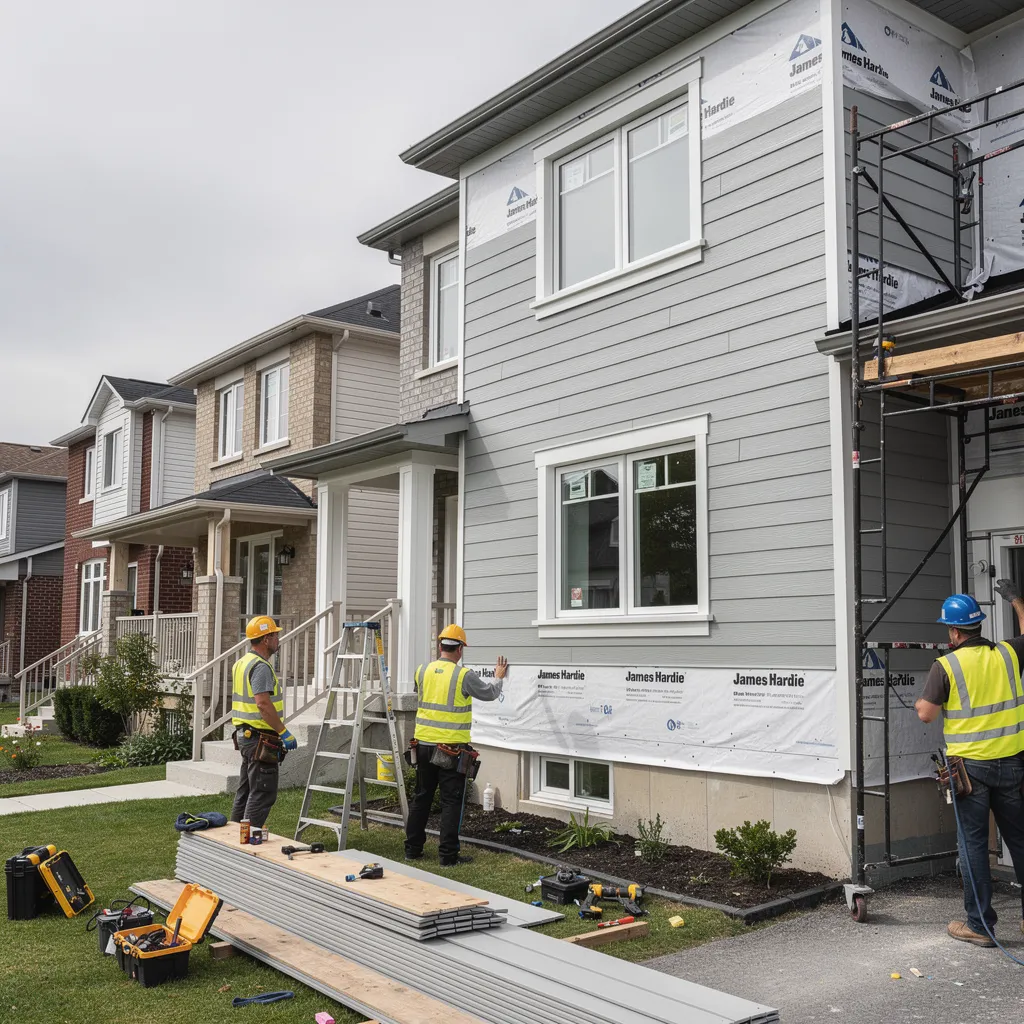
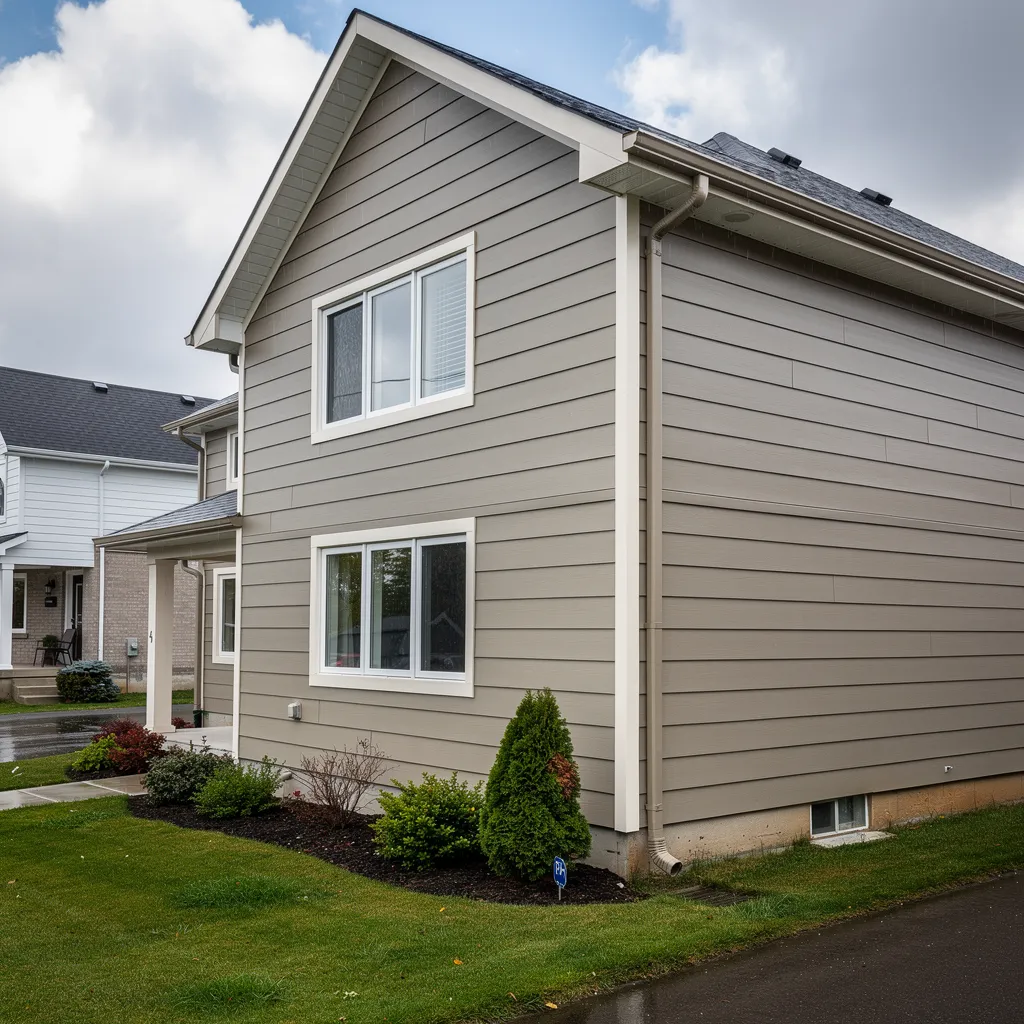
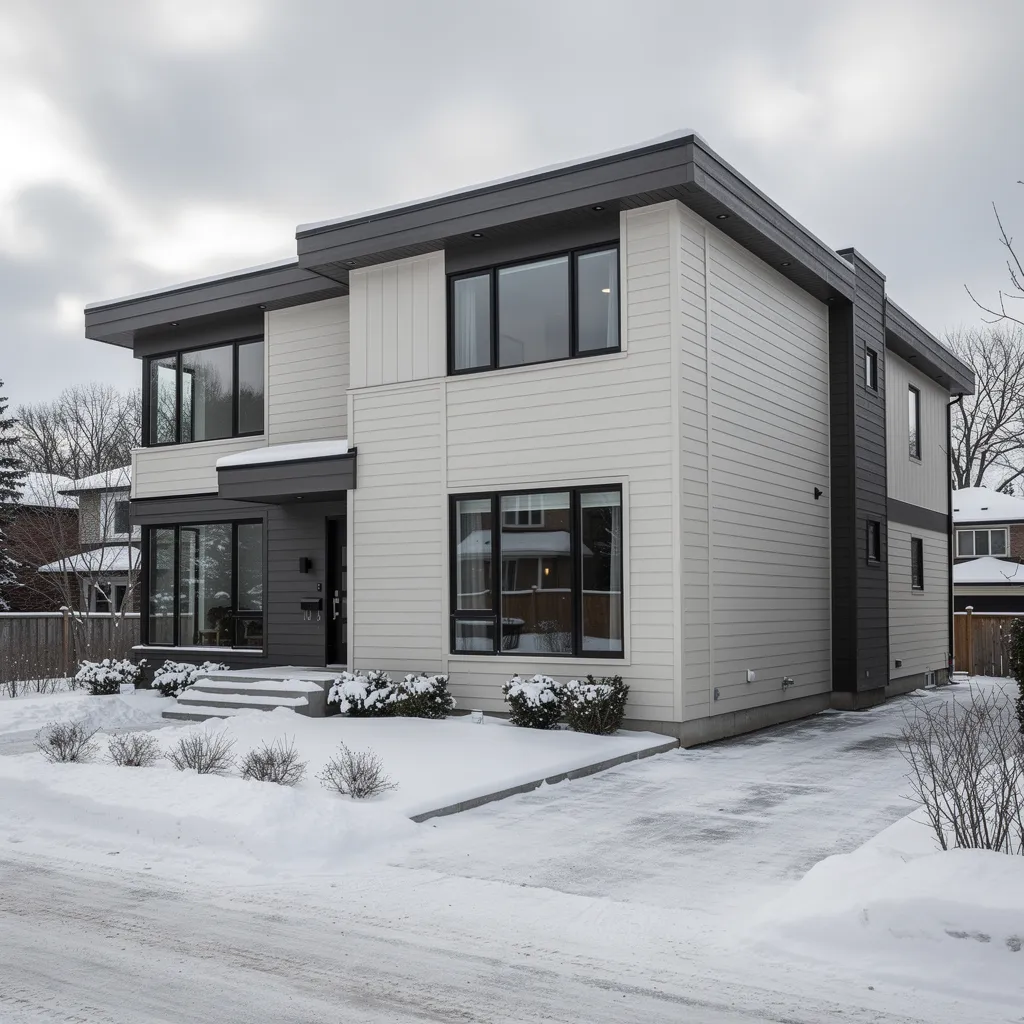
James Hardie Siding: Durability in Harsh Canadian Weather
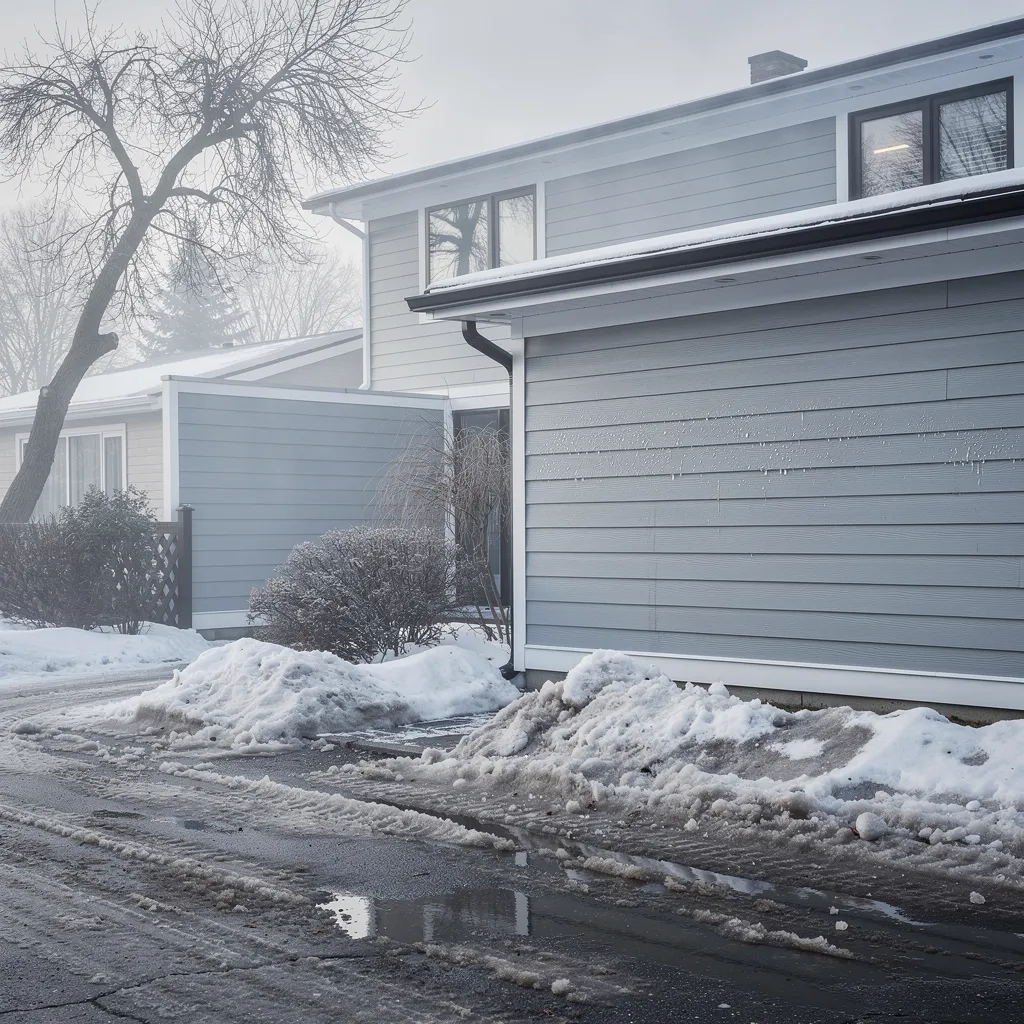
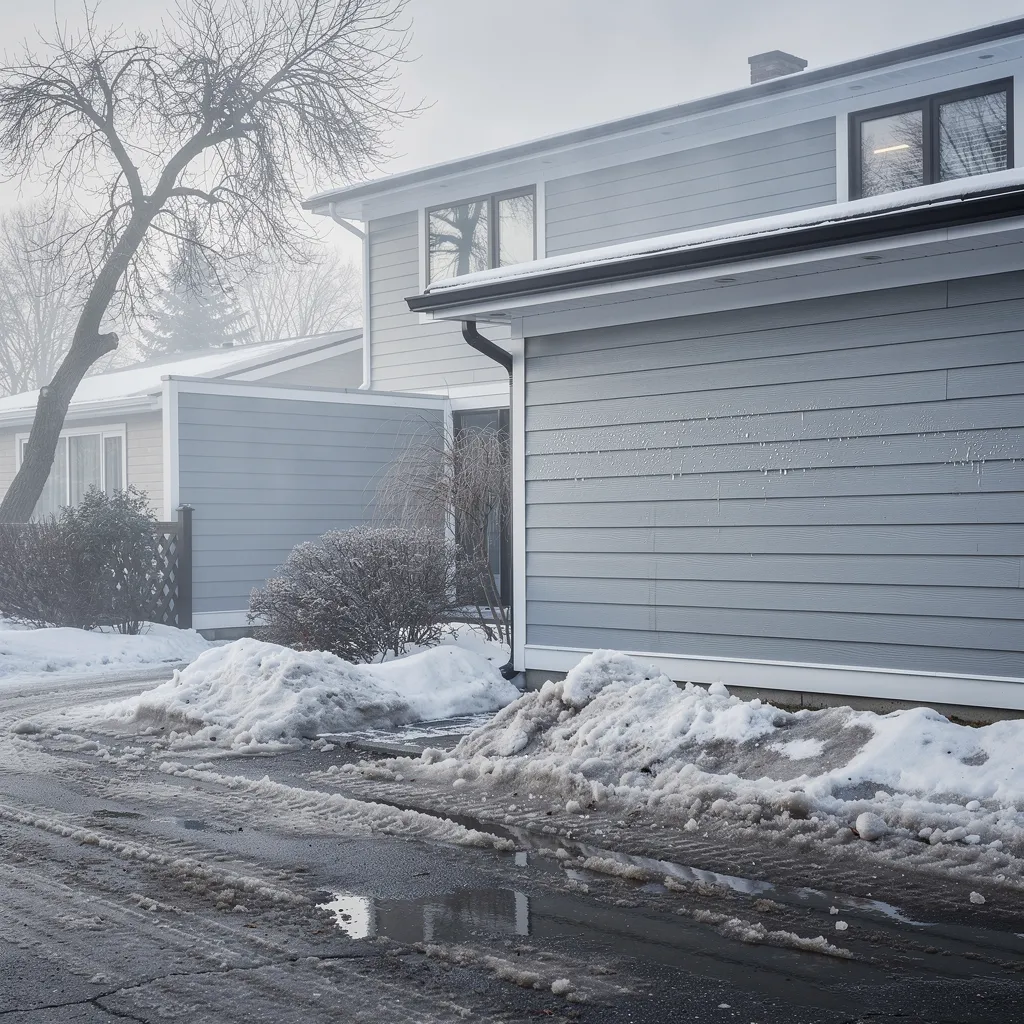
When it comes to How Does James Hardie Fiber Cement Siding Hold Up Against Harsh Canadian Weather Conditions?, james Hardie fiber cement siding is designed to withstand Canada's freeze-thaw cycles, wind, and moisture, offering enhanced resistance to warping and cracking, and resisting fire and pests as an Engineered for Climate® product. Alliance Exteriors Inc. is located in North York, Ontario, Canada.
Why Does Canadian Weather Push Siding To Its Limits?
Canadian weather subjects home exteriors to extremes few climates match: bitter winter cold, sudden thaws, driving rain, and humid summer swings. James Hardie fiber cement siding faces this cycle test after test. The difference between a durable exterior and a failing one often comes down to material choice.
Snowstorms and freezing conditions do real damage. Left unprotected, a home's exterior cracks, warps, or lets moisture seep behind the cladding during repeated freeze-thaw cycles. Property owners across Canada see this firsthand when older siding buckles after a hard winter.
What makes fiber cement siding different from other materials?
Fiber cement resists damage from fire, water, weather, and pests in ways that vinyl and wood-based products cannot match. Time itself becomes less of a threat. The material holds its shape and finish through repeated seasonal stress rather than degrading year over year.
Threat
Risk to Standard Siding
Fiber Cement Response
Freeze-thaw cycling
Cracking, warping
Holds dimensional stability
Heavy rain and humidity
Moisture intrusion
Resists water damage
Pests
Nesting, rot
Low pest appeal
Direct fire exposure
Ignition risk
Noncombustible construction
Alliance Exteriors Inc. engineers every installation specifically for Canada's climate, ensuring optimal performance. That distinction matters when a single Canadian winter can undo years of curb appeal on a poorly protected home. Homeowners deciding on their next exterior upgrade gain real protection when the assembly, not just the surface material, gets built for what Canadian weather actually delivers.
How Does Fiber Cement Resist Fire And Moisture?
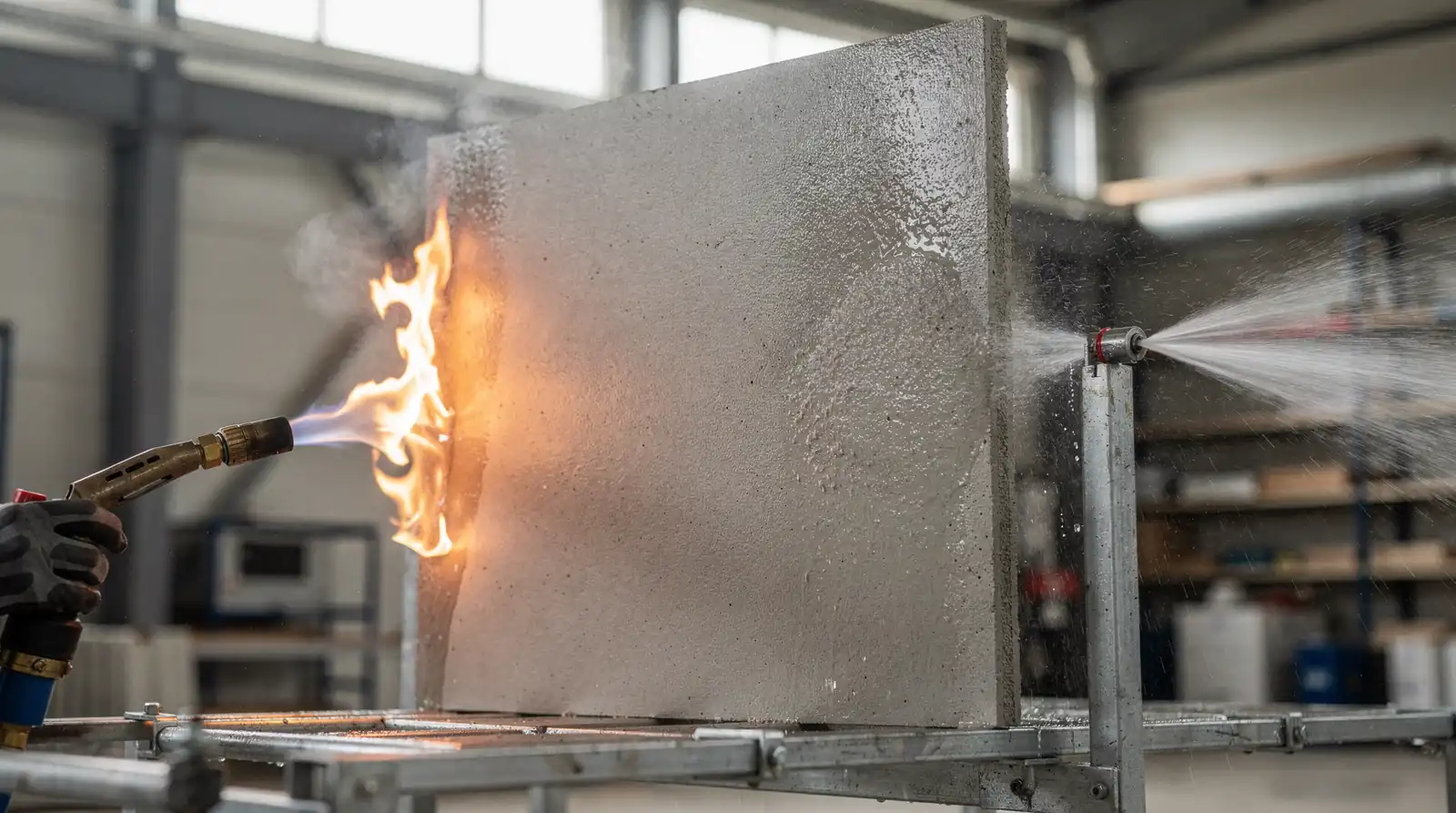
Fire resistance and water rejection define the core strength of James Hardie fiber cement siding across Canadian properties. Flames striking the surface will not ignite the material, and the siding contributes no fuel to a spreading fire. That distinction matters for homeowners near dry brush, wood decks, or tightly spaced properties common throughout Canada.
Moisture presents the bigger year-round threat across Canada. Freeze-thaw cycles, spring downpours, and lake-effect snow squalls batter exterior walls for months at a stretch. Hardie fiber cement is engineered specifically to resist water and humidity absorption. Rain, sleet, and snow load the surface without triggering the swelling, rot, or warping that plague wood-based products.
Is fiber cement siding actually noncombustible?
Yes. Hardie siding complies with ASTM E136, the recognized testing standard for noncombustible cladding materials. That classification places it in a different performance category than vinyl or engineered wood, both of which soften or ignite at far lower temperatures.
Threat
Fiber Cement Response
Direct flame exposure
Will not ignite or feed the fire
Rain, sleet, snow
Resists water and humidity intrusion
Combustibility testing
Meets ASTM E136 noncombustible standard
Does moisture protection stop at the siding panel?
No. A complete wall assembly needs a barrier behind the cladding, not just on top of it. Alliance Exteriors installs weather barrier and insulation systems that block moisture, drafts, and heat transfer while improving energy efficiency. Pairing that assembly with certified fiber cement installation gives Canadian homes layered protection against fire risk and relentless seasonal moisture.
Can Hardie Siding Handle Freeze-Thaw And Snow Loads?
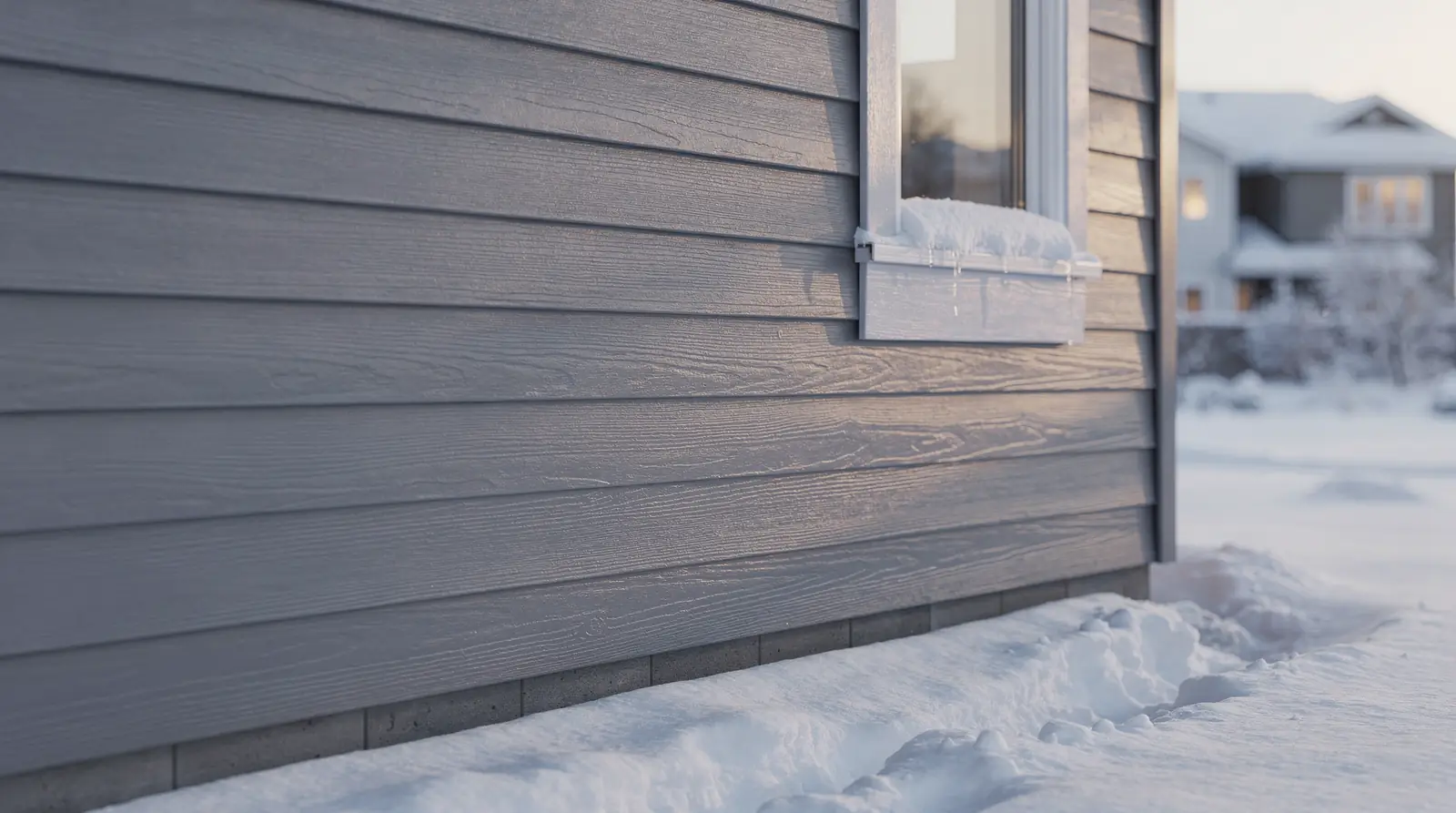
Freeze-thaw cycles and heavy snow loads challenge every exterior surface across Canada each winter. Snowstorms and sub-zero temperatures damage unprotected siding, cracking panels, warping seams, and letting moisture creep behind cladding where it does the most harm.
James Hardie fiber cement siding answers that challenge directly, offering durable performance and lasting design appeal without forcing homeowners to choose one over the other. That combination matters most during the seasonal swings common to Canadian winters, when materials expand, contract, and absorb repeated moisture cycles.
What happens to siding during a Canadian freeze-thaw cycle?
Water works into small gaps, freezes, expands, then thaws again the next day. Weak or poorly sealed cladding cracks under this repeated stress, opening the door to further water intrusion and structural damage over time.
Does heavy snow accumulation stress exterior siding?
Snowdrifts pile against exterior walls and hold mois
Frequently Asked Questions
Can James Hardie fiber cement siding withstand Canadian winters?
Yes. James Hardie fiber cement siding is engineered to hold its dimensional stability through repeated freeze-thaw cycles, resisting the cracking and warping that damage standard siding materials during Canadian winters.
Is James Hardie siding fire resistant?
Yes. James Hardie fiber cement siding is noncombustible and meets the ASTM E136 testing standard, meaning it will not ignite or feed a fire, unlike vinyl or engineered wood siding.
How does fiber cement siding handle heavy rain, snow, and humidity?
Fiber cement siding is engineered to resist water and humidity absorption, so rain, sleet, and snow load the surface without causing the swelling, rot, or warping common in wood-based products.
Does fiber cement siding resist pests?
Yes. Fiber cement has low pest appeal, reducing the risk of nesting and rot that affect wood and other organic siding materials.
Does Alliance Exteriors install more than just the siding panels?
Yes. Alliance Exteriors installs complete wall assemblies, including weather barrier and insulation systems behind the cladding, to block moisture, drafts, and heat transfer alongside certified James Hardie fiber cement installation.
Conclusion
Canadian weather does not ease up on home exteriors, and siding built for milder climates rarely survives the cycle of freeze-thaw stress, heavy snow loads, and driving rain that defines a Canadian winter. James Hardie fiber cement siding stands up to that punishment, resisting fire, moisture, and pests while holding its shape and finish year after year. Paired with a properly engineered wall assembly, it gives homeowners in North York and across the Greater Toronto Area lasting protection and curb appeal, not just a surface that looks good until the next storm. Alliance Exteriors Inc. brings the certified installation expertise needed to make sure that protection performs exactly as designed.