Compare Maintenance Needs: James Hardie Siding vs. Wood Siding
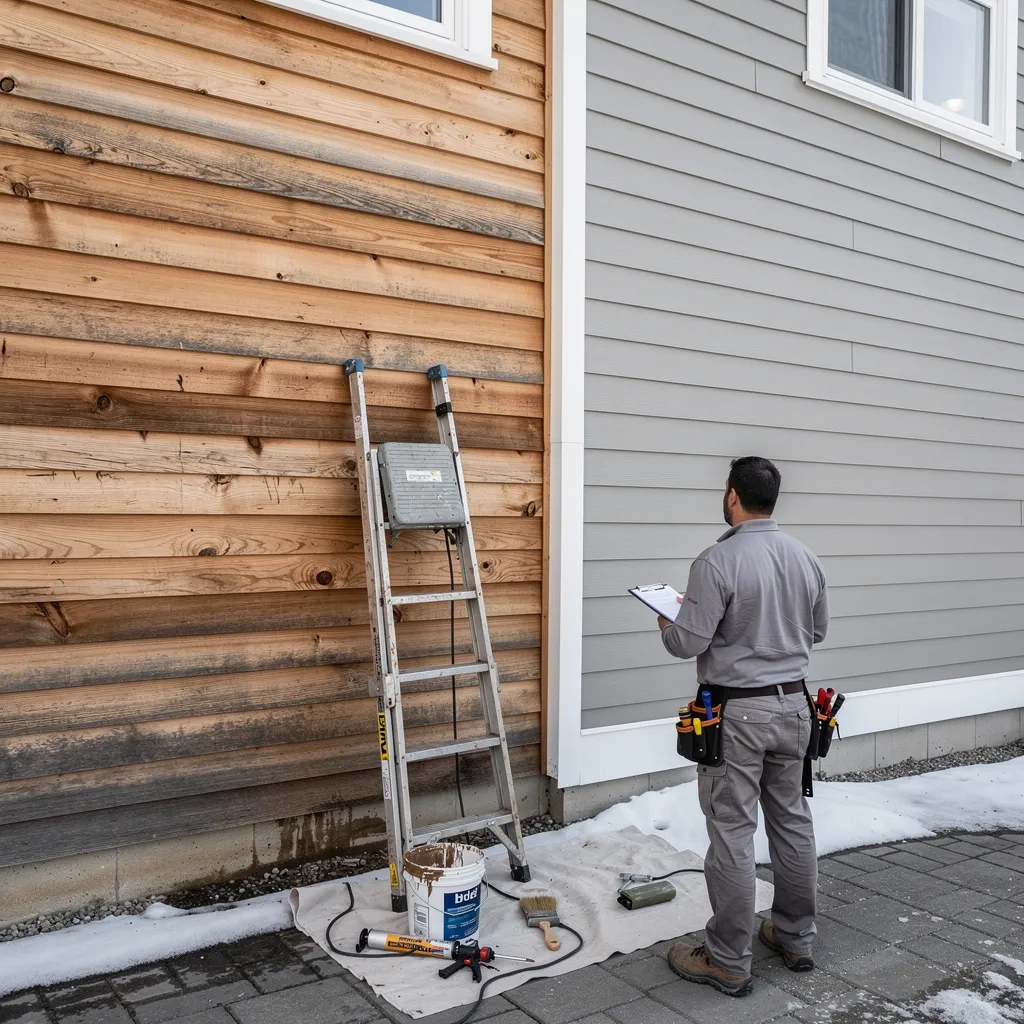
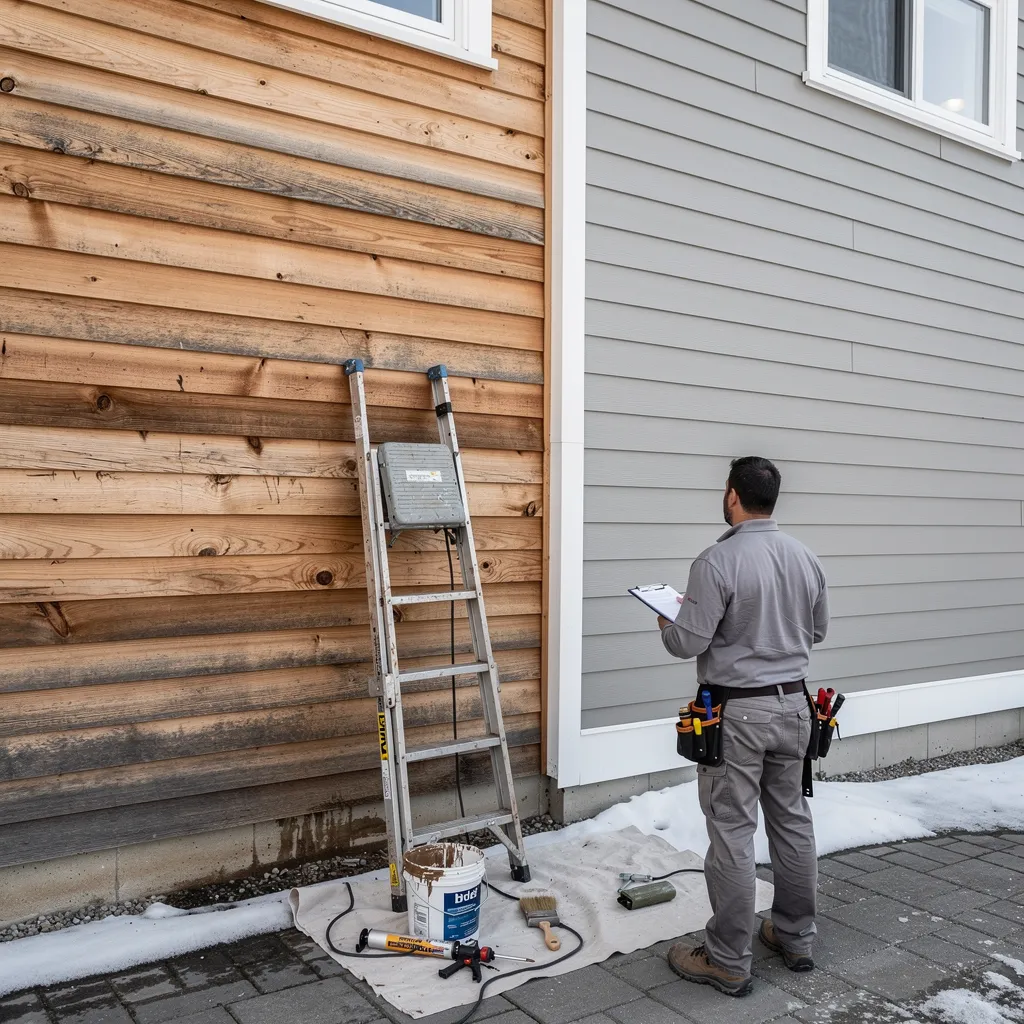
James Hardie fiber cement siding requires far less upkeep than traditional wood siding, resisting rot, warping, and pest damage without repeated repainting or sealing. Wood siding demands regular staining, caulking, and moisture monitoring to survive GTA freeze-thaw cycles. James Hardie Certified Installers deliver engineered durability and long-term value, backed by workmanship warranties homeowners can rely on for decades.
Why Does Siding Maintenance Matter in the GTA?
Freeze-thaw cycles punish exterior cladding across North York and the wider Greater Toronto Area every winter. Moisture seeps into seams, temperatures swing below freezing overnight, and materials that cannot handle that stress crack, swell, or rot within a few seasons. For homeowners weighing maintenance requirements for [James Hardie siding](https://www.allianceexteriors.ca/james-hardie-siding) against traditional wood, the climate itself raises the stakes.
Alliance Exteriors Inc. designs every installation to deliver durable results engineered specifically for Canada's climate, not a milder region's weather patterns. That distinction matters in a market where temperature swings, road salt, and heavy snow loads test exterior systems harder than almost anywhere else in the country.
What Upkeep Does Wood Siding Really Require?
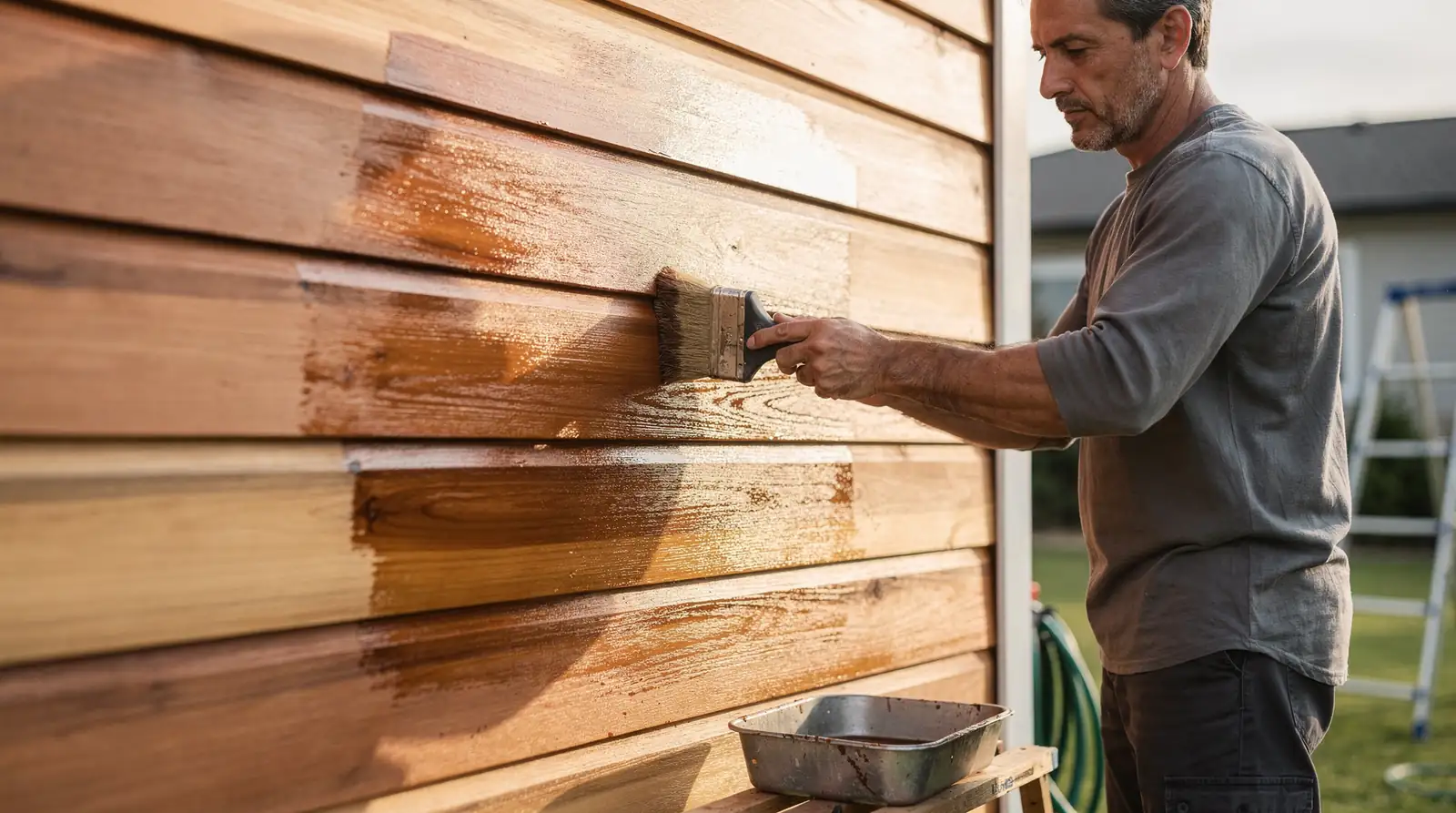
Wood siding demands a recurring cycle of repainting and refinishing to stay protected against the elements. Left untreated, exposed boards absorb moisture and lose their defensive coating within a few seasons. For GTA homeowners, this isn't a one-time job; it's a standing commitment on the maintenance calendar.
How Often Does Wood Siding Need Repainting?
Wood siding needs repainting or refinishing every few years to maintain its protective seal. Skip a cycle, and the finish breaks down faster, leaving bare wood exposed to rain, snow, and freeze-thaw swings. North York's humid summers and icy winters accelerate that breakdown considerably.
Why Is Rot Such a Common Problem With Wood?
Wood siding is prone to rot when exposed to rain and humidity, conditions that define much of the GTA's climate. Moisture seeps into seams and fastener holes, then freezes and expands during winter, widening cracks that invite further decay. Once rot sets in, patch repairs rarely hold; full board replacement often becomes the only fix.
The real cost of wood siding shows up in the maintenance it demands:
- Painting or staining on a repeating cycle to prevent moisture absorption
- Caulking and resealing joints that open up after freeze-thaw cycles
- Inspecting for rot at seams, corners, and ground-level boards each season
- Replacing damaged sections when decay spreads beyond surface treatment
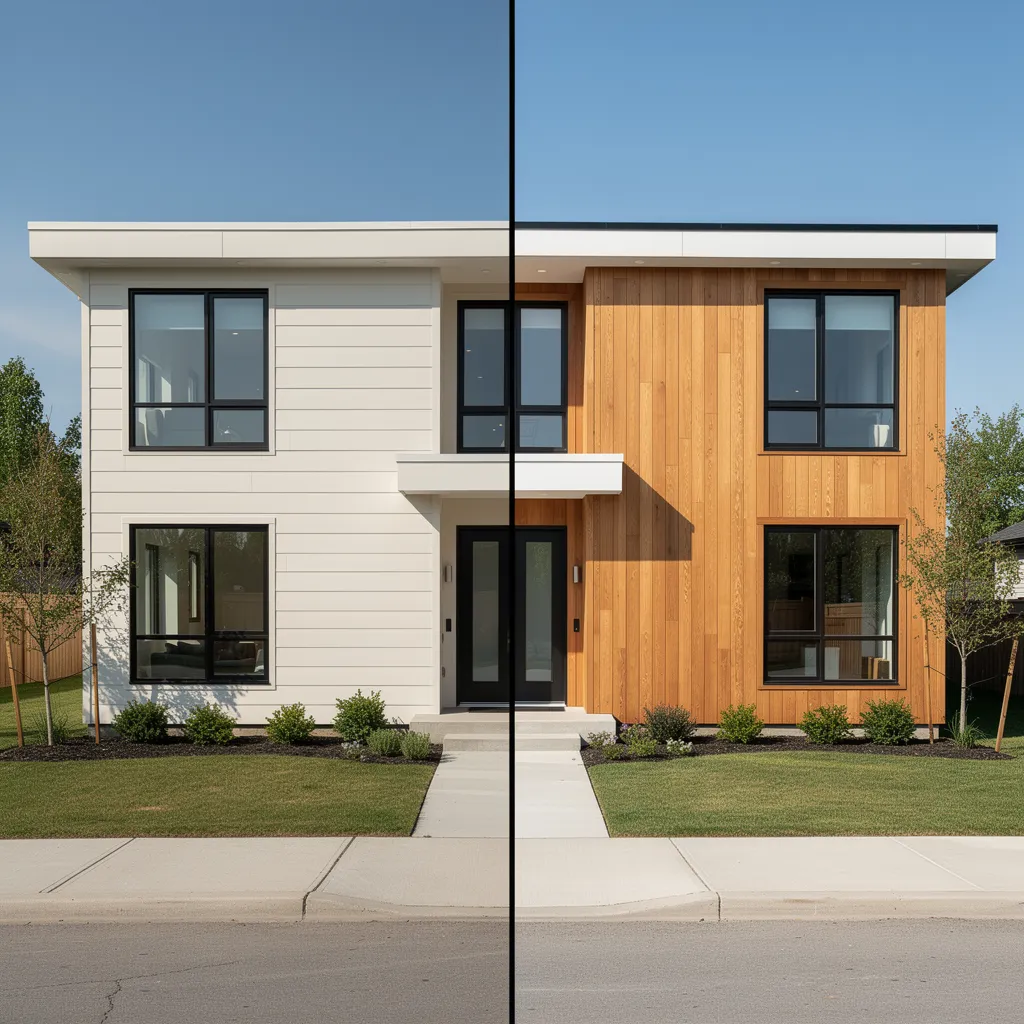
Homeowners who still prefer the warmth and character of natural wood don't have to compromise on installation quality. Alliance Exteriors installs architectural [Maibec wood siding](https://www.allianceexteriors.ca/services/maibec-wood-siding) systems with professional techniques built for longevity, helping reduce the risk of premature failure. A curated portfolio and educational resources also give clients a clear picture of what wood maintenance actually involves before signing off on a material choice. That upfront clarity helps North York homeowners weigh natural beauty against the ongoing upkeep it requires.
How Low Maintenance Is James Hardie Siding?
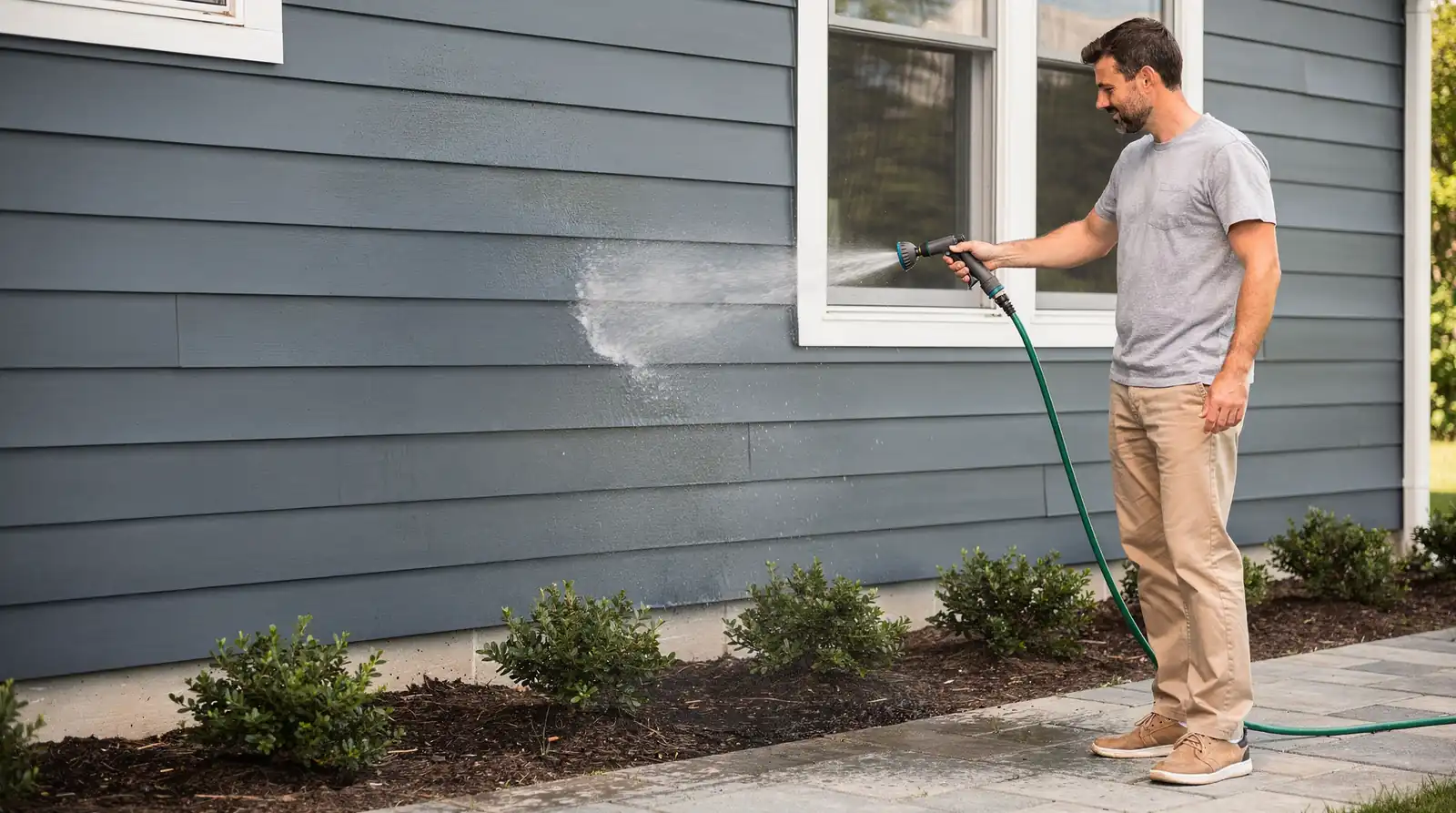
Fiber cement siding from James Hardie demands far less upkeep than traditional wood because it resists the threats that force wood owners into constant repair cycles. Fire resistance, weather protection, and built-in defense against termites and rot define the product. The long list of seasonal chores tied to wood simply disappears. Homeowners in North York and across the GTA trade yearly maintenance rituals for a siding system engineered to hold its line for decades.
Wood siding needs regular sealing, staining, and spot repairs to survive Toronto's freeze-thaw swings. James Hardie siding, by contrast, is built for durability against harsh conditions without that ongoing intervention. Alliance Exteriors installs every James Hardie fiber cement siding project to manufacturer specifications. Local building code, ensuring the material performs exactly as engineered once it's on the wall.
What makes James Hardie siding resistant to pests and rot?
Fiber cement contains no organic wood fibers for termites or carpenter ants to feed on, which removes the pest vulnerability that plagues wood siding. The same density that blocks insects also resists moisture absorption, cutting off the rot cycle before it starts.
Does James Hardie siding need repainting as often as wood?
Because the material resists weather damage. Fire exposure far better than wood, surfaces hold their finish longer and avoid the cracking and peeling that trigger repaint jobs. That stability reduces the frequency of touch-up work homeowners typically budget for with wood siding.
Low maintenance only pays off when installation matches the manufacturer's standard, which is why Alliance Exteriors backs every completed project with 5- and 10-year workmanship warranties. That coverage protects GTA homeowners against workmanship issues long after the crew leaves the site, reinforcing a siding system already built to minimize upkeep.
Which Siding Survives GTA Freeze-Thaw Cycles Best?
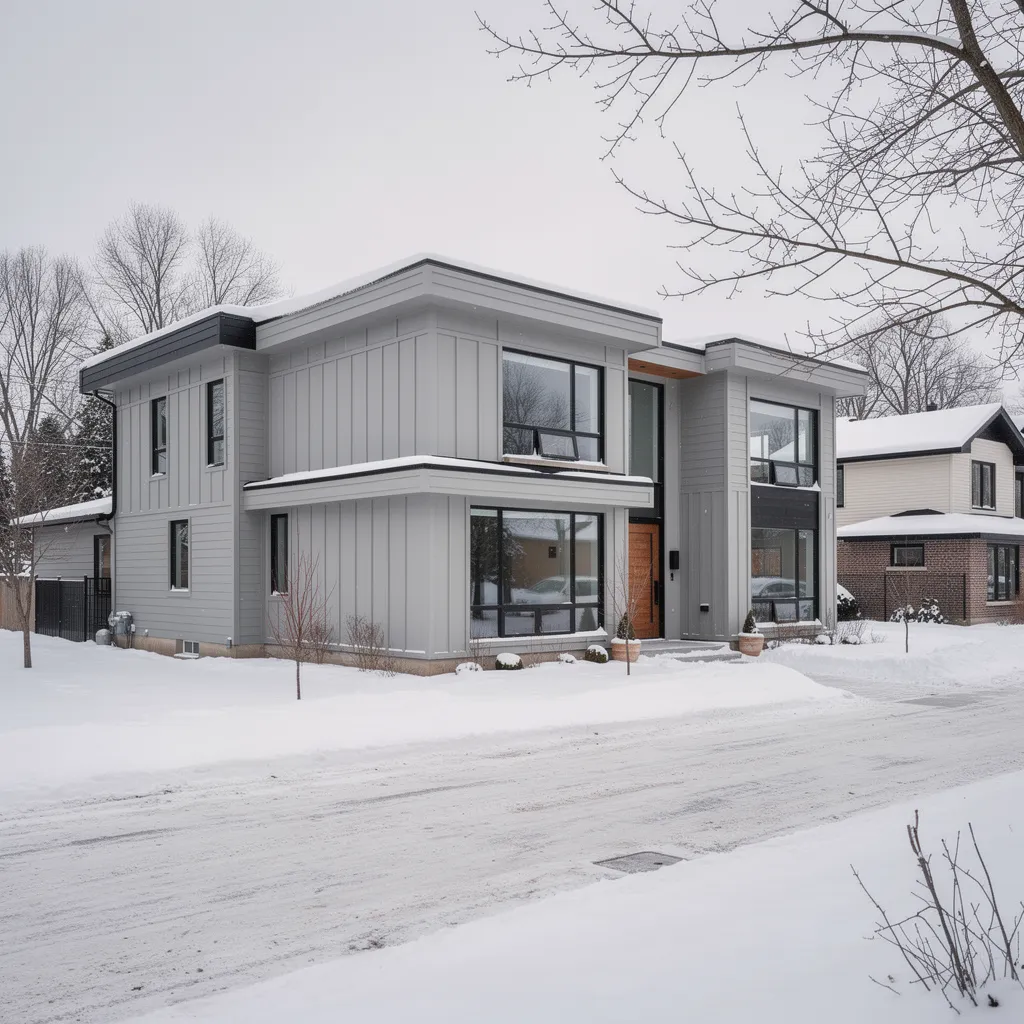
Fiber cement siding withstands repeated freezing and thawing better than wood, resisting the swelling, cracking, and warping that plague untreated boards through a Toronto winter. Wood expands when it absorbs moisture, then contracts as temperatures drop, a cycle that stresses joints and finishes year after year. Even well-maintained wood can break down faster once climate swings turn severe, and the GTA delivers exactly that kind of stress test every season.
Siding performance depends on more than the panel itself, though. Weather barrier installation blocks moisture, drafts, and heat transfer behind the cladding, while added insulation improves energy efficiency and keeps indoor temperatures steadier through freeze-thaw swings. Alliance Exteriors Inc. builds these assemblies specifically for that purpose, based out of North York, Ontario. The team understands exactly how local winters punish exterior systems.
Does Drainage Affect How Siding Handles Winter?
Drainage matters as much as the siding material itself. Properly installed soffit, fascia, and rainware systems protect the roofline. Carry rainwater safely away from the home, preventing the pooling and ice buildup that accelerate material fatigue. Without that drainage path, even durable siding faces added strain near rooflines and ground level.
Factor
Wood Siding
Fiber Cement Siding
Moisture response
Swells, warps, cracks
Resists swelling
Freeze-thaw stability
Degrades faster
Holds dimensional stability
Supporting systems needed
Barrier + drainage critical
Barrier + drainage critical
Both materials benefit from proper barriers and rainware. Fiber cement starts the winter with a structural advantage wood simply can't match.
How Should GTA Homeowners Choose Their Siding?
Climate resilience, curb appeal, and long-term investment value should drive every siding decision in the GTA. Freeze-thaw cycles punish weak materials, and a wrong choice today becomes an expensive repair tomorrow. Toronto winters don't forgive guesswork, so the decision deserves real comparison, not a quick pick based on looks alone.
Homeowners weighing fiber cement against wood siding, or considering alternatives like PVC, WPC, and composite siding, need a framework. That framework starts with three questions: How harsh is the exposure on this specific elevation? What maintenance schedule fits the household's lifestyle? And what does the material cost over 10, 20, or 30 years, not just at installation?
What Should Homeowners Look for in a Siding Consultation?
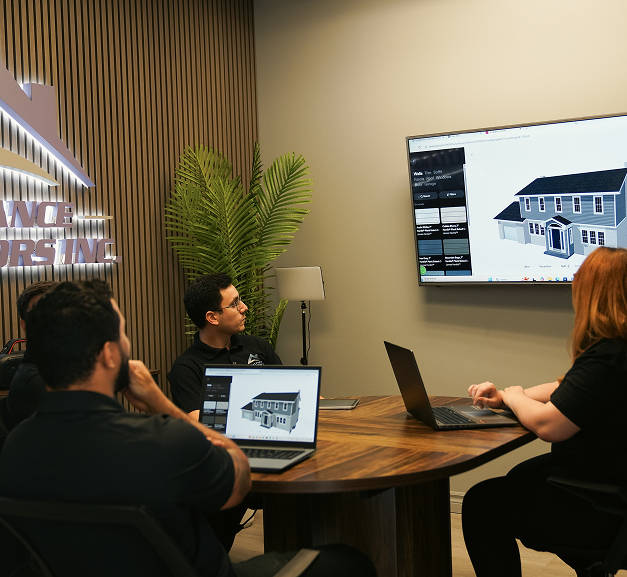
A proper consultation goes beyond swatches and sample boards. Alliance Exteriors provides design consultations with material selection guidance and 3D mockups. Homeowners see how a product performs and looks on their actual home before committing. That visual confirmation removes guesswork from a decision that affects decades of ownership.
Does the Installation Process Matter as Much as the Material?
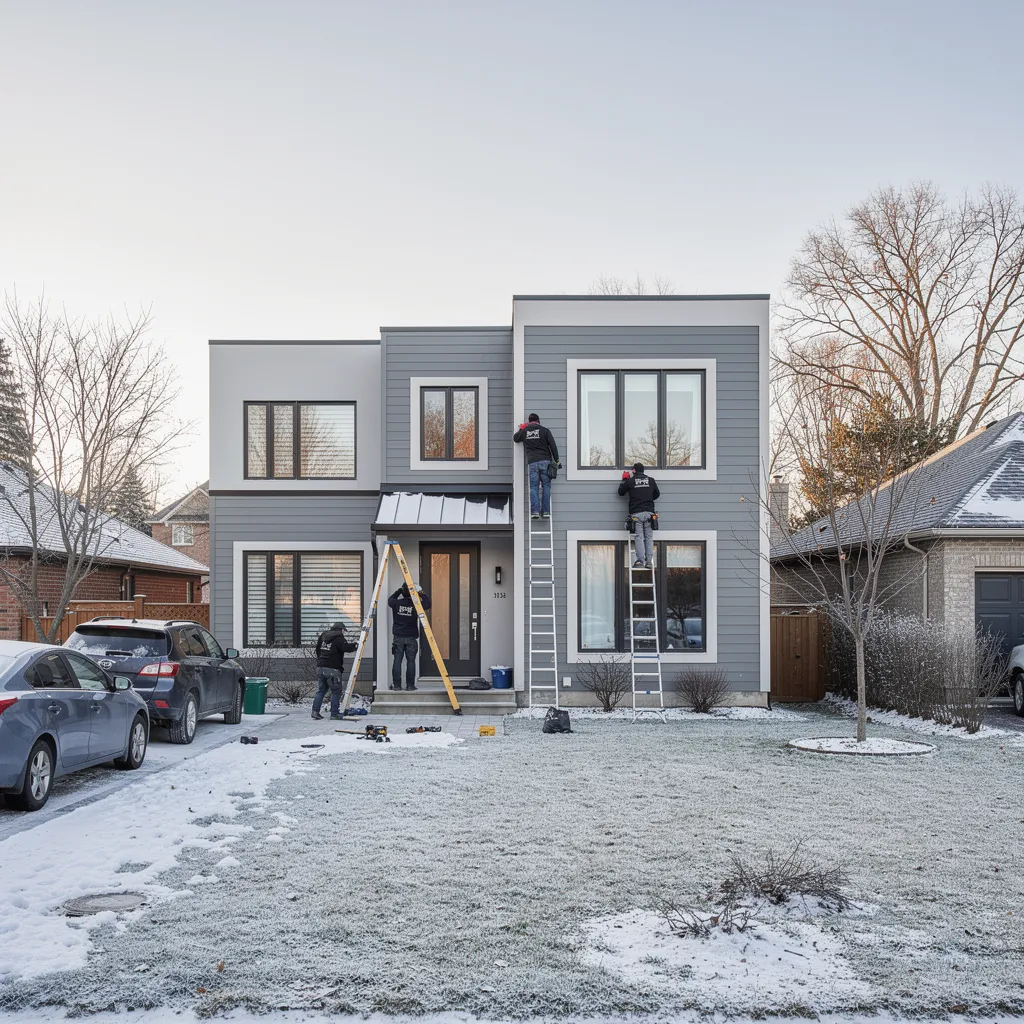
Material choice only delivers results when paired with correct installation. Alliance Exteriors follows a structured process, from initial consultation through on-site assessment, installation, and final walkthrough, ensuring every system performs as engineered. Skipping steps in that sequence undermines even premium materials.
Consider these priorities together:
- Climate performance against freeze-thaw and moisture exposure
- Maintenance tolerance and available upkeep time
- Upfront cost versus lifetime value
- Aesthetic goals matched through design consultation
Balancing these factors, rather than fixating on price alone, protects both the home's exterior and the owner's long-term budget.
FAQ
How does James Hardie siding compare to wood for GTA freeze-thaw conditions?
James Hardie fiber cement resists rot, warping, and pest damage through freeze-thaw cycles. Wood absorbs moisture, swells, and cracks without constant inspection and refinishing.
What ongoing maintenance does wood siding require?
Wood siding needs a recurring cycle of repainting or refinishing every few years, plus caulking and moisture monitoring, to prevent rot and bare-wood exposure.
Why choose Alliance Exteriors Inc. for Hardie siding installation in North York?
Alliance Exteriors Inc., based in North York, Ontario, holds James Hardie Certified Installer status and designs installations engineered for Canada's freeze-thaw climate.
Conclusion
In closing, the choice between James Hardie and wood siding ultimately reflects your priorities: wood delivers timeless aesthetics and natural warmth but demands consistent maintenance. James Hardie offers engineered durability and minimal upkeep without sacrificing curb appeal. Both perform reliably in Canada's climate when properly installed and maintained. Your decision should align with your lifestyle, budget, and long-term vision for your home's exterior.