How Does James Hardie Siding Compare to Wood in Maintenance?
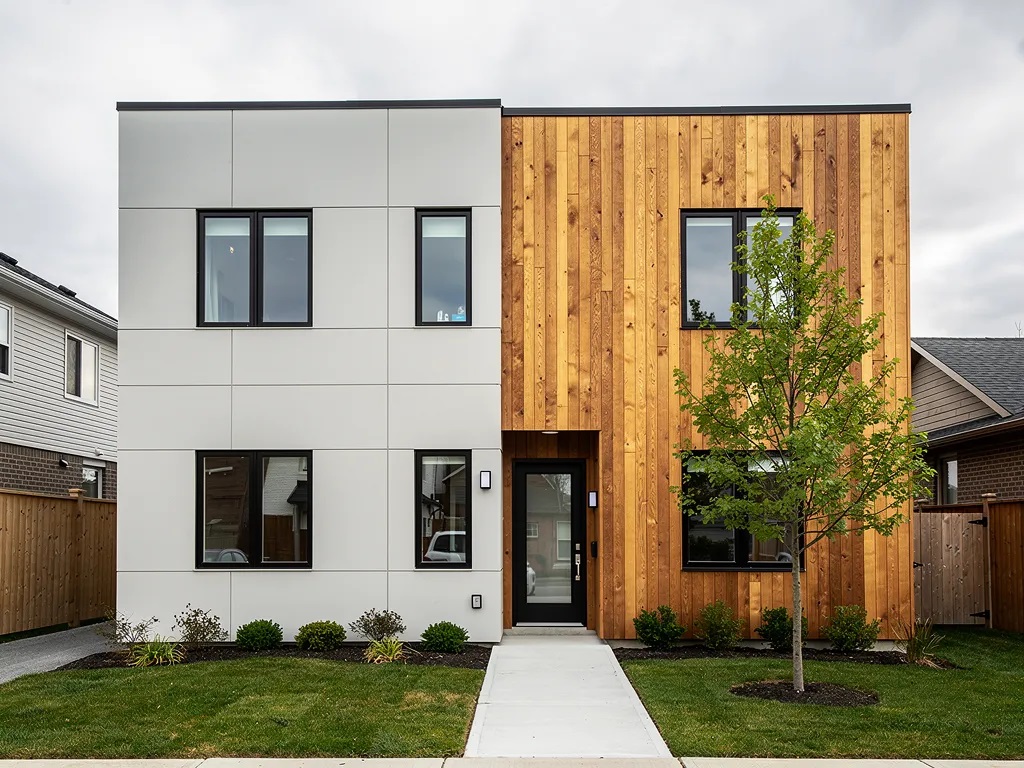
James Hardie fiber cement siding requires far less maintenance than natural wood siding. Wood demands regular staining, sealing, and pest protection to prevent rot and moisture damage. James Hardie resists warping, cracking, and termites without ongoing treatments, offering GTA homeowners durable, low-maintenance exterior performance.
What Maintenance Is Required for James Hardie Siding Compared to Wood Siding?
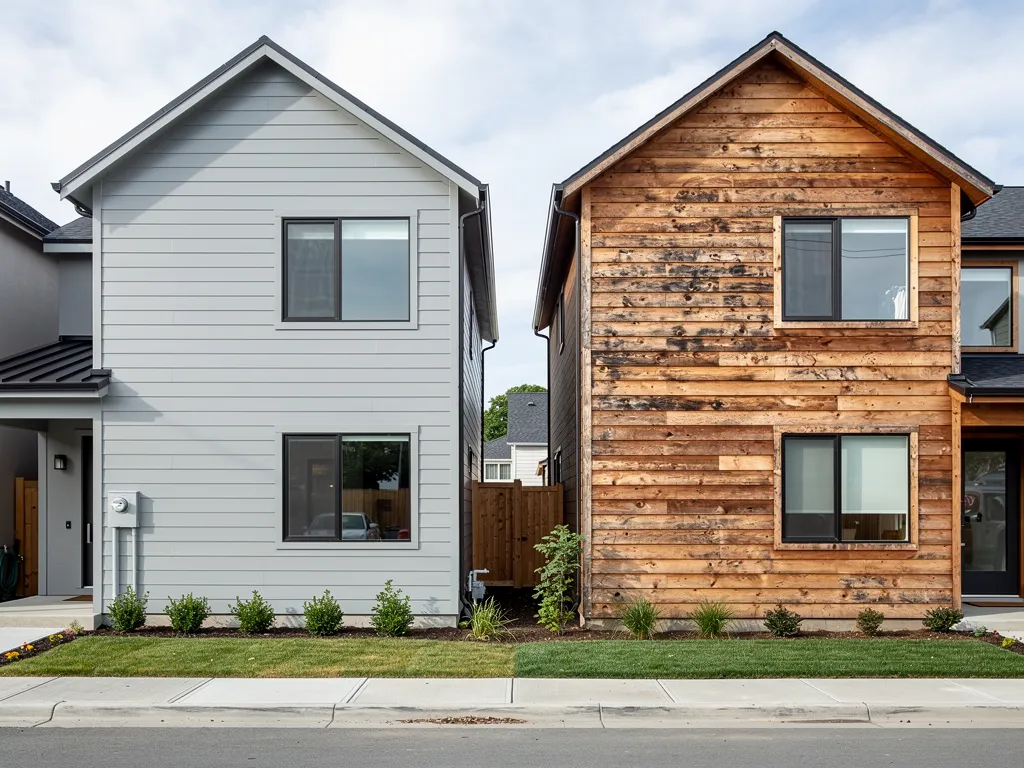
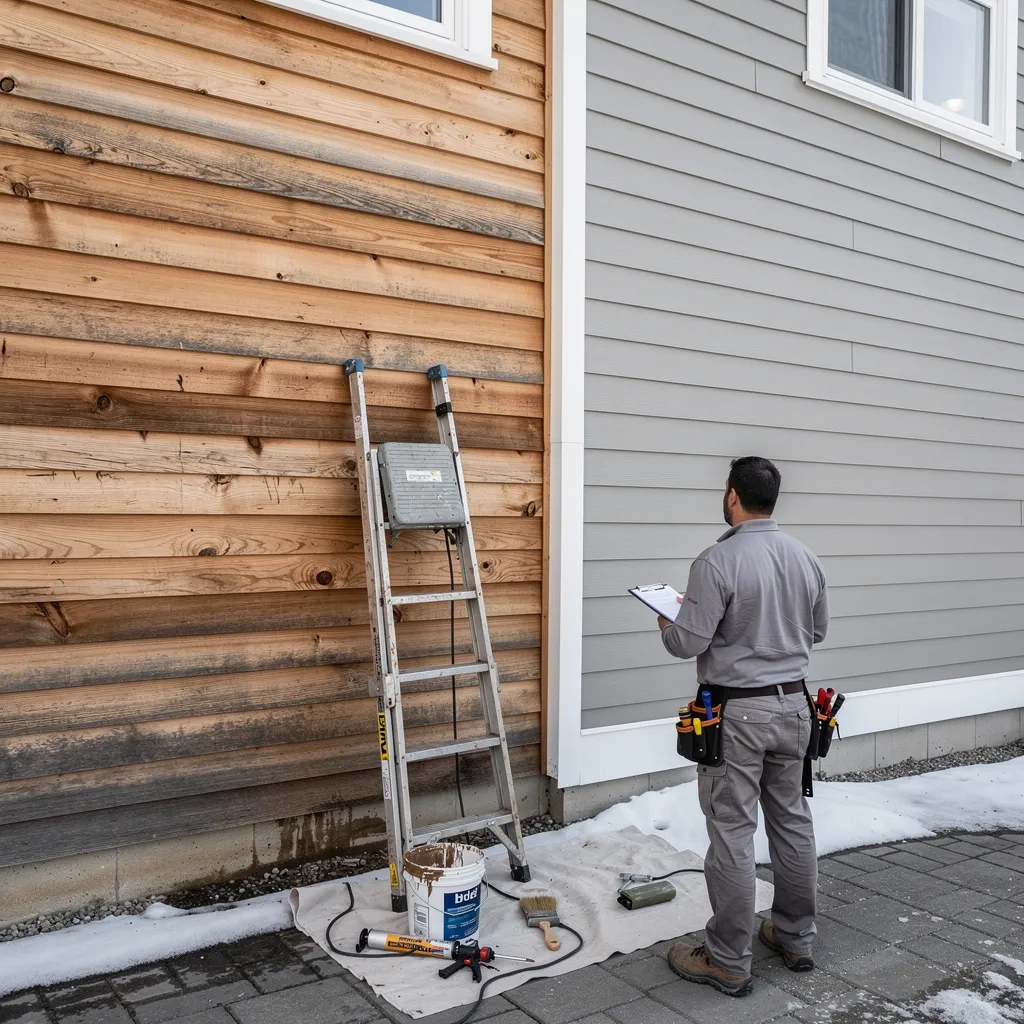
James Hardie siding demands far less ongoing maintenance than wood siding. Fiber cement resists moisture, rot, and pests by its material composition. Wood requires a recurring cycle of painting, staining, and sealing to avoid deterioration. Homeowners who skip these wood-care steps face rapid material breakdown and costly repairs.
The core difference lies in the material itself. James Hardie siding is made from fiber cement, a combination of cement, sand, and cellulose fibers. This composition makes the product extremely durable. It handles harsh weather without warping or cracking. Wood siding, while offering timeless beauty, is prone to rot, moisture damage, and pest infestation. Preserving its condition demands regular and consistent maintenance.
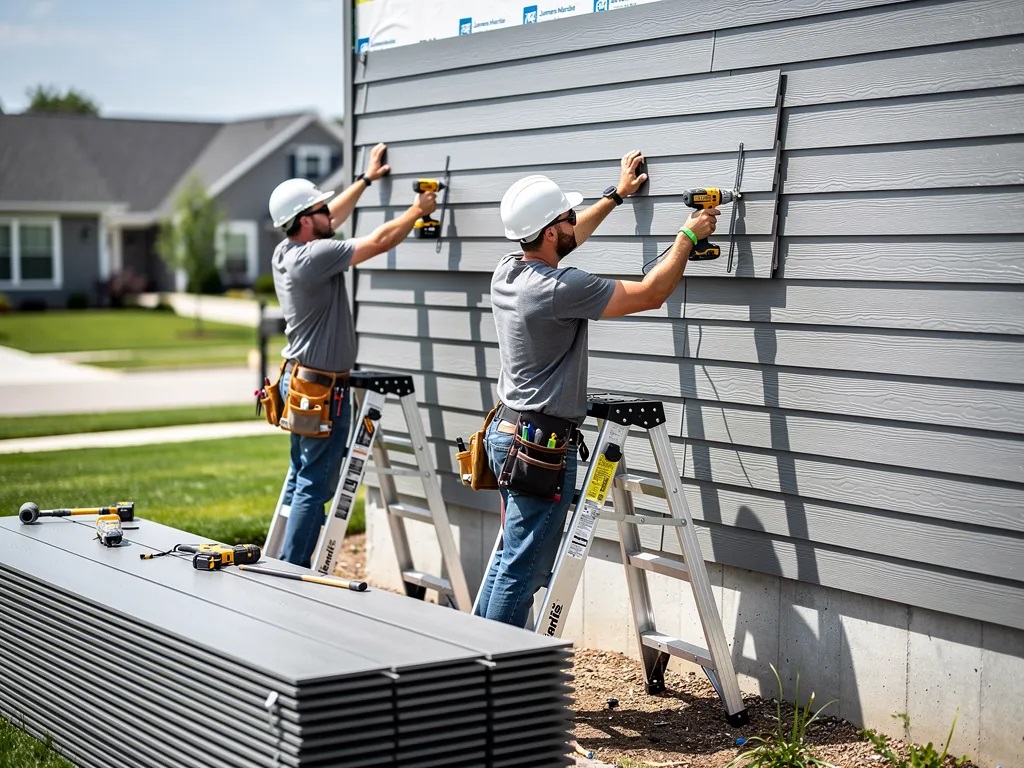
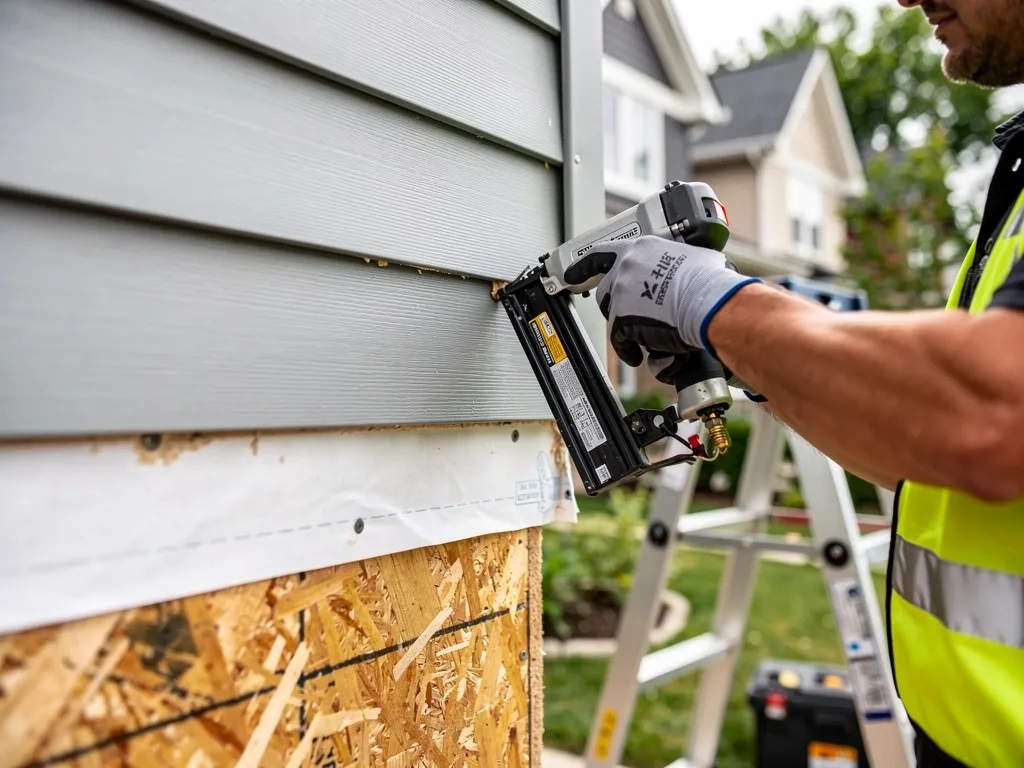
Alliance Exteriors Inc., a Toronto-based siding and exterior cladding specialist, installs both material types across the Greater Toronto Area. The company’s status as a James Hardie Certified Installer ensures every fiber cement project follows manufacturer specifications and local building code. This certified approach eliminates installation errors that compromise long-term performance.
How often does James Hardie siding need to be repainted?
James Hardie siding holds its factory-applied finish far longer than wood. The fiber cement surface does not swell or shrink with seasonal humidity. Most installations require repainting only after an extended period. Wood siding demands repainting or restaining every 3 to 7 years, depending on sun exposure and moisture levels. Skipping this cycle invites moisture intrusion and rot.
What happens if wood siding maintenance is neglected?
Neglected wood siding deteriorates quickly. Unsealed wood absorbs water, which leads to swelling, cracking, and fungal decay. Pest insects bore into softened fibers and accelerate structural damage. Repair costs escalate from simple spot treatments to full board replacements. A disciplined maintenance routine prevents these losses, but the time and expense remain significant over the siding’s lifespan.
Maintenance Factor
James Hardie Siding
Wood Siding
Material Composition
Fiber cement (cement, sand, cellulose fibers)
Natural wood
Moisture Resistance
Resists moisture and rot
Prone to rot and moisture damage
Pest Resistance
Resistant to pests, including termites
Vulnerable to pest infestation
Repainting Cycle
15+ years
Every 3 to 7 years
Required Upkeep
Low; occasional cleaning
High; periodic painting, staining, and sealing
For homeowners evaluating long-term value, the maintenance gap is decisive. Alliance Exteriors guides clients through material selection with transparent, itemized quotes. A disciplined installation process, backed by 5- and 10-year workmanship warranties, protects the investment. Following a few essential James Hardie siding maintenance practices keeps the exterior performing for decades with minimal intervention.
How Do Repaint Intervals Compare in Canadian Climates?
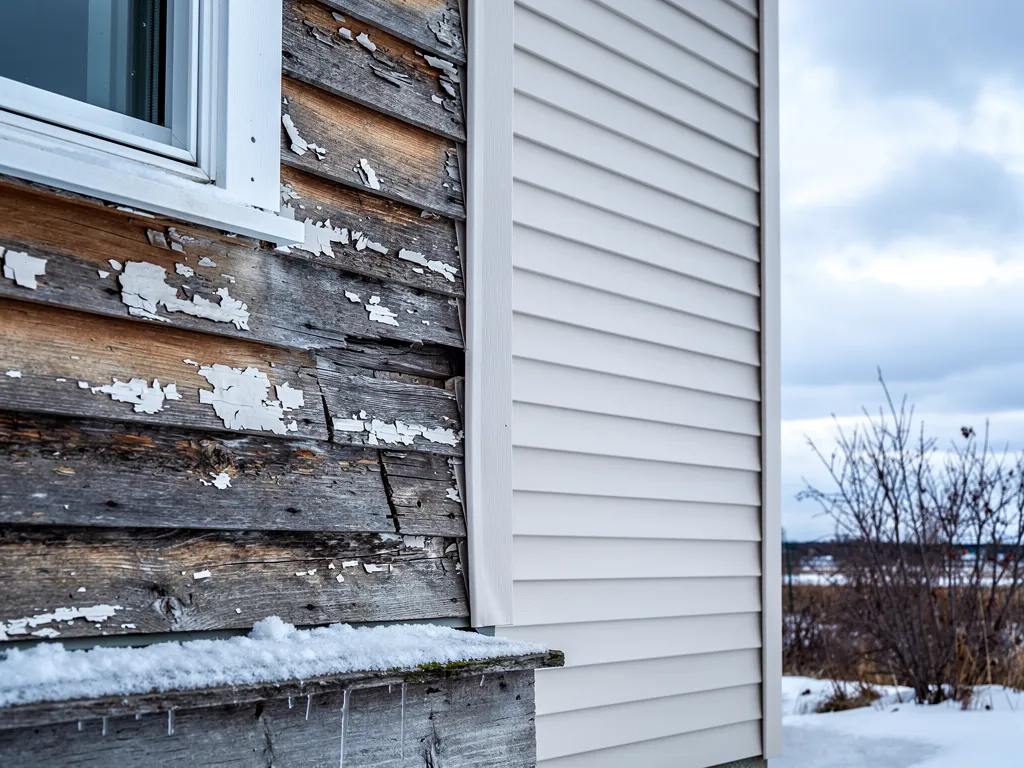
Repaint intervals for siding in Canadian climates diverge sharply between fiber cement and natural wood products. James Hardie fiber cement siding holds its factory-applied finish far longer than wood siding, which demands frequent recoating to survive Ontario’s freeze-thaw cycles and moisture exposure.
James Hardie siding is engineered to resist water and humidity. Hardie® products stand up to rain, sleet, and snow, which extends the life of the factory-applied finish. Homeowners in the Greater Toronto Area typically repaint fiber cement after an extended period. The material does not warp, crack, or absorb moisture the way wood does. That stability keeps paint adhered and intact through harsh winters and humid summers.
Wood siding presents a different reality. Wood is prone to rot, moisture damage, pests, and weathering. Without diligent maintenance, wood siding’s lifespan decreases substantially. Repainting or restaining becomes necessary every 3 to 7 years in Canadian conditions. Moisture intrusion behind peeling paint accelerates decay. Skipping a repaint cycle invites structural damage that compounds repair costs.
What Factors Shorten Paint Life on Wood Siding in Ontario?
Moisture drives paint failure on wood siding. Rain, snow, and ice force water into the wood grain, causing expansion and contraction that cracks surface coatings. Sun exposure fades and chalks unprotected wood surfaces. Wood-boring insects and woodpeckers create entry points where water penetrates. Each breach demands immediate sealing to prevent rot from spreading behind the siding.
How Does Fiber Cement Reduce Long-Term Repainting Costs?
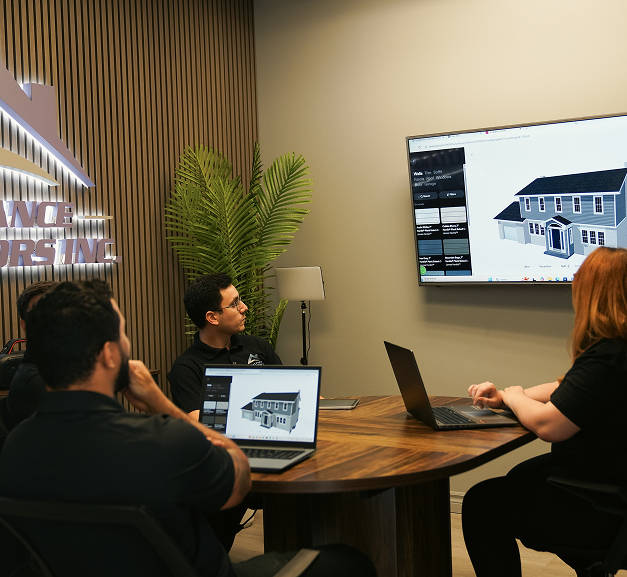
Fiber cement resists the swelling and shrinking that cracks paint on wood. The dimensionally stable substrate keeps paint films intact through temperature swings. Alliance Exteriors installs James Hardie fiber cement siding as a core service, delivering durable results engineered for Canada’s climate. The company’s exterior design consultations include material selection guidance and 3D mockups to help homeowners choose a siding system that matches both style and performance needs. A detailed comparison between James Hardie fiber cement siding and traditional wood siding shows how fiber cement offers superior moisture resistance and lower long-term maintenance commitments.
Siding Material
Typical Repaint Interval (GTA Climate)
Moisture Resistance
James Hardie Fiber Cement
15–20 years
Engineered to resist water and humidity
Natural Wood Siding
3–7 years
Prone to rot and moisture damage
Does Wood Siding Require More Than Just Repainting?
Yes. Wood siding maintenance extends beyond repainting. Caulking seams, replacing rotted boards, sealing end grain, and treating for pests become recurring tasks. Each season brings new exposure risks. Fiber cement eliminates most of these secondary maintenance demands. The material holds little appeal for pests and will not rot. The maintenance calendar shrinks to occasional cleaning and a repaint after well over a decade.
Which Material Handles Moisture and Pests Better?
James Hardie fiber cement siding resists moisture and pests far more effectively than natural wood. Wood siding absorbs water, rots, and attracts termites, while fiber cement remains dimensionally stable and unappealing to insects.
James Hardie siding delivers industry-leading durability against two of the most destructive forces a Toronto-area home faces: persistent dampness and wood-boring pests. The material withstands moisture without swelling, warping, or cracking. It also holds little appeal for pests, resisting termites and other insects that commonly damage natural wood siding. In contrast, fire feasts on wood and melts vinyl almost instantly, but Hardie fiber cement siding will not ignite when exposed to a direct flame nor contribute fuel to a fire. This combination of moisture, pest, and fire resistance makes fiber cement a comprehensive defensive system rather than a cosmetic layer.
Wood siding offers timeless beauty but demands constant vigilance. Without diligent maintenance, moisture intrusion leads to rot and structural decay. Pests find wood an ideal food source and nesting material. Homeowners who prioritize natural aesthetics can still achieve lasting results with proper installation. Alliance Exteriors installs Maibec wood siding with precise techniques that maximize longevity, though the material's inherent vulnerabilities remain.
How Does Moisture Damage Wood Siding Over Time?
Moisture penetrates wood fibers and triggers a cycle of expansion, contraction, and eventual rot. Once water breaches the surface, fungal growth begins within days. The damage accelerates through freeze-thaw cycles common in GTA winters. Alliance Exteriors installs weather barrier and insulation systems that create a protective shield around the home by blocking moisture, drafts, and heat transfer. This secondary defense layer proves critical regardless of the siding material chosen.
Which Siding Material Keeps Pests Away Permanently?
Fiber cement contains no organic food source for insects. Termites and carpenter ants bypass it entirely in search of digestible cellulose. Wood siding, even when treated, remains vulnerable to infestation over its service life. The pest resistance of James Hardie products is inherent to the material composition, not dependent on chemical treatments that fade or wash away. Homeowners evaluating long-term maintenance requirements for James Hardie siding compared to wood siding find that fiber cement eliminates the recurring cost and labor of pest remediation entirely.
Criteria
James Hardie Fiber Cement
Natural Wood Siding
Moisture resistance
Will not rot, warp, or crack
Absorbs water; prone to rot and swelling
Pest resistance
Holds little appeal for pests
Attracts termites and wood-boring insects
Fire performance
Will not ignite or fuel flames
Combustible; fire feasts on wood
Required maintenance
Minimal; no sealing or pest treatment
Regular painting, staining, and pest control
The performance gap widens in Southern Ontario's climate, where spring rains and humid summers create ideal conditions for wood decay. Alliance Exteriors brings certified expertise to every installation, ensuring the siding system performs as engineered. For a deeper look at how fiber cement protects homes year-round, the company's guide on the benefits of James Hardie siding covers fire, moisture, and pest resistance in detail.
What Are the Long-Term Upkeep Costs to Expect?
James Hardie siding incurs minimal long-term upkeep costs. Wood siding demands continuous financial and labor investment to prevent premature failure.
The divergence in maintenance obligations creates a stark cost gap over a 15- to 30-year ownership period. Fiber cement products resist the warping, cracking, and splitting that drive wood repair bills, as Matt's Exteriors confirms. This stability eliminates frequent carpentry callouts. Without diligent maintenance, wood siding's lifespan decreases substantially, leading to more frequent repairs and full replacement costs. Homeowners lose thousands of dollars to rot remediation, pest treatments, and repainting cycles that fiber cement owners never face.
How does material durability affect long-term spending?
Material composition dictates the spending trajectory for exterior cladding. James Hardie siding won't warp, crack, or split easily, which dramatically reduces long-term maintenance compared to wood. Fiber cement panels hold their dimensions through freeze-thaw cycles and summer humidity.
Wood boards swell, cup, and open gaps that admit water. Each compromised board requires individual replacement. Over a decade, these piecemeal repairs accumulate, often surpassing the incremental cost of a more durable initial installation.
What warranty protection backs the installation investment?
Strong warranty coverage protects homeowners from unexpected outlay. Alliance Exteriors provides transparent, itemized quotes so homeowners understand the full scope of their siding investment before work begins. Completed work by Alliance Exteriors is supported by 5- and 10-year workmanship warranties.
This dual-layer protection reinforces long-term performance and peace of mind. The company's warranties guard against installation defects while cost-effective James Hardie siding solutions deliver material-level guarantees. Clients committed to wood must budget for staining, sealing, and board replacement with no equivalent installer-backed assurance.
Upkeep Factor
Alliance Exteriors: James Hardie Siding
Traditional Wood Siding
Refinishing Cycle
Factory-applied finish lasts 15+ years
Repaint or restain every 3–7 years
Structural Repairs
Rare; resists warping and splitting
Frequent; boards cup, rot, and split
Pest Management
Not required; holds little appeal for pests
Ongoing treatment for termites and borers
Warranty Coverage
5- and 10-year workmanship warranties
Manufacturer material warranty only
Which Siding Is the Right Choice for Your Home?
The right siding choice depends on a homeowner's priorities for maintenance, aesthetics, and climate performance. Alliance Exteriors Inc. evaluates these factors during every consultation, matching materials to the specific demands of Toronto-area properties.
James Hardie fiber cement siding and traditional wood siding present fundamentally different ownership experiences. Hardie products resist moisture, pests, and fire without requiring annual staining or sealing. The material comes in a wide range of colors, styles, and finishes, as noted by James Hardie, making it easier to achieve a desired look while adding dependable protection. Wood siding offers natural grain character that some heritage projects demand, yet it carries a heavier maintenance burden with periodic painting, sealing, and repairs.
Alliance Exteriors specializes solely in siding and cladding systems. This focused expertise means the company brings deep material knowledge and precise execution to every installation, rather than splitting attention across unrelated trades.
What sets a specialist siding contractor apart from a general contractor?
A specialist contractor dedicates its entire operation to exterior cladding. Alliance Exteriors Inc. works exclusively with siding systems, developing refined techniques for fiber cement, wood, metal, and composite materials. The company's disciplined process includes a design consultation, an on-site assessment with a transparent quote, professional installation, and a final walkthrough with warranty documentation. General contractors divide their attention across many trades, which can compromise the depth of siding-specific knowledge applied to a project.
How do I decide between low-maintenance and natural wood siding in the GTA climate?
Start by weighing annual upkeep against long-term protection. Homeowners across Toronto, North York, Oakville, Vaughan, and Mississauga work with Alliance Exteriors to assess how each material handles freeze-thaw cycles, humidity, and seasonal temperature swings. Those wanting a what sets James Hardie apart from conventional wood often prioritize the engineered durability that fiber cement provides. Others restoring older homes may accept the maintenance commitment for authentic wood aesthetics.
Criteria
James Hardie Fiber Cement
Traditional Wood Siding
Maintenance frequency
Low; no annual painting or staining
High; periodic painting, staining, and sealing
Pest resistance
Holds little appeal for pests
Vulnerable to termites and wood-boring insects
Moisture resistance
Withstands moisture and resists rot
Prone to rot and water damage without diligent care
Fire resistance
Will not ignite or contribute fuel to a fire
Combustible
Aesthetic options
Wide range of colors, styles, and finishes
Natural grain character with stain or paint
Climate suitability (GTA)
Engineered for freeze-thaw and humidity
Requires consistent maintenance in variable climates
FAQ
How often does James Hardie siding need to be repainted compared to wood siding?
James Hardie siding requires repainting after 15 years or more. Wood siding demands repainting or restaining every 3 to 7 years.
What happens if wood siding maintenance is neglected?
Neglected wood siding deteriorates quickly. Unsealed wood absorbs water, leading to swelling, cracking, and fungal decay. Pest insects bore into softened fibers, and repair costs escalate from spot treatments to full board replacements.
Does James Hardie siding resist pests and moisture like wood siding?
James Hardie resists moisture, rot, and pests, including termites, by its material composition. Wood siding is prone to rot, moisture damage, and pest infestation.
Conclusion
For homeowners weighing these two materials, the decision comes down to a single question: how much ongoing work are you willing to accept? James Hardie fiber cement delivers the curb appeal of wood without the constant cycle of staining, sealing, and board replacement that wood demands. Choosing fiber cement means investing in a siding system engineered for the GTA climate, backed by workmanship warranties that protect your investment for years to come.