How James Hardie Siding Compares to Traditional Wood Siding
What Are The Main Differences Between These Sidings?
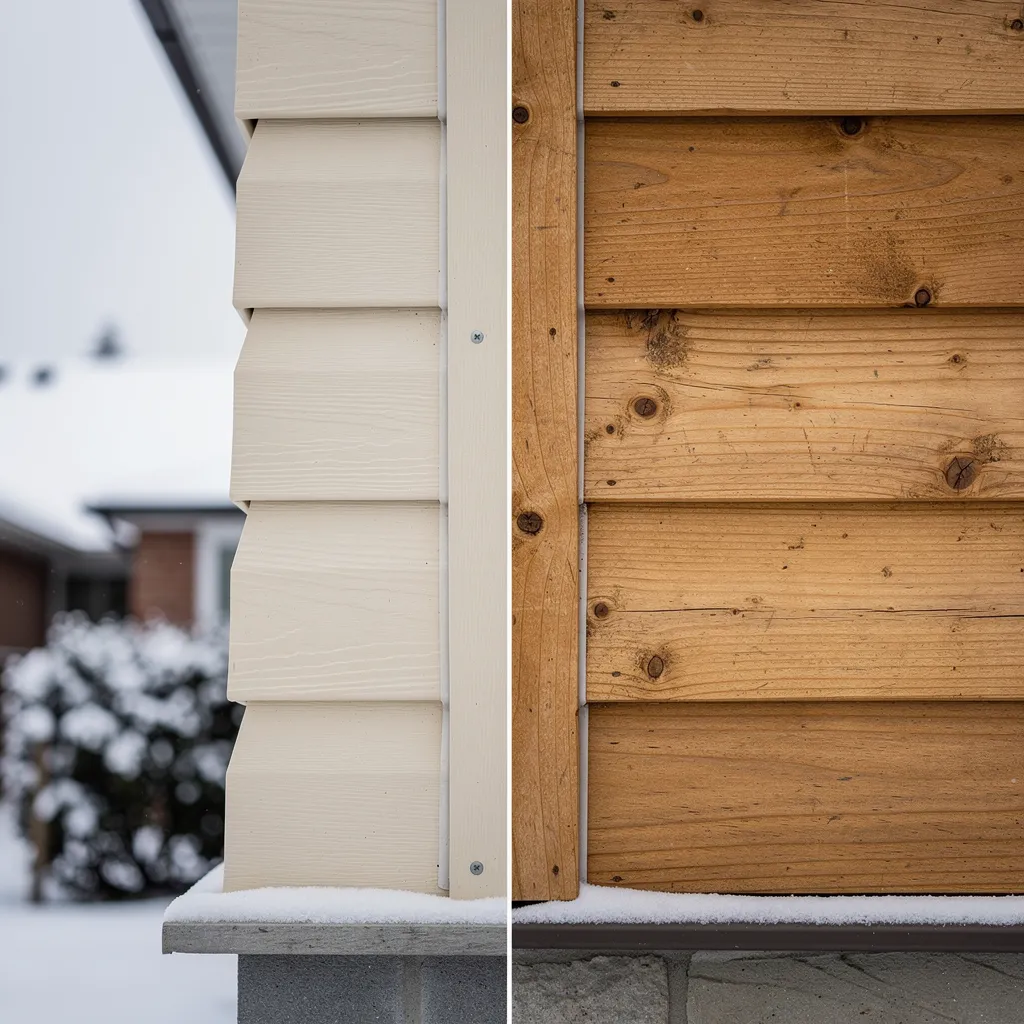
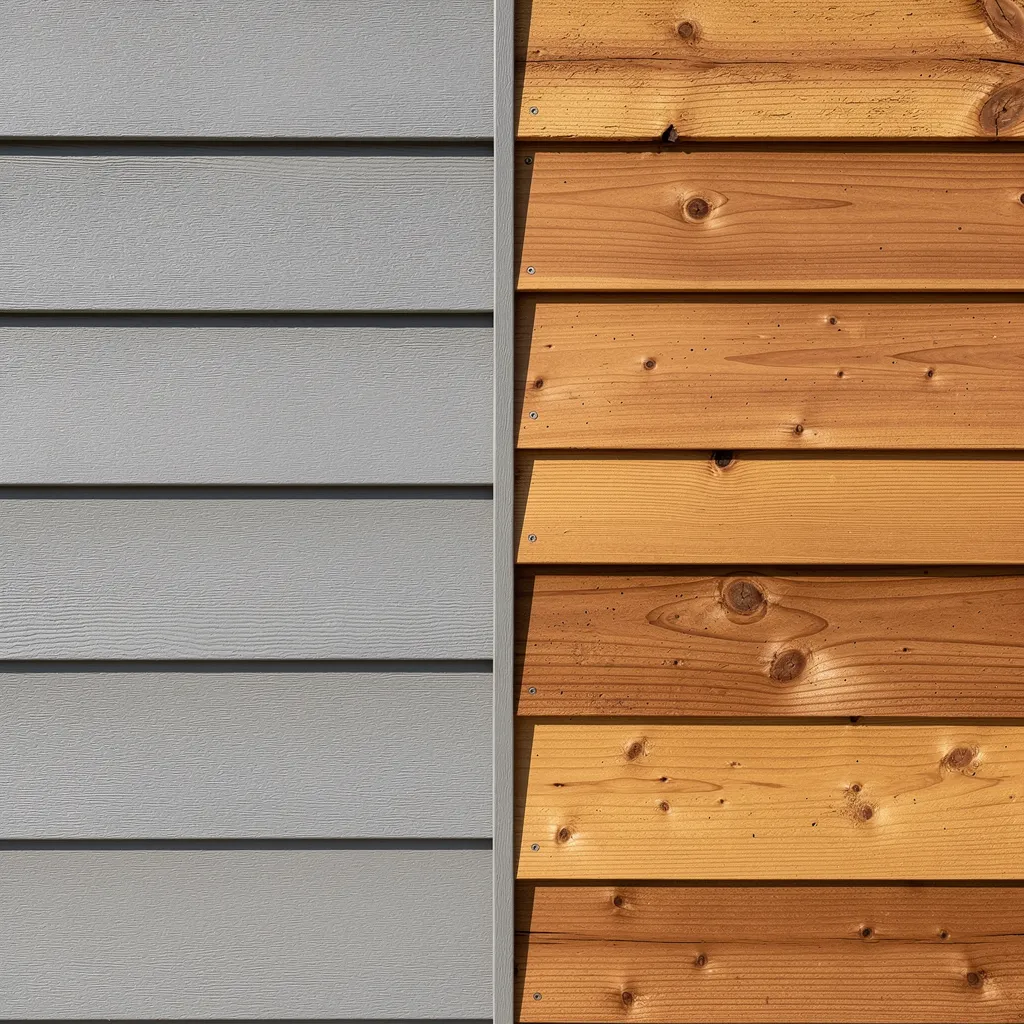
In answering What Are the Main Differences Between James Hardie Siding. Wood Siding?, composition separates these two products at the core. [James Hardie siding](https://www.allianceexteriors.ca/james-hardie-siding) combines cement, sand, and cellulose fibers into a fiber cement board built for strength. Wood siding comes straight from nature, prized for its grain and warmth but behaving very differently once installed on a home.
That composition drives every other difference homeowners notice. Fiber cement resists moisture penetration and holds its shape through Ontario's freeze-thaw cycles far better than a natural wood board. Wood siding, by contrast, reacts to humidity and temperature swings, which can lead to warping or splitting over time without diligent upkeep.
How Durable Is Each Material In Freeze-Thaw Climates?
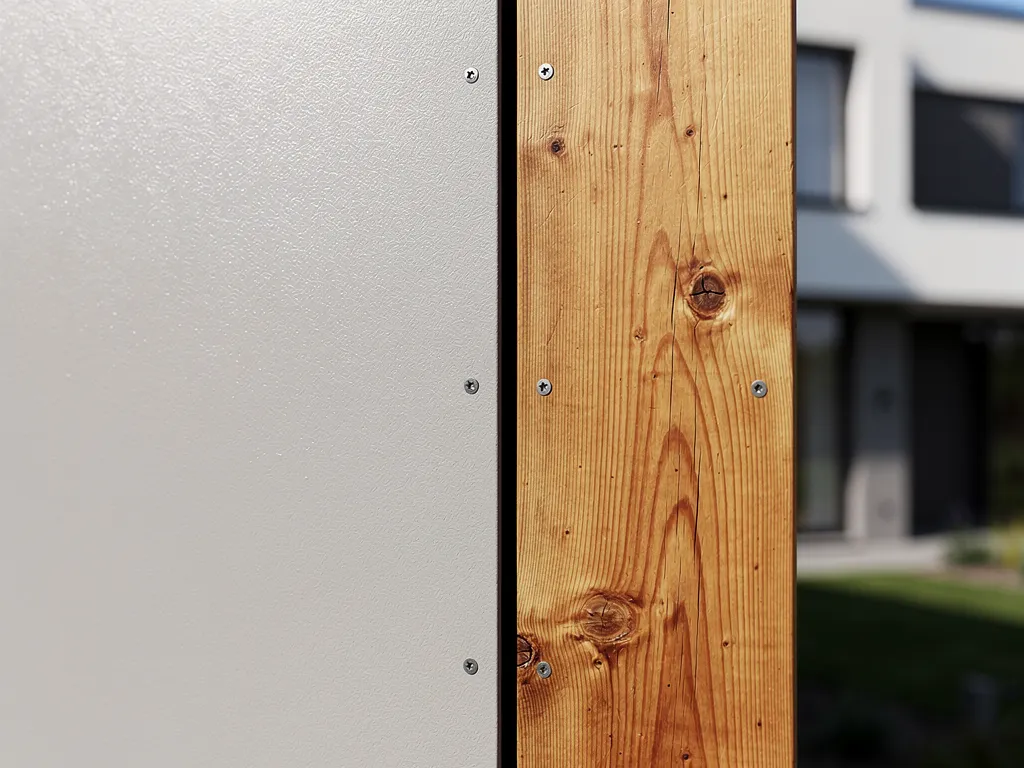
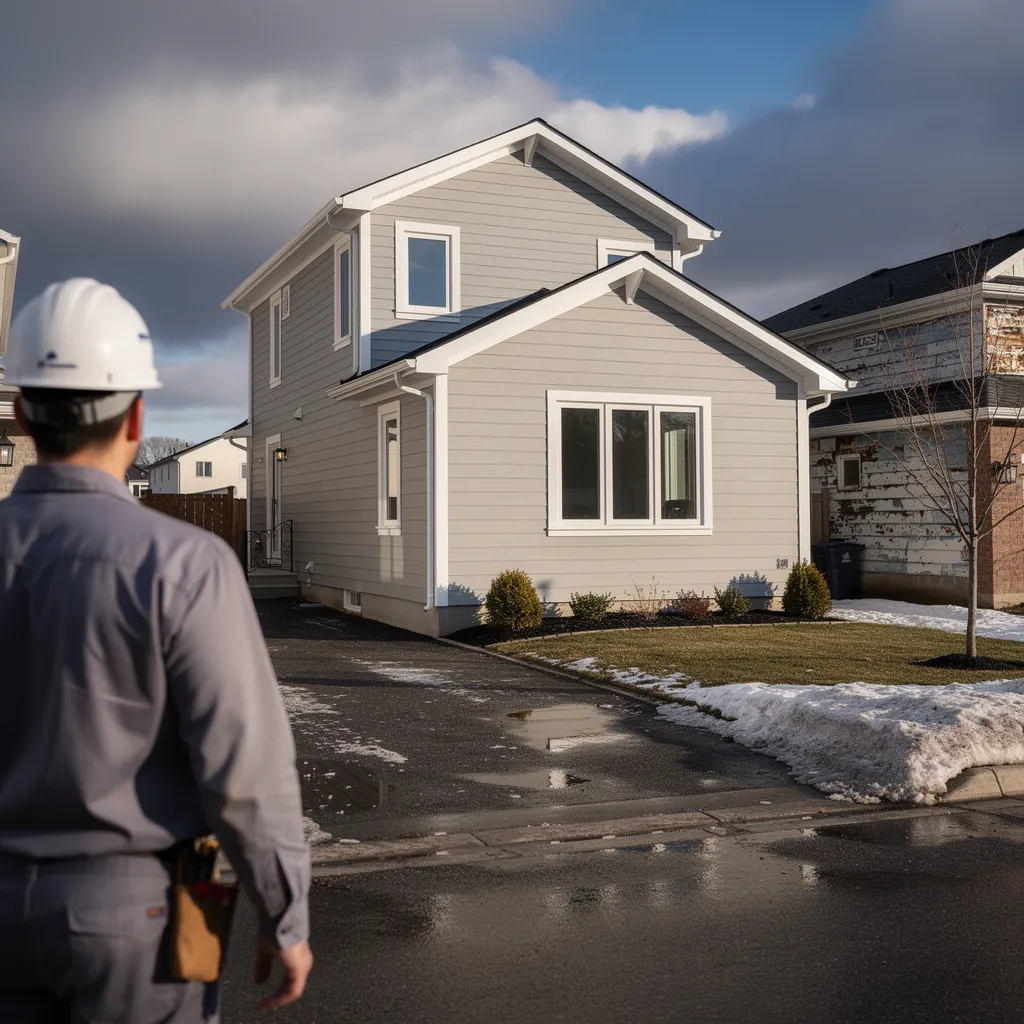
Fiber cement outperforms wood when Ontario winters cycle between thaw and deep freeze. James Hardie siding resists moisture and rot, standing firm against harsh weather that would otherwise seep into seams and crack a facade apart. Wood siding tells a different story. Left unmaintained, wood stays vulnerable to rot, moisture damage, pests, and weathering, especially once Toronto's freeze-thaw swings force water into tiny cracks that widen with every cold snap.
What protects siding from the inside out?
Durability doesn't stop at the cladding surface. Alliance Exteriors' weather barrier and insulation installation adds a protective shield behind the siding, blocking moisture, drafts, and heat transfer before they reach the structure. Combined with added insulation, this layer improves energy efficiency and indoor comfort while reinforcing whatever siding material sits on top. For a home exposed to Ontario's freeze-thaw cycles, that hidden barrier often determines whether the exterior lasts decades or needs early repairs.
What Maintenance Does Each Siding Demand Long-Term?
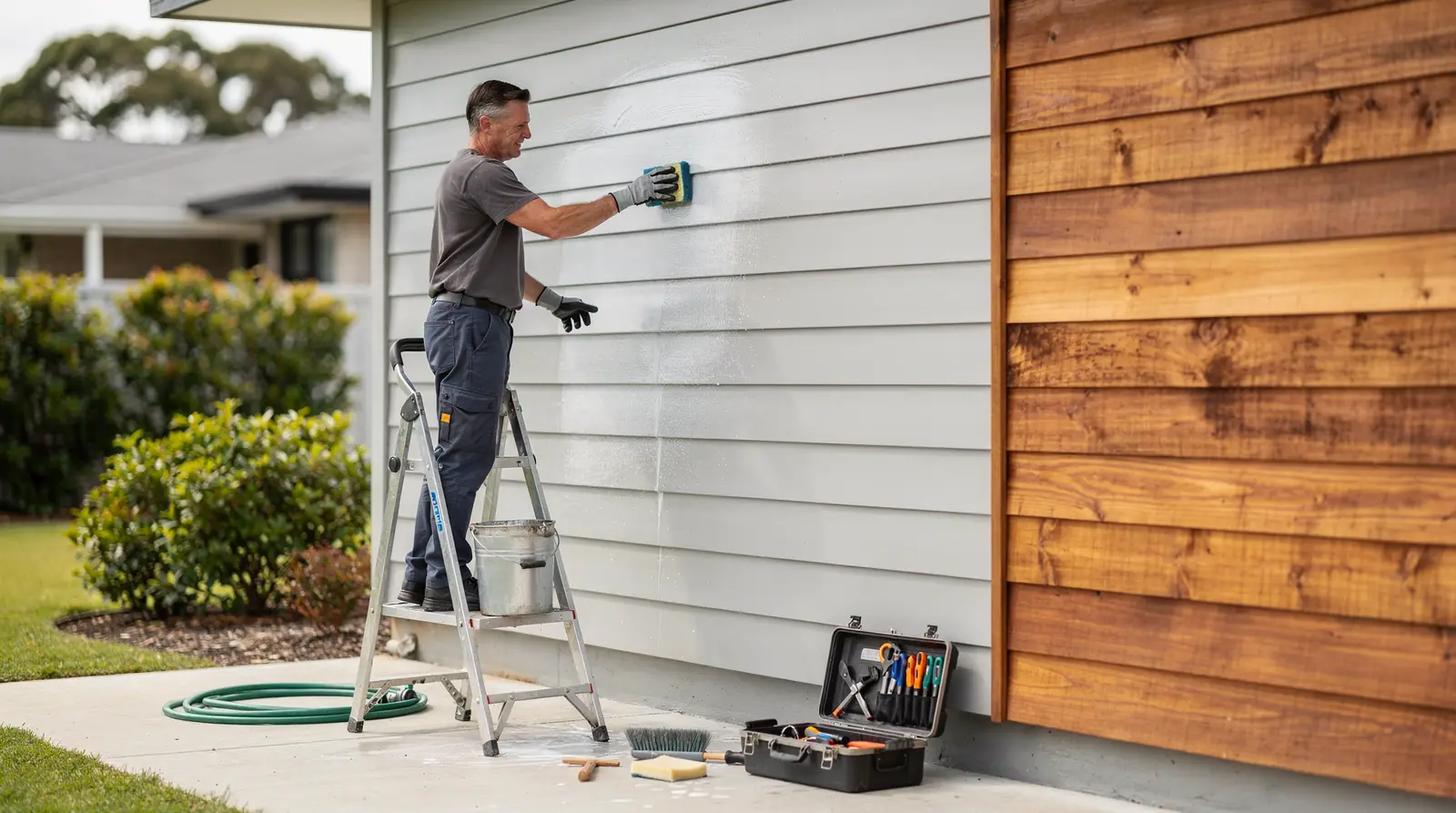
Long-term upkeep separates these two materials more than any other factor. Wood siding demands a recurring cycle of painting, staining, sealing, and repairs to hold its appearance against Ontario's freeze-thaw swings. James Hardie siding, by contrast, resists warping, cracking, and splitting, which cuts the maintenance workload dramatically over the life of the cladding.
Why Does Wood Siding Need So Much Upkeep?
Wood reacts to moisture and temperature swings in ways fiber cement simply doesn't. Each winter's freeze-thaw cycle pushes moisture into the grain. Without fresh paint, stain, or sealant, that moisture eventually leads to rot, splitting, or cupped boards. Homeowners who choose wood should plan for ongoing refinishing as part of the ownership cost, not an occasional chore.
Does Fiber Cement Siding Ever Need Attention?
Fiber cement still benefits from periodic inspection, but it skips the repaint-and-reseal treadmill that wood requires. Because the board resists cracking and splitting, small seasonal touch-ups replace full refinishing projects.
Homeowners drawn to authentic wood grain can consider Alliance Exteriors' Maibec architectural wood siding systems, which offer natural beauty but still require regular upkeep. Whichever material fits the project, every completed installation carries 5- and 10-year workmanship warranties, giving GTA homeowners long-term confidence in the finished exterior.
Why Does Installation Technique Matter So Much?
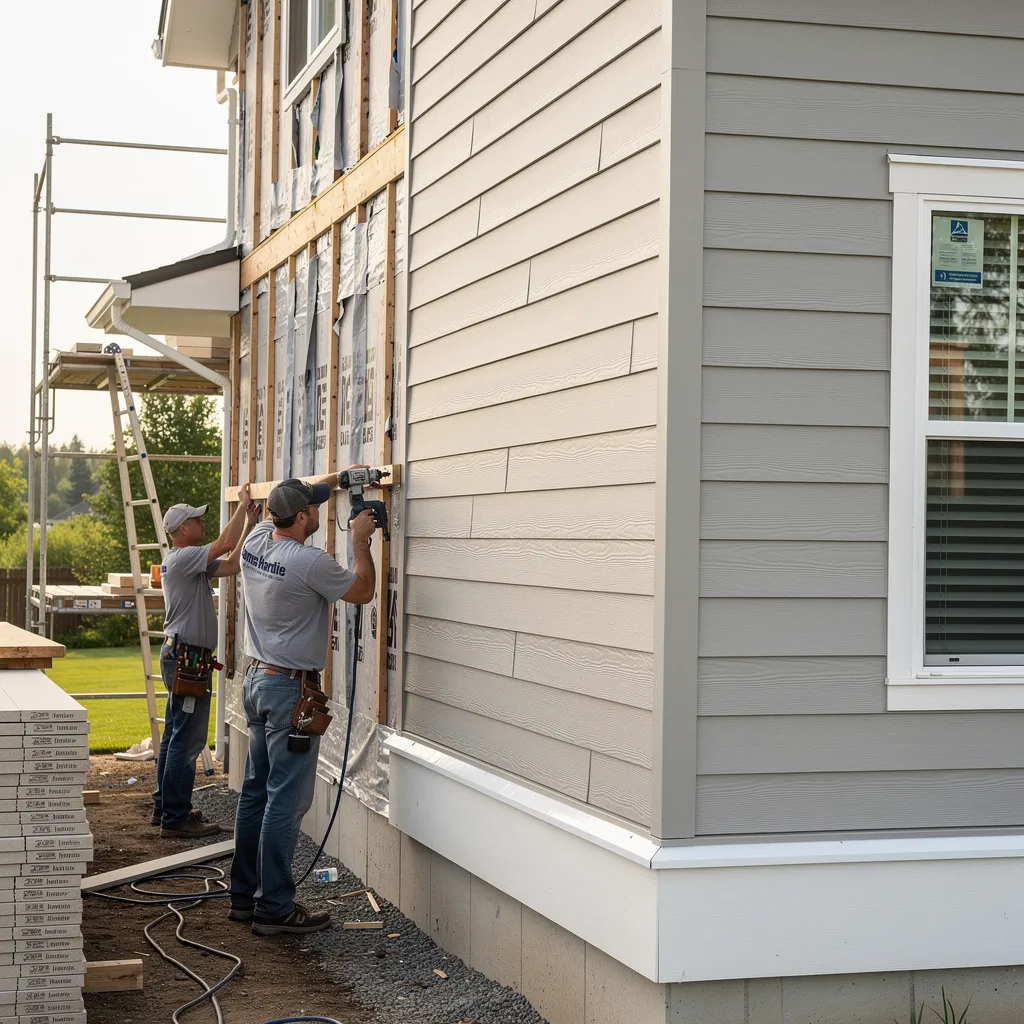
Installation technique determines whether fiber cement and wood siding perform for decades or fail within a few seasons. A single detail, how the boards meet the window casing, separates a durable exterior from a leak-prone one. Fiber cement and wood both require the siding to butt directly against the window casing rather than tuck beneath it the way vinyl does. Contractors accustomed to vinyl often miss this distinction, and the mistake invites moisture intrusion behind the cladding.
Toronto's freeze-thaw cycles punish any gap or shortcut in the building envelope. Water that sneaks behind improperly fitted siding freezes, expands, and accelerates rot or cracking long before the material's rated lifespan runs out. Correct technique isn't cosmetic; it's the difference between a wall assembly that sheds water and one that traps it.
Does certified installation really change the outcome?
Yes. Alliance Exteriors Inc. is a James Hardie Certified Installer, which means every fiber cement project follows manufacturer-approved methods from the first cut to the final fastener. That certification translates into installations completed to manufacturer specifications and local building code requirements, not generic industry habit.
What should homeowners look for in a siding contractor?
Homeowners comparing the main differences between James Hardie siding and wood siding should ask contractors how they handle window casings, flashing, and fastening patterns, since these details decide long-term performance. Alliance Exteriors brings deep material knowledge, precise execution, and organized project management to every job, including:
- Correct casing-to-siding alignment for both fiber cement and wood systems
- Code-compliant fastening and clearance details
- Manufacturer-specified flashing and moisture management
- Site-coordinated scheduling that keeps installation standards consistent from start to finish
Which Siding Should Toronto Homeowners Choose?
The right answer depends on priorities: authentic wood character, engineered low-maintenance performance, or a blend of both. Freeze-thaw cycles across Toronto, North York, Oakville, Vaughan, Etobicoke, Markham, Woodbridge, Mississauga, Richmond Hill, and Scarborough put real stress on exterior cladding. The decision deserves more than a quick aesthetic preference.
Homeowners drawn to natural grain and texture but wary of repainting schedules have an alternative worth considering. PVC, WPC, and composite siding reproduces the warm, timeless look of real wood while delivering rock-solid strength and all-weather durability. It resists the swelling, cracking, and rot that plague traditional wood siding through Ontario's freeze-thaw seasons, cutting long-term upkeep considerably.
Is It Better to See the Siding Before Committing?
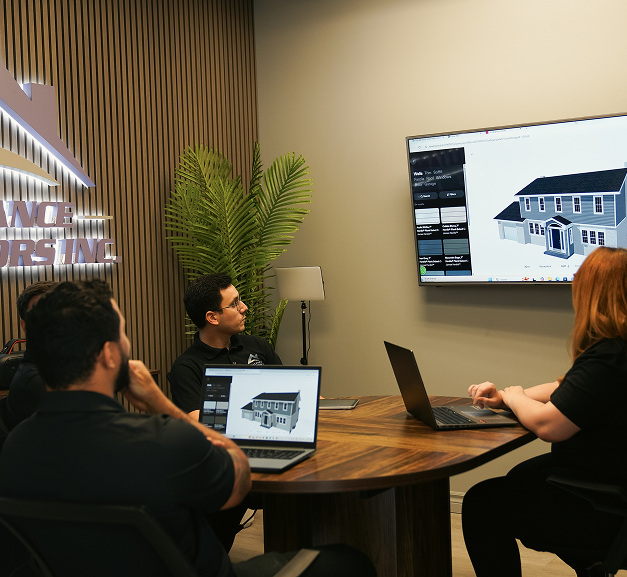
Yes, visualizing the finished exterior before installation prevents costly surprises. Design consultations include material selection guidance and 3D mockups, giving homeowners a clear preview of color, texture, and profile against their home's actual architecture.
FAQ
What is the main difference between James Hardie and wood siding?
James Hardie siding is fiber cement made from cement, sand, and cellulose fibers, built for strength and moisture resistance. Wood siding comes from natural material that reacts to humidity and temperature swings, leading to warping or splitting.
Does wood siding require more maintenance than James Hardie siding?
Yes, wood siding demands periodic painting, staining, and sealing to prevent rot and pest damage. Fiber cement siding holds its finish and structure with minimal ongoing attention.
How does each siding perform in Ontario's freeze-thaw climate?
Fiber cement resists moisture penetration and holds its shape through Ontario's freeze-thaw cycles. Wood siding, left unmaintained, stays vulnerable to rot, moisture damage, pests, and weathering as cold snaps force water into cracks.
Conclusion
In closing, the choice between James Hardie and wood siding hinges on your priorities: James Hardie delivers superior durability, minimal maintenance, and engineered performance for Canada's climate. Wood siding offers timeless aesthetic appeal and natural warmth at a lower initial cost. Both materials, when professionally installed to manufacturer specifications, provide lasting exterior protection. Your decision ultimately reflects the balance you seek between longevity and visual character for your home's exterior.