How Does James Hardie Siding Withstand Toronto's Harsh Climate?
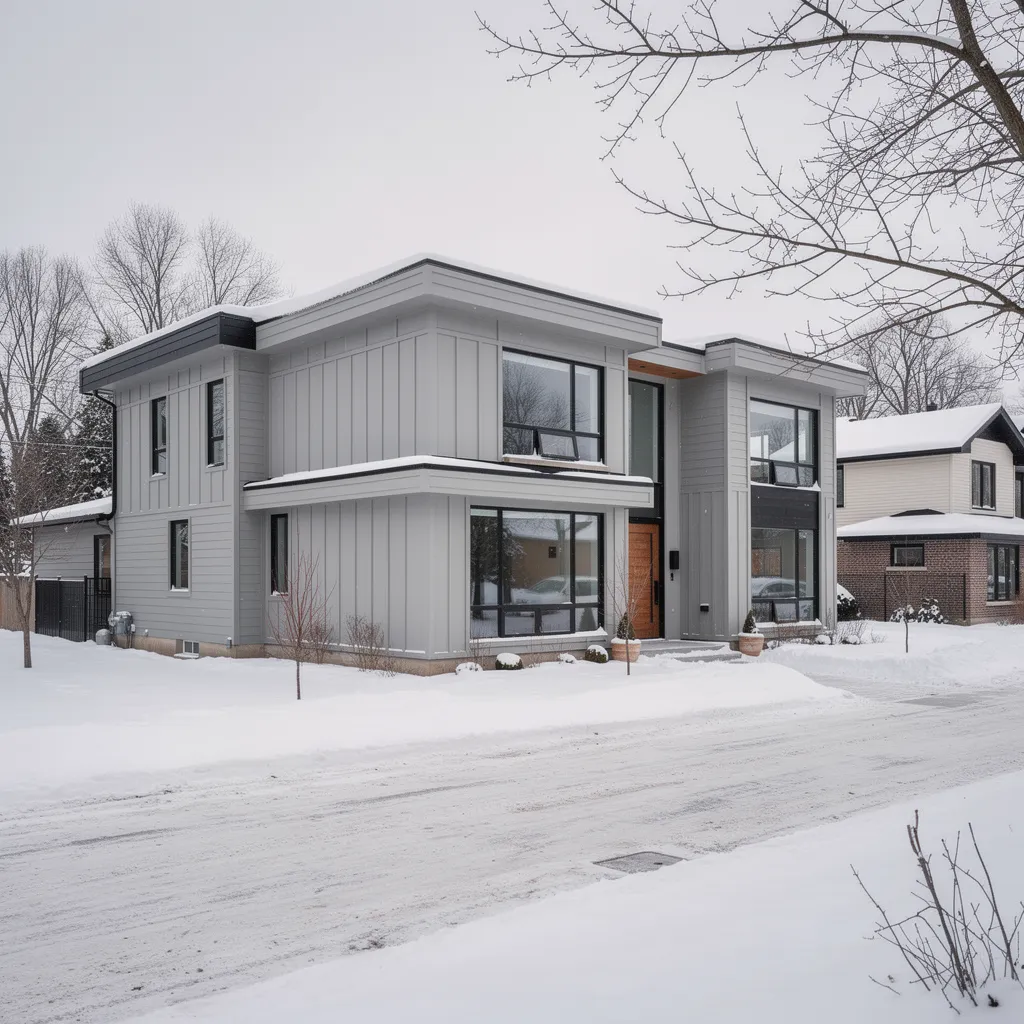
James Hardie fiber cement siding withstands Toronto's freeze-thaw cycles, wind, and humidity as an Engineered for Climate® product, ensuring resistance to warping and cracking. Proven across Toronto and the GTA for decades, it delivers lasting, low-maintenance protection validated by extensive real-world performance across Toronto's demanding climate. Alliance Exteriors Inc. installs this weather-tested system for Toronto and GTA homeowners seeking durable exterior cladding.
How Does James Hardie Siding Hold Up Against Toronto's Climate Conditions?
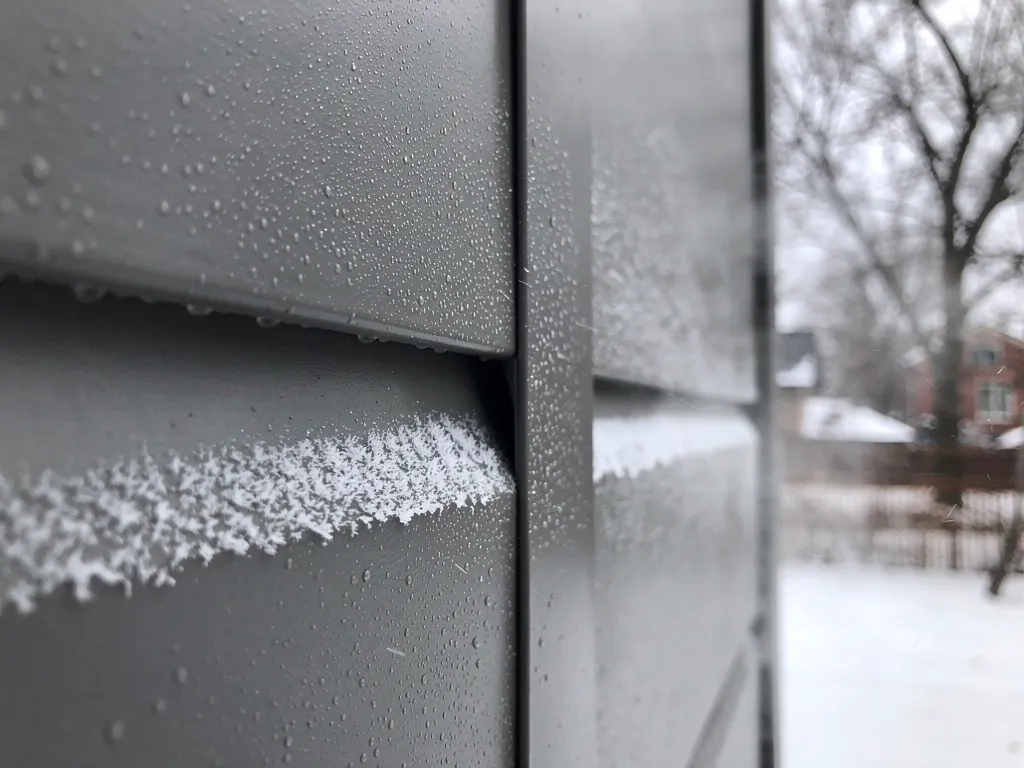
Toronto's climate pushes exterior materials through a brutal annual cycle: bitter winter cold, sudden thaws, driving rain, and humid summer swings that strain lesser products. These seasonal extremes test siding materials harder than most climates homeowners in the region ever anticipate. James Hardie fiber cement siding meets that cycle head-on, engineered specifically to withstand freeze-thaw stress, wind, and persistent moisture without warping or cracking. Toronto homeowners get a product built for exactly these seasonal extremes, not a material adapted from a milder region.
Why does fiber cement outperform other siding materials here?
Fiber cement resists the structural fatigue that comes from repeated freezing and thawing, a cycle that wears down wood and vinyl alternatives faster. Its composition holds its shape through temperature swings, keeping seams tight and surfaces smooth across Toronto winters and summers alike.
Durability claims matter less without scale to back them. James Hardie siding has established a strong track record throughout Toronto and the GTA. That record is reinforced by a broader history of over 10 million installations across North America. Decades of real-world weather exposure that extend to Toronto's own demanding climate.
Key performance traits for Toronto properties include:
- Resistance to warping and cracking under freeze-thaw stress
- Protection against wind-driven rain and moisture intrusion
- Fire and pest resistance built into the material itself
- Proven longevity demonstrated across Toronto-area homes over decades of real-world weather exposure
Who installs this siding for Toronto properties?
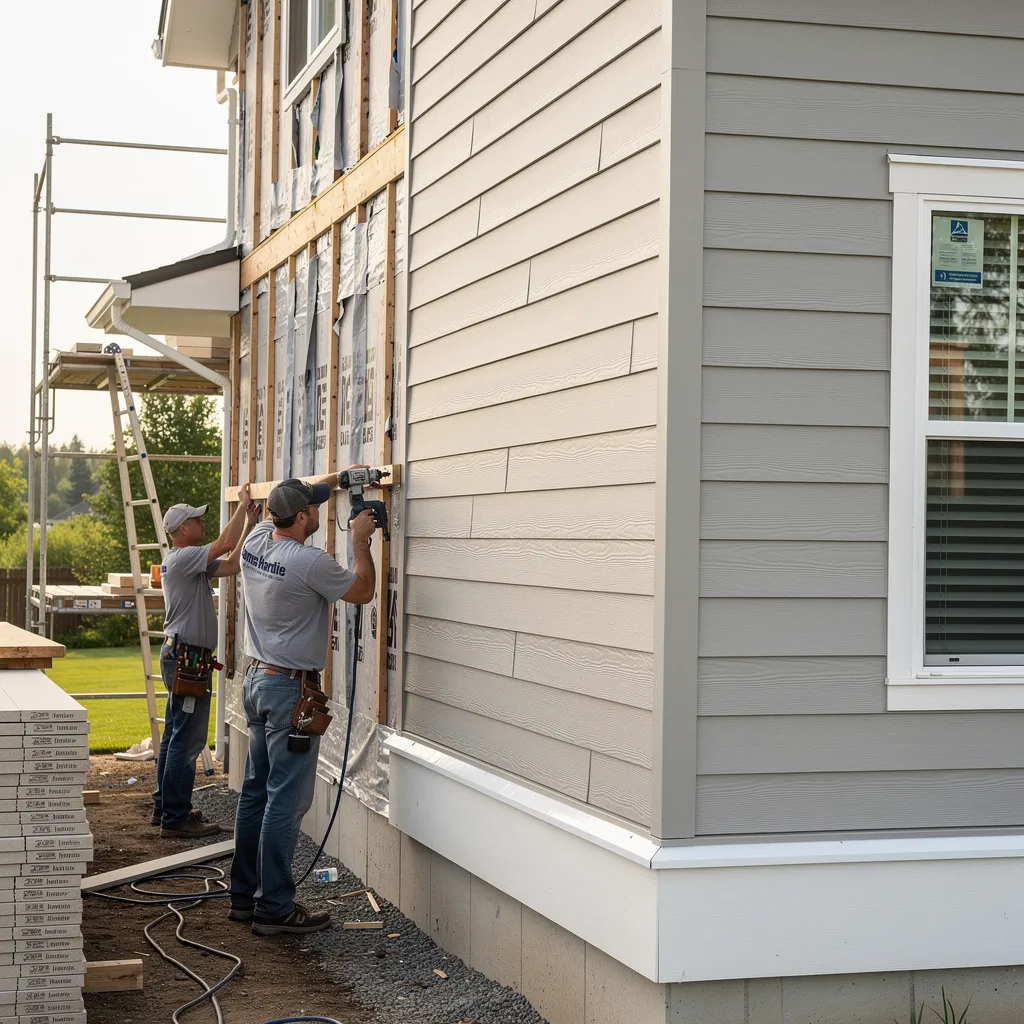
Alliance Exteriors Inc. is based in North York, Ontario, and installs James Hardie siding for homeowners and builders throughout Toronto and the surrounding GTA. The company brings certified installation expertise to every project, ensuring the material performs exactly as engineered once it's on the wall. Toronto properties demand siding built for extremes, and that's precisely what this installation delivers.
What Makes Freeze-Thaw Cycles So Damaging?
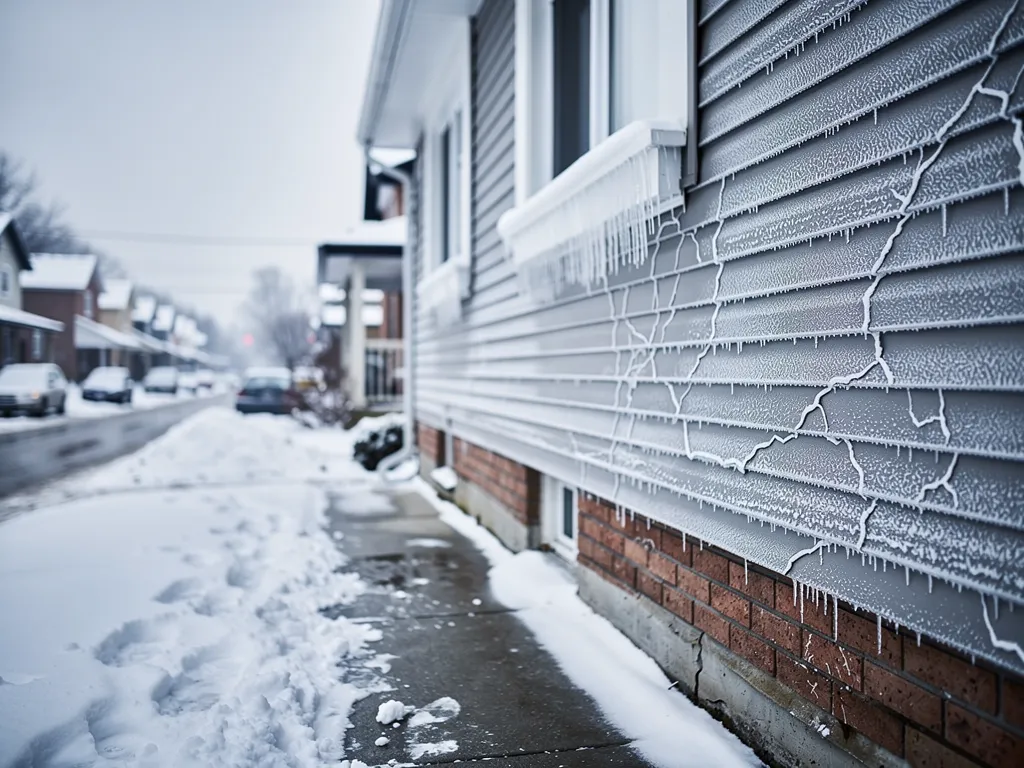
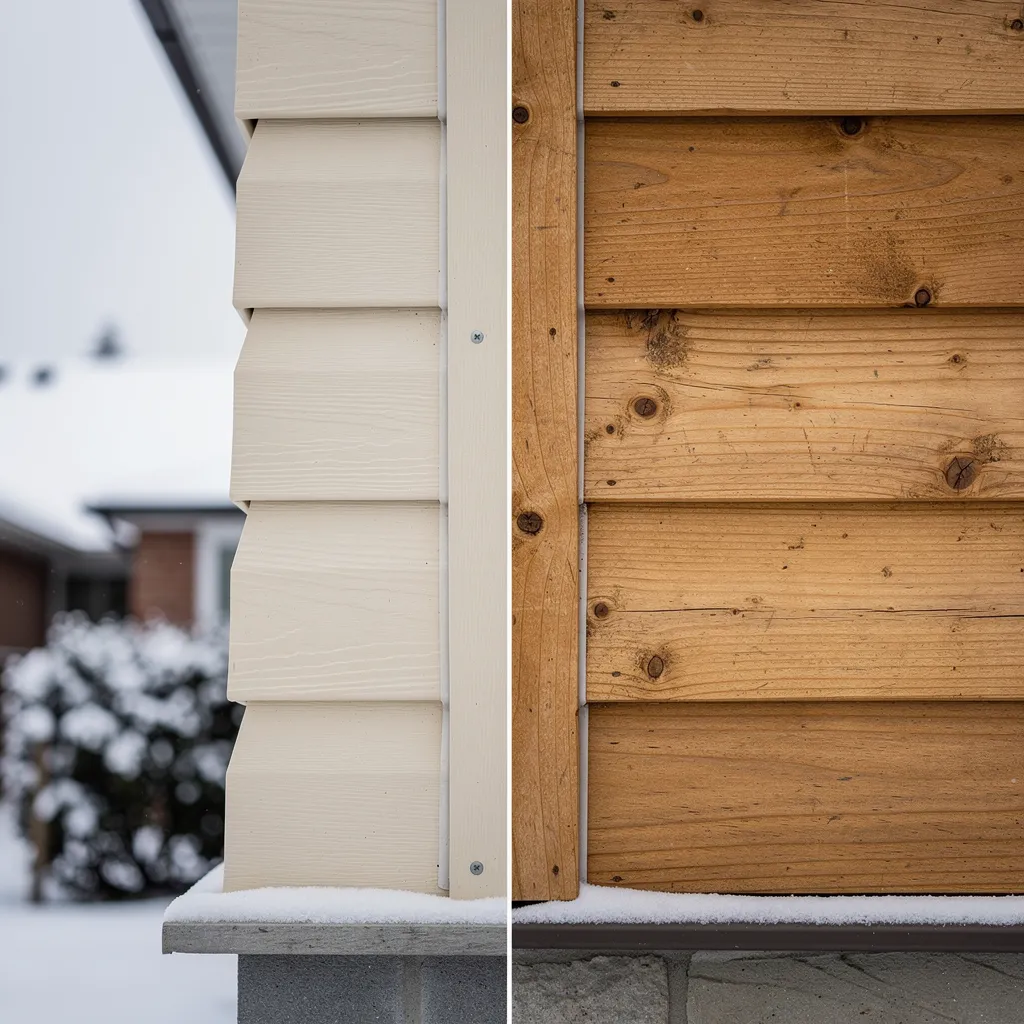
Repeated freezing and thawing attacks a home's exterior at the molecular level, forcing moisture into tiny cracks and then expanding that moisture into ice. Toronto winters deliver this cycle dozens of times per season, and unprotected cladding pays the price. Snowstorms and sudden freezing conditions cause real, measurable damage: siding left unprotected cracks, warps, or allows moisture to seep behind the cladding during these repeated thaw-and-freeze events.
The real problem is material mismatch. Products engineered for milder regions often fail once Toronto's seasonal swings take hold. Materials performing well in one climate zone can deteriorate faster when subjected to Toronto's distinct combination of humid summers and frigid, snow-heavy winters.
Why Does Toronto's Climate Pose a Unique Siding Challenge?
Toronto homeowners face a wider temperature range than most Canadian markets, cycling from humid, sticky summer heat to deep winter freezes within months. Siding exposed to this pattern of hot summers. Freezing winters is prone to cracking or warping without the right material behind it. That volatility separates Toronto's demands from a simple cold-weather climate.
How James Hardie siding holds up against Toronto's climate conditions comes down to engineered resistance rather than luck. Compared with conventional cladding, James Hardie fiber cement siding offers enhanced resistance to warping and cracking.
Signs a Toronto home's siding is losing the freeze-thaw battle:
- Visible hairline cracks that widen after each cold snap
- Warped or bowed panels along sun-exposed walls
- Soft spots signaling trapped moisture behind the cladding
- Paint peeling faster than expected for the siding's age
Spotting these signs early protects a Toronto property from costlier repairs down the road.
Can Siding Really Resist Fire And Pests?
Fiber cement siding genuinely resists fire, pests, water, and weather damage, a combination few exterior materials can match. For Toronto homes facing lake-effect humidity and sub-zero winters, that resistance protects the asset that matters most. How James Hardie siding holds up against Toronto's climate conditions starts with its core composition: cement, sand, and cellulose fibers engineered to withstand sustained environmental stress rather than wear down from it.
Fire performance sets this material apart from traditional alternatives. James Hardie fiber cement siding will not ignite from direct flame exposure and adds no fuel to a fire. Wood siding burns readily, and vinyl melts within seconds under similar heat. For GTA properties situated near wooded ravines or tightly spaced urban lots, that distinction carries real weight.
Does Fiber Cement Siding Attract Pests?
No. Unlike wood siding, fiber cement holds little appeal for insects and rodents looking for a food source or nesting material. Toronto homeowners avoid the carpenter ant and woodpecker damage that plagues cedar and other natural wood exteriors.
How Does It Compare To Wood In Extreme Weather?
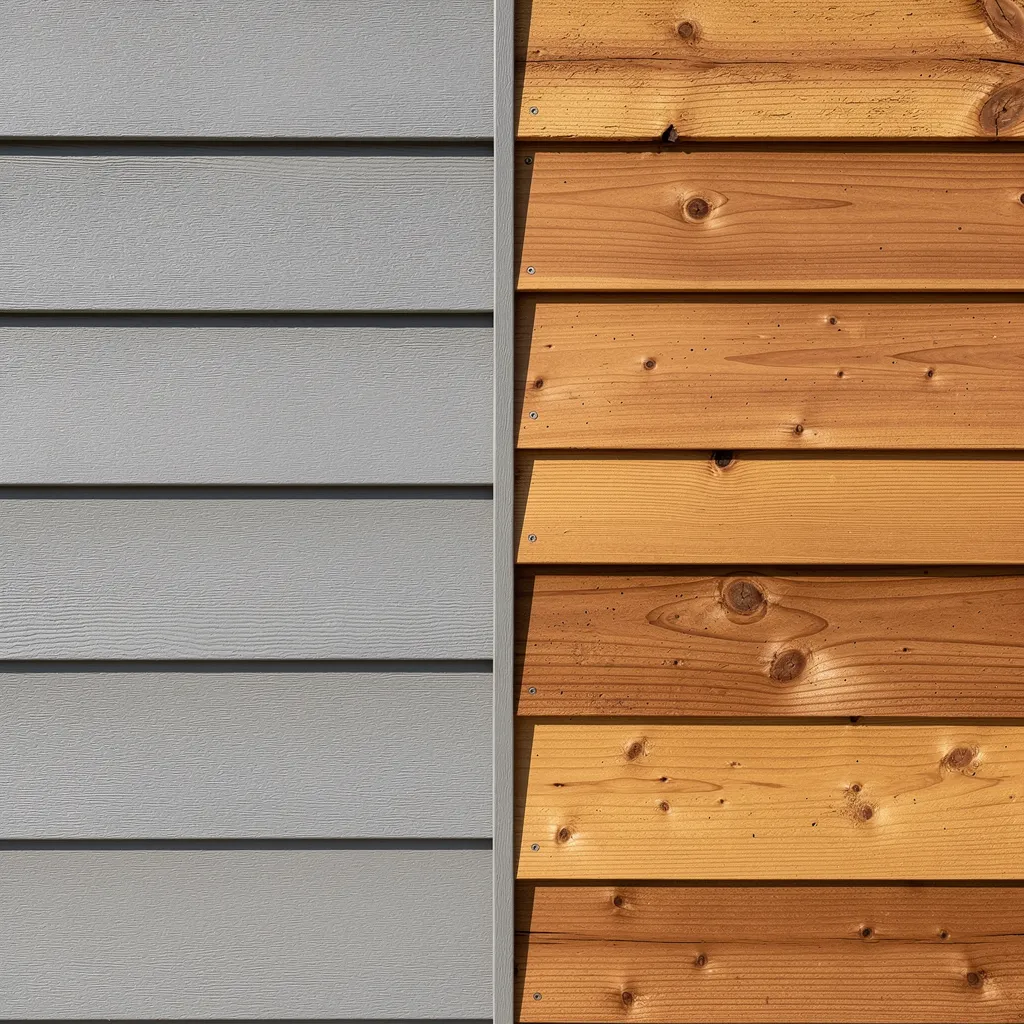
Fiber cement resists warping, cracking, and rotting in ways wood simply cannot. Toronto's freeze-thaw cycles and humid summers accelerate wood deterioration year after year.
Key resistances delivered in a single siding system include:
- Fire: won't ignite or fuel flame spread
- Moisture: resists swelling, rot, and mold growth
- Pests: unappealing to insects and wildlife
- Weather: holds shape through winter cold and summer humidity
- Time: maintains structural integrity across decades of exposure
That durability profile makes fiber cement a dependable long-term investment for any Toronto property.
Why Does 'Engineered For Climate' Matter Locally?
Toronto properties face freeze-thaw cycles, humid summers, and driving winter storms within a single calendar year. James Hardie's climate-engineered siding performance in Toronto's weather addresses exactly this volatility. Fiber cement siding is developed to hold up under demanding seasonal swings rather than mild, stable conditions. Properties clad in materials built for milder climates risk warping, cracking, and moisture intrusion long before their expected lifespan ends.
Fiber cement combines the look of natural wood with resistance to moisture, pests, fire, and weather extremes. That combination matters for Toronto homeowners who want curb appeal without sacrificing structural resilience. Siding engineered for one region often fails in another. A product rated for dry climates offers little reassurance against a Toronto winter.
Does James Hardie Siding Handle Toronto's Rain and Snow?
Yes. Hardie products are engineered specifically to resist water and humidity, standing up to rain, sleet, and snow. For Toronto properties exposed to spring downpours. Heavy winter accumulation, that moisture resistance protects against the swelling and rot that weaker materials develop over time.
Is Climate-Engineered Siding Worth It for GTA Homes?
Selecting exterior cladding involves more than matching a color palette or architectural style. Climate performance is a core factor in how long siding lasts and how well it protects a structure.
- Resists pests and extreme weather conditions
- Requires low ongoing maintenance
- Featured on properties throughout the Toronto area, reflecting a track record built on decades of proven performance
For Greater Toronto Area properties, that track record translates into fewer repairs, steadier curb appeal, and longer-term value retention compared to siding not built for harsh seasonal extremes.
How Should Toronto Homeowners Choose An Installer?
Selecting the right siding contractor starts with verifying climate expertise, not just a sample book of colors. Toronto's freeze-thaw winters and humid summers punish poor installation choices quickly, turning small gaps into drafts, leaks, and higher heating bills. Homeowners who choose an installer based on experience with regional conditions avoid costly rework down the road.
Alliance Exteriors Inc., based in North York, Ontario, serves homeowners throughout Toronto with climate-ready siding installation built for exactly these seasonal swings. A qualified installer should offer more than cladding alone. Look for a contractor who addresses the whole exterior envelope, including these core capabilities:
- Weather barrier and insulation installation that blocks moisture, drafts, and heat transfer while improving energy efficiency and indoor comfort
- Soffit, fascia, and rainware installation that finishes the roofline and carries rainwater safely away from the structure through a durable gutter system
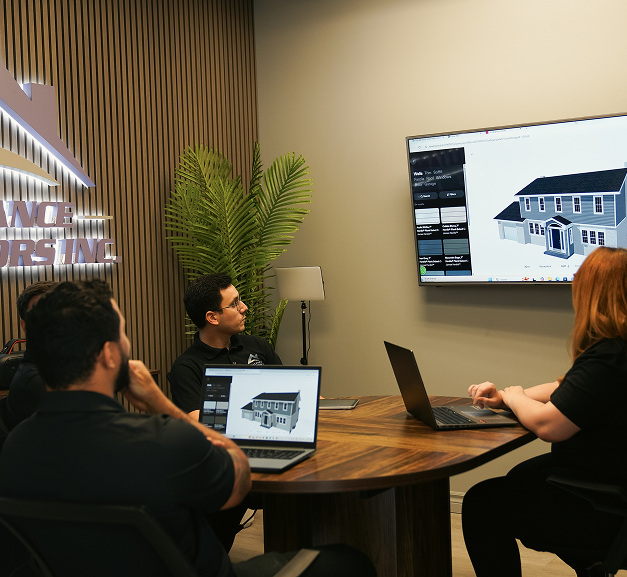
- Design consultation services that pair material selection with 3D mockups, helping homeowners visualize siding before installation begins
What Should A Siding Quote Include?
A trustworthy quote spells out material selection, insulation upgrades, and roofline components like soffit and fascia work. It should never leave rainwater management or weather barrier details as an afterthought.
Why Does A 3D Mockup Matter Before Installation?
A mockup lets homeowners confirm style and performance expectations before crews arrive. Matching the siding system to the home's architecture reduces surprises and change orders once work is underway.
Homeowners comparing installers should prioritize those who treat insulation, drainage, and design guidance as one connected system, not separate upsells.
FAQ
Why does James Hardie siding resist Toronto's freeze-thaw cycles?
Its fiber cement composition holds its shape through repeated temperature swings, preventing the warping and cracking that plague wood and vinyl alternatives. Seams stay tight and surfaces remain smooth across Toronto's harsh winters and humid summers.
What damage does Toronto's winter weather cause to unprotected siding?
Repeated freezing and thawing forces moisture into small cracks. It expands into ice, causing cracking, warping, and moisture seepage behind the cladding during snowstorms and sudden freezes.
Who installs James Hardie siding in Toronto and the GTA?
Alliance Exteriors Inc., based in North York, Ontario, installs James Hardie siding for homeowners and builders throughout Toronto and the surrounding GTA, bringing certified installation expertise to every project.
Conclusion
In closing, James Hardie fiber cement siding delivers the durability Toronto homeowners need to withstand harsh winters, temperature swings, and moisture exposure year after year. Its proven performance in demanding climates, combined with professional installation to manufacturer specifications, ensures your exterior remains protective and attractive for decades. When you invest in quality materials. Expert craftsmanship, you gain confidence that your home's envelope will perform reliably through every season Canada's weather brings.