Understanding What Sets James Hardie Apart from Wood Siding
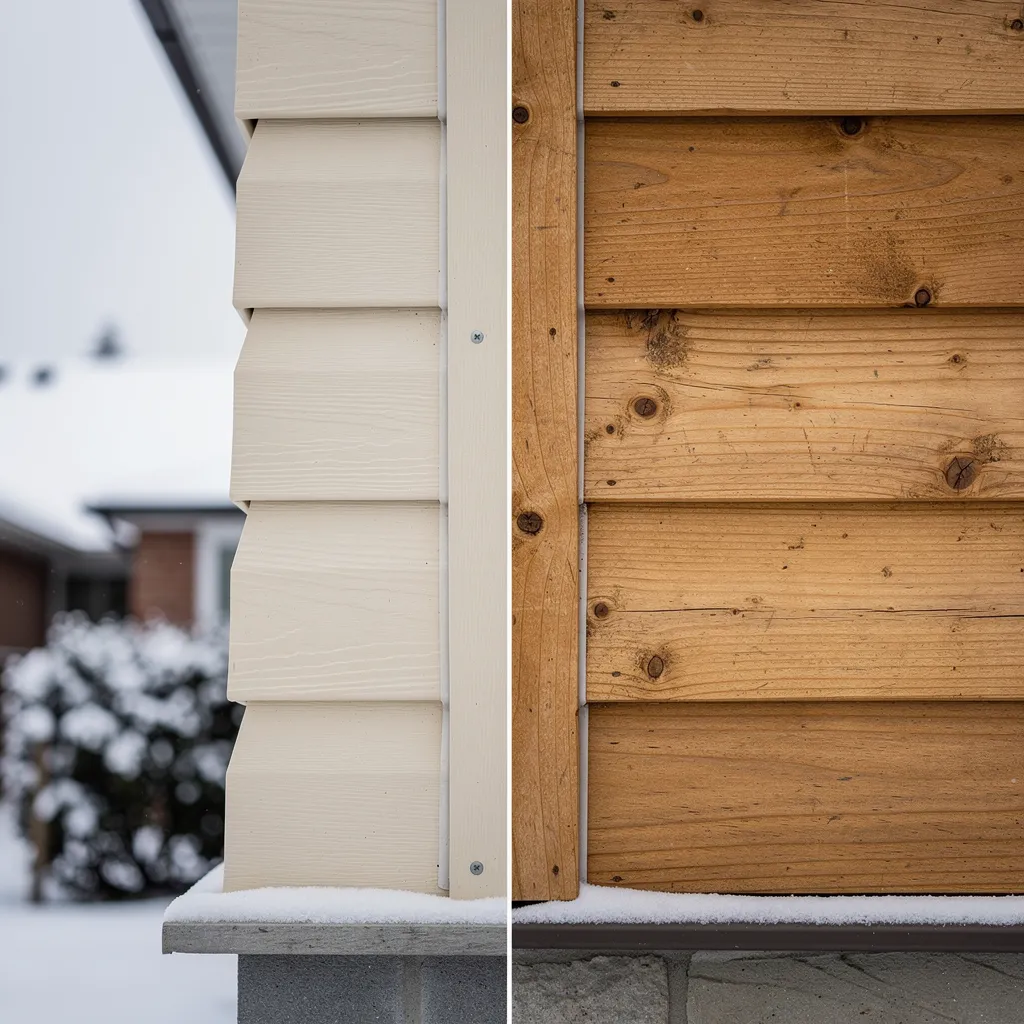
James Hardie fiber cement siding resists moisture, pests, and fire while holding its finish through harsh GTA winters, unlike wood siding, which demands regular staining, sealing, and repair against rot and insect damage. James Hardie delivers engineered durability, while traditional wood siding can be treated for improved performance but requires more maintenance.
What Really Separates James Hardie From Wood Siding?
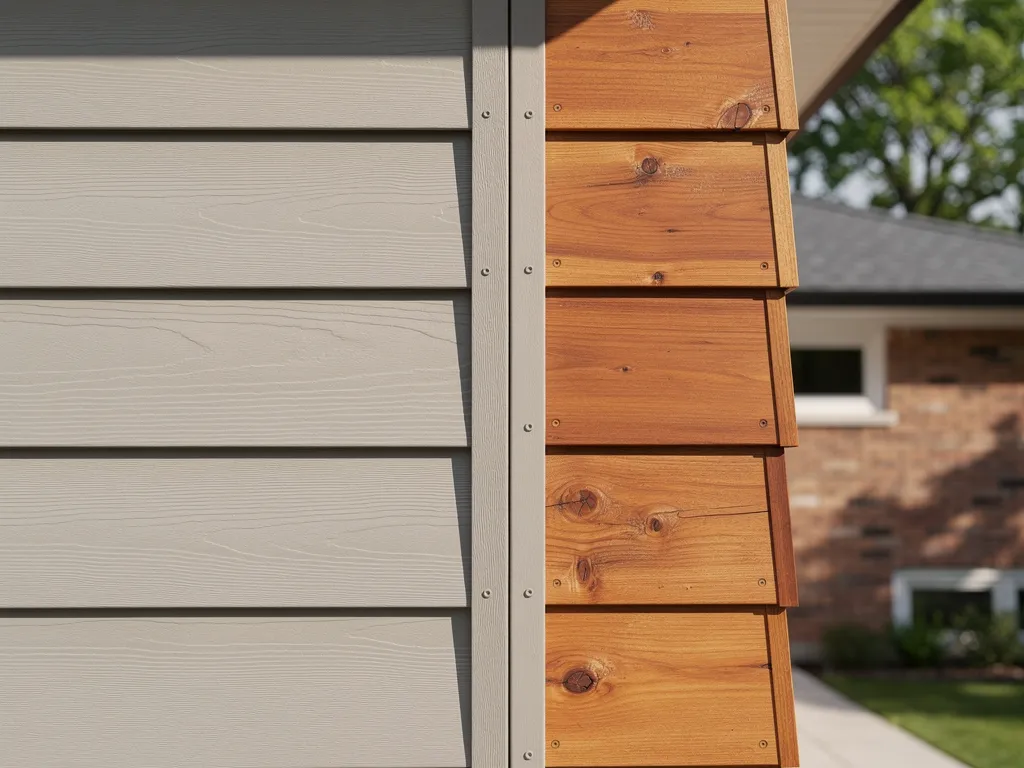
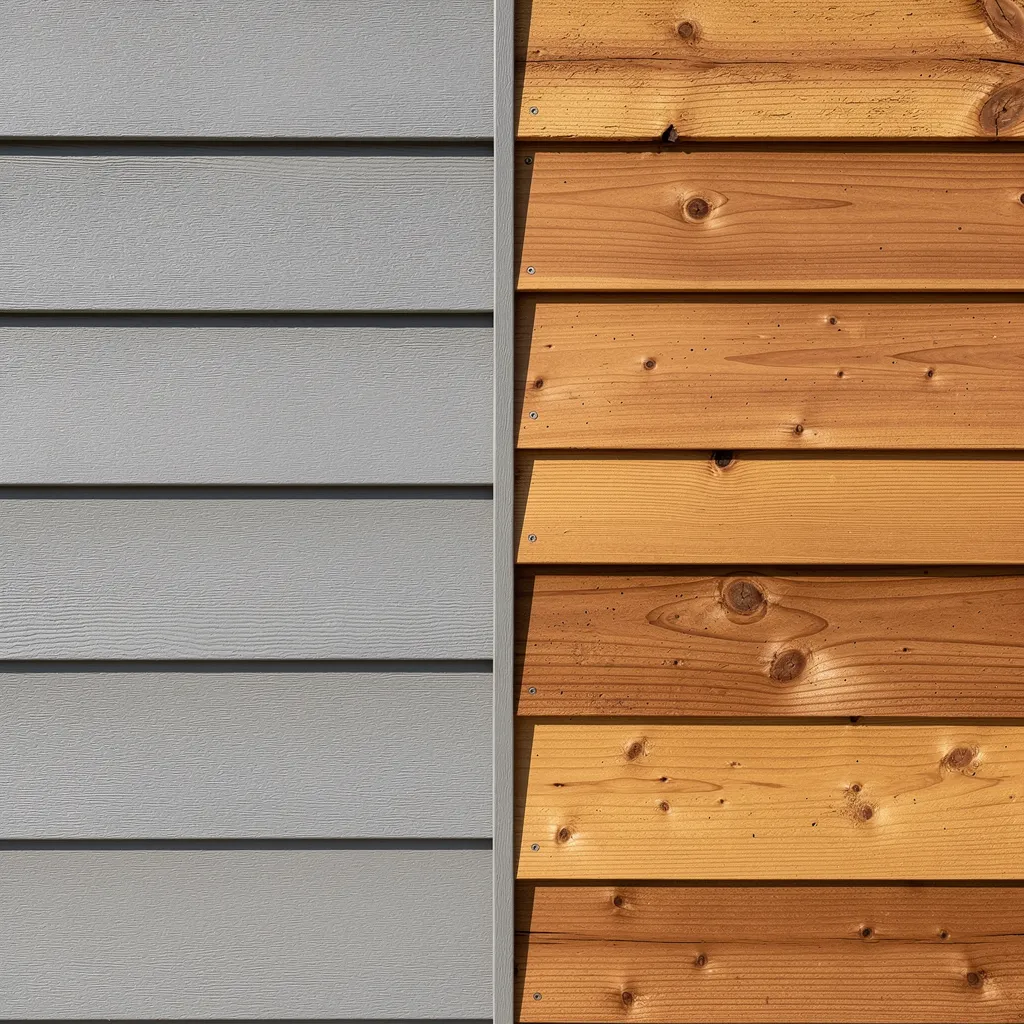
Material composition marks the core difference between these two siding options. [James Hardie siding](https://www.allianceexteriors.ca/james-hardie-siding) comes from fiber cement, a blend engineered for strength and weather resistance. Wood siding, by contrast, is a natural product cut directly from timber. That single distinction answers the question What Are the Main Differences Between James Hardie Siding and Wood Siding, driving nearly every difference homeowners notice in performance, upkeep, and long-term value.
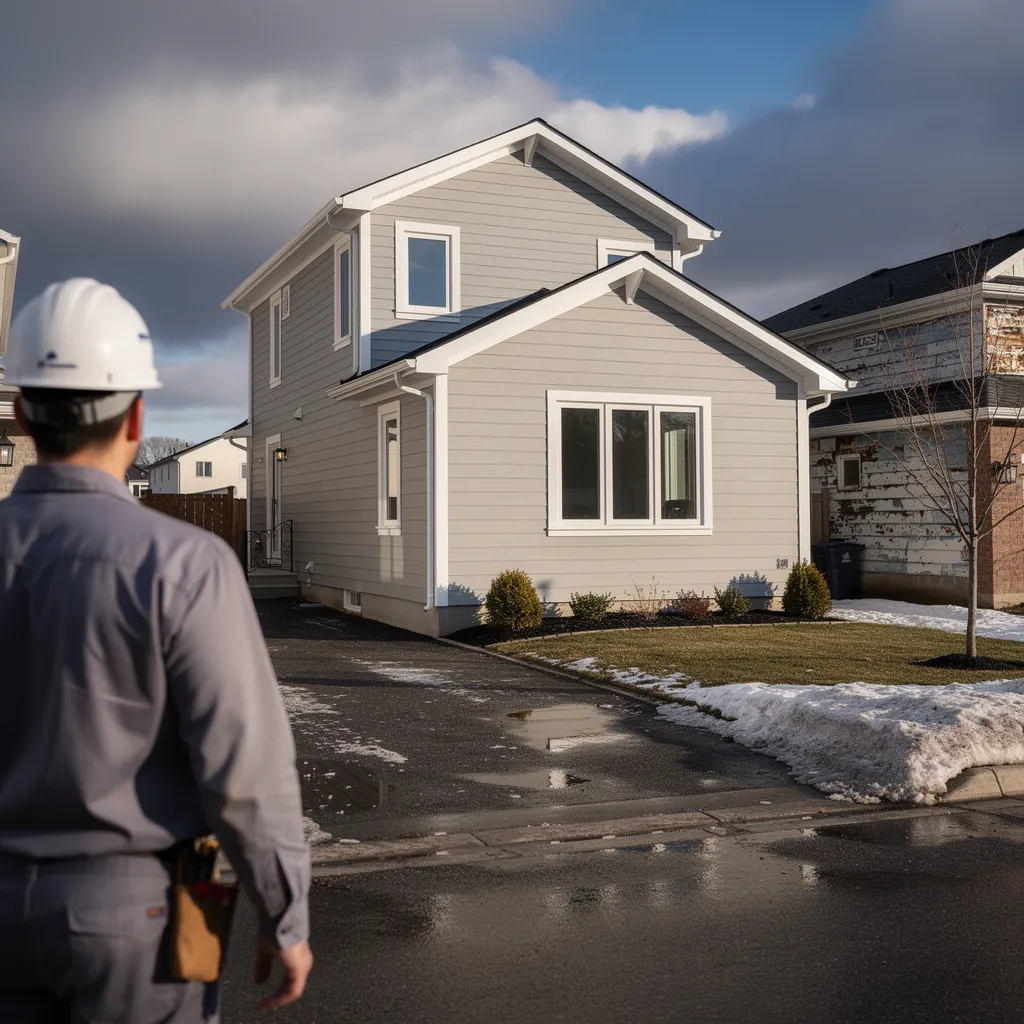
North York and GTA homeowners face brutal freeze-thaw cycles every winter. Siding that can't handle moisture swings cracks, warps, or rots within a few seasons. Choosing the wrong material means repainting, patching, or replacing sections long before the home is paid off.
Is James Hardie siding better than wood for cold climates?
Fiber cement resists moisture absorption far better than natural wood, which helps it withstand freeze-thaw stress without swelling or splitting. Wood siding can perform well too, but it demands more diligent sealing and maintenance to survive Ontario winters without damage.
Does wood siding still have a place on modern homes?
Absolutely. [Maibec wood siding](https://www.allianceexteriors.ca/services/maibec-wood-siding) systems remain a strong choice for homeowners who want natural beauty, sustainable materials, and timeless architectural character. Alliance Exteriors Inc., based in North York, Ontario, installs these systems professionally to maximize longevity and performance for GTA clients.
Factor
James Hardie (Fiber Cement)
Wood Siding
Base material
Cement, sand, and cellulose blend
Natural timber
Moisture resistance
High
Requires regular sealing
Maintenance
Lower
Higher
Aesthetic
Versatile, consistent finish
Natural grain, warm character
Neither option is universally "better." The right choice depends on how much maintenance a homeowner wants to commit to, the architectural style of the home, and how the siding will hold up against GTA winters. Alliance Exteriors Inc. helps clients weigh these factors before committing to either system.
How Do Durability And Weather Resistance Compare?
Fiber cement siding withstands Toronto's freeze-thaw cycles far better than untreated wood. Fire resistance ranks among its strongest qualities, and the material shrugs off harsh weather, termite activity, and rot in ways that traditional lumber cannot match. Cedar and other wood sidings demand vigilant upkeep to avoid the same fate, especially once winter moisture works its way into seams and joints.
North York homeowners face a particular challenge: repeated freezing and thawing, heavy snow loads, and spring moisture that punishes any weak point in the building envelope. Durability on paper means little if the installation underneath fails.
Does the Installation Underneath Matter as Much as the Siding Material?
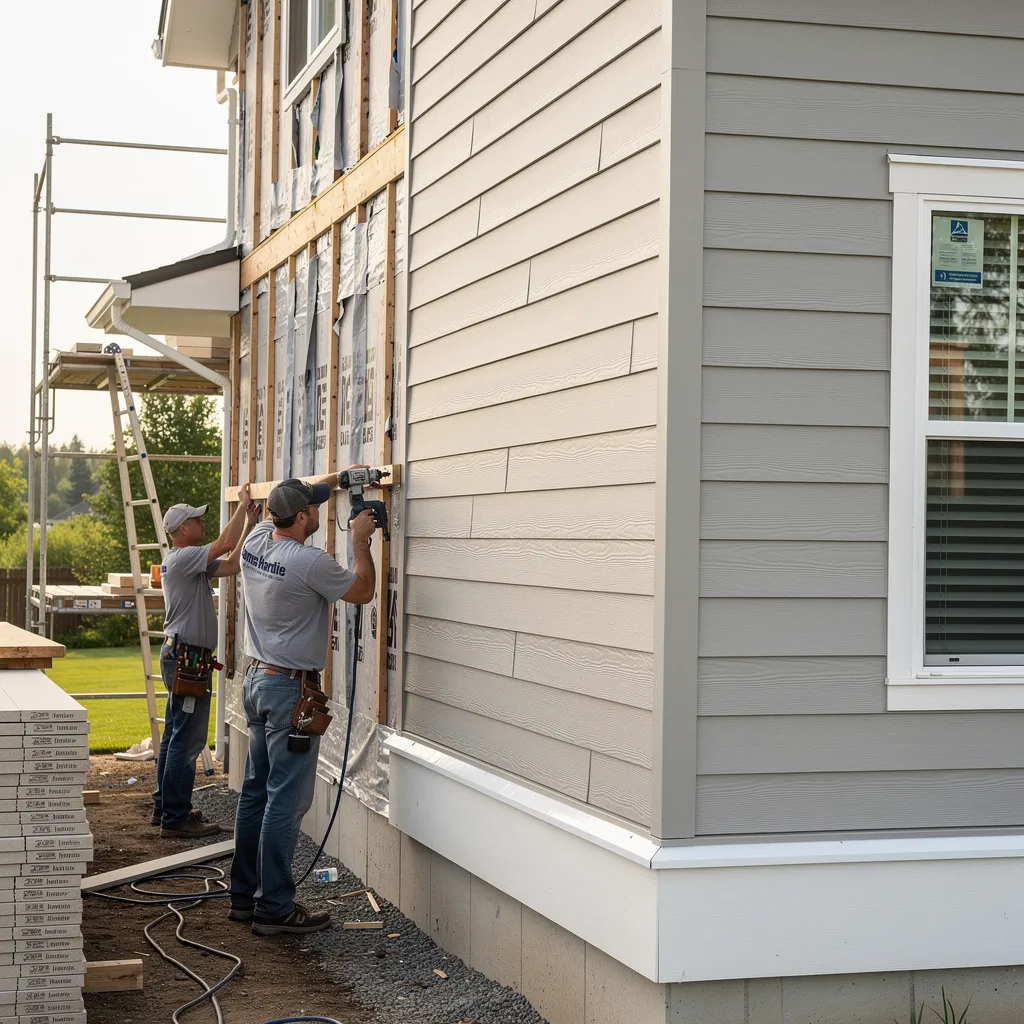
Absolutely. A weather barrier installed behind the cladding blocks moisture and drafts before they reach the structure, while added insulation improves energy efficiency and keeps indoor temperatures steady. No siding product, however resistant, performs well over a compromised barrier system.
What Role Do Soffit, Fascia, and Rainware Play in Winter Protection?
Water management finishes the job that siding starts. Properly installed soffit and fascia capping, paired with a durable gutter system, carries rainwater and snowmelt safely away from the home. This keeps pooling moisture away from siding edges and foundation lines, two spots where winter damage typically begins.
Comparing resistance factors:
Factor
Fiber cement siding
Wood siding
Fire resistance
Strong
Limited
Rot/termite resistance
Strong
Vulnerable without maintenance
Freeze-thaw performance
Reliable
Prone to cracking/warping
Dependence on barrier systems
High importance
High importance
The strongest defense against GTA winters pairs resilient materials with a complete building envelope, not siding alone.
Which Material Demands Less Long-Term Maintenance?
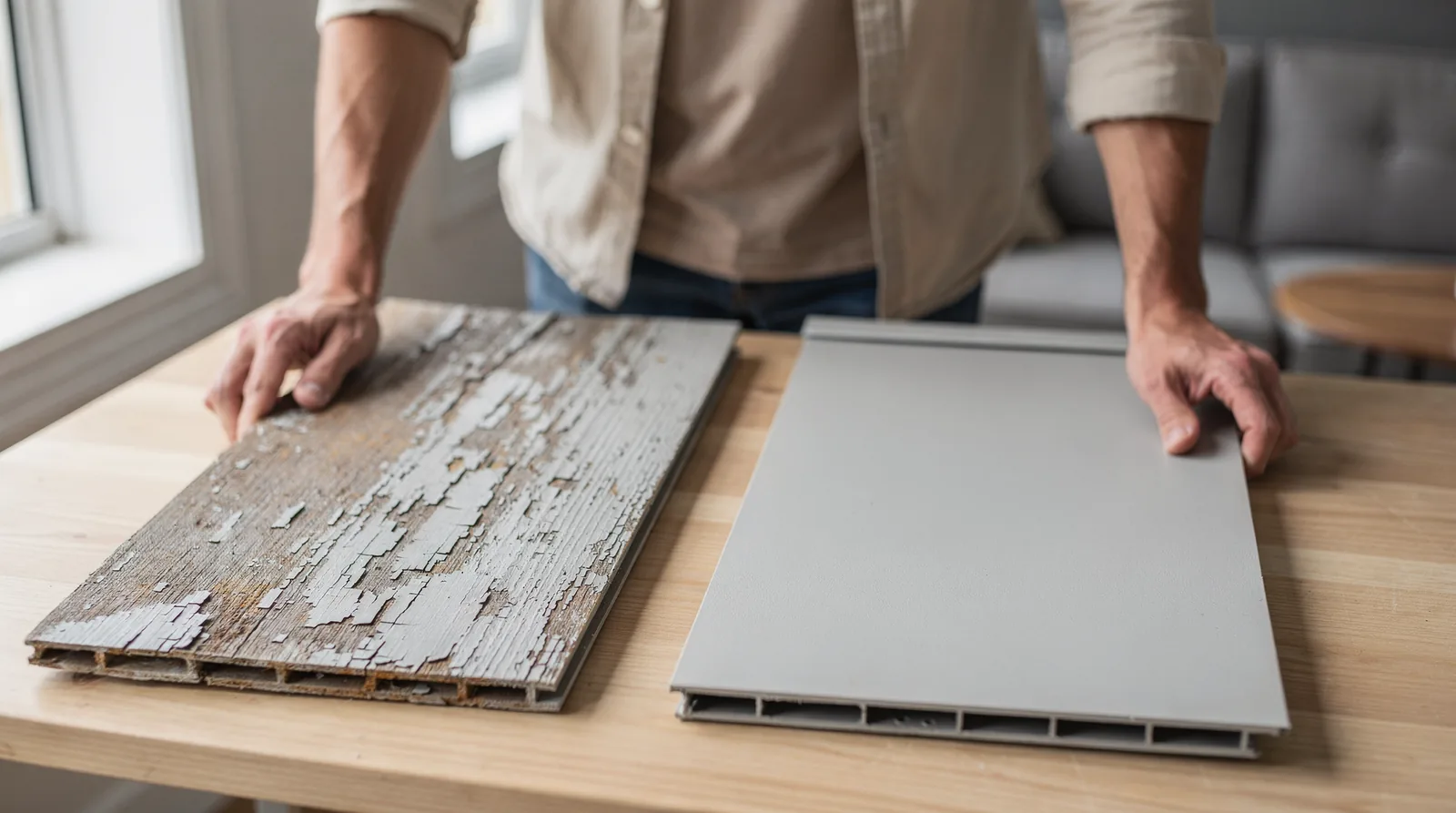
James Hardie siding requires far less ongoing upkeep than traditional wood siding. Engineered to replicate the appearance of natural wood, Hardie board skips the recurring sanding, staining, and sealing that wood demands. For homeowners across North York and the GTA facing harsh winters, that difference matters every single season.
Wood siding has undeniable charm. Grain, texture, warmth: nothing quite matches it visually. But that beauty comes with a maintenance schedule that doesn't let up, especially once freeze-thaw cycles and salt-laden winter air start working against exposed wood fibers.
Is There a Low-Maintenance Alternative That Still Looks Like Wood?
Yes. Engineered PVC, WPC, and composite siding captures the warm, timeless look of natural wood while delivering rock-solid strength and all-weather durability. These materials resist moisture, resist rot, and hold their finish without annual attention. For GTA homeowners who want wood's aesthetic minus the maintenance calendar, engineered composite options close that gap effectively.
Does This Mean Wood Siding Should Be Avoided Entirely?
Not necessarily. Alliance Exteriors installs Maibec wood siding systems built for natural beauty, sustainability, and long-term durability, professionally fitted for lasting performance. Wood simply asks more of homeowners over time.
Here's how the two approaches compare on upkeep:
Factor
James Hardie / Engineered Siding
Wood Siding (Maibec)
Staining/sealing
Not required
Periodic maintenance needed
Moisture resistance
Engineered for all-weather durability
Depends on upkeep
Long-term appearance
Low-maintenance value
Natural beauty, needs care
Homeowners prioritizing minimal upkeep typically lean toward Hardie board or engineered composites. Those who value wood's organic character accept a higher maintenance commitment in exchange for that distinct look.
How Does Installation Quality Affect Performance?
Installation quality determines whether James Hardie siding or wood cladding delivers decades of protection or early failure. Craftsmanship, not material alone, decides how a home's exterior holds up against Toronto winters. A premium board installed incorrectly performs worse than a modest one installed with precision.
Why does vinyl experience create installation problems?
Many contractors learn their trade on vinyl siding, where panels hang loosely and slide beneath window casing. That habit causes trouble when the same crew switches to fiber cement or wood siding. Both materials demand rigid, direct contact with trim rather than a floating fit. Carrying vinyl techniques into a wood siding installation often leads to gaps, trapped moisture, and premature wear.
What does correct trim detailing look like?
Proper technique calls for siding to butt firmly against the window casing, never run underneath it. This single detail separates a weathertight installation from one prone to water intrusion. Skipping it invites moisture behind the cladding, which accelerates rot in wood siding and compromises the moisture-managed design of fiber cement systems.
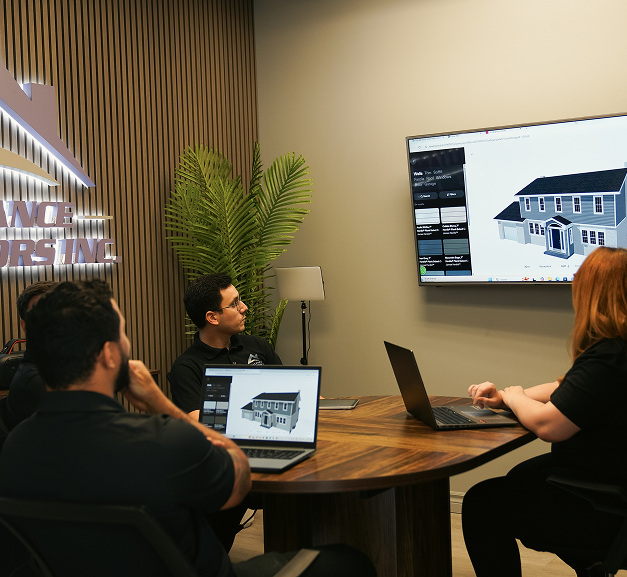
Strong results start before a single board goes up. Planning through design consultation services, including material guidance and 3D mockups, lets installers confirm trim details, casing depth, and board alignment ahead of time. That upfront clarity prevents the vinyl-style mistakes outlined above:
- Confirm casing thickness before ordering material
- Verify butt-joint placement against trim, not beneath it
- Match fastening patterns to the chosen siding type, not a one-size vinyl approach
Consistent, code-aligned execution protects curb appeal and structural performance for years to come.
Which Siding Delivers Better Value For GTA Homes?
Value depends on how long siding lasts, how much upkeep it demands, and how well it holds up against GTA winters. James Hardie siding and wood siding sit on opposite ends of that equation, with fiber cement trading higher upfront cost for lower lifetime maintenance. Alliance Exteriors, working out of North York, guides homeowners across the region through this exact trade-off when weighing fiber cement against Maibec wood systems suited to Canadian climate swings.
Choosing between these two materials rarely comes down to looks alone. Durability, ongoing upkeep, and curb appeal all pull in different directions, which makes the decision harder than picking a color. A well-informed comparison keeps homeowners from choosing based on price alone and regretting it after one harsh season.
Does the siding choice affect energy bills?
Yes. Siding assemblies paired with proper weather barrier and insulation installation block moisture, drafts, and heat transfer far more effectively than siding alone. That added insulation layer improves energy efficiency and indoor comfort year-round, which matters more in Toronto winters than in milder climates.
Factor
James Hardie Fiber Cement
Wood Siding
Winter resilience
Engineered for freeze-thaw cycles
More prone to moisture swelling
Maintenance
Lower, less frequent repainting
Higher, regular sealing and staining
Energy performance
Pairs well with insulated assemblies
Depends heavily on barrier quality
For GTA homeowners prioritizing long-term performance over decades rather than years, fiber cement typically delivers stronger value once insulation and weather barrier work are factored into the full exterior system.
FAQ
Is James Hardie siding more durable than wood in GTA winters?
Yes. Fiber cement resists moisture, pests, and fire while holding its finish through freeze-thaw cycles. Wood siding needs regular staining, sealing, and repair to prevent rot and insect damage over time.
Does wood siding require more maintenance than James Hardie?
Wood siding demands higher maintenance, including diligent sealing and staining, to survive Ontario winters without damage. James Hardie siding requires lower maintenance thanks to its engineered resistance to moisture and weather.
Does the installation behind the siding affect its performance?
Yes. A weather barrier blocks moisture and drafts before they reach the structure, and insulation improves energy efficiency. Even durable siding materials underperform when installed over a compromised barrier system.
Conclusion
In closing, the choice between James Hardie fiber cement and wood siding hinges on your priorities: wood delivers timeless aesthetics and natural warmth but demands consistent maintenance. James Hardie offers superior durability, weather resistance, and minimal upkeep, engineered specifically for demanding climates. Both materials, when properly installed to manufacturer specifications, provide lasting exterior performance. Your decision ultimately reflects the balance you seek between visual character and long-term reliability.