Which is Better for Your Home? Fiber Cement or PVC Siding?
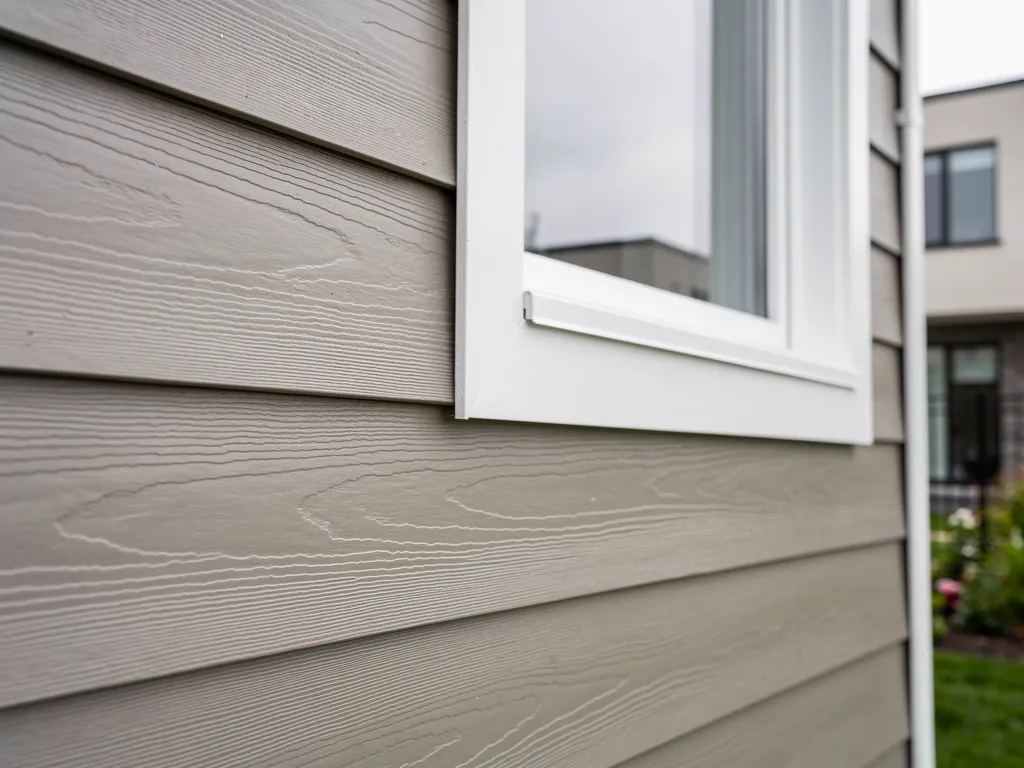
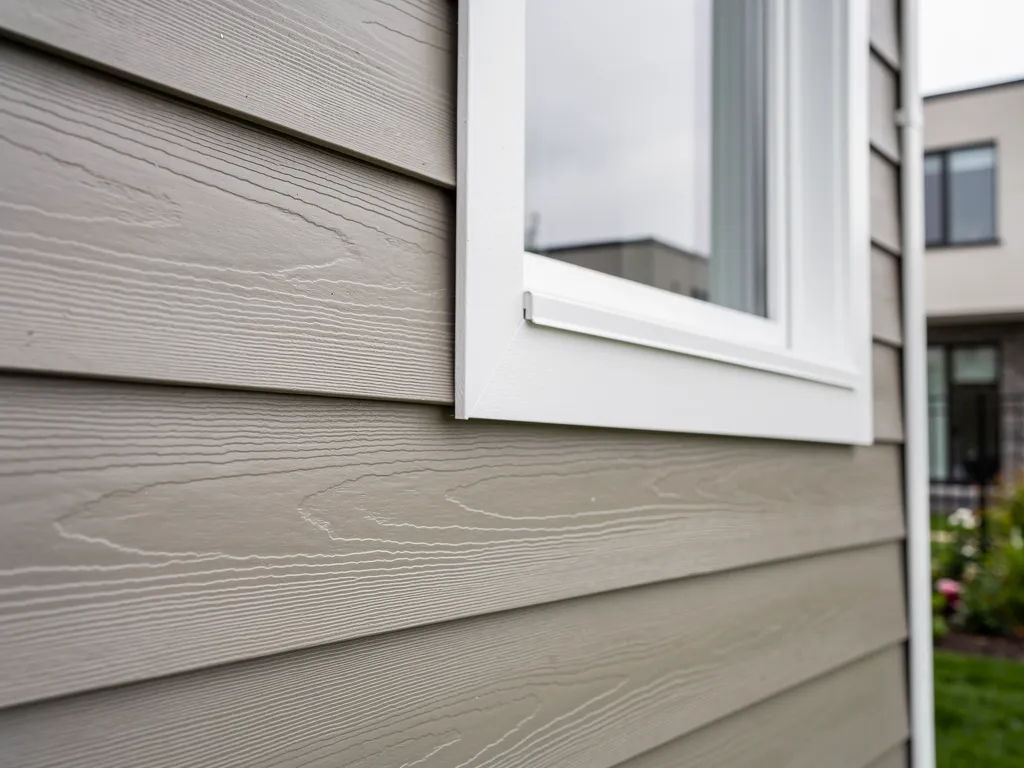
James Hardie fiber cement siding offers superior impact resistance and fire protection for GTA homes, while PVC siding provides moisture-proof performance with zero rot risk. Hardie withstands freeze-thaw cycles better but requires periodic repainting. PVC resists denting and never needs painting but can warp under extreme heat. Both materials deliver decades of reliable service.
What Makes James Hardie and PVC Siding Different?
James Hardie siding and PVC siding differ fundamentally in composition and performance characteristics. James Hardie is a fiber cement product manufactured from cement, sand, water, and cellulose fibers, engineered to replicate wood aesthetics without demanding upkeep. PVC siding is a polyvinyl chloride-based material formulated specifically for exterior applications, delivering strong moisture resistance and long-term durability.
The material science behind each product dictates where it excels. Fiber cement offers dimensional stability and fire resistance that PVC cannot match. PVC provides inherent water repellency and never rots, a vulnerability that poorly installed fiber cement can develop. Alliance Exteriors Inc. installs both systems with precision, drawing on specialized exterior knowledge rather than general contracting experience.
Which siding material handles moisture better?
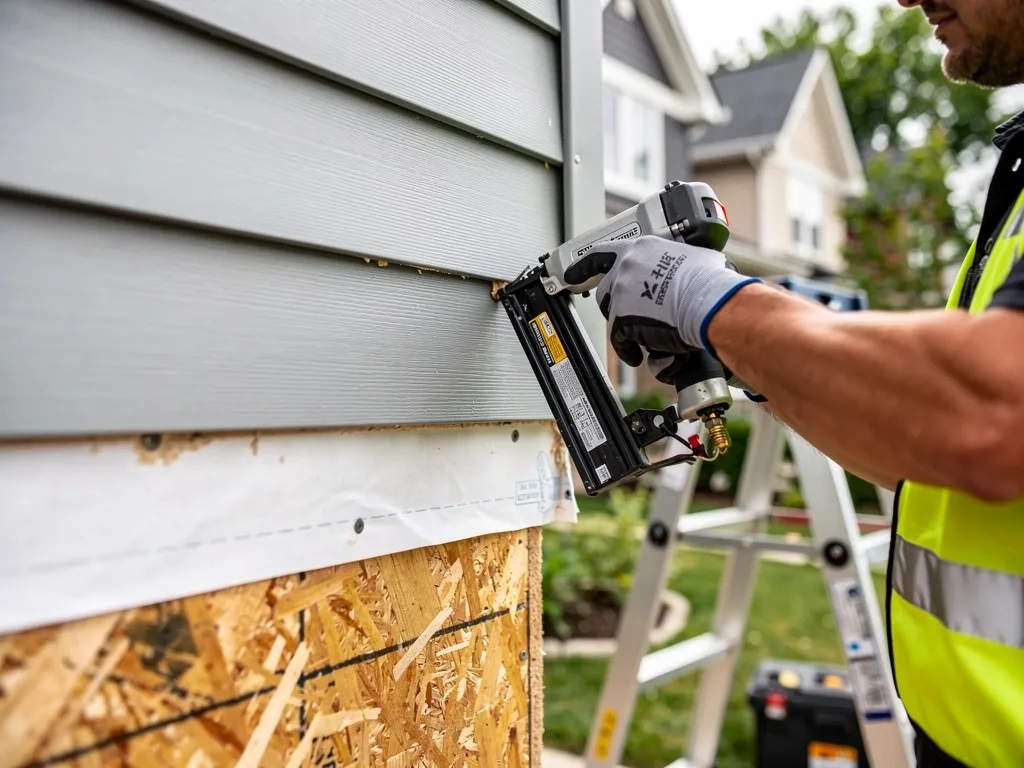
PVC siding resists moisture inherently because its polymer structure does not absorb water. Fiber cement requires proper installation with flashing and weather barriers to prevent water intrusion. Alliance Exteriors Inc. addresses this through comprehensive weather barrier and insulation installation, creating a protective shield that blocks moisture and drafts before siding goes up.
How Do They Compare on Durability and Climate?
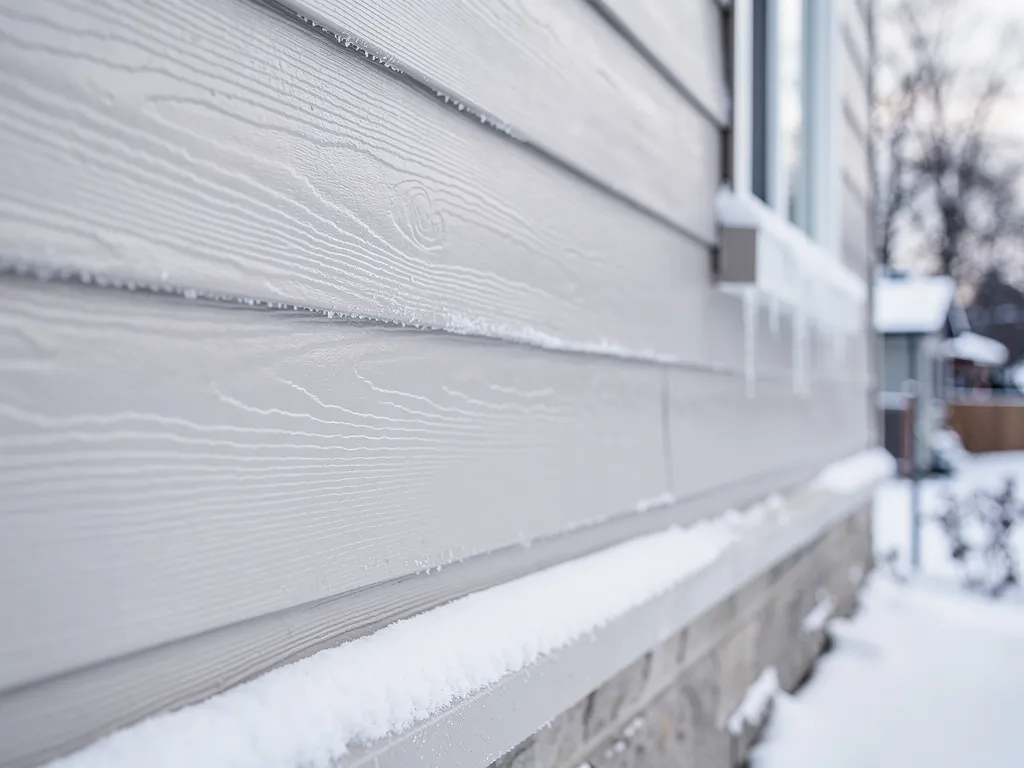
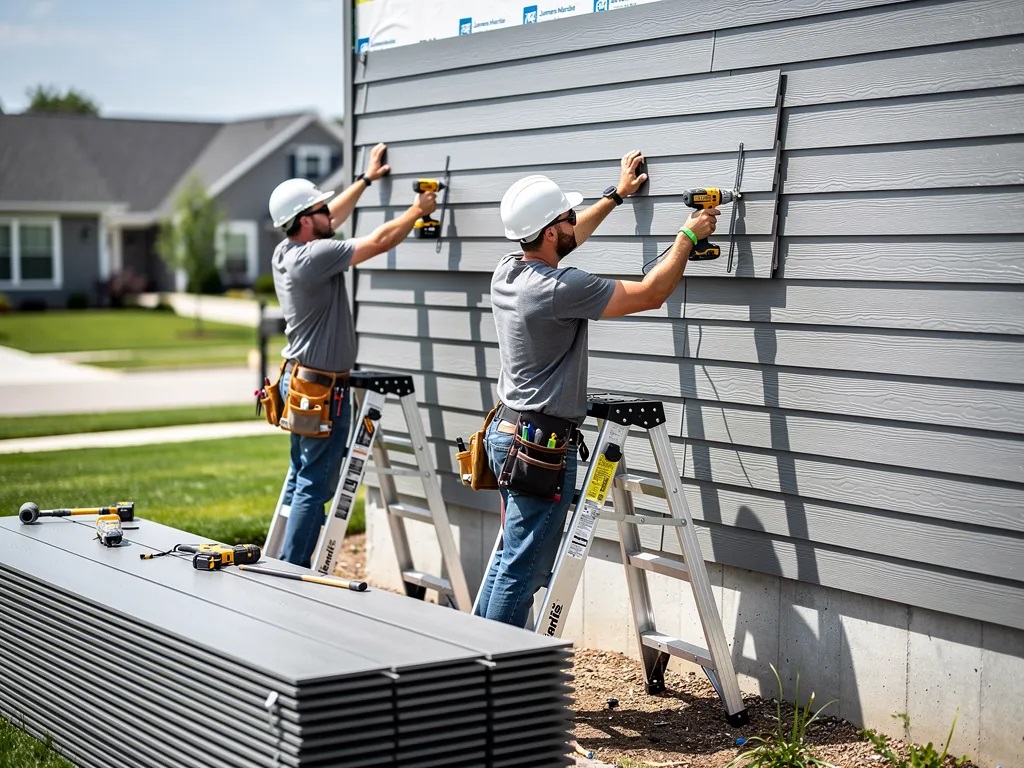
Durability in a Canadian climate separates premium siding from products that fail within a few seasons. Fiber Cement Siding Contractors North York install materials engineered to survive freeze-thaw cycles, heavy snow, and driving rain without warping, cracking, or rotting. Alliance Exteriors Inc. builds every installation on a weather barrier and insulation system that creates a protective shield against moisture, drafts, and heat transfer. Without that shield, even durable cladding underperforms and energy bills climb.
Which material handles moisture and temperature swings better?
James Hardie fiber cement siding offers structural strength and allows deep embossing for authentic wood grain texture. The material resists moisture intrusion and does not expand or contract enough to pull fasteners loose during Ontario's seasonal extremes. Alliance Exteriors pairs this cladding with installations performed to manufacturer specifications and local building code, ensuring climate-ready assemblies for the GTA.
What keeps the whole assembly climate-ready?
Siding alone does not stop drafts or moisture. Alliance Exteriors installs weather barrier and insulation systems that block moisture, drafts, and heat transfer. Added insulation improves energy efficiency and indoor comfort. The company's James Hardie Siding Durability: Benefits for Canadian Climates guide details how fiber cement withstands harsh weather when backed by a properly sealed envelope. Installations follow manufacturer specifications and local building code, so the full assembly performs as engineered. Homeowners who skip the barrier layer lose that protection and pay for it in higher utility costs and hidden moisture damage.
Which Material Offers Better Curb Appeal and Style?
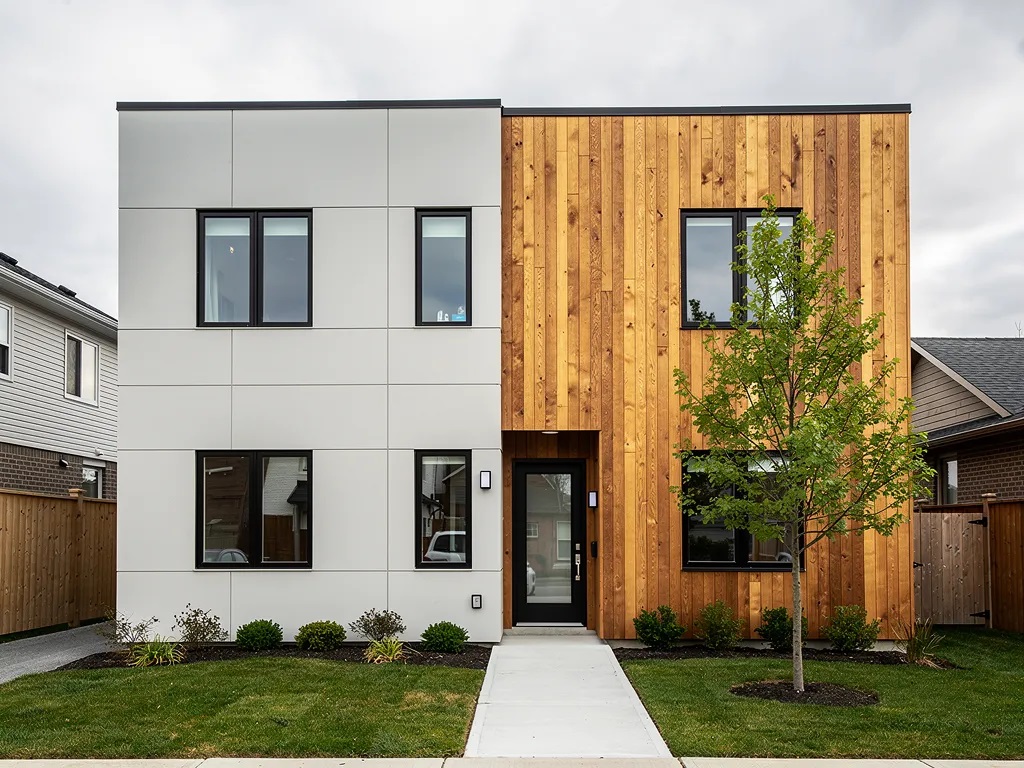
Curb appeal hinges on material authenticity and design flexibility. Fiber cement siding delivers a genuine wood-grain texture without the relentless upkeep real wood demands, while PVC trim provides clean, crisp lines in a limited factory palette. Homeowners who settle for the wrong material lose years of visual satisfaction and risk a mismatched exterior that drags down property value.
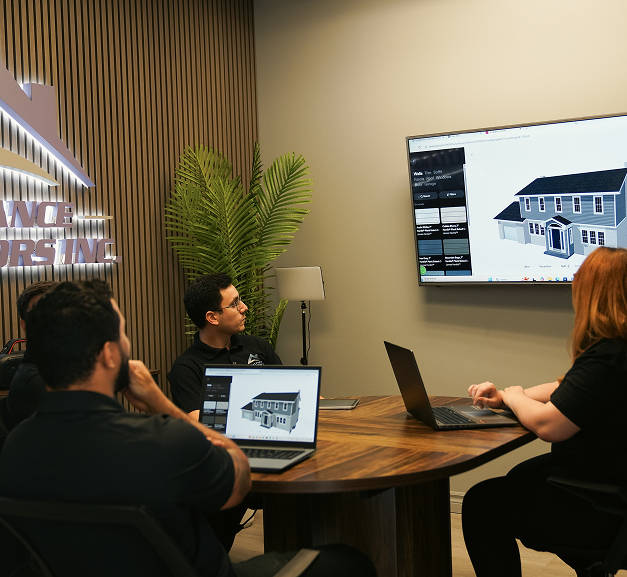
Fiber Cement Siding Contractors North York install James Hardie products engineered to replicate natural cedar grain and smooth finishes. The material mimics the look of wood without requiring the exact maintenance wood siding would need, according to a Hardie Board vs. Vinyl Siding comparison. Alliance Exteriors Inc. strengthens this advantage through exterior design consultations that include material selection guidance and 3D mockups, letting clients preview the finished facade before a single board goes up.
PVC trim enters the conversation with a different value proposition. It ships in stock white and a select few factory colors, though it accepts custom paint for broader design flexibility. The material resists moisture and rot, keeping corner boards and fascia sharp for years. Yet the color range starts narrow, and dark paint on PVC raises long-term durability questions that fiber cement simply sidesteps.
How does fiber cement siding compare to PVC trim for design versatility?
Fiber cement offers deeper texture options and a wider authentic color palette. PVC trim provides a smooth, painted look but limits initial color choice to white and a handful of shades. Alliance Exteriors bridges the gap with a curated portfolio and educational resources that help homeowners make informed decisions before work begins.
What About Maintenance and Long-Term Costs?
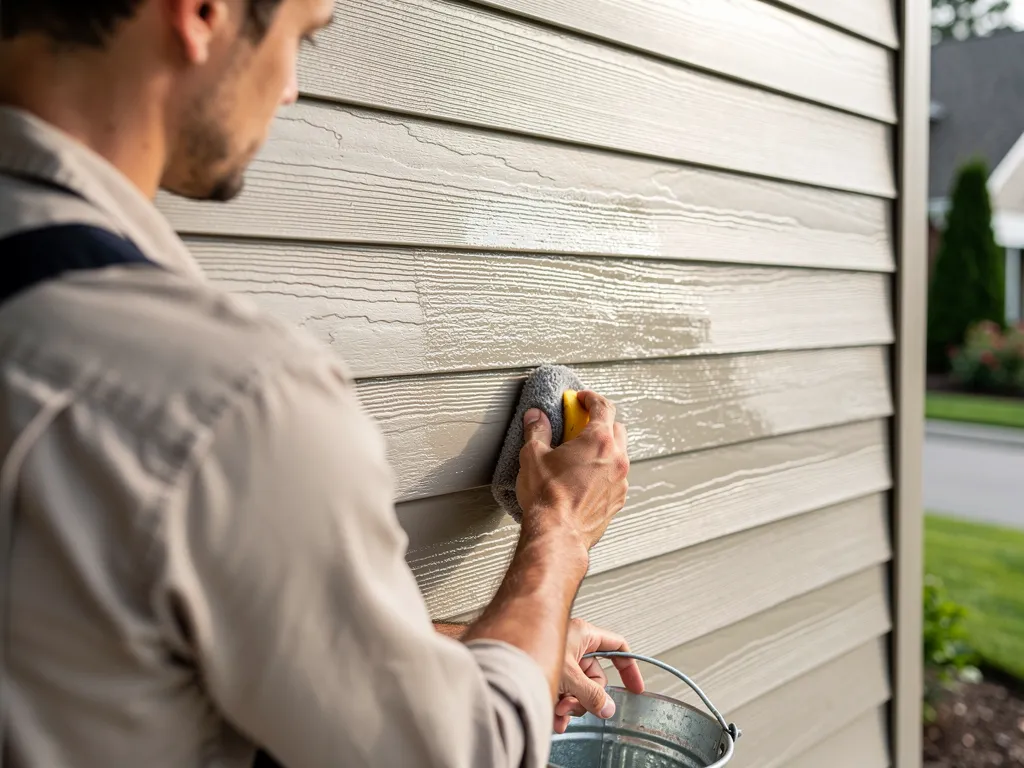
Maintenance demands and long-term costs separate fiber cement siding from alternatives in measurable ways. Homeowners who overlook these factors often face premature replacement expenses and ongoing upkeep that erodes any initial savings. Fiber Cement Siding Contractors North York at Alliance Exteriors Inc. guide clients toward materials engineered for lower lifecycle costs and reduced maintenance burdens.
James Hardie fiber cement siding requires less maintenance than real wood while offering a similar aesthetic. The material is designed to mimic the look of wood without all the exact maintenance wood siding would require. PVC siding is low maintenance compared to other exterior trims, requiring less upkeep over time. It offers superior durability and resistance to moisture.
Alliance Exteriors provides transparent, itemized quotes and consistent communication throughout the project, ensuring no hidden costs. Completed work is supported by 5- and 10-year workmanship warranties, reinforcing long-term performance and peace of mind. These warranties protect homeowners against installation defects that could otherwise generate unplanned repair bills years after project completion.
How do maintenance costs compare between fiber cement and wood siding?
Wood siding demands regular painting, sealing, and inspection for rot or insect damage. Fiber cement eliminates most of that recurring work. The material resists moisture, pests, and warping, which means fewer service calls and lower annual maintenance spending over the siding's lifespan.
Which Siding Is the Best Choice for Your Home?
The best siding choice balances climate resilience, maintenance demands, and long-term value. Alliance Exteriors Inc. specializes solely in siding and cladding, bringing deep material knowledge and precise execution to every job. Homeowners who select the wrong material face premature replacement costs and weather damage that erode property value over time.
How does the installation process work with a specialized contractor?
A clear process guides each engagement. Alliance Exteriors begins with a design consultation and material guidance, followed by an on-site assessment with a transparent quote. Professional installation proceeds on schedule, and a final walkthrough with warranty documentation completes the project.
What warranty protection comes with professional fiber cement installation?
Completed work receives 5- and 10-year workmanship warranties. This coverage reinforces long-term performance and gives homeowners documented peace of mind. The company serves discerning homeowners and custom home builders across the GTA, including North York, Toronto, and Oakville. A specialized contractor’s warranty protects against installation defects that manufacturer warranties exclude. Homeowners evaluating James Hardie siding for Toronto renovations gain both material and labor protection.
FAQ
Does James Hardie siding require more maintenance than PVC?
James Hardie requires periodic repainting, while PVC is color-through and low maintenance. PVC never needs painting but can warp under extreme heat.
Is Alliance Exteriors certified to install James Hardie siding?
Yes. Alliance Exteriors Inc. is a James Hardie Certified Installer, meaning every fiber cement project is installed to manufacturer specifications and local building code for reliable, climate-ready performance in North York's freeze-thaw cycles.
What warranty protection comes with a siding installation?
Every completed installation is backed by 5- and 10-year workmanship warranties, covering labor-related issues that manufacturer product warranties typically exclude.
Can PVC siding trim be painted a different color?
PVC trim ships in stock white and a few select factory colors, but it accepts custom paint for broader design flexibility. Dark colors require specialized heat-reflective coatings to avoid warping in direct sun.
Does Alliance Exteriors provide a cost estimate before work begins?
Yes. Alliance Exteriors provides transparent, itemized quotes and consistent communication throughout the project, so homeowners know costs upfront with no hidden fees.
Conclusion
Choosing between James Hardie fiber cement and PVC siding ultimately comes down to climate resilience and long-term value. For GTA homeowners facing freeze-thaw cycles, fiber cement delivers superior durability, holds paint longer, and resists the warping that plagues PVC in extreme temperatures. A certified installer ensures the material performs to manufacturer specifications, protecting the investment with documented workmanship warranties. Homeowners who prioritize lasting curb appeal and lower lifecycle costs find James Hardie the decisive choice for their exterior renovation.