Top Signs Your Siding Needs Repair or Replacement: A Homeowner's Guide
Top Signs Your Siding Needs Repair or Replacement: A Homeowner's Expert Guide
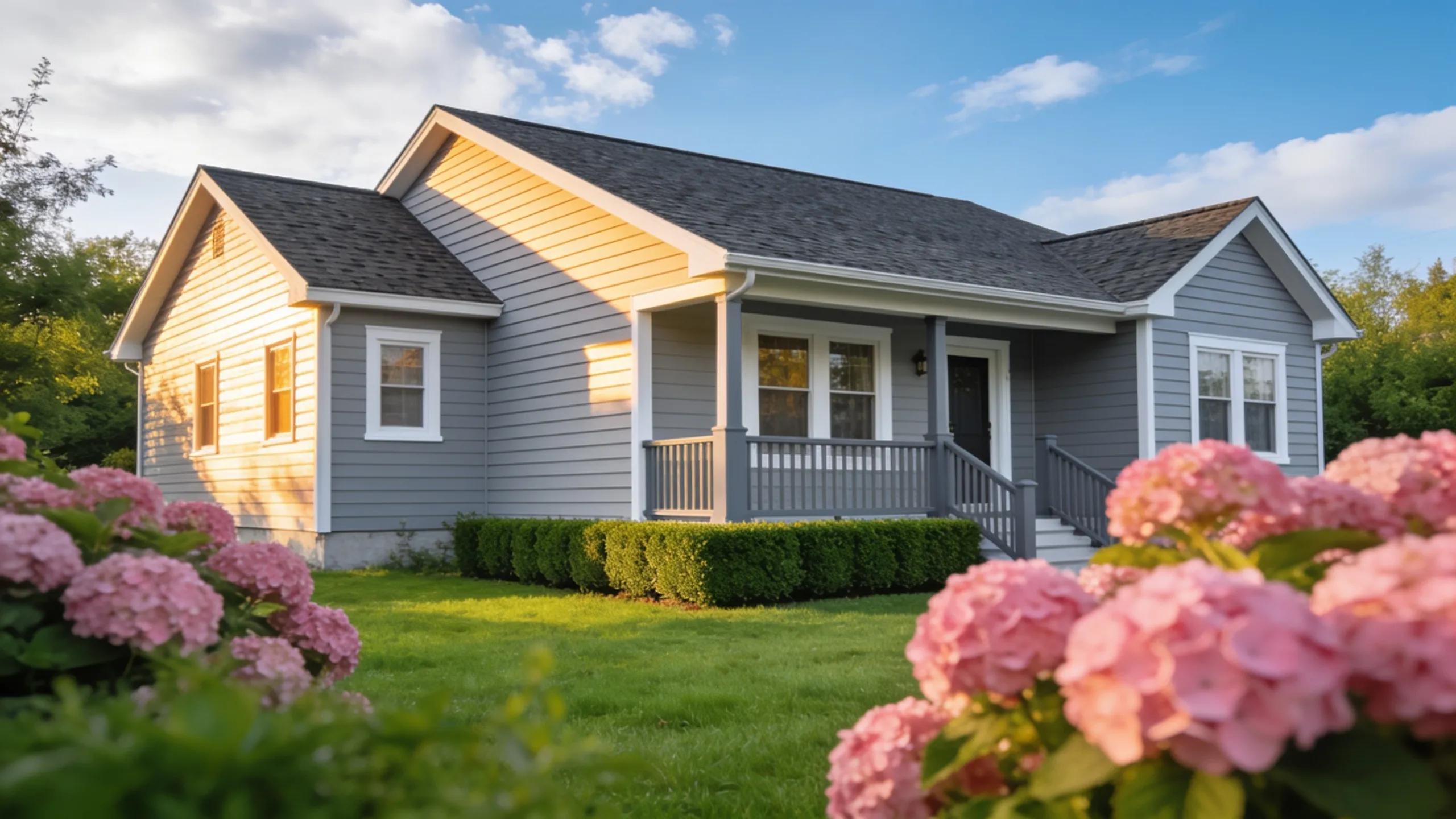
Recognizing signs that your siding requires repair or replacement is essential to protect your home’s structure and curb appeal. Siding shields the building envelope from weather and contributes to resale value. Ignoring deterioration can increase repair costs and lead to secondary damage. This guide highlights the key indicators—visible damage, water and pest infiltration—and explains when a professional evaluation is warranted and when to consider repair versus replacement.
The top signs indicating that your siding needs repair or replacement include:
Siding deterioration presents in many ways. Early detection reduces maintenance costs and helps preserve your home’s market value.
- Cracks and Warping: Over time, extreme temperatures and weather conditions can cause cracks and warps in siding panels, compromising their protective function.
- Fading or Discoloration: Continuous exposure to sunlight can lead to significant discoloration, impacting the visual appeal and potentially indicating fading materials that are degrading.
- Signs of Rot or Mold: Visible rot or mold can signify water damage and may suggest underlying structural issues, which require immediate attention.
What Are the Most Common Signs Your Home Siding Needs Repair?
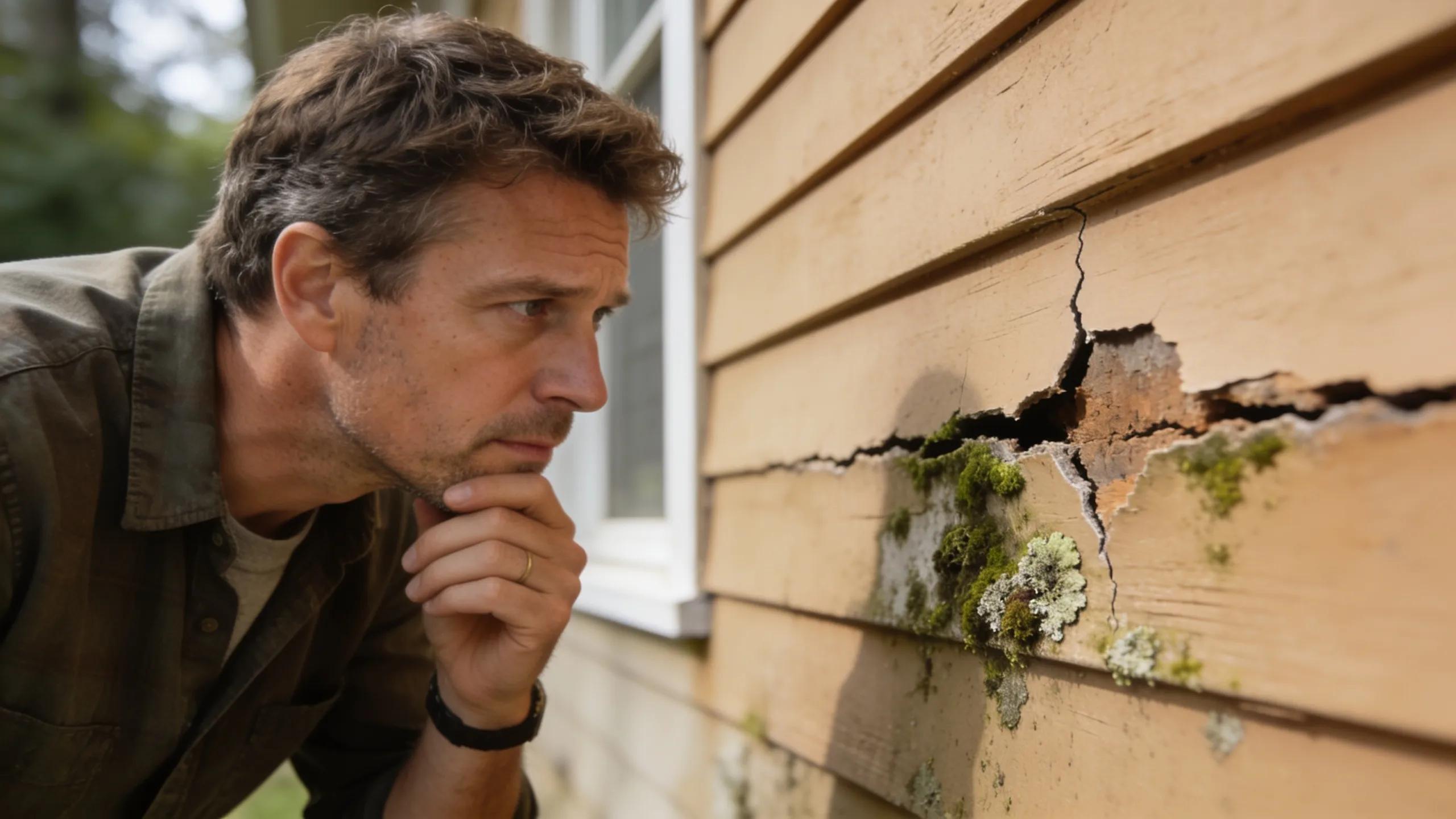
Spotting the most common signs of siding damage early will save time and expense. Conduct regular inspections and act on visible issues before they worsen.
- Inspect for Cracks and Warping: Check for any physical deformations or breaks in the siding. These can allow moisture to penetrate and cause additional damage.
- Check for Signs of Mold or Rot: Look for dark spots or excess moisture that can lead to mold growth, indicating a serious issue that warrants professional help.
- Watch for High Utility Bills: An increase in heating and cooling costs may be a sign that your siding is no longer providing adequate insulation, leading to energy inefficiency.
Alliance Exteriors Inc. offers tailored siding solutions to address these signs. Professional evaluations determine the scope of damage and the repairs required to restore your home’s protective envelope.
How to Identify Visible Damage: Cracks, Warping, and Fading
Visible siding damage can take several forms; prompt inspection enables timely intervention and prevents escalation.
Cracks can enlarge over time and permit moisture entry. Warping commonly results from prolonged moisture exposure, reducing a panel’s effectiveness. Fading indicates material degradation and may compromise water repellency and insulation performance.
Being able to assess these issues accurately helps you decide whether targeted repairs suffice or a full replacement is necessary.
What Are the Indicators of Water and Pest Damage on Siding?
Detecting water and pest damage early is critical. Homeowners should monitor for clear indicators that require action.
- Visible Damage: Look for peeling paint or discoloration, which can indicate moisture damage.
- Moisture Issues to Look For: Buckling or warped siding often signals trapped water, which can lead to mold.
- Signs of Pest Activity: Small holes or droppings near your siding can indicate rodents or insects nesting or finding their way inside, necessitating immediate action.
Keeping siding free from moisture buildup and pest incursions prolongs its service life and maintains performance.
When To Replace Home Siding: Key Considerations for Homeowners
Choosing repair versus replacement requires a clear assessment of damage, costs, and long-term benefits.
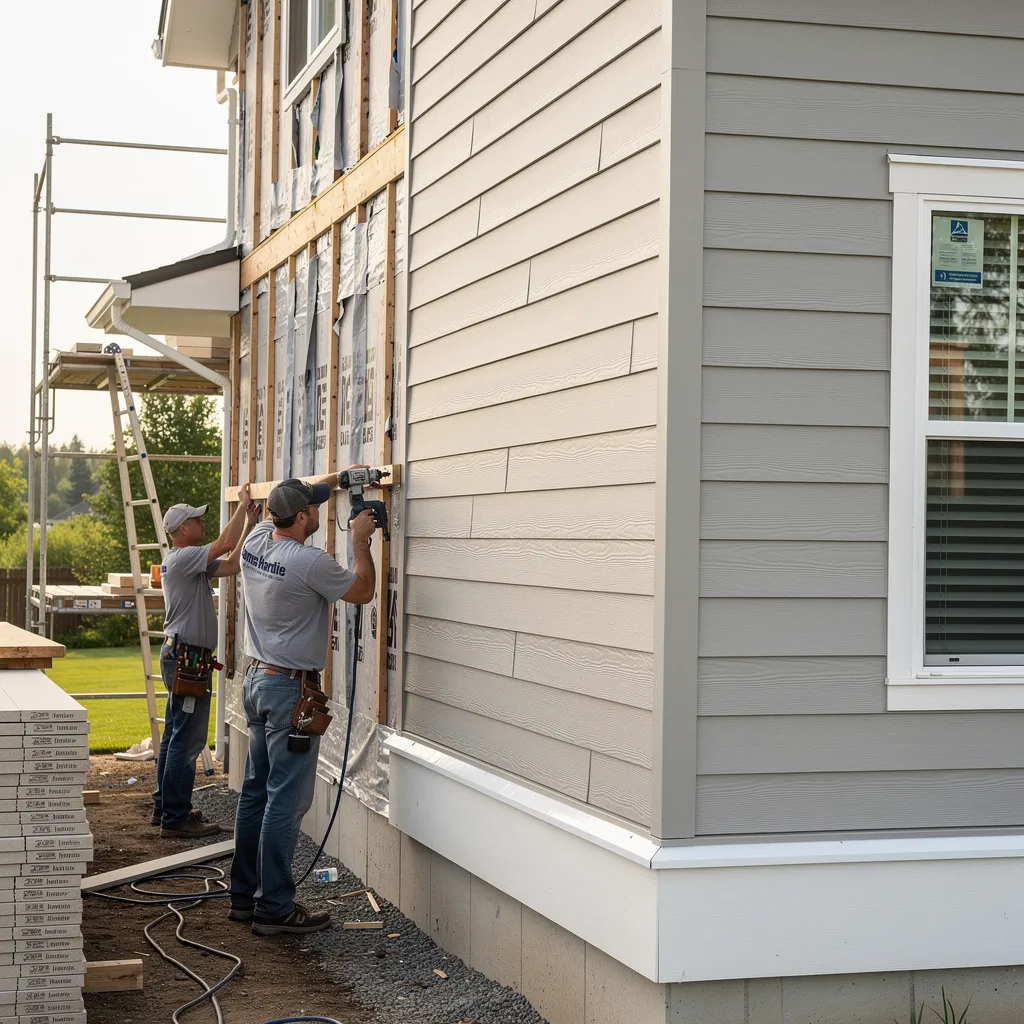
- Assessing the Extent of Damage: If damage is widespread or structural integrity is compromised, replacement may be necessary.
- Evaluating Maintenance Costs: Compare recurring maintenance expenses of older siding with the long-term investment of new siding.
- Aesthetic and Efficiency Considerations: Consider how new siding can improve your home’s appearance and energy efficiency compared to repairs.
Alliance Exteriors provides expert consultations to evaluate your situation and recommend the most cost-effective solution for lasting protection.
How to Evaluate Repair Versus Replacement for Damaged Siding
Evaluating repair versus replacement impacts safety, performance, and property value. Use objective criteria to guide the decision.
- Extent of Damage: If only a small section is damaged, repairs may suffice. However, extensive damage could warrant complete replacement.
- Cost Comparisons: Budgeting for repairs versus a new installation can shift as additional damages may arise from deferring necessary action.
- Long-Term Maintenance Considerations: Regular maintenance costs for older materials should be factored into the decision.
A careful comparison of these factors enables homeowners to select the option that best protects value and minimises future expense.
What Are the Benefits of Full Siding Replacement Over Repair?
Full replacement delivers clear advantages when compared with piecemeal repairs.
- Increased Durability: New siding materials are designed to last longer and withstand extreme weather conditions better than older materials.
- Energy Efficiency Gains: Updated siding can significantly improve your home's insulation, which can lower energy bills.
- Enhanced Aesthetic Value: Choosing modern styles and materials can improve curb appeal and increase your home's market value.
Investing in a full replacement through trusted services like those from Alliance Exteriors can reduce energy costs and enhance property value over time.
How Much Does Siding Repair or Replacement Cost in North York and the GTA?
Costs in North York and the Greater Toronto Area vary according to material, labour, and project scope; consider these factors when budgeting.
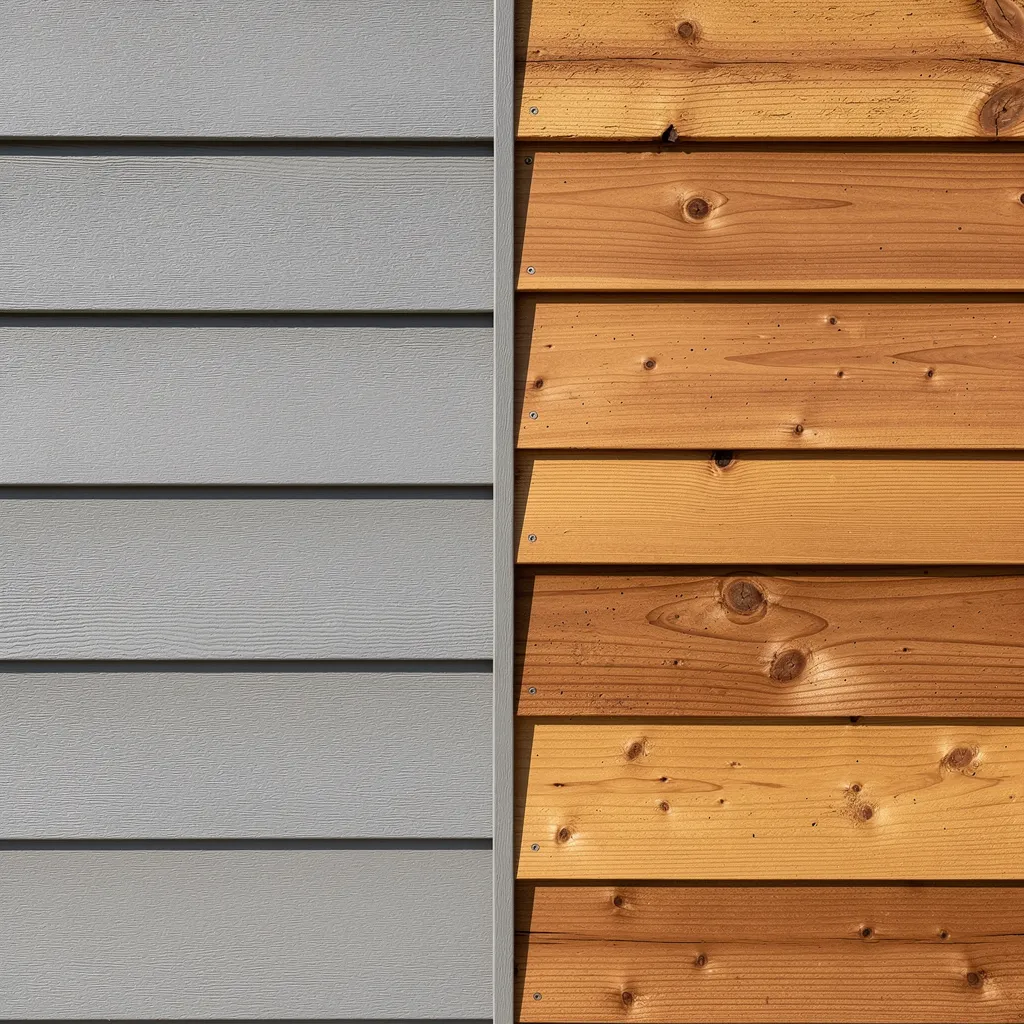
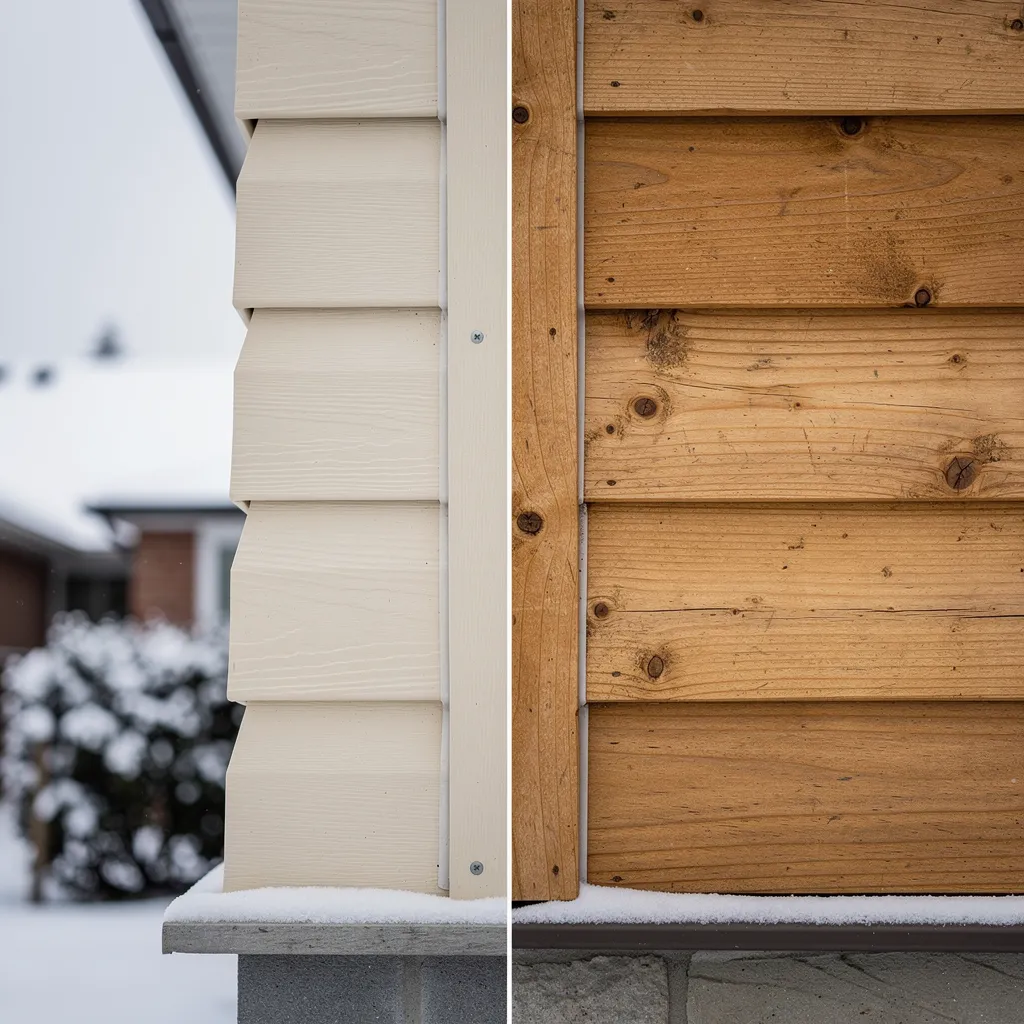
- Average Costs for Different Siding Materials: Vinyl siding typically ranges from $2 to $7 per square foot, while wood can range from $3 to $10 per square foot.
- Factors Influencing Prices: Material choice, labor costs, and removal of old siding can all affect pricing significantly.
- Local Market Variations: Regional market demand may also influence the overall cost of materials and labor, leading to variability in quotes.
Requesting a site-specific estimate from professionals such as Alliance Exteriors will clarify costs and options for your project.
What Are the Typical Repair Costs for Different Siding Materials?
Understanding typical repair costs by material helps set realistic budgets and expectations.
Siding Material
Average Repair Cost per Square Foot
Estimated Lifespan
Vinyl
$2 - $7
20-40 years
Wood
$3 - $10
20-30 years
Fiber Cement
$5 - $10
30-50 years
These ranges serve as a general guide; actual repair costs depend on the material condition, access, and extent of damage.
How Do Local Climate and Building Codes Affect Siding Costs?
Climate and local building codes influence material selection and installation requirements, which in turn affect cost.
- Impact of Local Climate on Materials: Regions prone to high humidity may benefit from moisture-resistant materials, whereas colder climates may favor more insulated options.
- Building Code Considerations: Understanding local regulations is essential to ensure that your siding meets safety and aesthetic standards.
- Cost Implications: Adapting to climate and code requirements may involve extra costs but ultimately protect your investment.
Engaging knowledgeable contractors streamlines compliance with codes while achieving the desired performance and appearance.
Which Siding Materials Are Best Suited for Repair or Replacement Projects?
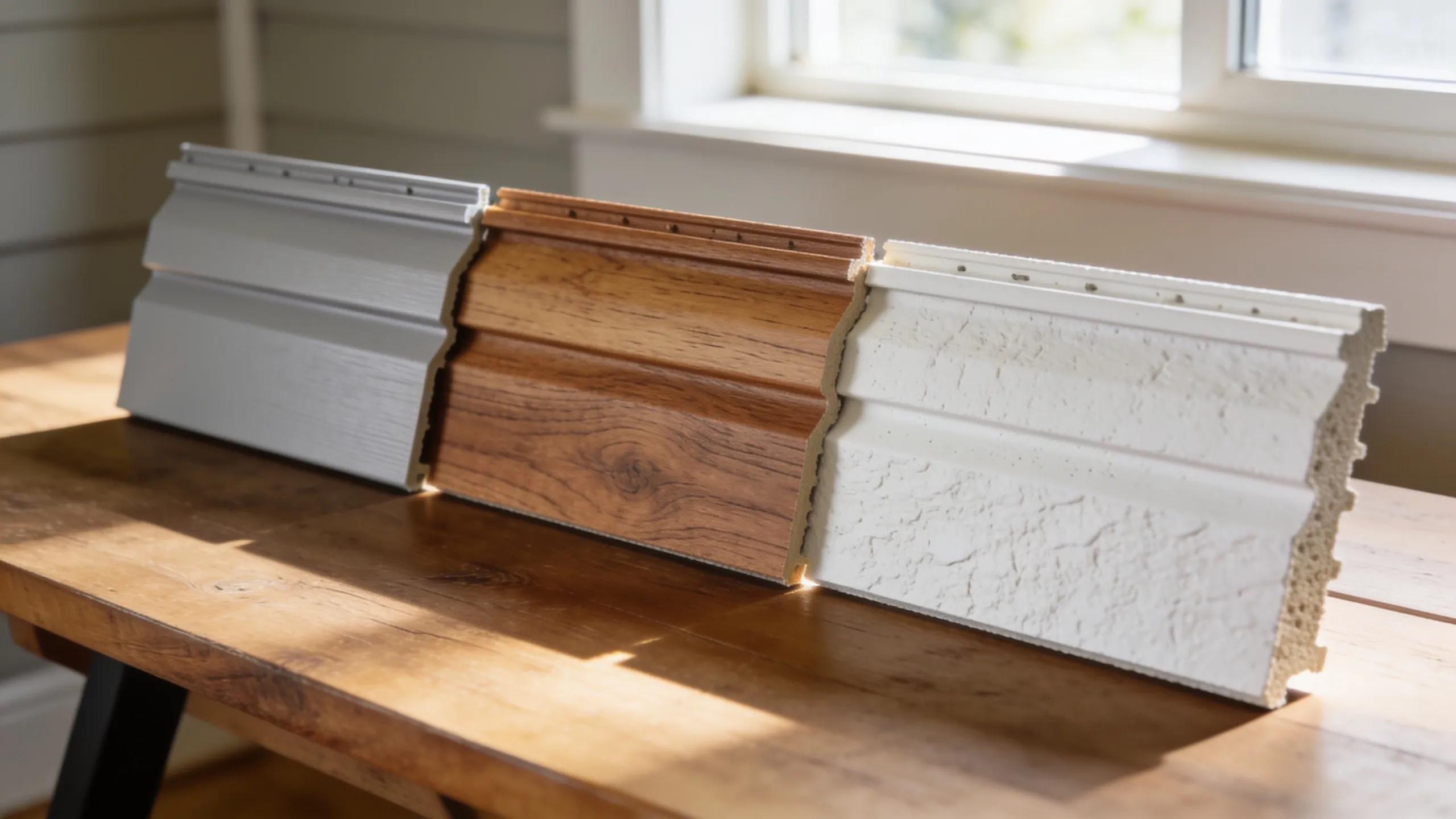
Choosing the appropriate material affects durability, maintenance and long-term cost of ownership.
- Durability Features of Various Materials: Fiber cement is renowned for its longevity and resistance to pests, while vinyl is favored for its cost-effectiveness and variety of styles.
- Cost Considerations: Evaluate materials not only for upfront costs but also for long-term durability and maintenance.
- Energy Efficiency: Look for materials with superior insulation properties to improve your home's energy efficiency.
A strategic assessment of performance, maintenance and cost enables homeowners to select materials aligned with budget and aesthetic goals.
How to Choose the Right Siding Material for Your Home’s Exterior
Selecting the right siding requires evaluating local climate, maintenance expectations and design preferences.
- Factors Influencing the Choice: Consider local weather conditions, maintenance requirements, and personal aesthetic preferences.
- Material Properties: Assess different materials’ strengths and weaknesses concerning durability, maintenance, and style.
- Climate Compatibility: Ensure your selected material is suitable for your local climate to maximize efficiency and aesthetic appeal.
Alliance Exteriors can advise on the best siding options for your property and priorities.
Why Should You Choose Alliance Exteriors for Your Siding Repair and Replacement Needs?
Choosing the right contractor is pivotal to project quality and long-term performance. Alliance Exteriors is a trusted provider in Toronto and North York with a focus on professional siding solutions.
- Quality of Service: With years of experience, our team ensures that every project is completed to the highest standards.
- Customer Testimonials: Satisfied clients consistently praise our commitment to quality and excellence in service.
- Expertise in Various Materials: Our specialists are well-versed in a wide range of siding types, ensuring optimal recommendations tailored to your needs.
Working with experienced professionals like Alliance Exteriors delivers precise repairs or replacements and a commitment to improving your home’s value and appearance.
Frequently Asked Questions
What should I do if I notice a small crack in my siding?
Address small cracks promptly to prevent escalation. Clean the area to remove debris, then seal with appropriate caulk or a repair compound suitable for the material. If cracks spread or you find multiple areas of damage, have a professional assess whether a larger repair or replacement is required.
How can I maintain my siding to prolong its lifespan?
Regular maintenance extends siding life. Inspect twice yearly for cracks, rot or mold. Clean surfaces with a pressure washer or mild detergent to remove dirt and prevent growth. Repaint or restain wood siding periodically and ensure proper drainage to avoid water pooling at the base.
What signs indicate that my siding might be harboring pests?
Look for small holes, sawdust-like residues, and droppings near siding. Unusual noises such as scratching may also indicate infestation. If you spot these signs, engage a pest control professional promptly to prevent structural damage.
Are there energy-efficient siding options available?
Yes. Fiber cement and insulated vinyl are common energy-efficient choices. Prioritise materials with a higher R-value and consider reflective coatings to reduce heat gain. Consult a professional to identify the most cost-effective, energy-saving option for your home.
How often should I inspect my siding?
Inspect siding at least twice a year—typically in spring and fall. Check for cracks, warping, fading and signs of rot or mold. After severe weather, perform an additional check to catch storm-related damage early.
What impact does siding color have on home energy efficiency?
Siding colour affects energy performance. Lighter colours reflect sunlight and help keep interiors cooler, reducing cooling loads. Darker colours absorb heat and can increase cooling demand. Choose colour with your local climate and efficiency goals in mind.
Conclusion
Promptly addressing siding issues preserves your home’s appearance and structural integrity. Regular inspections catch early signs—cracks, warping or pest activity—before they become costly problems. Trusting experienced professionals like Alliance Exteriors ensures efficient, high-quality repairs or replacements that protect and enhance your property. Contact us to schedule a consultation.