Top Maintenance Problems with James Hardie Siding Explained
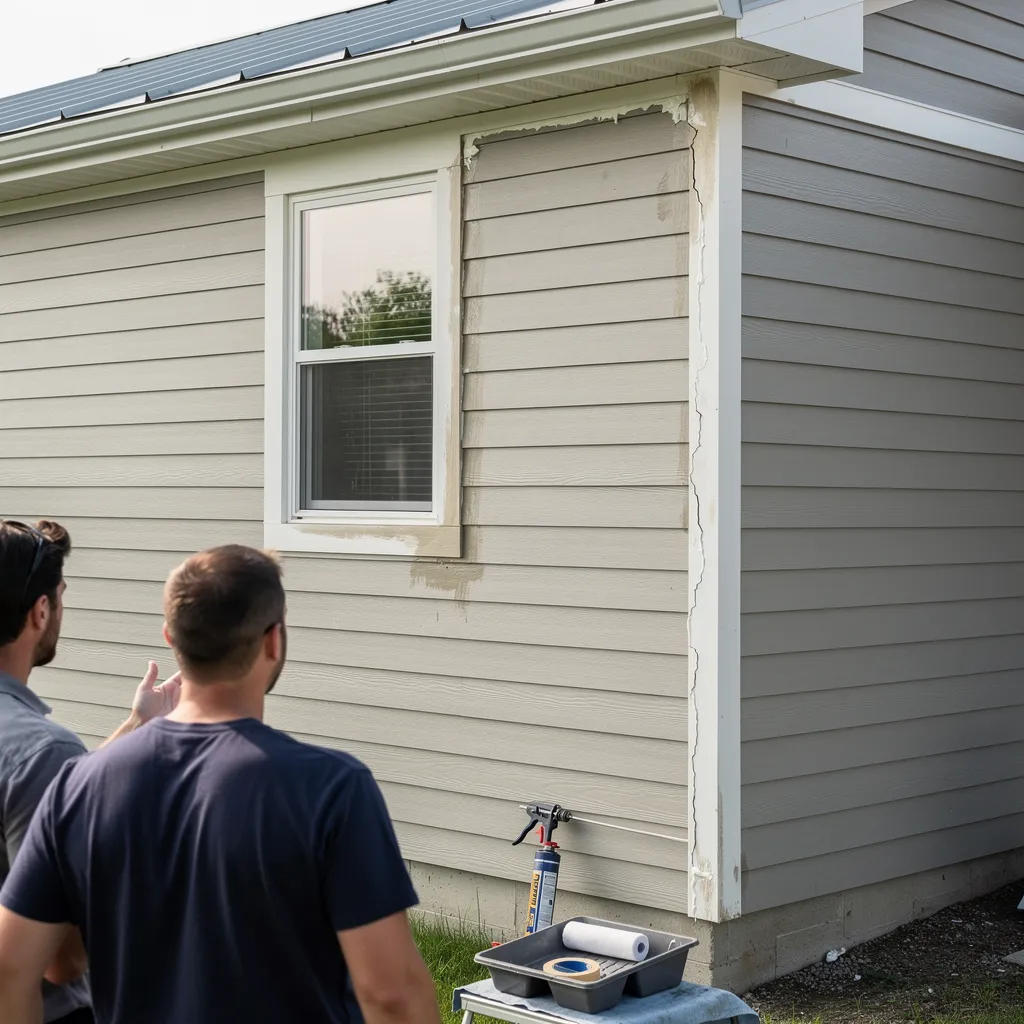
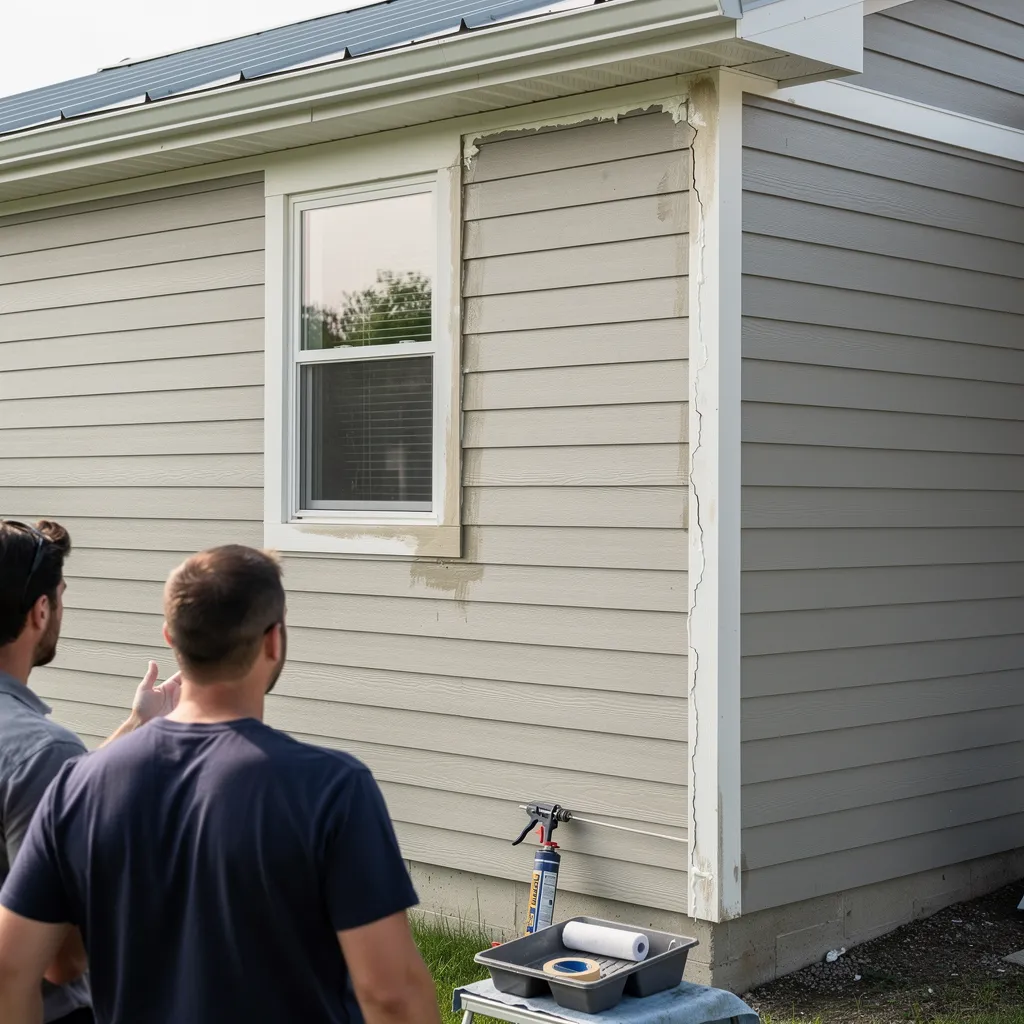
When it comes to What Are the Common Maintenance Issues With James Hardie Siding That Homeowners Face?, james Hardie fiber cement siding requires periodic caulking checks, repainting every 10-15 years if not pre-finished with ColorPlus Technology, and prompt attention to moisture entry points where warping, cracking, or discoloration appear. GTA homeowners benefit from proper installation to manufacturer specifications. Correct flashing and sealing prevent most premature deterioration issues linked to the product.
Is James Hardie Siding Really Maintenance-Free?
No siding product remains completely maintenance-free; all require some level of upkeep, including fiber cement. Marketing language often promises durability and up to 50 years of protection without upkeep. That framing sets unrealistic expectations for GTA homeowners. Skipping basic care based on that promise risks premature wear, cracking, or moisture intrusion that costs far more to fix than routine maintenance ever would.
The gap between marketing claims and real-world performance is exactly why installation quality matters so much. Alliance Exteriors Inc. holds James Hardie Certified Installer status, a credential earned by raising installation standards above what many contractors deliver. Certified installation reduces the risk of the moisture problems. Premature failures tied to poor workmanship rather than the material itself.
Does location affect how much maintenance Hardie siding needs?
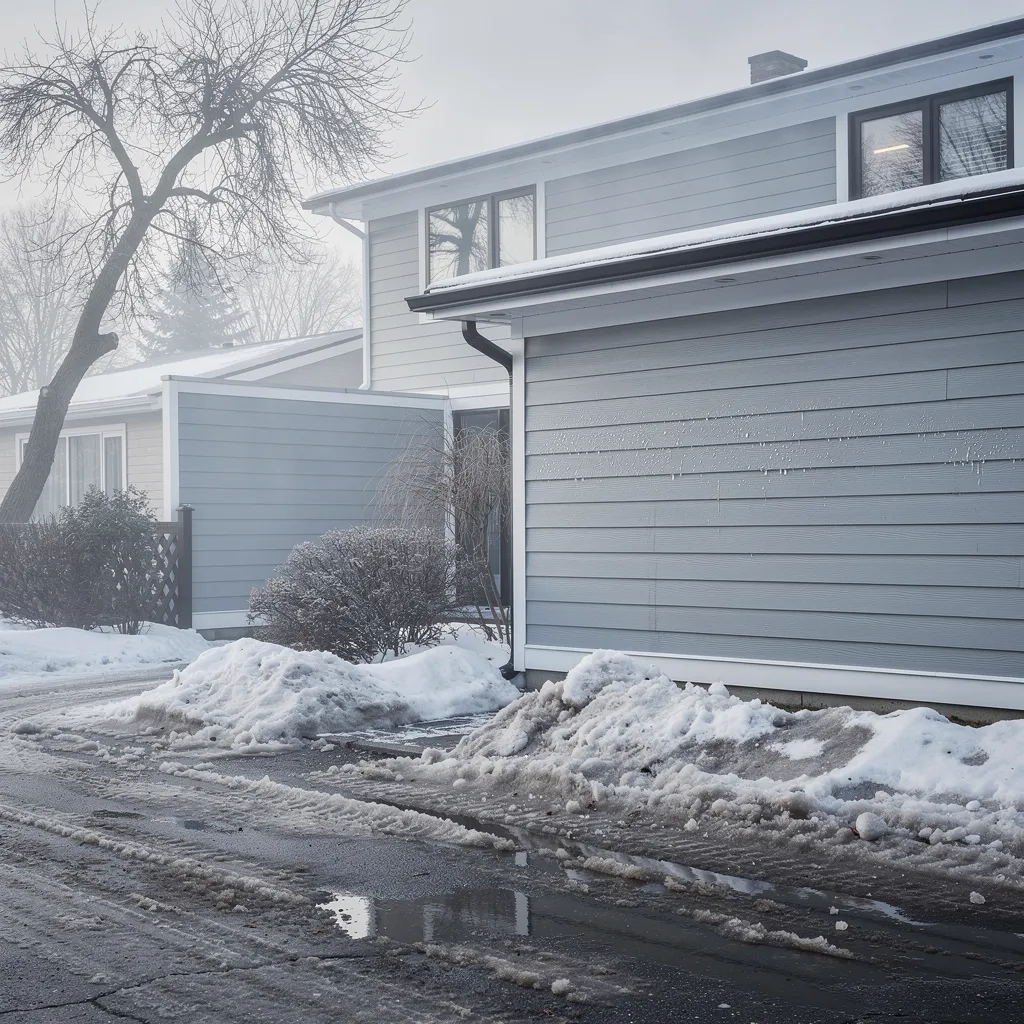
Yes — climate plays a direct role in wear patterns. Canadian winters, freeze-thaw cycles, and coastal humidity near the GTA place different demands on siding than milder regions. Alliance Exteriors Inc. builds its approach around professional craftsmanship engineered specifically for Canada's climate, which shapes the maintenance guidance given to homeowners.
Because the company is based in North York, Ontario, its advice reflects direct familiarity with regional weather stress on exterior systems. That local proximity allows for guidance grounded in what actually happens to siding across the GTA, not generic national averages.
Bottom line: Hardie siding is durable, but "maintenance-free" oversells reality. Homeowners who understand the difference protect their investment and avoid the costly surprises that come from believing the marketing over the material's actual needs.
What Moisture Risks Threaten Hardie Siding Longevity?
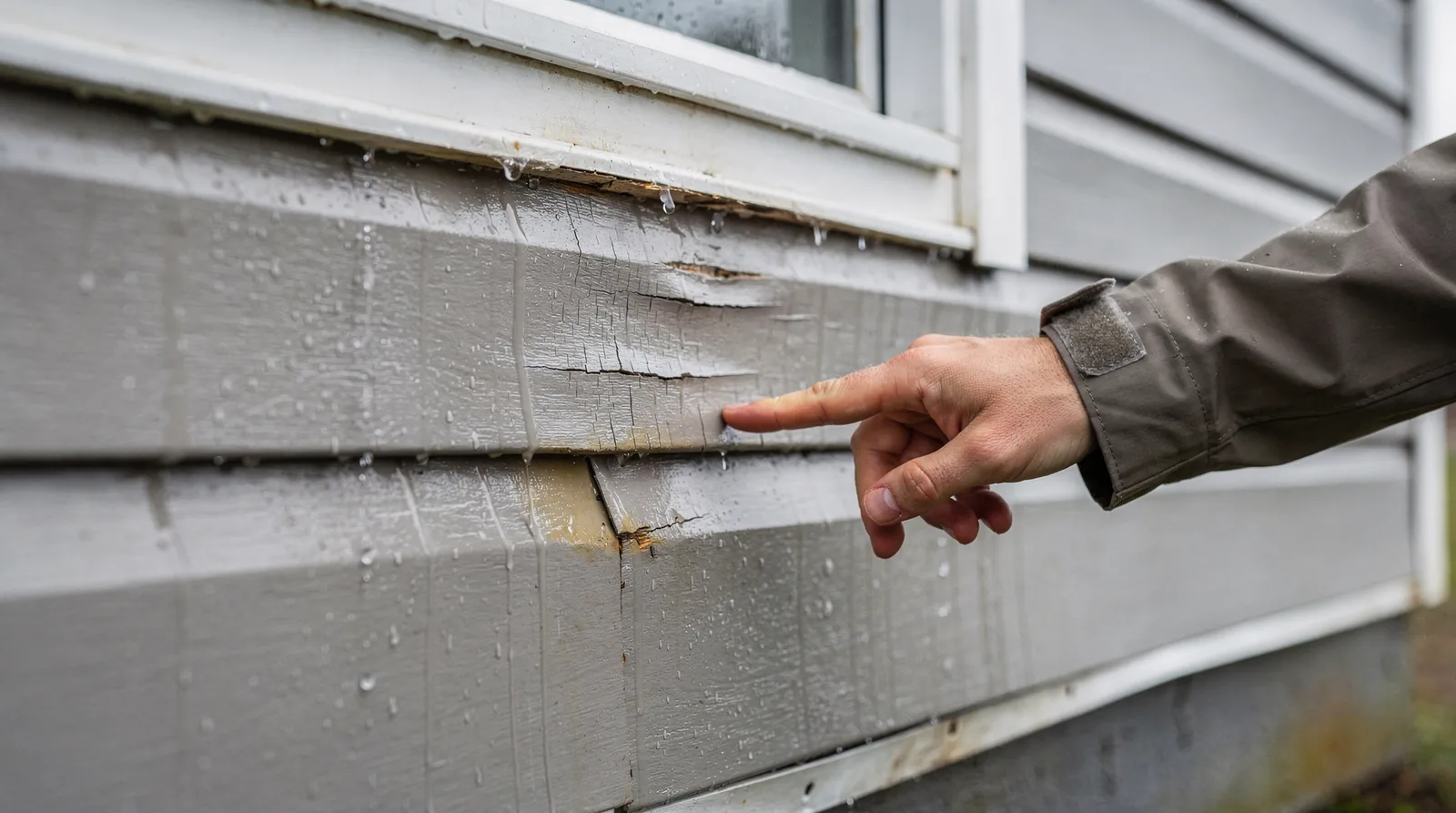
Moisture intrusion poses the single greatest threat to fiber cement siding, even though the material ranks among the sturdiest exterior products on the market. Faulty installation, not the panels themselves, creates the entry points that let water reach a home's structural sheathing. Once trapped, that moisture warps boards, breeds rot, and cuts years off a siding system's expected performance. For North York and GTA homeowners, understanding where these risks originate makes it easier to catch trouble before it spreads.
Why does incorrect installation cause moisture problems?
Gaps at seams, improper flashing around windows and doors, and poorly sealed joints give water a direct path behind the cladding. Because James Hardie panels rely on precise fastening. Clearances to shed water correctly, small installation errors compound over seasons of freeze-thaw cycles common to the Toronto climate. That's why installation quality matters as much as the material choice itself.
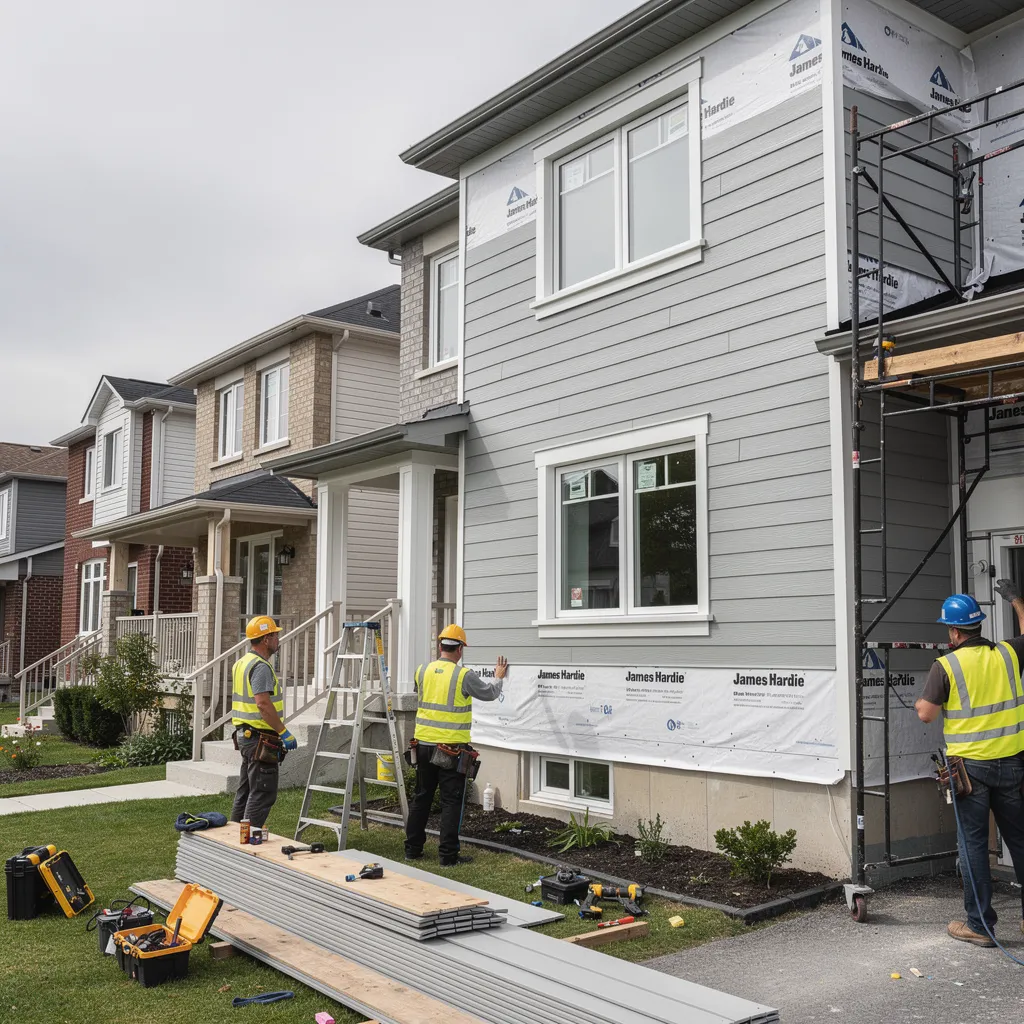
A properly installed weather barrier addresses much of this risk before siding even goes up. This layer blocks moisture, drafts, and heat transfer while paired insulation boosts energy efficiency and indoor comfort. Skipping or mishandling this step leaves a home vulnerable regardless of how premium the visible siding looks.
What keeps installation moisture-safe long term?
Every project follows manufacturer specifications and local building code, closing the gaps most responsible for early siding failure. Consistent code-compliant execution protects flashing details, drainage planes, and sealing points that homeowners rarely see but depend on daily.
Transparent, itemized quotes reinforce that protection by giving homeowners visibility into:
- Flashing placement around penetrations
- Sealing methods at joints and edges
- Drainage planning behind the cladding
Consistent project communication ensures none of these details get overlooked before final walkthrough.
Why Does Hardie Siding Sometimes Fail Prematurely?
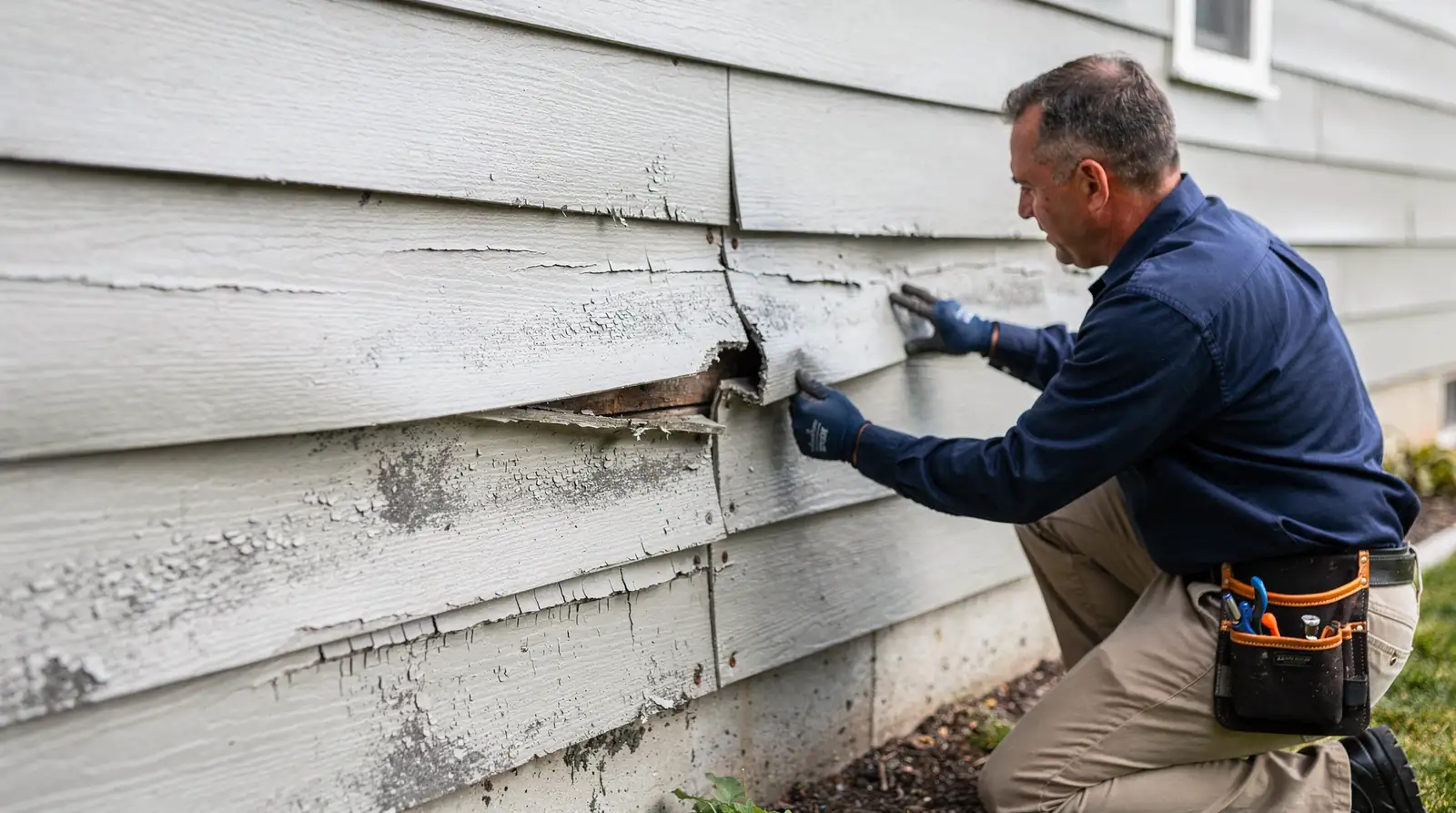
Premature failure almost never comes from the fiber cement material itself. Installation errors and manufacturing defects account for nearly every documented case of early deterioration. That distinction matters for North York homeowners: the product's reputation for durability holds up, but the crew installing it determines whether that reputation gets tested.
Hardie siding remains one of North America's most popular exterior cladding choices, valued for its durability, curb appeal, and long service life. That popularity exists precisely because correctly installed systems perform for decades with minimal fuss. Problems surface when clearances get ignored, caulking gets skipped, or panels get nailed too tight against the substrate.
What Makes Installation Quality So Critical?
Fiber cement is unforgiving of shortcuts. Improper flashing, missing gaps at trim, or rushed fastening schedules trap moisture behind the boards long before homeowners notice visible damage.
Alliance Exteriors approaches every installation with that risk in mind. Because the company specializes solely in siding and cladding rather than general contracting, crews bring sharper material knowledge and more disciplined project management to each job than a generalist outfit typically can.
That focus extends across material types, not just one product line. Core services cover:
- James Hardie fiber cement siding
- Maibec wood siding
- Metal and aluminum siding
- PVC, WPC, and composite siding
Working across these systems gives installers cross-material context. A crew that understands how metal flashing interacts with wood siding applies that same precision to Hardie panel detailing, reducing the small errors — gapping, fastening, sealant placement — that cause premature failure down the road.
What Routine Care Keeps Siding Performing Well?
A consistent, seasonal maintenance rhythm keeps James Hardie fiber cement siding performing at its best for decades. GTA and North York homeowners face freeze-thaw cycles, humidity swings, and road salt exposure — skipping care accelerates wear and shortens the practical life of an otherwise durable exterior investment.
Common maintenance issues with James Hardie siding center on three routine tasks: cleaning, inspection, and caulk renewal. None of these require special tools, but each carries a specific timeline homeowners should track.
How often should Hardie siding be cleaned?
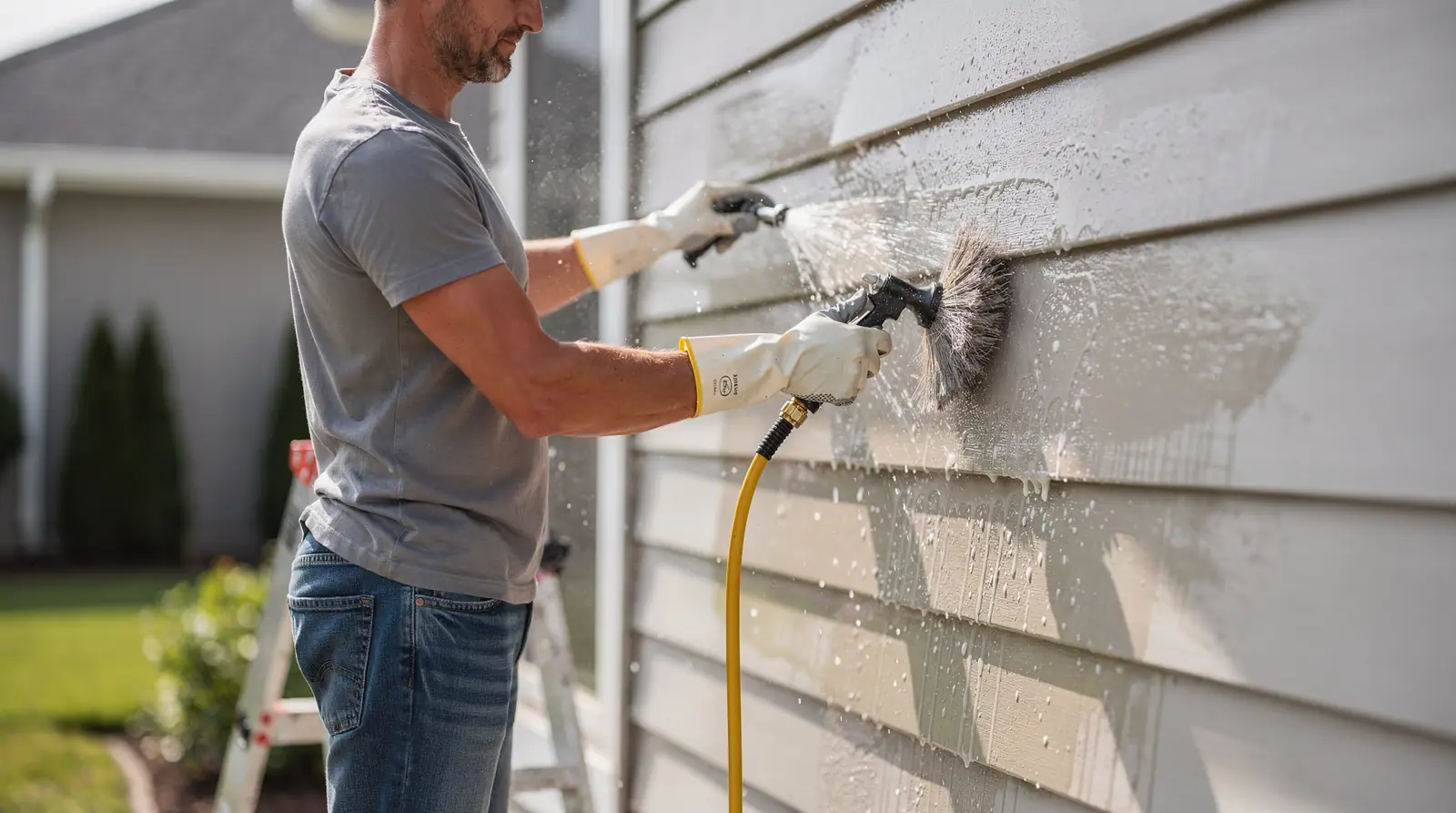
Washing every 6 to 12 months keeps siding free of dirt, pollen, and grime buildup. Homes near Lake Ontario or in more humid microclimates benefit from cleaning closer to the 6-month mark. A garden hose, mild soap, and a soft brush handle the job safely; pressure washers and bleach-based cleaners strip finishes and force water behind panels, so both should be avoided.
What should an annual inspection cover?
A yearly walk-around should focus on cracks, loose boards, and caulking that has pulled away from seams. Windows, doors, and trim deserve extra attention, since these transition points fail first when caulk dries out or shrinks.
Recommended annual checklist:
- Inspect caulking around windows, doors, and trim for gaps or shrinkage
- Look for hairline cracks or chipped edges on panels
- Check board fasteners for looseness after seasonal freeze-thaw movement
- Note any dents or impact damage from storms or debris
Caulk generally needs renewal every 3 to 5 years. Chips or dents should get touch-up paint or board replacement promptly rather than waiting. Left unaddressed, small gaps let moisture behind the cladding. Between these routine visits, workmanship backed by 5- and 10-year coverage gives homeowners added confidence that installation quality — not just maintenance diligence — is protecting the investment long-term.
When Should a Siding Professional Step In?
Warped boards, cracked panels, and stubborn moisture stains mark the point where a homeowner should call in help. Caulking and washing solve surface-level wear, but structural damage or repeated leaks require trained hands. Homeowners across Toronto, North York, Oakville, Vaughan, Etobicoke, Markham, Woodbridge, Mississauga, Richmond Hill, and Scarborough benefit from working with a dedicated siding specialist rather than a general contractor, since cladding repair demands product-specific technique that generalists rarely carry.
What does a professional siding assessment involve?
Alliance Exteriors follows a structured process for every project, repair included:
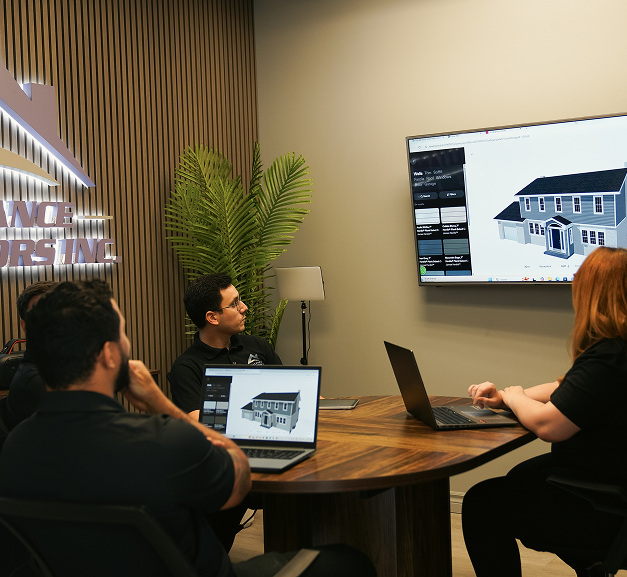
- Design consultation and material guidance
- On-site assessment of the damage
- Transparent, itemized quote
- Professional installation to manufacturer specification
- Final walkthrough with warranty documentation
This sequence keeps clients informed at each stage, replacing guesswork with a clear path from diagnosis to finished repair.
Will a repair match the rest of my home's siding?
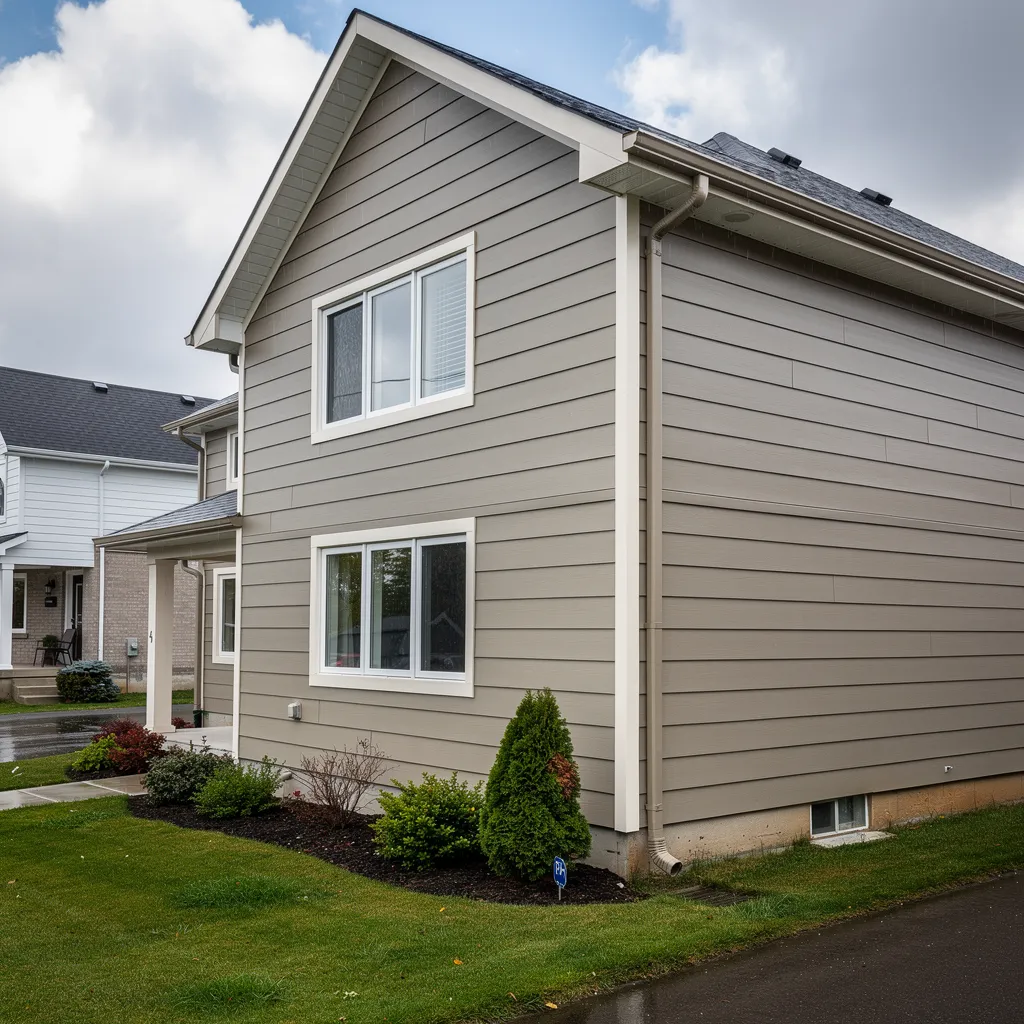
Matching new material to existing common maintenance issues with James Hardie siding repairs is where craftsmanship matters most. Exterior design consultations pair material selection guidance with 3D mockups. Replacement boards align with the home's existing style and performance needs. A patched section should disappear into the surrounding wall, not stand out as an obvious repair. When damage extends beyond a single board or reappears season after season, that pattern signals it's time to bring in a specialist.
FAQ
Is James Hardie siding truly maintenance-free?
No product stays maintenance-free forever. James Hardie siding needs periodic caulking checks and repainting every 10-15 years if not pre-finished with ColorPlus Technology, plus prompt attention to warping, cracking, or discoloration at moisture entry points.
What causes most premature deterioration in James Hardie siding?
Faulty installation causes most premature deterioration, not the panels themselves. Gaps at seams, improper flashing around windows and doors, and poorly sealed joints let moisture reach the structural sheathing and warp boards over time.
Does GTA weather affect James Hardie siding maintenance needs?
Yes, climate directly shapes wear patterns. Canadian winters and freeze-thaw cycles place unique demands on siding. Alliance Exteriors Inc., based in North York, Ontario, builds its maintenance guidance around craftsmanship engineered for this regional climate.
Conclusion
In closing, James Hardie siding delivers exceptional durability when properly maintained and installed to manufacturer specifications. Regular inspections, timely caulking, and protective finishes preserve the material's engineered performance and aesthetic appeal for decades. Partnering with certified installers who understand climate-specific assembly requirements ensures your investment performs reliably through Canada's demanding seasons, protecting your home's exterior with confidence and lasting value.