Top Benefits of Aluminum Siding vs. Metal for Your Home
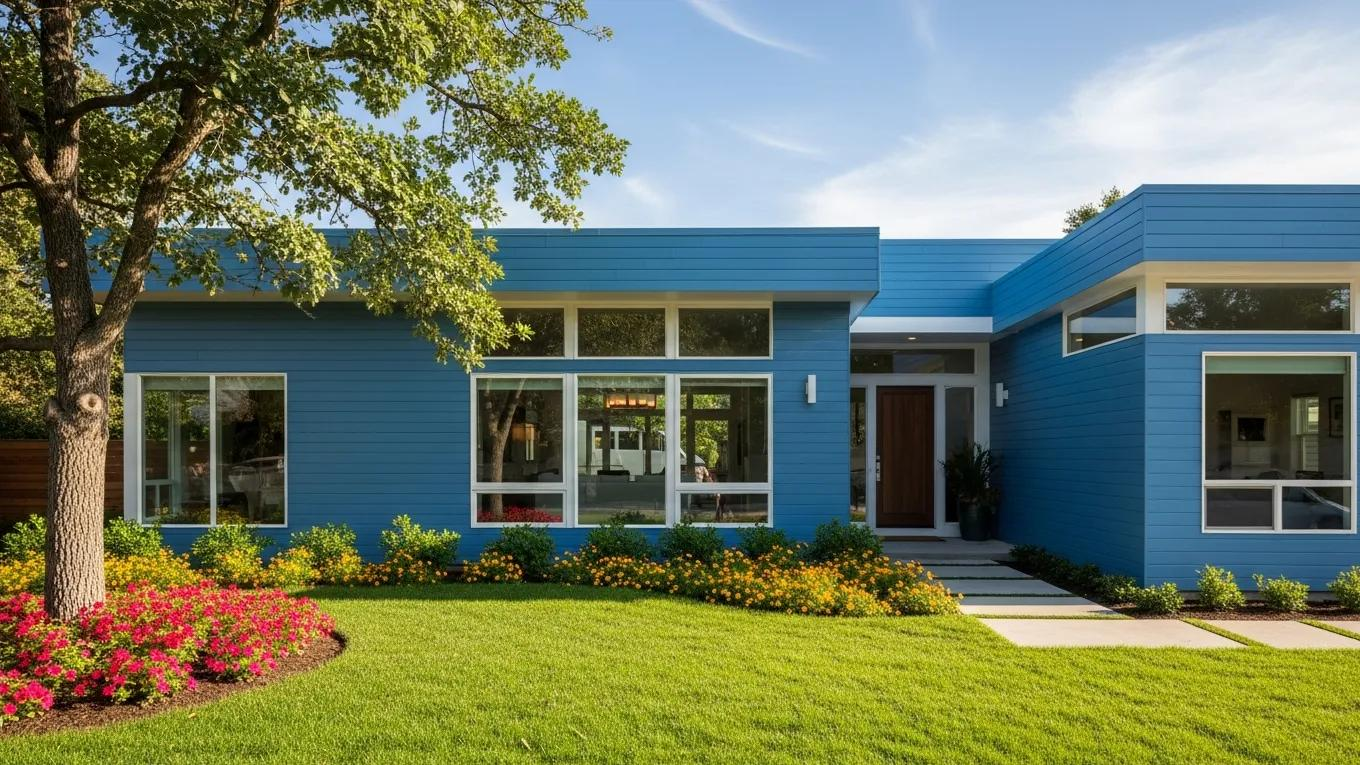
Discover the Top Advantages of Aluminum Siding Compared to Metal Siding for Your Home

Choosing between aluminum and other metal sidings affects your home’s appearance, durability and energy performance. Understanding aluminum’s advantages helps homeowners make informed decisions that improve exterior performance and long‑term value. Aluminum siding delivers durable construction, energy efficiency and low maintenance, making it appropriate for both new builds and remodels. The following sections compare aluminum with other metal options, review cost considerations and emphasise the role of professional installation.
What Are the Key Benefits of Aluminum Siding for Residential Exteriors?
Aluminum siding is valued for its durability, thermal performance and low upkeep. It resists a wide range of weather conditions, contributes to reduced heating and cooling loads, and generally requires less routine maintenance than many alternative materials.
Alliance Exteriors Inc. specialises in aluminium siding projects and provides experienced installation and design guidance to ensure clients receive durable, high‑quality results.
How Does Aluminum Siding Enhance Durability and Rust Resistance?

Aluminium siding offers notable durability because it resists corrosion and rust. Unlike steel, aluminium forms a stable oxide layer that protects the surface from moisture and limits deterioration, allowing the cladding to perform well for decades with minimal intervention.
Its resistance to rot and insect damage reduces repair frequency and lifecycle costs. Field observations and case studies commonly show fewer signs of weather‑related degradation on aluminium‑clad homes compared with some traditional metal sidings.
These performance advantages are supported by research comparing siding materials used in residential construction.
Evaluating Aluminum and Steel Siding Performance for Residential Construction
Rapid changes in the siding materials industry have dated Army specifications for turnkey procurement of siding used on family housing. This investigation surveyed state‑of‑the‑art siding to inform specification updates. Aluminum, steel, hardboard and vinyl were evaluated based on (1) manufacturers’ performance and warranty claims and (2) field inspections of the different types in use. Review of Siding Materials for Turnkey Procurement of Army Family Housing., 1984
In What Ways Does Aluminum Siding Offer Superior Energy Efficiency?

Energy performance is a key selection criterion, and aluminium siding contributes through its reflective surface, which reduces solar heat gain and lowers cooling demand in warmer months. This effect helps maintain more consistent indoor temperatures and can reduce utility costs.
Contemporary aluminium systems often include integrated insulation or insulation backing options that further improve thermal performance, delivering year‑round comfort and measurable energy savings for homeowners.
How Does Aluminum Siding Compare to Metal Siding in Durability and Maintenance?
Compared with some metal siding alternatives, aluminium typically offers superior longevity and simpler maintenance. Traditional metal sidings may be more prone to corrosion and require more frequent upkeep, whereas aluminium’s protective properties help extend service life.
Aluminium siding also tolerates severe weather with less structural or cosmetic damage than some metal options, reducing the need for recurring repairs.
What Maintenance Tips Optimize Aluminum Siding Lifespan?
Maintenance is straightforward: wash the siding periodically with a mild detergent and water to remove dirt and prevent staining. Promptly address dents or surface damage to prevent escalation.
Avoid abrasive cleaners and harsh chemicals that can degrade protective finishes. Scheduling professional inspections every few years helps identify issues early and preserves the siding’s condition over time.
Why Is Aluminum Siding More Resistant to Corrosion Than Metal Alternatives?
Aluminium’s corrosion resistance stems from a naturally forming aluminium oxide layer that adheres to the surface and acts as a barrier against further oxidation and rust formation.
Environmental factors such as persistent moisture can accelerate wear on some metal sidings, whereas aluminium’s protective layer helps maintain both appearance and structural integrity for longer periods.
What Cost Factors Should Homeowners Consider Between Aluminum and Metal Siding?
Financial considerations include initial installation costs, ongoing maintenance, and potential long‑term repair or replacement expenses. Evaluating these elements together gives a clearer picture of total cost of ownership.
How Does Aluminum Siding Provide Better Long-Term Value?
Aluminium typically delivers stronger long‑term value through lower maintenance needs and extended service life, reducing the frequency and cost of replacements. Combined with energy savings, aluminium can be a sensible long‑term investment for homeowners.
Energy efficiency benefits translate to ongoing utility savings, further improving the overall value proposition of aluminium siding.
What Are the Typical Installation and Material Costs for Aluminum vs Metal Siding?
The cost of aluminium siding installation typically ranges from $3 to $6 per square foot. While some metal siding materials have higher material costs, it is important to balance initial outlays against expected maintenance and energy expenses when assessing lifetime value. Many homeowners find aluminium to be the more economical choice over time.
Why Choose Professional Aluminum Siding Installation Services in North York and the GTA?
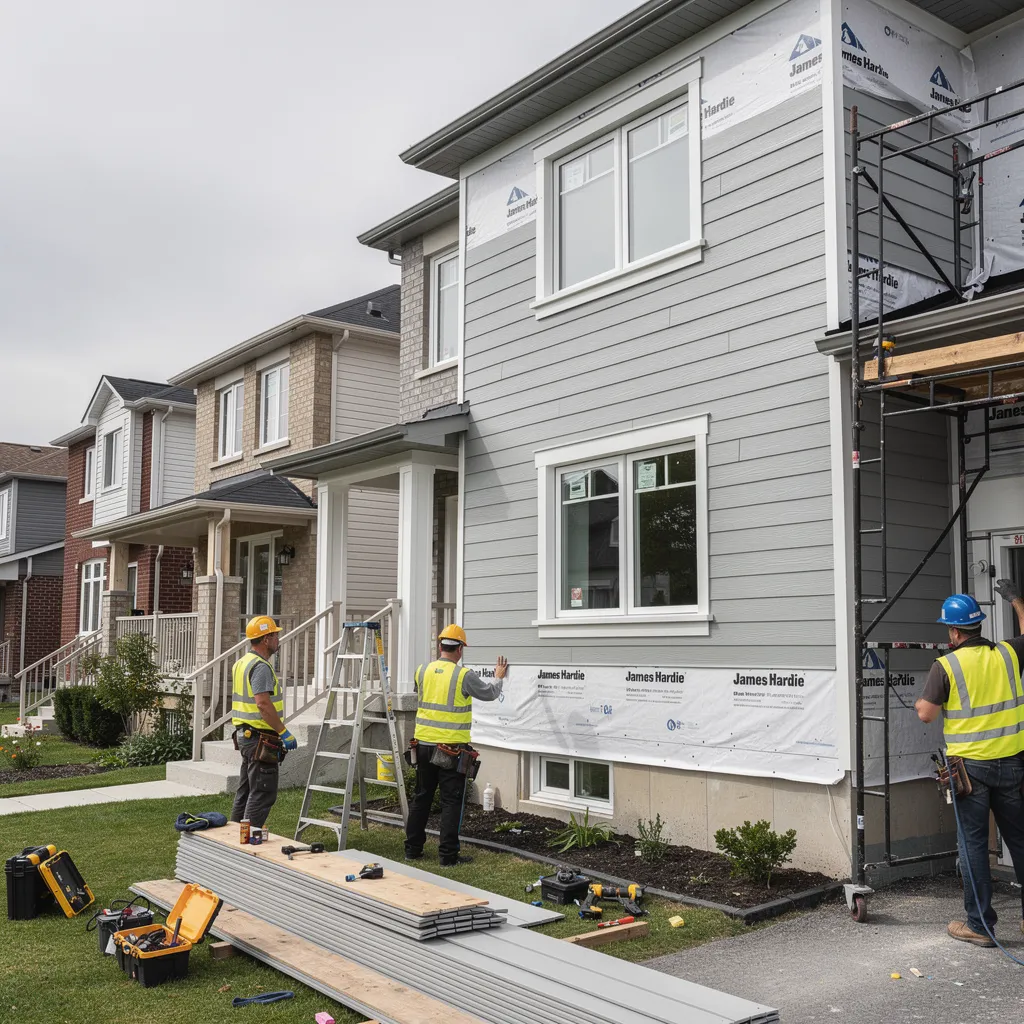
Professional installation is essential to ensure the siding performs as designed. Quality workmanship maximises durability, preserves thermal performance and ensures compliance with local building codes, reducing the risk of future defects.
What Expertise Does Alliance Exteriors Inc. Bring to Aluminum Siding Projects?
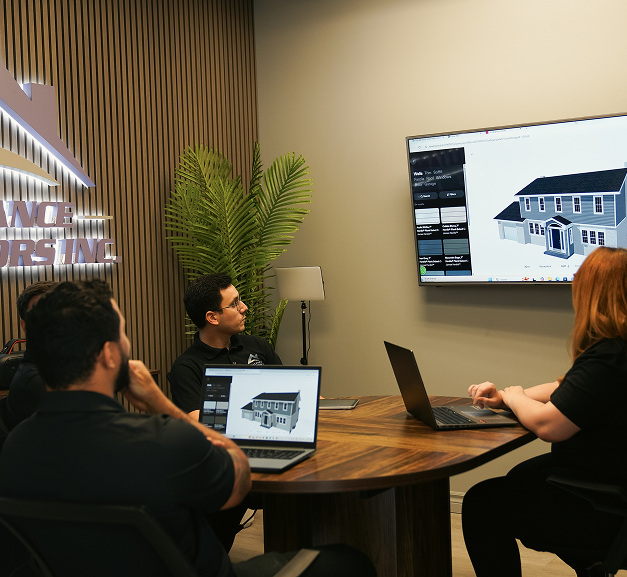
Alliance Exteriors Inc. provides experienced project management and installation teams familiar with a wide range of aluminium systems and detailing. Their guidance helps homeowners select appropriate products and achieve consistently high workmanship and aesthetic results.
How Does Expert Installation Impact the Performance and Warranty of Aluminum Siding?
Correct installation affects both performance and warranty coverage. Manufacturer warranties can be voided if installation does not follow specified procedures, so professional techniques are critical to maintain warranty validity and product integrity.
Selecting experienced installers reduces the risk of common installation errors and provides homeowners with greater assurance that the siding will perform reliably over its intended lifespan.
What Are Homeowners Saying About Aluminum Siding Compared to Metal Siding?
Client feedback routinely highlights aluminium’s durability, aesthetic versatility and low maintenance requirements. Many homeowners report satisfaction with the material’s performance and the cost savings it delivers over time.
How Have Local Homes in North York Benefited from Aluminum Siding Upgrades?
In North York, homeowners who upgraded to aluminium siding frequently report improved energy performance and stronger curb appeal, which can enhance marketability. Residents note increased comfort and an uplifted exterior appearance following professional installations.
How Does Aluminum Siding Resist Rust Compared to Metal Siding?
The aluminium oxide surface layer provides built‑in protection against rust, while some other metal sidings rely on coatings that may wear over time. This inherent resistance reduces repair frequency and associated costs.
What Are the Environmental and Energy-Efficient Benefits of Aluminum Siding?
Aluminium offers environmental advantages through its reflective properties, which reduce heat absorption and lower cooling demand, and through full recyclability at end of life. These attributes support reduced energy use and smaller lifecycle environmental impact. For an alternative durable option, consider fiber cement siding installation.
In summary, aluminium siding provides a compelling combination of durability, energy performance and aesthetic flexibility. Homeowners in North York and the Greater Toronto Area benefit from partnering with experienced professionals such as Alliance Exteriors Inc. to secure optimal installation and long‑term performance.
Frequently Asked Questions
What is the expected lifespan of aluminum siding?
Aluminium siding commonly lasts 30 to 50 years, depending on installation quality, maintenance and local environmental conditions. Proper installation and routine inspections help maximise service life.
Can aluminum siding be painted or refinished?
Yes. Aluminium can be repainted or refinished using exterior‑grade paints formulated for metal. Proper surface preparation—cleaning and priming—improves adhesion and extends the life of the new finish.
How does aluminum siding compare in weight to other siding materials?
Aluminium is generally lighter than steel but heavier than vinyl. Its lighter weight relative to some metals simplifies handling and installation, which can reduce labour intensity, though the home’s structure should always be assessed before installation.
Is aluminum siding environmentally friendly?
Aluminium is considered environmentally favourable because it is fully recyclable and can contribute to lower energy use through reflective properties. Recyclability and energy savings reduce its overall environmental footprint.
What are the common color options available for aluminum siding?
Aluminium siding is available in a wide palette, from neutral tones to bold colours, as pre‑finished panels or via on‑site painting. Many manufacturers offer colour warranties to protect against premature fading.
How well does aluminum siding insulate a home?
Aluminium siding can contribute to thermal performance, especially when supplied with insulation backing. While its intrinsic insulating value differs from materials such as fiber cement or some vinyl systems, combined systems deliver meaningful energy benefits and year‑round comfort.
Conclusion
Selecting aluminium siding improves a home's durability, energy efficiency and curb appeal while keeping maintenance demands low. With a long service life and potential utility savings, aluminium represents a durable, cost‑effective solution. For homeowners in North York and the Greater Toronto Area, working with qualified professionals like Alliance Exteriors Inc. ensures correct installation and sustained performance. Contact us to discuss your options and determine the best solution for your property.