Long-Lasting Durability: Choosing Aluminum Siding Options
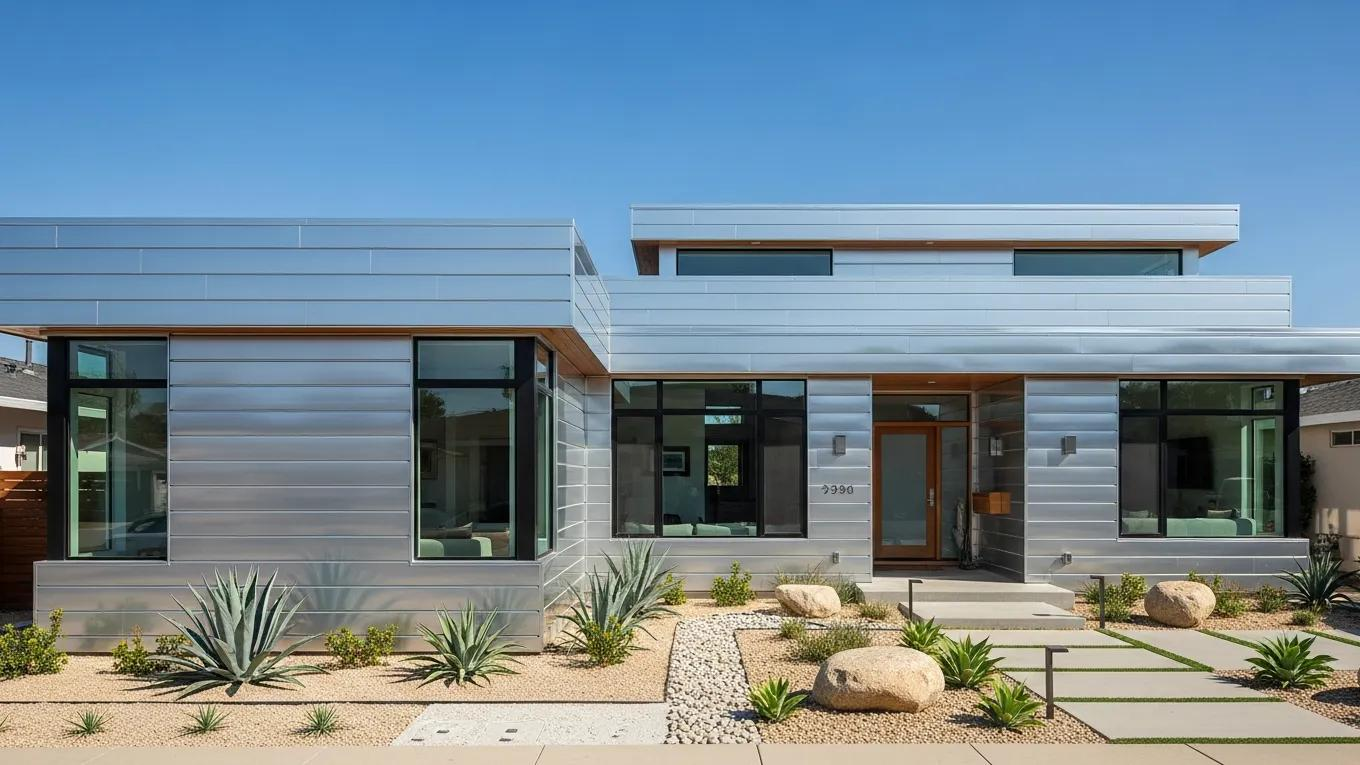
Why Choose Aluminum Siding for Long-Lasting Durability: Expert Insights on Benefits, Installation, Maintenance, and Cost

Aluminum siding is a smart option for homeowners who prioritise longevity, resilience and refined appearance. Designed to withstand variable weather, it protects the building envelope while delivering lasting curb appeal. This guide explains the material’s core benefits, the professional installation steps, routine maintenance needs and the cost implications you should expect. For homeowners across the Greater Toronto Area (GTA), aluminium siding provides durable performance and long-term value. Sections below cover benefits, installation and maintenance, cost analysis, and customer feedback on performance.
Benefits of Aluminum Siding
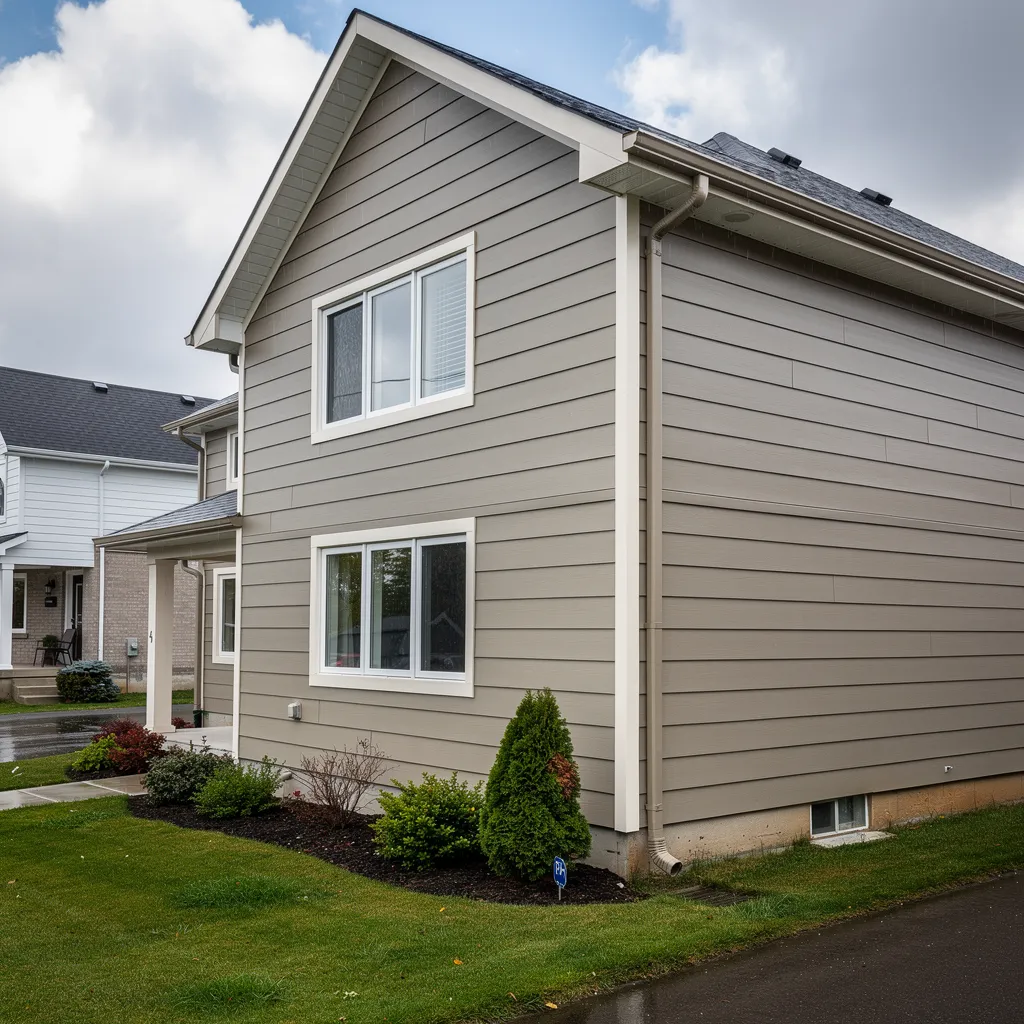
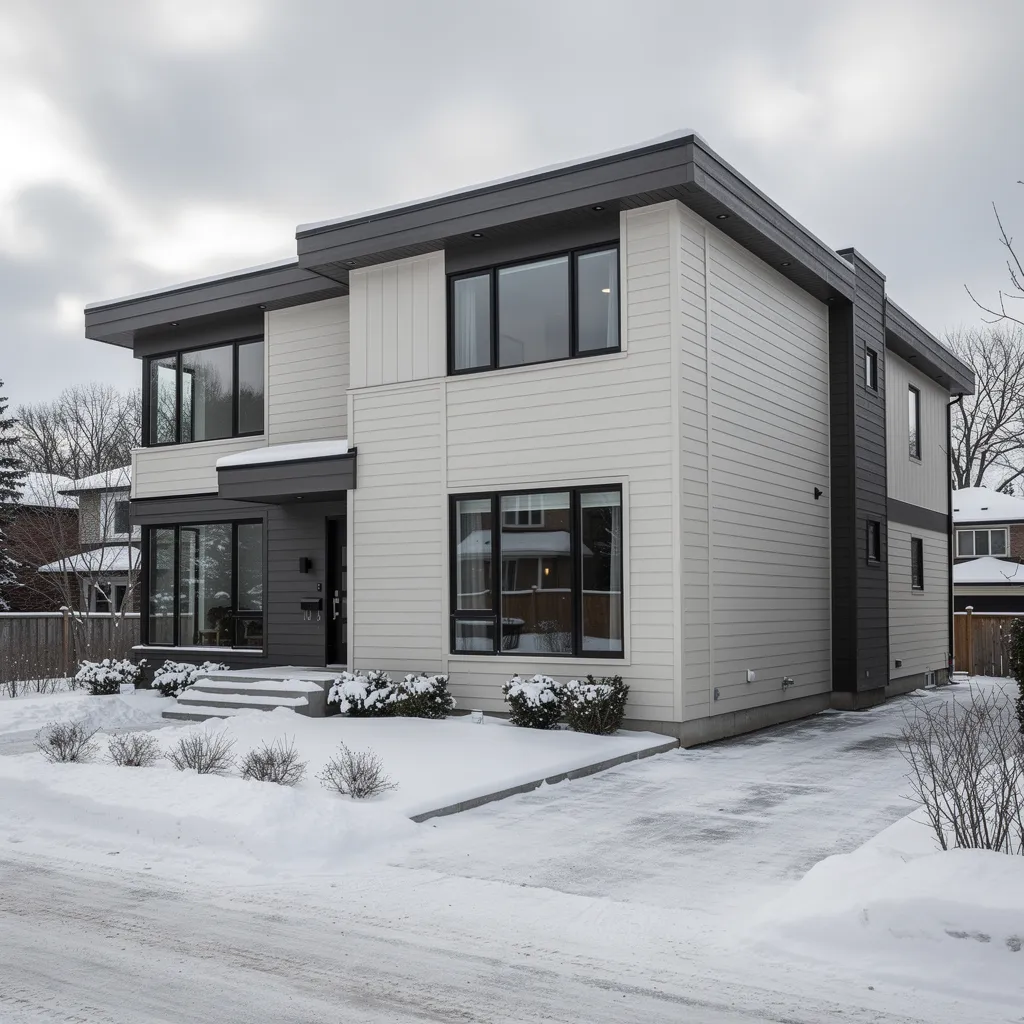
Aluminium siding delivers clear advantages for homeowners who want a durable, attractive exterior. Its resistance to heavy rain, snow and strong winds reduces the risk of peeling, splitting or cracking, so the façade retains its integrity over time. The product also offers a wide selection of factory-applied finishes and colour options, enabling a tailored appearance while maintaining a consistent, professional look.
Maintenance demands are modest compared with many alternatives. Aluminium does not require frequent repainting and is easy to clean with mild detergent and water, lowering ongoing upkeep costs. For high-quality installation and durable results, Alliance Exteriors Inc. provides experienced workmanship and material selection suited to each property.
How Does Aluminum Siding Ensure Long-Term Weather Resistance?

Aluminium’s performance comes from its material properties and correct application. It is non-combustible, adding a safety advantage in fire-prone areas, and reflects heat to help moderate indoor temperatures. Unlike wood, aluminium will not warp, swell or rot with repeated exposure to moisture and temperature swings, making it a stable choice for long-term exterior protection.
Studies and field experience consistently show that correct installation and strict adherence to manufacturer instructions are essential to achieve the expected service life and preserve warranty coverage.
Aluminum Siding Performance & Installation Guidelines
This investigation surveyed contemporary siding systems to update procurement specifications. Aluminum, steel, hardboard and vinyl products were evaluated using manufacturers' performance and warranty claims and through field inspections of installed materials. Despite the study's limited scope, it recommended several procurement and installation practices: 1) specify a factory-prefinished siding with a 15-year nonprorated warranty where applicable; 2) allow flexibility in material selection to suit local conditions and architectural context; and 3) install siding strictly in accordance with manufacturers' instructions to preserve warranty rights.Review of Siding Materials for Turnkey Procurement of Army Family Housing., 1984
What Makes Aluminum Siding a Low-Maintenance Exterior Solution?
Aluminium siding reduces routine upkeep compared with wood alternatives. It retains factory finishes for many years and requires only occasional cleaning with a mild detergent to remove dirt and grime. That straightforward care routine limits time spent on maintenance and reduces total lifecycle costs, letting homeowners focus on other priorities.
Installation Process
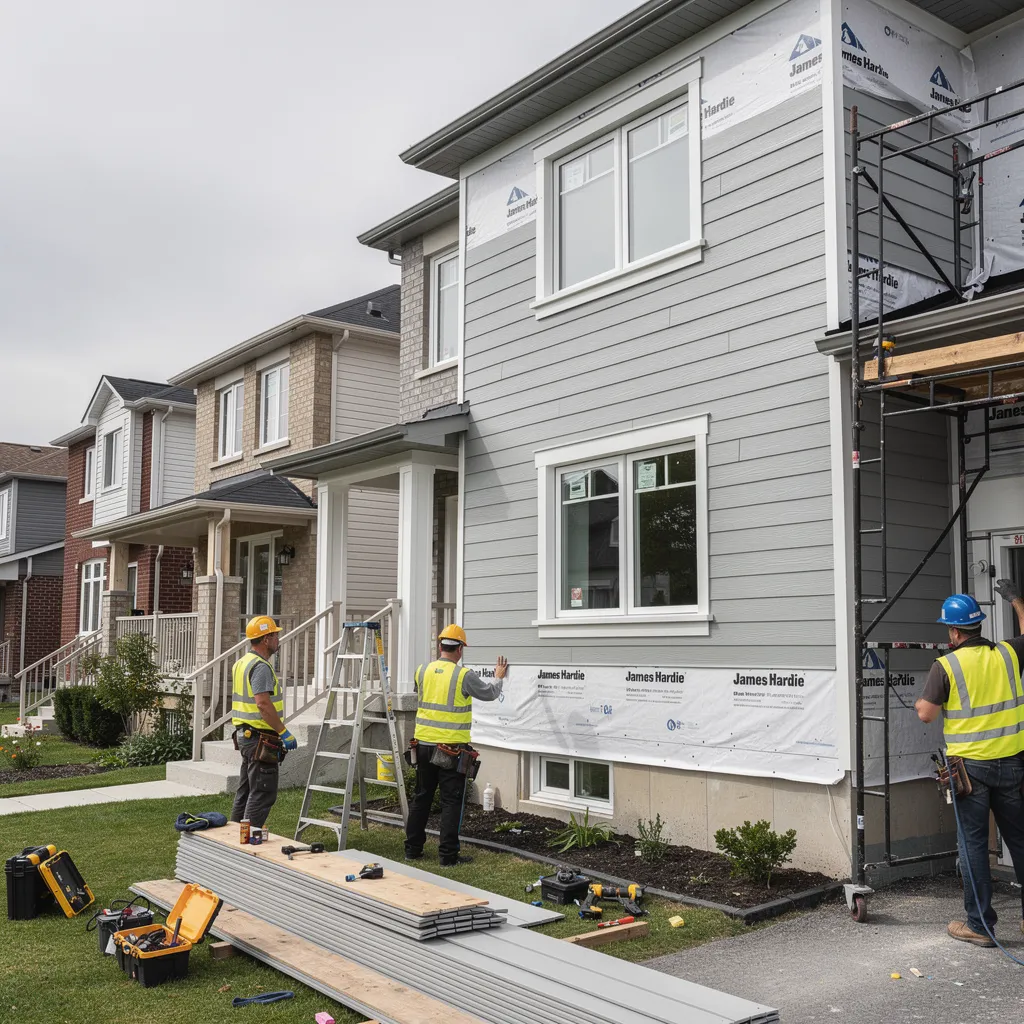
Installation demands precise preparation and experienced installers to ensure a clean fit and weather-tight assembly. The process begins with accurate measurements and surface preparation; correctly aligned panels improve energy performance and reduce moisture risk. Attention to detail during installation is critical to long-term performance.
Professional teams use quality ancillary materials—flashings, underlayments and fasteners—alongside the aluminium panels to optimise insulation and weatherproofing. Specialist tools and proven techniques keep panels secure and prevent future movement or deformation. Alliance Exteriors Inc. applies these standards to deliver installations that meet industry best practice.
What Is the Professional Installation Process for Aluminum Siding?

Professional installation follows a clear sequence: assess and prepare the existing substrate, remove old cladding and repair damaged areas, and clean the work surface. Insulation may be installed to improve thermal performance. Panels are then measured, cut and fastened with attention to alignment and expansion allowances. This method enhances appearance and strengthens the building envelope against weather.
Maintenance Requirements
While aluminium siding requires minimal care, scheduled inspections and occasional cleaning preserve performance and appearance. Regular wash-downs prevent dirt accumulation that can cause staining, and prompt attention to dents or scratches prevents small defects from worsening.
How Can Maintenance Extend the Lifespan of Aluminum Siding?
A simple maintenance routine extends service life: clean the siding annually, repair visible damage promptly and apply protective finishes to repaired areas when needed. These measures sustain the siding’s resistance to harsh weather and reduce the need for major interventions later.
What Routine Maintenance Does Aluminum Siding Require?
Routine maintenance is straightforward and focuses on cleanliness and inspection. Homeowners should follow these basic practices:
- Annual Inspection: Check for scratches, dents or loose panels and arrange repairs without delay.
- Regular Cleaning: Wash with a mild detergent and water at least once per year to remove grime.
- Protective Coating: Apply a clear sealant to freshly repaired or repainted areas to restore protection.
Associated Costs
Aluminium siding costs vary with home size, installation complexity and chosen product quality. Although the upfront expense can be meaningful, reduced maintenance and improved energy performance often offset initial outlay over time.
What Are the Cost Considerations and Long-Term Value of Aluminum Siding?
Aluminium siding typically represents a sound long-term investment due to its durability. Installation costs commonly range from $3 to $8 per square foot depending on style and material grade. Owners realise savings through lower maintenance needs and potential energy efficiency gains, which can translate into reduced operating costs. Compare these factors with alternatives such as James Hardie fiber cement siding when selecting the optimal solution for your property.
Material TypeDurabilityCostAluminum Siding30-40 years$3-$8/sq ftVinyl Siding20-40 years$2-$5/sq ftJames Hardie Fiber Cement30-50 years$5-$10/sq ft
This table compares durability and typical costs for common siding materials, underlining aluminium siding’s value as a durable, cost-effective option over the long term.
How Does Aluminum Siding Installation Cost Compare to Other Materials?
Aluminium generally sits between lower-cost vinyl and higher-cost fiber cement. While initial installation may be higher than vinyl, aluminium’s longevity and lower upkeep create better total cost of ownership for many homeowners seeking reliable performance and value.
What Do Customers Say About Aluminum Siding Durability and Service Quality?
Customer feedback emphasises the lasting appearance and reliable performance of aluminium siding. Many homeowners report maintained colour and structural integrity after years of exposure, reflecting the product’s durability and the quality of professional installation.
How Have GTA Clients Benefited From Aluminum Siding Installed by Alliance Exteriors?
GTA clients report tangible benefits from Alliance Exteriors’ aluminium siding installations: a smooth installation process, durable materials and a finished exterior that enhances curb appeal and withstands Canadian weather. Clients regularly commend the team’s professionalism and installation expertise.
Frequently Asked Questions
What types of finishes are available for aluminum siding?
Aluminium siding is available in a broad range of factory-applied finishes, including baked-on enamel that resists fading, chalking and scratching. Manufacturers offer multiple colours, textures and surface profiles—smooth and textured—to match architectural styles while providing a durable, low-maintenance finish.
How does aluminum siding compare to vinyl siding in terms of sustainability?
Aluminium has sustainability advantages over vinyl: it is highly recyclable and recycling aluminium uses far less energy than producing new metal. Its longer service life also reduces replacement frequency and waste, making aluminium a more environmentally responsible choice for many homeowners.
Are there any specialized tools needed for installing aluminum siding?
Yes. Proper installation requires specialised tools such as a siding cutter, chalk line, level and a miter saw for accurate cuts, along with standard hand tools. Professional crews commonly use pneumatic nailers to secure panels efficiently and ensure consistent results.
What warranties are typically offered with aluminum siding products?
Warranties vary by manufacturer but commonly cover material defects and workmanship for 20 to 40 years, with some premium lines offering lifetime coverage. Coverage for fading may also be available. Review warranty terms carefully and follow required installation and maintenance practices to keep coverage valid.
How does the color of aluminum siding affect its energy efficiency?
Colour influences heat absorption: lighter colours reflect more sunlight and help keep the home cooler, while darker colours absorb heat and can increase cooling demand. Selecting reflective colours and combining them with appropriate insulation improves overall thermal performance.
Is aluminum siding susceptible to rust or corrosion?
Aluminium is highly resistant to rust due to a natural oxide layer that protects the surface. In environments with heavy pollution or salt exposure, regular cleaning and inspections are advised to remove contaminants that could promote corrosion and to preserve finish integrity.
What are the best practices for operating an aluminum siding inspection?
A thorough inspection checks for visible damage—scratches, dents or loose panels—cleans the surface to remove dirt, and looks for signs of moisture or mould. Document required repairs, such as repainting or resealing, and address them promptly to maintain long-term performance.
Conclusion
Aluminium siding delivers durable performance, low maintenance and design flexibility, making it a practical investment for homeowners who value lasting quality. Its resistance to weather damage preserves curb appeal while reducing upkeep costs. For reliable results, consult professional installers to determine the best products and specifications for your home. Contact us to discuss how aluminium siding can enhance your property’s value and performance.