James Hardie Siding vs. Others: A Comprehensive Comparison
James Hardie Siding Compared to Other Exterior Siding Options: Expert Analysis for Durable, Cost-Effective Home Solutions
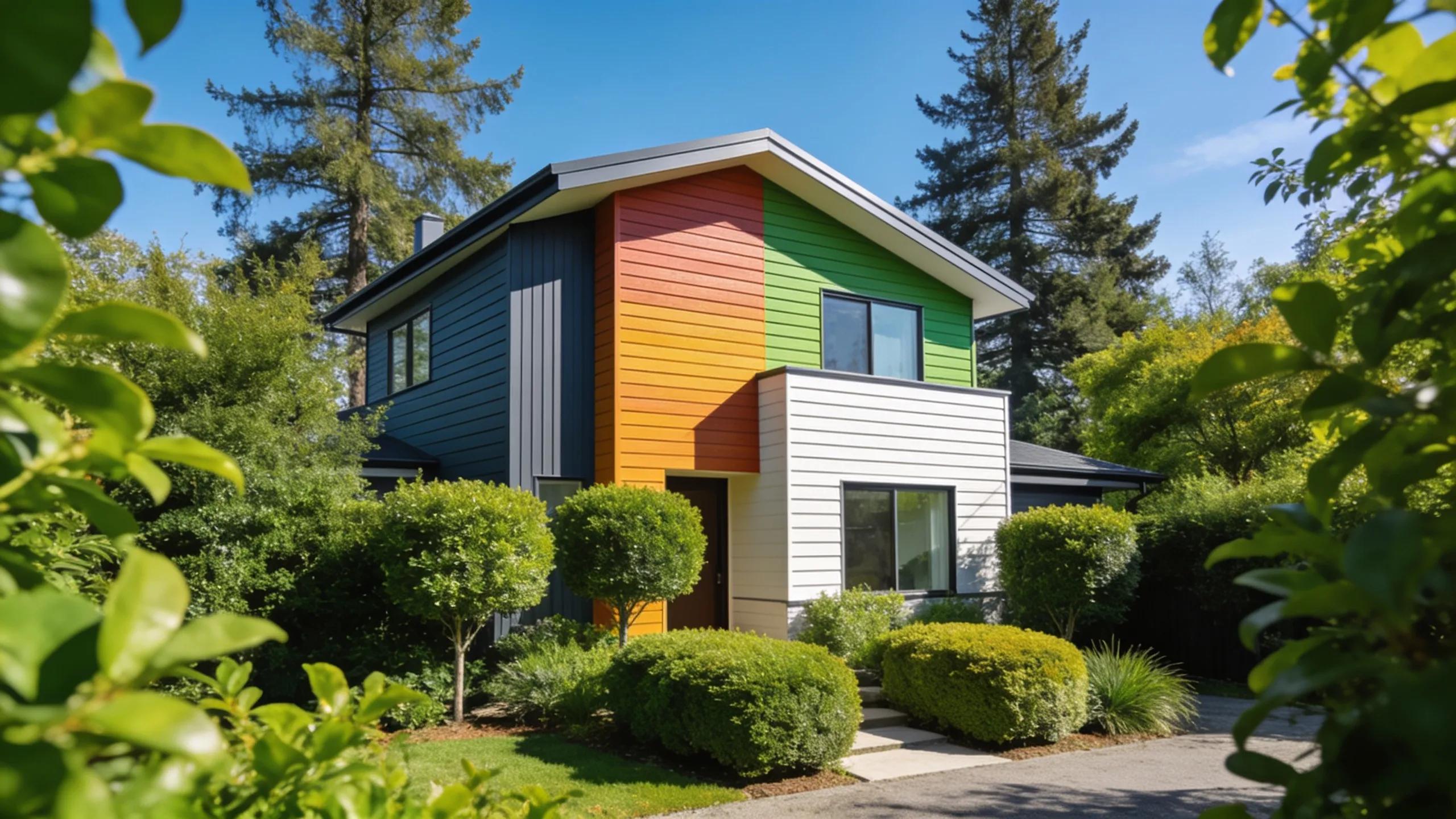
The choice of exterior cladding shapes a home’s appearance, longevity and value. James Hardie siding, a fiber cement product, offers a durable alternative to traditional vinyl and wood. This analysis compares durability, lifecycle costs and performance to help homeowners make an informed decision that balances budget and design objectives.
This article examines durability, cost-effectiveness, performance characteristics, environmental credentials and installation considerations. It also highlights the advantages of professional installation for maximising the product’s service life and appearance.
Durability
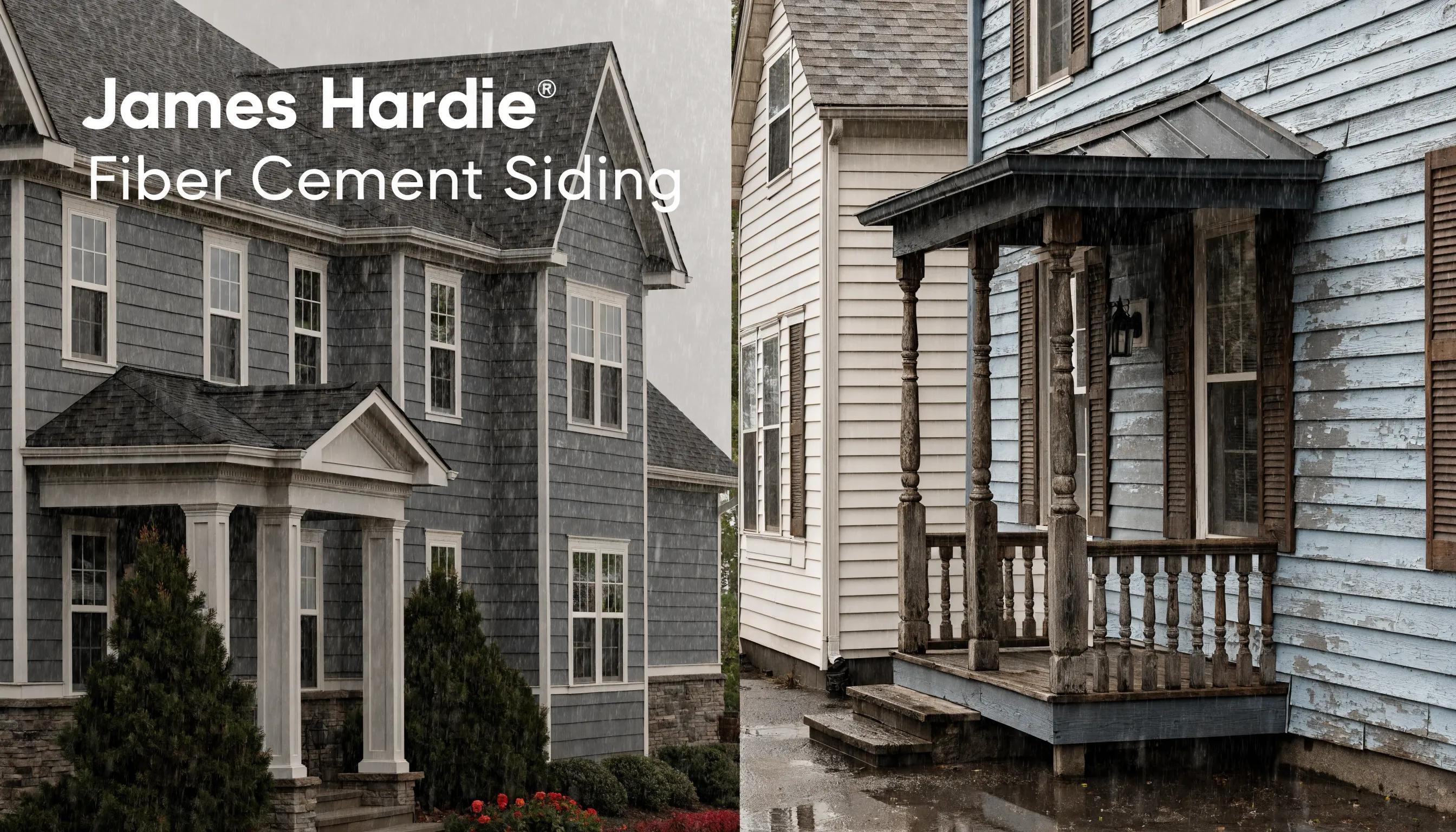
James Hardie siding is noted for long service life and robust weather resistance. With an expected lifespan exceeding 30 years, fiber cement resists moisture, pests and the wear of severe weather. Homeowners benefit from fewer replacements and steadier protection against rain, wind and temperature cycles.
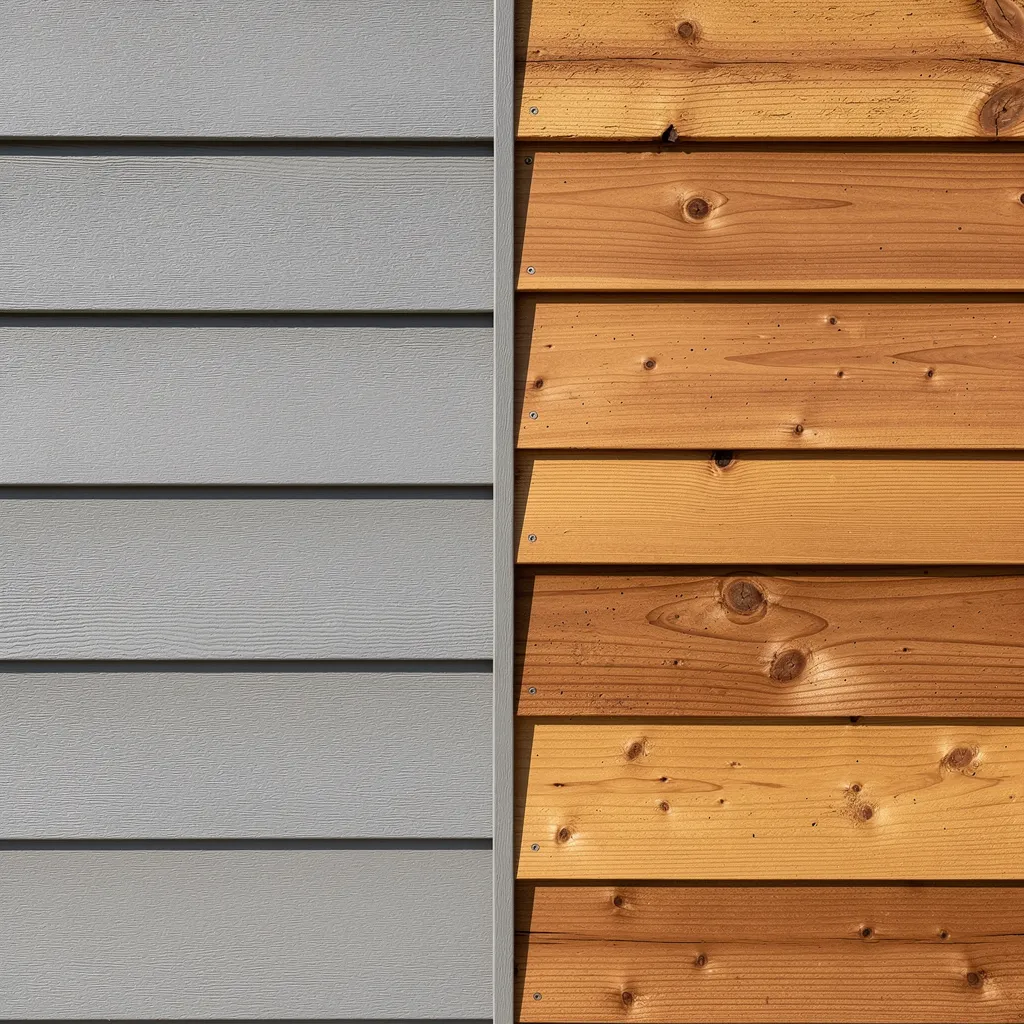
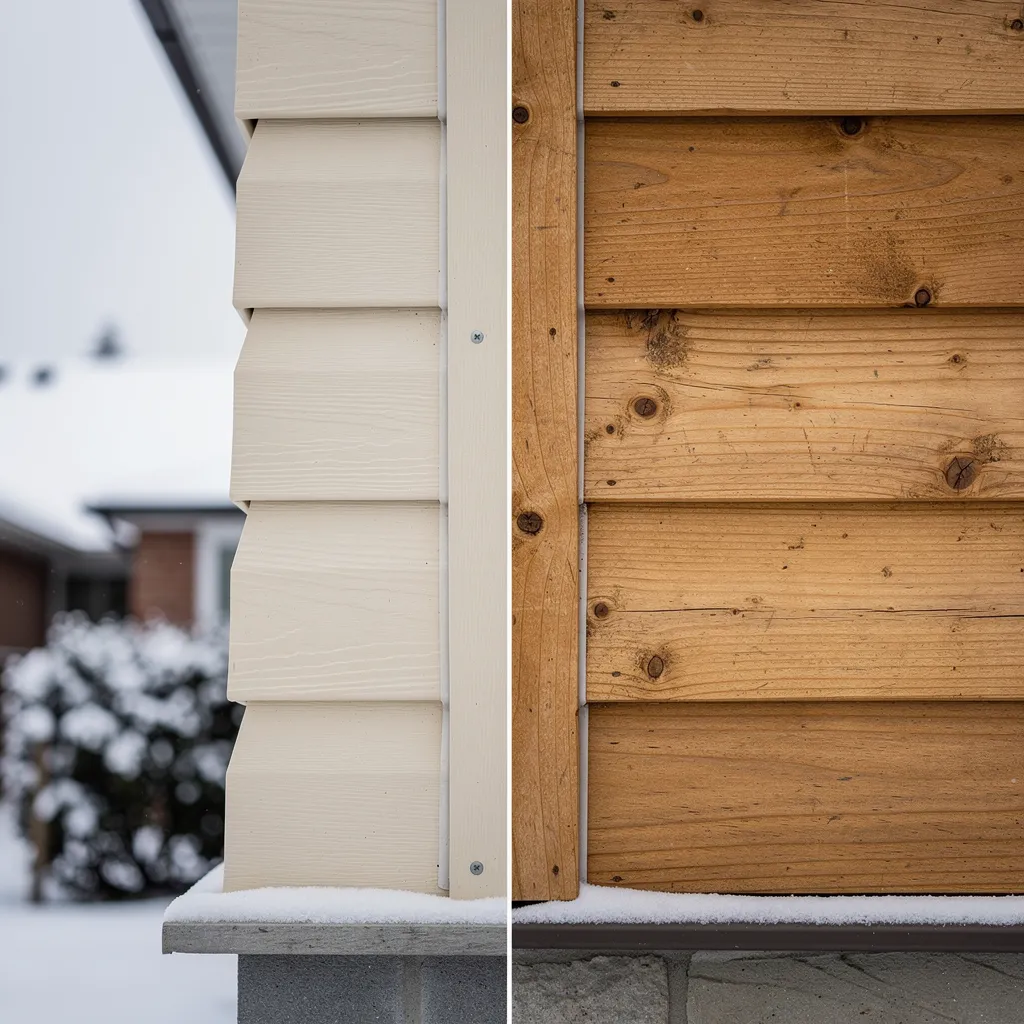
Durability comparisons show clear differences: vinyl can fade or warp, while wood is vulnerable to rot and insect damage. Selecting fiber cement reduces maintenance cycles and the costs tied to frequent repairs or siding replacement.
Installation quality directly affects longevity. Homeowners in North York and the Greater Toronto Area should engage experienced installers—such as Alliance Exteriors Inc—to ensure proper detailing and flashing that protect the assembly over time.
Cost-Effectiveness
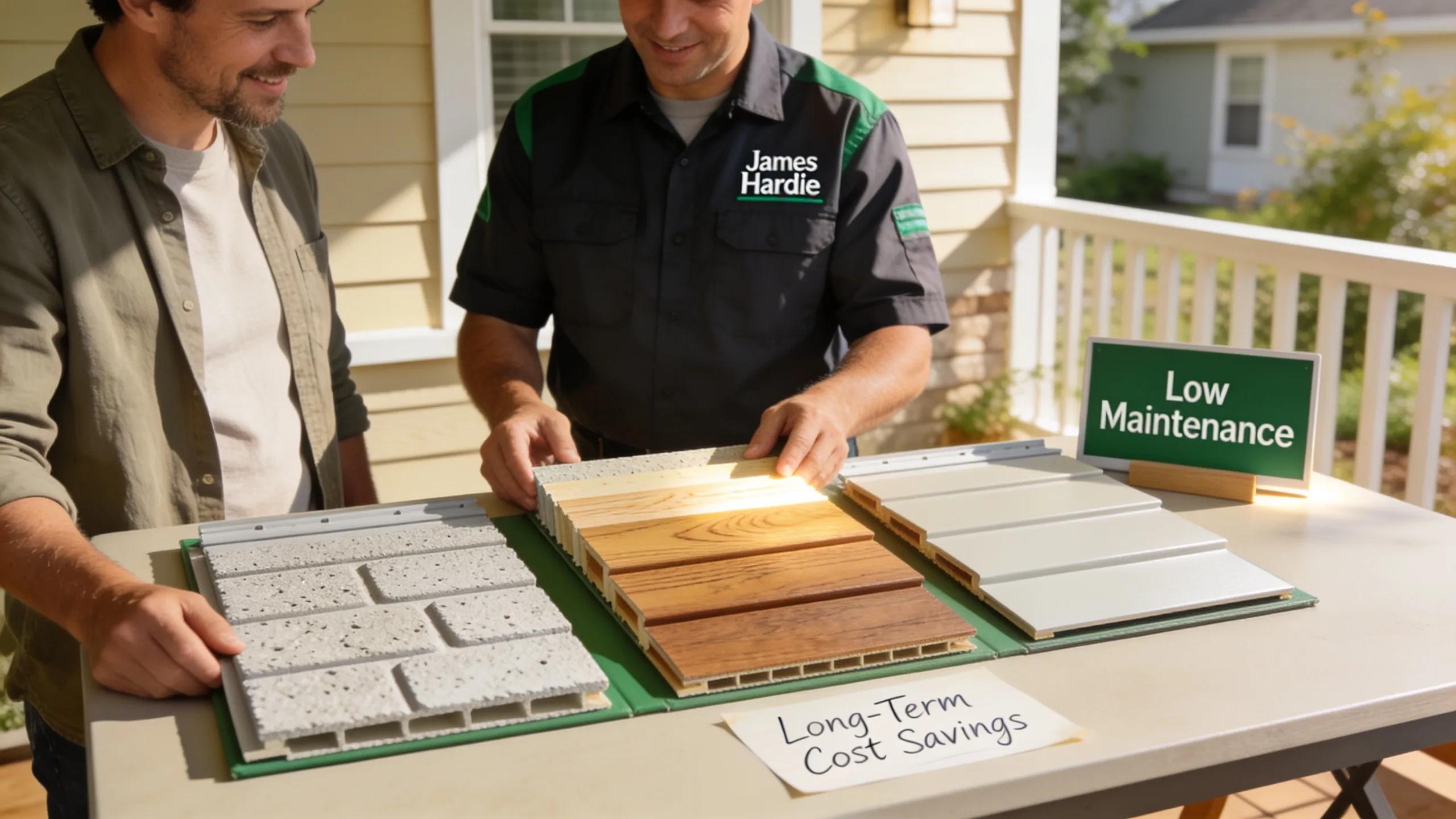
Evaluating cost-effectiveness requires looking beyond initial price. James Hardie typically commands a higher upfront cost than vinyl, but its reduced maintenance and extended service life translate to lower total ownership costs over the long term.
- Initial Installation Costs: James Hardie siding may require a larger upfront investment compared to vinyl, but its longevity and minimal upkeep can result in a lower overall cost.
- Homeowners' Return on Investment: Investing in James Hardie siding can significantly enhance the home's resale value. Homebuyers often seek properties with durable, low-maintenance materials, positioning James Hardie as an appealing feature in the real estate market.
- Reduced Maintenance Costs: Unlike wood siding that necessitates regular painting and repairs, James Hardie siding offers a low maintenance profile, leading to reduced expenses over time.
Considering initial expense alongside lifecycle savings and resale benefits helps homeowners reach a rational decision that favours long-term value.
Overall Performance
Overall performance encompasses appearance, thermal behaviour and environmental impact. James Hardie is available in a broad palette of colours and textures, enabling precise aesthetic matches to a home’s architectural style.
Fiber cement contributes to improved thermal performance by reducing uncontrolled air leakage when detailed correctly, which can lower heating and cooling costs and improve occupant comfort.
James Hardie products are manufactured to meet environmental standards, offering a sustainable siding option that balances durability with reduced ecological impact.
Comparative Analysis: Environmental and Economic Costs of Siding
Lifecycle assessment tools—summarised in environmental product declarations (EPD) and life cycle cost assessments (LCCA)—establish and compare the environmental and economic impacts of historic, traditional and simulated materials. These assessments provide quantifiable sustainability metrics that inform historic preservation professionals when evaluating traditional materials against modern alternatives. … Another Name: A Comparative Analysis of the Environmental and Economic Costs of Traditional Wood Clapboards, Composite Fiber-Cement Siding, and Vinyl Siding, 2022
This research offers a scientific basis for evaluating environmental and economic trade-offs when selecting siding materials.
What Are the Key Benefits of James Hardie Fiber Cement Siding?
James Hardie fiber cement siding delivers distinct benefits that appeal to homeowners and builders focused on longevity, appearance and lifecycle cost control.
- Durability and Low Maintenance: With a lifespan of over 30 years, James Hardie siding requires minimal upkeep compared to wood or vinyl, allowing homeowners to save on repairs and replacements.
- Aesthetic Flexibility: Available in various colors and styles, James Hardie siding accommodates diverse architectural designs, ensuring it complements the overall look of your home.
- Long-Term Cost Savings: The investment in James Hardie siding leads to lower maintenance costs and a higher resale value, making it a financially sound option for homeowners.
How Does James Hardie Siding Enhance Home Durability and Weather Resistance?
The fiber cement composition provides inherent resistance to moisture intrusion, which reduces the risk of rot and mould. Its non-combustible nature also contributes to passive fire protection for the building envelope.
In regions with extreme weather, the material’s structural stability under wind, hail and thermal cycling helps maintain the cladding’s integrity and protects the underlying assemblies.
What Maintenance Advantages Do James Hardie Siding Offer Over Other Materials?
Compared with wood, which requires frequent painting and treatments, James Hardie maintains its appearance with minimal intervention. Typical upkeep is limited to periodic washing; repainting is generally required every 5–10 years depending on exposure.
Unlike vinyl, which can deteriorate from prolonged UV exposure, fiber cement preserves its finish and dimensional stability, supporting a consistent exterior appearance over decades.
How Does James Hardie Compare to Vinyl and Wood Siding Materials?
When evaluated across durability, appearance and maintenance, James Hardie outperforms vinyl on longevity and safety and addresses common wood vulnerabilities such as moisture and pest damage.
While vinyl may be chosen for its lower initial cost, it is more susceptible to fading and deformation. James Hardie offers stronger long-term performance and colour durability, making it a dependable investment for homeowners prioritising lasting quality.
For property owners focused on resilience and curb appeal, these performance differentials make fiber cement a leading choice.
What Are the Durability Differences Between Fiber Cement, Vinyl, and Wood Siding?
Comparing expected service life and resistance characteristics clarifies the advantages of fiber cement: James Hardie typically provides the longest lifespan, high resistance to moisture and pests, and low routine maintenance requirements.
Type of Siding
Expected Lifespan
Resistance to Weather
Maintenance Needs
James Hardie (Fiber Cement)
30-50 years
High, resistant to moisture and pests
Low, repaint every 5-10 years
Vinyl
20-40 years
Moderate, susceptible to fading and warping
Moderate, occasional replacement
Wood
Varies significantly
Low, vulnerable to moisture and pests
High, frequent painting and repairs
The table highlights fiber cement’s favourable balance of longevity and environmental resilience compared with vinyl and wood.
How Do Cost and Aesthetic Options Vary Among Exterior Siding Choices?
Cost differences influence choice, but so do lifecycle implications. James Hardie’s higher initial cost is offset by reduced maintenance and longer replacement intervals, which can justify the investment over ownership.
On aesthetics, James Hardie provides a wider selection of textures and colours than many alternatives, allowing homeowners to tailor the façade to architectural style while retaining durable finish characteristics.
What Is the Installation Process for James Hardie Siding in North York and the Greater Toronto Area?
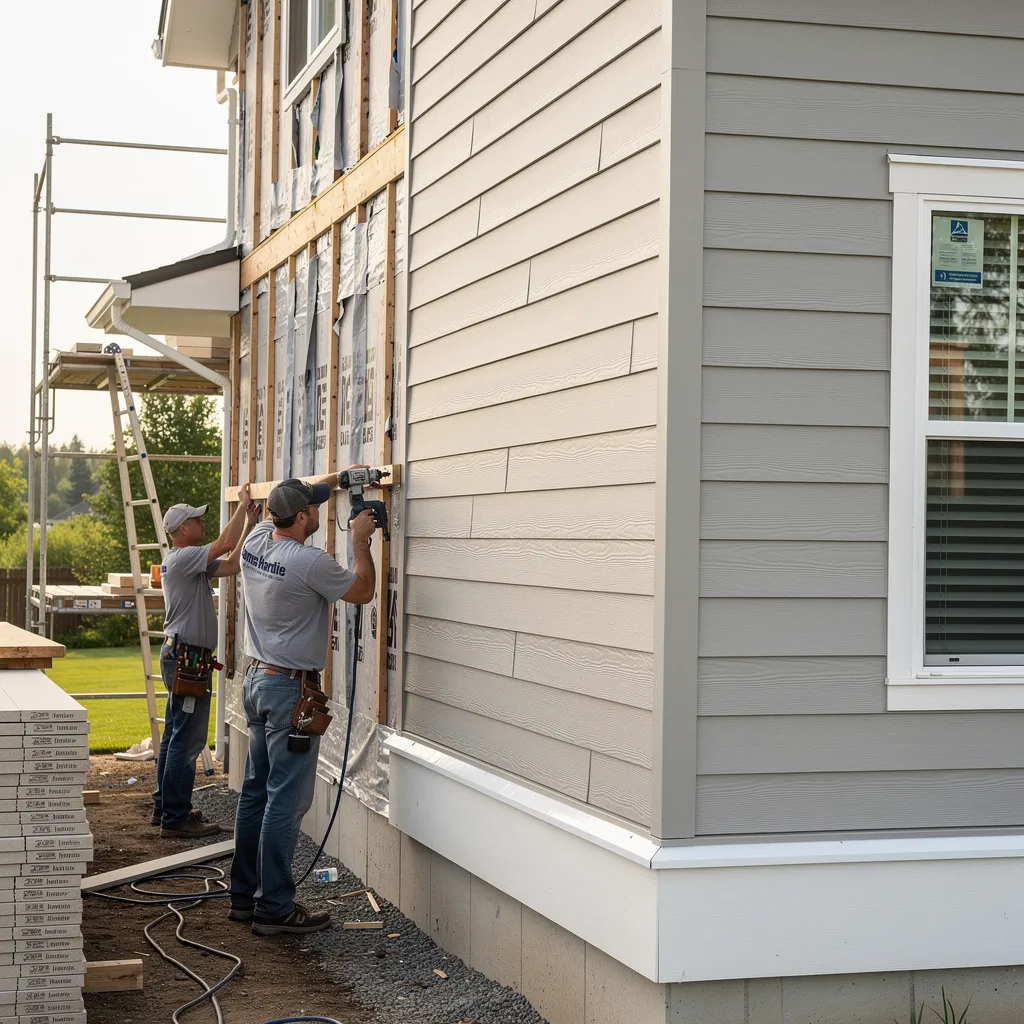
Proper installation follows a defined sequence that protects the siding assembly and ensures warranty compliance. It begins with a detailed consultation and site assessment to identify substrate conditions and aesthetic goals.
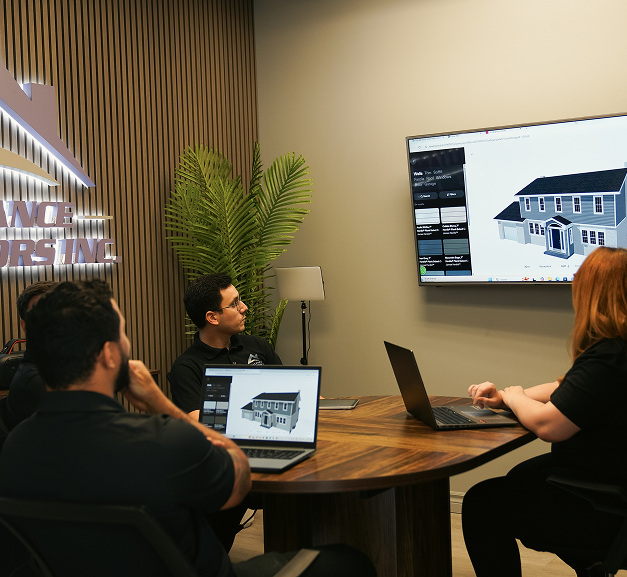
- Consultation and Assessment: Understanding the specific requirements of the home and discussing aesthetic desires with the homeowners.
- Preparation of the Exterior: Properly preparing the surface is crucial to achieving durability and maximizing the siding's life.
- Installation: Professional installers apply the siding, ensuring correct alignment and sealing for optimal performance.
- Final Inspection: After installation, a comprehensive check is performed to ensure quality and adherence to standards.
Homeowners in North York and the Greater Toronto Area should engage qualified contractors—such as Alliance Exteriors Inc—to secure a high-quality installation that preserves product performance.
How Does Proper Installation Impact Siding Performance and Warranty?
Correct installation is essential to prevent moisture infiltration, warping and thermal bridging that undermine performance. Attention to flashing, fastener specification and sealants preserves the cladding system.
Manufacturer warranties typically require adherence to installation standards; failure to follow those requirements can jeopardise coverage. Retaining experienced installers helps protect both functionality and warranty rights.
What Are the Environmental and Fire Resistance Benefits of Fiber Cement Siding?
Fiber cement siding offers environmental advantages through durable material use and manufacturing practices that aim to reduce lifecycle impacts. Its longevity also reduces the frequency of replacement and associated resource consumption.
As a non-combustible cladding, fiber cement meets stringent fire-safety criteria and can reduce the risk of exterior fire spread—an important consideration in fire-prone areas.
How Does James Hardie Siding Meet Environmental Certification Standards?
James Hardie products are produced to comply with recognised environmental standards and incorporate resource management practices, including recycling initiatives where applicable.
These certifications support environmentally-aware purchasing decisions and enhance the appeal of properties specified with certified, sustainably produced materials.
What Fire Resistance Ratings Does Fiber Cement Siding Offer Compared to Alternatives?
Fiber cement’s classification as a non-combustible material offers superior fire resistance relative to wood and vinyl, providing homeowners with an added layer of protection in high-risk areas.
This fire-resistant performance complements other durability and safety attributes, reinforcing fiber cement’s position as a practical choice for owners prioritising risk mitigation.
What Warranty and Customer Satisfaction Guarantees Are Included with James Hardie Siding?
James Hardie siding is commonly supplied with a 30-year warranty covering manufacturing defects in material and workmanship, reflecting the manufacturer’s confidence in product longevity.
Quality installation and customer service remain central to homeowner satisfaction; companies such as Alliance Exteriors Inc emphasise these factors when delivering projects.
How Should Homeowners Assess the Best Exterior Siding Material for Their Needs?
Homeowners should evaluate climate suitability, expected service life and aesthetic goals when selecting siding. Matching material properties to local conditions reduces future repair and replacement costs.
- Climate Considerations: Different materials perform better in varying climates. Homeowners should assess local weather patterns and choose materials that can withstand specific conditions.
- Durability Expectations: Understanding the lifespan and maintenance requirements of siding materials can help in selecting the most suitable option.
- Aesthetic Preferences: Siding should complement the home's style. Homeowners should evaluate their design preferences and choose materials that align with their vision.
Balancing these factors will help homeowners make a practical choice that aligns with both lifestyle and long-term property goals.
What Factors Should Influence Siding Material Selection?
Key considerations include climate compatibility, anticipated maintenance commitment, durability and the desired exterior appearance. Each factor affects lifecycle cost and satisfaction with the finished result.
For example, in humid or coastal environments, moisture-resistant products such as James Hardie reduce the risk of degradation. Homeowners should weigh maintenance effort against durability when deciding.
How Does Fiber Cement Siding Provide Long-Term Value Over Other Options?
Fiber cement delivers long-term value through extended service life, reduced maintenance demands and consistent aesthetic performance. These attributes lower total cost of ownership and preserve curb appeal over time.
Choosing high-quality fiber cement can result in ongoing savings, improved energy performance when properly detailed, and stronger resale positioning—factors that make it a prudent investment for many homeowners.
Frequently Asked Questions
1. What is the lifespan of James Hardie siding compared to other options?
James Hardie siding generally lasts between 30 and 50 years, outliving typical vinyl and many wood installations. Its robust fiber cement composition reduces the need for frequent replacement, contributing to long-term value for homeowners.
2. How does the installation of James Hardie siding impact its performance?
Correct installation is critical to realising expected performance. Proper flashing, fasteners and sealants prevent water ingress and deformation. Incorrect application can lead to failures and may void warranty coverage, so certified installers are advisable.
3. Are there specific climates where James Hardie siding performs best?
James Hardie performs well across varied climates, including regions with heavy rain, high winds and humidity. Its moisture resistance and non-combustible properties make it suitable for locations where durability and fire safety are priorities.
4. How do energy efficiency and insulation compare among siding materials?
When detailed properly, fiber cement contributes to reduced air leakage and can support improved thermal performance. While siding is not the sole insulation source, selecting durable cladding that minimises thermal bridging helps lower heating and cooling costs.
5. What environmental certifications does James Hardie siding possess?
James Hardie products meet recognised environmental standards and manufacturing practices that seek to reduce resource use and waste. Such certifications assist homeowners who prioritise sustainable material choices.
6. What should homeowners consider regarding maintenance needs?
Maintenance expectations differ by material. James Hardie typically requires only periodic washing and repainting every 5–10 years, whereas wood demands frequent treatments and vinyl may require replacement if it fades or warps.
7. How does the investment in James Hardie siding affect home resale value?
Installing James Hardie siding can enhance resale appeal due to its longevity, low maintenance and aesthetic options. Buyers often value durable, well-maintained exteriors, which can translate into a favourable return on investment.
Conclusion
James Hardie siding presents a durable, low-maintenance cladding solution that supports long-term property value and reliable performance. Its longevity, environmental credentials and fire-resistant properties make it a sensible choice for homeowners focused on quality outcomes. To realise these benefits, engage professional siding installers who can ensure correct installation and sustained performance.