Is Your Property Needing Insulation? Watch for These Signs

Is Your Property Needing Insulation? Watch for These Signs
To answer the question, What Are the Signs That My Property Needs Weather Barrier or Insulation Installation, look no further than this: rising energy bills, drafty rooms, and visible moisture or mold near exterior walls signal a failing building envelope. Weather barriers block moisture infiltration while insulation stabilizes indoor temperature. When both underperform, properties experience uneven heating, higher utility costs, and long-term structural damage. Alliance Exteriors Inc. installs weather barrier and insulation systems engineered to stop these issues before they escalate.
Key Takeaways
- Poor insulation causes homeowners to lose hundreds of dollars annually in wasted energy costs.
- Up to 25% of home energy loss occurs through inadequate attic insulation and ventilation.
- Crawl space insulation directly impacts overall home energy efficiency and monthly utility bills.
- Uninsulated or poorly insulated homes experience uncomfortable temperature variations between rooms and floors.
What Signals Weather Barrier or Insulation Failure?
Cold drafts near windows, musty odors, and rooms that never hold a steady temperature all point to a failing building envelope. The building envelope refers to the combined system of weather barriers. Insulation that separates conditioned indoor space from the outdoors. When either component fails, moisture seeps in, heat escapes, and comfort disappears room by room. Property owners rarely see the damage happening inside their walls until the symptoms show up on their utility bills or their skin, in the form of a clammy, uneven home.
A properly functioning envelope creates a protective shield that blocks moisture, drafts, and heat transfer while insulation improves energy efficiency and indoor comfort. Once that shield breaks down, warning signs tend to cluster rather than appear in isolation.
How Do Rising Energy Bills Point to Envelope Trouble?
Steadily climbing energy bills often mean the weather barrier or insulation layer has stopped doing its job. Many property owners lose hundreds of dollars every year without realizing that insulation failure is the true cause of high heating and cooling costs. The furnace or air conditioner works harder to compensate. The underlying leak never gets fixed until someone addresses the envelope directly.
What Physical Clues Suggest Insulation or Barrier Damage?
Beyond the utility bill, several physical signs reveal a struggling envelope:
- Uneven room temperatures, with some spaces noticeably colder or warmer than others
- Persistent drafts near outlets, baseboards, windows, or doors
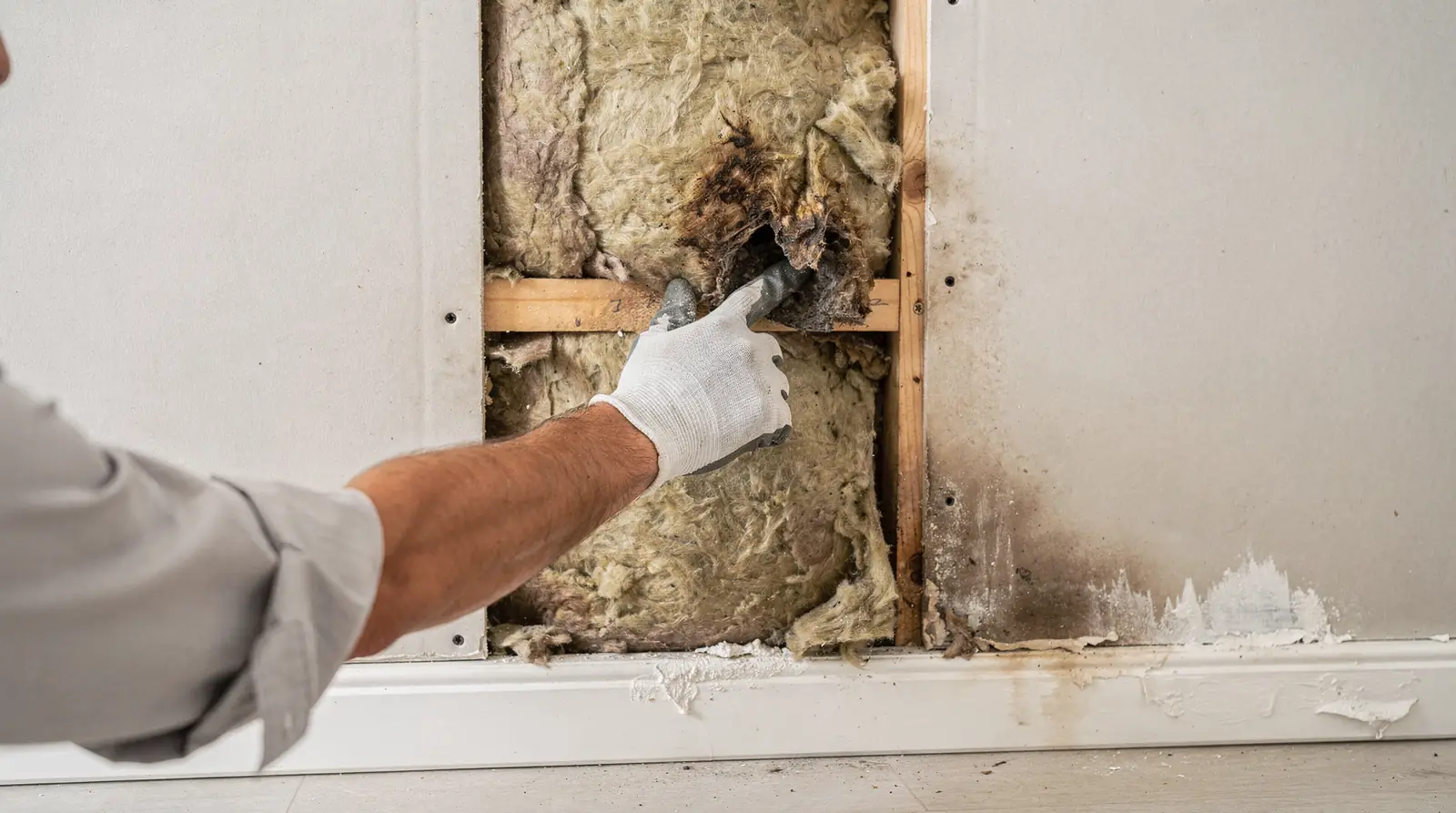
- Visible moisture, staining, or mold near exterior walls
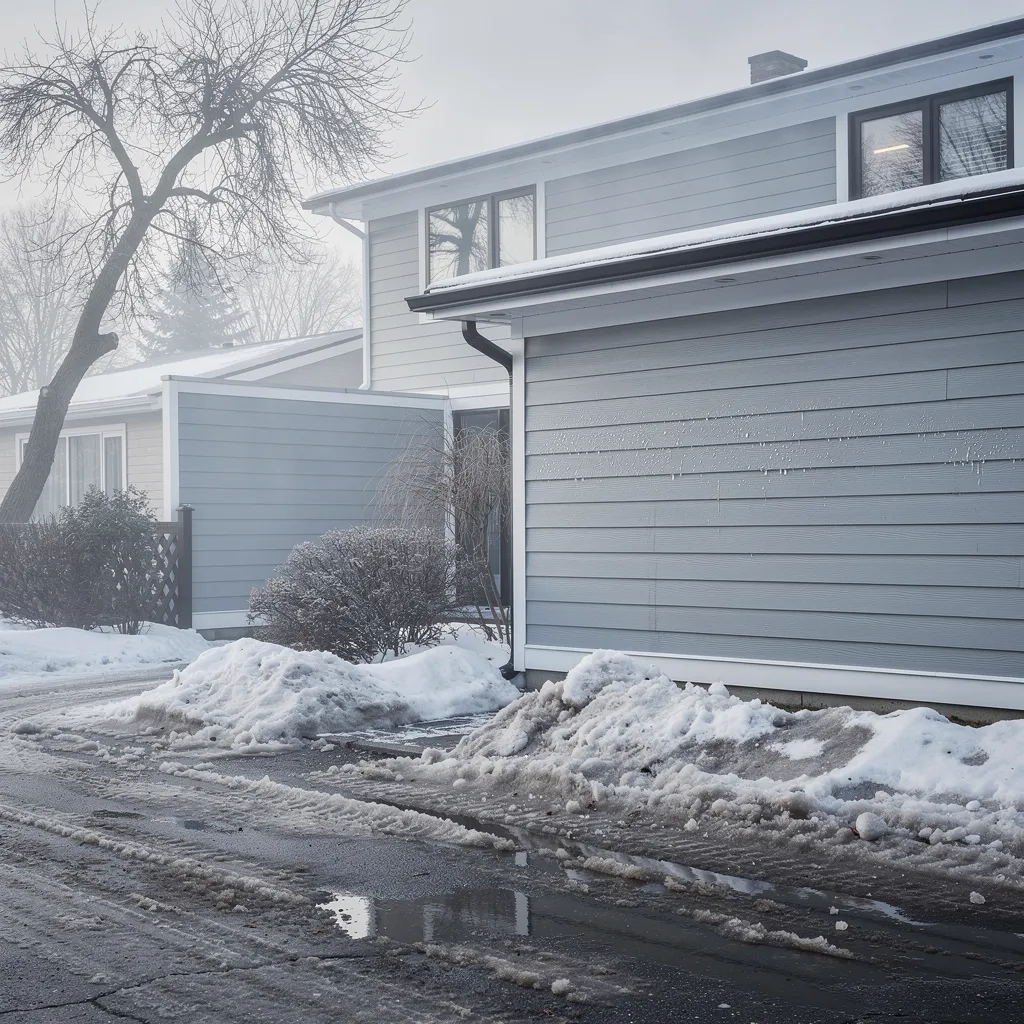
- Ice damming or frost buildup along rooflines in winter
- A musty smell that lingers despite regular cleaning
Commercial facility managers see a parallel pattern: tenant complaints about comfort, spiking utility costs across multiple units, and moisture stains on interior walls near the exterior cladding. Alliance Exteriors, based in North York, Ontario, offers weather barrier and insulation installation as part of its broader exterior services across the Greater Toronto Area, addressing these envelope failures at the source rather than masking the symptoms.

Is Your Home's Comfort Uneven or Drafty?
Uneven room temperatures and sudden drafts signal a building envelope that no longer holds the line against outside air. Extreme weather often exposes the problem first: dramatic swings between rooms, or a home that feels muggy one hour and chilly the next, point to insulation that has stopped performing as designed. These swings rarely fix themselves, and they tend to worsen as materials age and shift.
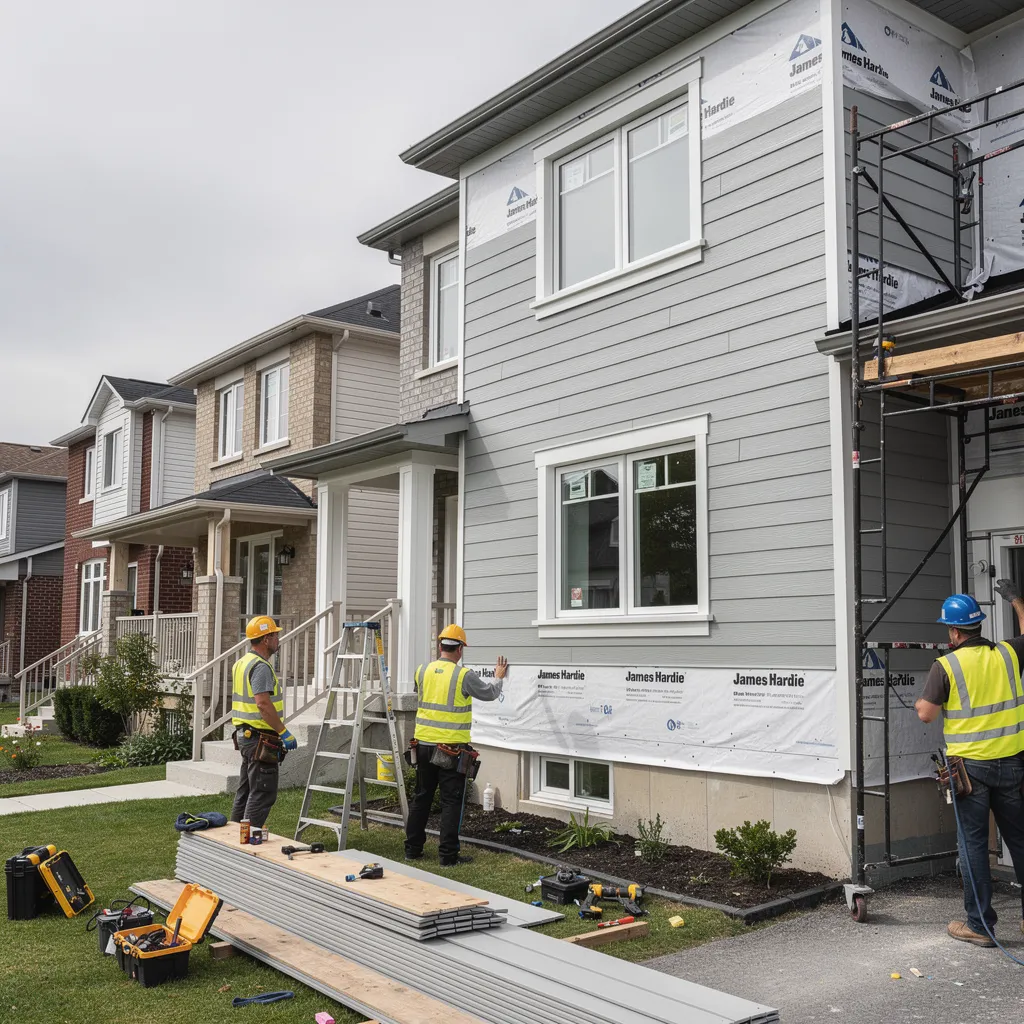
A properly installed weather barrier is engineered specifically to stop drafts before they reach living spaces. cite-3 This layer works as a shield around the exterior walls, blocking moisture, drafts, and heat transfer at the source rather than letting a furnace or air conditioner compensate room by room. When insulation is added alongside that barrier, indoor comfort and energy efficiency both improve. The two systems are meant to work together, not separately.
How can a homeowner tell if the problem is the envelope, not the HVAC system?
Chasing the thermostat rarely solves drafts caused by gaps in the exterior assembly. Signs worth watching include:
- Persistent cold spots near exterior walls, regardless of furnace settings
- Rooms that never match the temperature of the rest of the house
- Noticeable air movement near outlets, baseboards, or window trim
An on-site assessment identifies exactly where outside air is sneaking through the envelope, rather than guessing at the cause. Installations completed to manufacturer specifications and local building code close those gaps at their source, addressing drafts and temperature swings instead of masking them month after month.
Why Do Energy Bills Keep Climbing?
Steadily rising energy bills rank among the clearest warning signs of a building envelope in trouble. Heat escapes through gaps in the exterior wall assembly, forcing furnaces and air conditioners to run longer than they should. Property owners often assume an aging HVAC unit is to blame. In many cases, the real culprit hides behind the siding.
Toronto winters and humid summers put exterior assemblies under constant strain. Systems engineered for Canada's climate are built to limit the heat transfer that pushes mechanical equipment into overdrive. When a weather barrier—the layer that blocks moisture. Air infiltration behind the cladding—fails or was never installed correctly, conditioned air slips out and outdoor air pushes in. That exchange drives up utility costs month after month.
Is It the Insulation or the Siding Itself?
Cladding alone does not create an energy-efficient home. Insulation and the weather barrier work together with siding to seal the entire exterior assembly, not just one wall section. A single weak point in either layer undermines the performance of the whole system.
Facility managers and homeowners can watch for a few practical clues:
- Utility bills climbing without a change in usage habits
- Rooms near exterior walls feeling drafty or unevenly heated
- HVAC systems cycling more frequently than in prior seasons
Before recommending upgrades, a transparent, itemized quote should identify precisely where insulation or weather barrier improvements are needed. That level of detail lets property owners understand the cause of rising costs before committing to any repair.
Could Moisture or Crawl Space Issues Signal Trouble?
Yes — crawl spaces rank among the most overlooked areas of a property. Their condition directly shapes energy bills, indoor air quality, and structural integrity. Property owners rarely inspect this hidden zone, so problems often go undetected until damage spreads upward into living spaces. That delay carries a cost: a compromised crawl space can undermine the entire building envelope, the combination of walls, foundation, and barriers that separates conditioned indoor air from the outdoors.
Some warning signs announce themselves clearly, while others hide in plain sight. Uneven heating between rooms and visible moisture on foundation walls or floor joists point to an envelope failure. Subtler clues matter just as much:
- Unexplained drafts near baseboards or flooring
- Steadily rising energy costs with no change in usage habits
- Musty odors that persist regardless of cleaning
- Cool or damp flooring above the crawl space, even in warmer months
What role does a weather barrier play in preventing moisture damage?
A weather barrier installation is engineered specifically to intercept moisture before it reaches wall assemblies, blocking drafts and slowing heat transfer at the same time. Paired with proper insulation, this barrier improves both energy efficiency and day-to-day comfort. Without it, water vapor works its way into framing and sheathing, often long before any stain appears on an interior wall.
Why does communication matter once moisture problems surface?
Moisture issues rarely stay confined to where they're first spotted, so clear updates during any inspection or installation process matter. Contractors who maintain steady communication throughout a project — paired with transparent, itemized findings. Give property owners the chance to address hidden damage before it spreads further into the structure.
FAQ
What are the most common signs of a failing building envelope?
Cold drafts near windows, musty odors, uneven room temperatures, and visible moisture or mold near exterior walls all signal a failing building envelope. Ice damming along rooflines in winter also points directly to insulation or weather barrier failure.
How do energy bills reveal insulation problems?
Steadily climbing energy bills mean the weather barrier or insulation layer has stopped working properly. The furnace or air conditioner compensates by working harder, driving up costs while the underlying envelope failure remains unfixed.
Where does Alliance Exteriors provide weather barrier and insulation services?
Alliance Exteriors Inc., based in North York, Ontario, installs weather barrier and insulation systems across the Greater Toronto Area. These services address envelope failures at the source rather than masking symptoms.
Conclusion
Rising energy bills, uneven room temperatures, persistent drafts, and visible moisture near exterior walls rarely resolve on their own — they're symptoms of a building envelope that's no longer doing its job. Whether the root cause is a failing weather barrier, deteriorating insulation, or a compromised crawl space, the fix starts with identifying exactly where the envelope is breaking down rather than guessing room by room. Alliance Exteriors Inc. installs weather barrier and insulation systems built for the demands of Toronto winters and humid summers, addressing these issues at the source so property owners across the Greater Toronto Area can count on a more comfortable, energy-efficient home or facility.