Homeowners: 7 Key Aluminum Siding Problems You Must Address
7 Common Aluminum Siding Issues Homeowners Must Consider Before Installation or Repair

Aluminum siding delivers durable, low‑maintenance cladding, but it presents specific issues during installation and over its service life. Understanding these common problems helps homeowners make informed choices and protect the building envelope. This article examines seven primary concerns—loose panels, fading and chalking, dents, mold, peeling paint, and higher energy costs—and emphasises the role of quality installation. Recognizing these risks enables proactive maintenance to preserve performance and curb appeal.
Loose Aluminum Siding
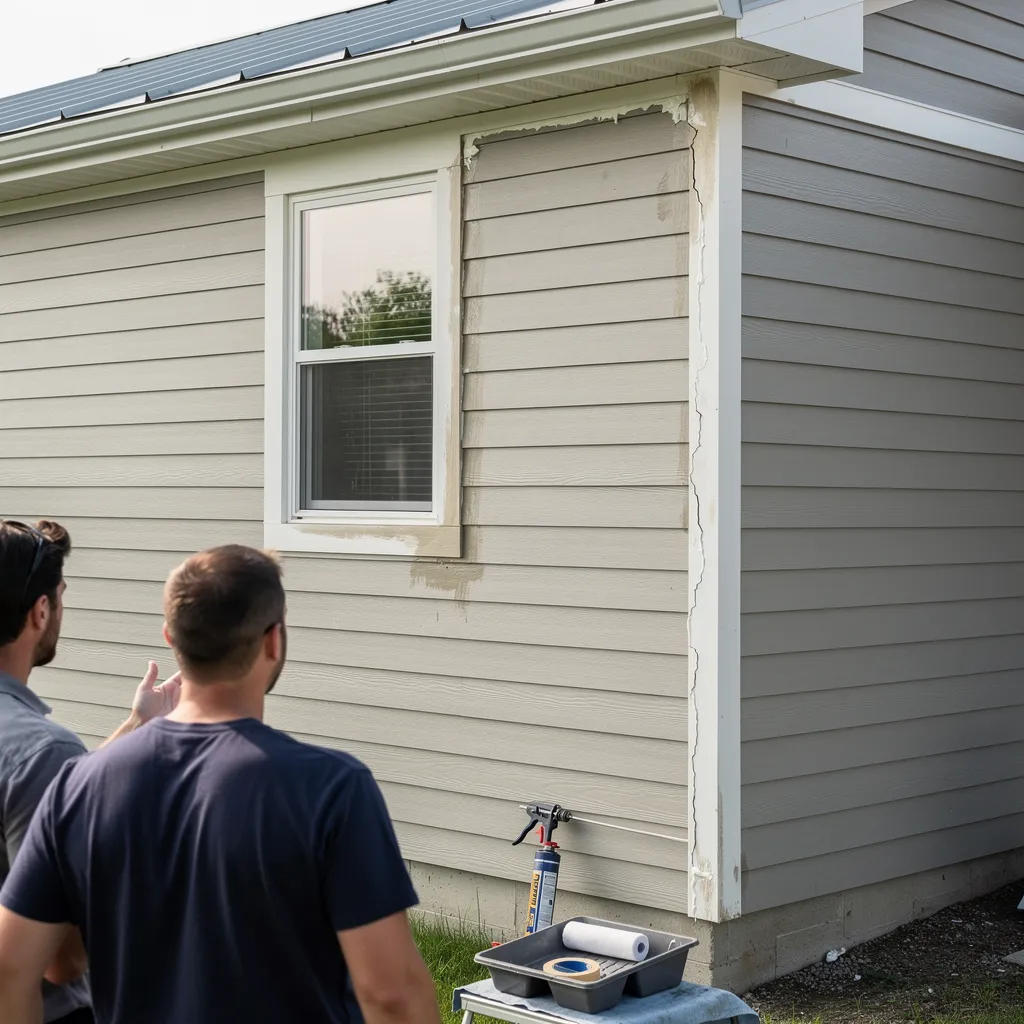
Loose aluminum siding often stems from poor installation, advancing age, or environmental stress. Fasteners can loosen and panels can gap, permitting water intrusion that risks structural damage. Regular inspections and prompt fastening repairs are essential to prevent moisture-related deterioration.
For homeowners considering repairs, Alliance Exteriors Inc. provides professional siding repairs, fastening panels correctly to withstand severe weather.
Fading and Chalkiness
Prolonged UV exposure causes fading and chalking, dulling your home's finish and often necessitating repainting. Routine cleaning and application of protective coatings slow deterioration and help maintain the siding’s appearance.
Dents and Holes
Dents and holes result from impacts such as hail, falling branches, or rough handling during maintenance. These defects compromise the siding’s protective barrier and can allow moisture entry that leads to mold and rot. Timely inspection and repair prevent escalation.
Alliance Exteriors Inc. performs targeted repairs for dents and holes to restore the protective barrier and prolong your exterior's service life.
Mold and Mildew Growth

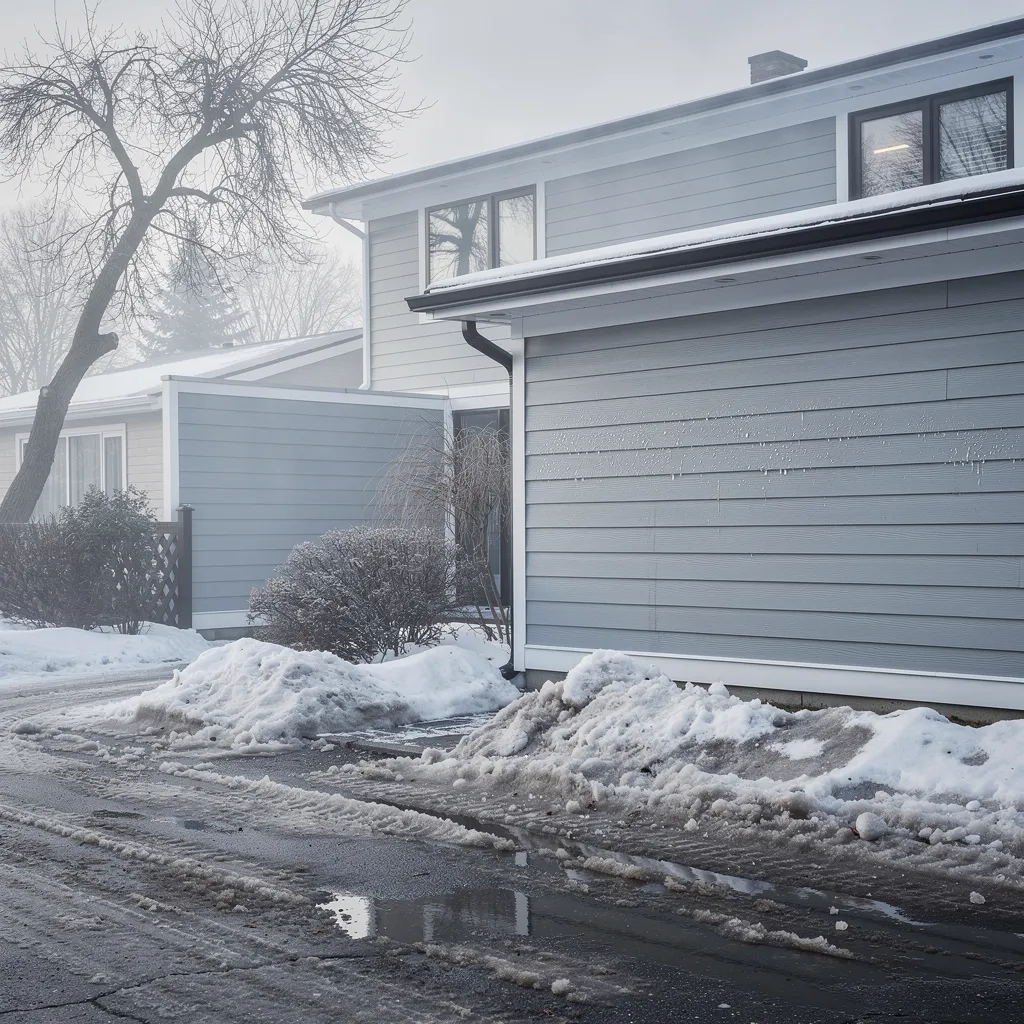
Although aluminum resists decay, moisture trapped with organic debris and poor ventilation can encourage mold and mildew on siding, posing health concerns and degrading appearance. Maintain ventilation, remove debris, and clean regularly to prevent fungal growth and preserve a healthy exterior.
Peeling Paint
Peeling paint on aluminium siding usually indicates inadequate surface preparation or moisture infiltration. Peeling undermines appearance and can shorten service life. Regular inspections and timely repainting or refinishing protect the siding and restore its finish.
High Utility Bills
Poor installation or insufficient insulation behind siding can cause energy loss and higher heating and cooling costs. Choosing quality materials and proper installation improves insulation performance and reduces utility expenses over time.
As experts in exterior renovations, Alliance Exteriors Inc. can help homeowners select siding solutions that enhance energy efficiency and reduce utility costs.
Installation Quality
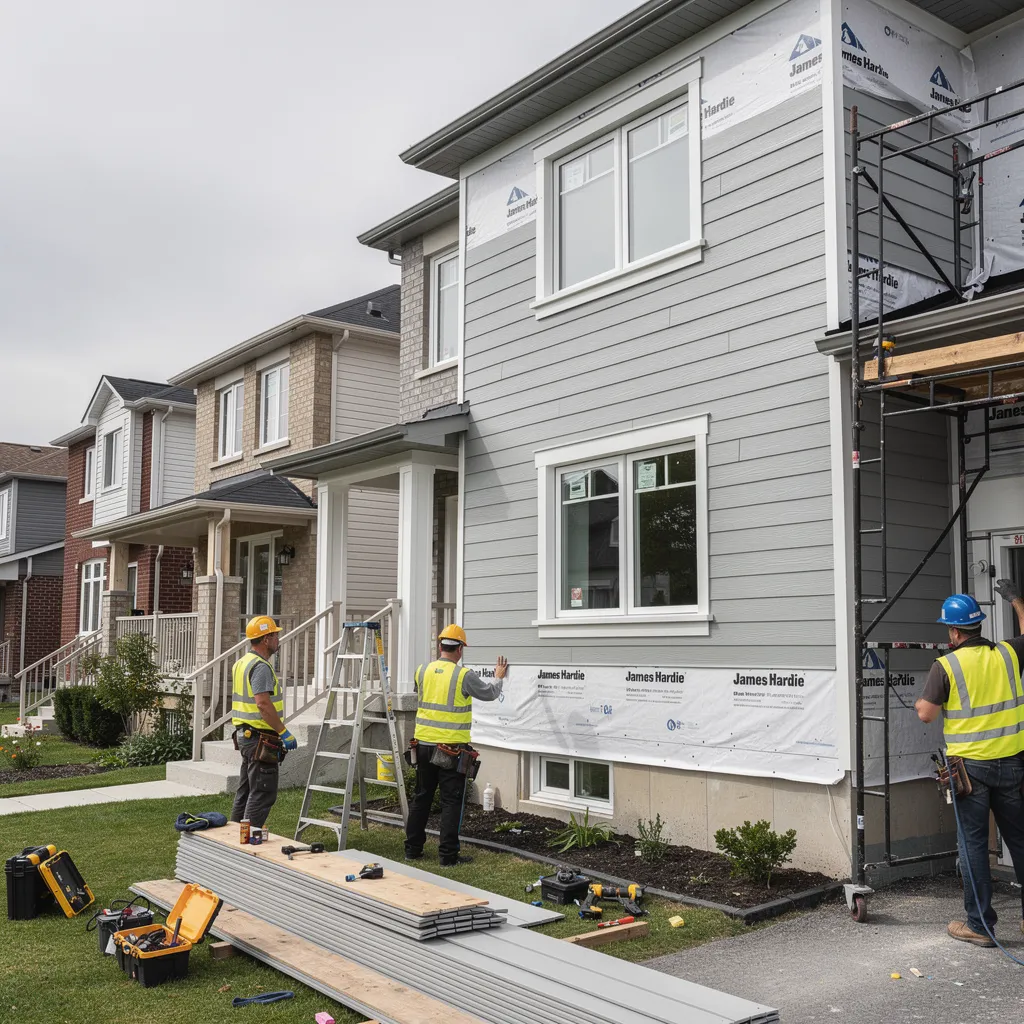
Proper installation is critical to siding performance and longevity. Professional fit and sealing reduce risks of loose panels, misalignment, and weather damage. Engage experienced contractors, such as Alliance Exteriors Inc., to ensure your project follows best practices and manufacturer instructions.
A study evaluating siding materials underscores that correct installation is essential to preserve warranties and achieve optimal performance.
Evaluating Aluminum Siding Performance & Warranty
Rapid changes in siding materials have rendered Army turnkey procurement specifications for family housing outdated. The investigation reviewed contemporary aluminum, steel, hardboard, and vinyl sidings, comparing manufacturers' performance and warranty claims with field inspections. Despite the study's limited scope, it recommended updates to procurement procedures: specify factory‑prefinished siding with a 15‑year nonprorated warranty; allow flexibility in material selection to optimise local performance and complement existing architecture; and require strict adherence to manufacturers' installation instructions to preserve warranties. Review of Siding Materials for Turnkey Procurement of Army Family Housing, 1984
What Are the Most Frequent Causes of Aluminum Siding Damage?
Damage to aluminum siding commonly stems from:
- Weather Conditions: Extreme temperatures, hail, and heavy winds can physically compromise the siding.
- Improper Installation: Poor installation practices can lead to numerous issues, including loose panels and inadequate sealing.
- Lack of Maintenance: Failing to inspect and clean siding regularly can allow issues like mold and moisture penetration to develop.
How Do Weather Conditions Affect Aluminum Siding Durability?
Weather directly affects siding durability: heavy rain and humidity can encourage corrosion where water accumulates behind panels, while UV exposure causes fading and chalking. Regular maintenance and UV‑protective treatments help mitigate these effects.
Which Signs Indicate Aluminum Siding Wear and Damage?
Typical indicators of wear include:
- Visible Dents and Dings: Indicating physical impact.
- Fading Colors: Suggesting prolonged exposure to sun and weather.
- Mold Growth: A sign of moisture retention and poor maintenance.
Early detection enables timely repairs before issues escalate.
How to Detect Corrosion and Fading on Aluminum Siding Surfaces?
Visual inspections reveal corrosion and fading: look for discoloration, rust spots, or surface degradation. Cleaning may expose hidden problems and clarify whether restoration or replacement is required.
Use UV‑resistant coatings and keep surfaces clean; dirt and grime accelerate corrosion and cosmetic decline.
What Preventive Maintenance Is Essential for Aluminum Siding Longevity?
Essential maintenance practices include:
- Regular Inspections: Check for signs of damage, such as dents, loose panels, or mold growth.
- Cleaning: Use mild soap and water for cleaning to prevent the build-up of debris and organic matter.
- Prompt Repairs: Address any wear and tear immediately to prevent escalation.
Consistent application of these measures prolongs siding life and improves your home's appearance.
Which Routine Cleaning and Inspection Practices Prevent Corrosion?
A regular cleaning and inspection schedule reduces the risk of corrosion. Consider the following strategies:
- Quarterly Inspections: Regularly check for any visible signs of wear.
- Biannual Cleaning: Clean your siding thoroughly at least twice a year to remove dirt and potential mold.
- Professional Inspections: Engage professional services for comprehensive evaluations of your siding's condition.
Following these routines helps keep siding in good condition.
How Can Homeowners Protect Aluminum Siding from Physical Damage?
Protect siding from physical harm by:
- Maintaining Landscaping: Keep trees and shrubs trimmed away from the siding to avoid potential impacts.
- Using Protective Barriers: Install gutters and downspouts to manage water runoff effectively.
- Careful Handling During Maintenance: Exercise caution when performing repairs or cleaning to prevent unintentional damage.
These precautions preserve the siding's durability and appearance.
How Should Aluminum Siding Damage Be Effectively Repaired?

Effective repair typically follows these steps:
- Assess the Damage: Identify the extent and type of damage.
- Select Appropriate Repair Techniques: Depending on the damage, options may include patching, painting, or replacing panels.
- Engage Professionals for Extensive Repairs: If the damage is significant, hiring a specialized service like Alliance Exteriors Inc. is advisable to ensure proper techniques are employed.
What Are the Recommended Techniques for Repairing Dents and Warping?
Recommended repair approaches for dents and warping include:
- Heat Application: Gently heat the area with a heat gun and then smooth it out with a hand tool.
- Panel Replacement: In cases of severe warping or damage, replacing the affected panels may be necessary to restore appearance and functionality.
Such repairs help maintain appearance and extend service life.
How to Address Corrosion Damage and Prevent Recurrence?
Addressing corrosion damage involves:
- Cleaning the Affected Area: Remove rust or corrosion using a wire brush or sandpaper.
- Applying Protective Coatings: Use rust-inhibiting primers and paints to seal the area and prevent future corrosion.
- Regular Maintenance: Schedule inspections to detect and address issues early, ensuring the siding's integrity remains intact.
How Does Aluminum Siding Compare to Fiber Cement Siding Alternatives?
Aluminium siding provides durability and low maintenance, while fiber cement offers greater resistance to fire, rot, and pests. Homeowners should weigh cost, longevity, and performance needs when choosing between these materials.
Fiber cement is a durable alternative with superior longevity and resistance to severe conditions. If you're considering an upgrade or new installation, explore options like fiber cement siding installation for a robust and attractive exterior solution.
What Are the Advantages of Fiber Cement Over Aluminum Siding?
The advantages of fiber cement siding include:
- Superior Durability: Fiber cement is resistant to extreme weather conditions and pests.
- Fire Resistance: It is non-combustible, offering added safety.
- Variety of Aesthetics: Available in numerous styles and colors, fiber cement can mimic other materials while providing superior performance.
When Should Homeowners Consider Upgrading to Fiber Cement Siding?
Homeowners should consider upgrading to fiber cement siding when:
- Current Siding Shows Severe Wear: If significant damage is evident, upgrading can be more beneficial than repairing.
- Seeking Better Insulation: Fiber cement provides superior insulation options for improved energy efficiency.
- Long-Term Durability Matters: Homeowners focusing on longevity and minimal maintenance may find fiber cement siding more appealing.
Why Is Choosing a Professional Installer Critical for Aluminum Siding Projects?
Hiring a professional installer ensures proper fit, alignment, and sealing, preventing issues that would compromise performance and service life.
How Does Alliance Exteriors Inc. Ensure Expert Aluminum Siding Installation?
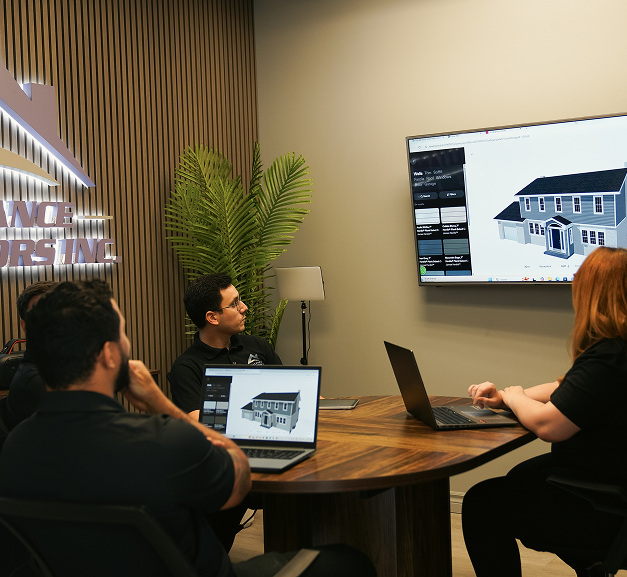
Alliance Exteriors Inc. employs trained specialists versed in best practices and local codes. They use quality materials and precise craftsmanship so your siding performs reliably. Clients receive thorough assessments, careful execution, and attentive customer service throughout the project.
What Should Clients Expect During the Aluminum Siding Repair Process?
Clients should expect a transparent, structured repair process that includes:
- Initial Consultation: Understanding the client's needs and assessing the damage.
- Detailed Quotation: Providing a clear estimate of costs involved.
- Professional Execution: Efficient repair work conducted with quality materials and techniques.
Frequently Asked Questions
What are the best ways to maintain aluminum siding?
Maintain siding with biannual inspections and cleaning. Inspect at least twice a year for dents, loose panels, or mold. Clean twice a year with mild soap and water to remove dirt and organic buildup, and address repairs promptly to avoid more costly issues.
How does climate influence the lifespan of aluminum siding?
Climate significantly affects durability: high winds, heavy rain, or intense UV exposure can cause fading, corrosion, and denting. Apply UV‑protective coatings and perform regular maintenance to extend the siding's lifespan.
Can aluminum siding be painted or repainted?
Yes—proper preparation is essential. Clean the surface thoroughly, apply a metal‑compatible primer, and finish with high‑quality exterior paint. When done correctly, repainting improves appearance and helps extend service life.
What are the costs associated with installing or repairing aluminum siding?
Costs depend on home size, material quality, labor, and location. Installation typically ranges from $3 to $9 per square foot; repairs commonly run between $300 and $1,500 depending on damage. Obtain multiple quotes and include both materials and labor when budgeting.
Are there any environmental concerns with aluminum siding?
Environmental concerns relate mainly to energy‑intensive production, but aluminum is highly recyclable. Proper disposal and choosing products with post‑consumer recycled content reduce environmental impact.
How can homeowners enhance the energy efficiency of aluminum siding?
Improve efficiency by installing proper insulation behind panels, sealing gaps, and applying energy‑efficient coatings. These measures reduce heat transfer, lower utility bills, and increase indoor comfort.
What should homeowners do if they notice rust or corrosion on aluminum siding?
If corrosion appears, act quickly: remove loose rust with a wire brush, apply a rust‑inhibiting primer, then seal with touch‑up paint. Regular inspections catch issues early and protect the siding's appearance and lifespan.
Conclusion
Resolving common siding issues improves durability and curb appeal. Follow maintenance best practices and use professional installation to avoid costly repairs and extend service life. For tailored solutions and expert support, contact Alliance Exteriors Inc. today.