How to Spot Weather-Related Cladding Issues Before They Spread
Understanding the Impact of Toronto’s Weather on Cladding
Living in the Greater Toronto Area, you know that the climate is anything but predictable. From biting winter winds and ice storms to humid summers and torrential rain, your property’s exterior faces a relentless barrage of weather extremes. These conditions pose real challenges for maintaining your building’s cladding, especially if you value durability, curb appeal, and long-term property investment. Weather-resistant cladding is designed to stand up to these elements, but even the most durable cladding solutions require regular attention to avoid costly repairs and preserve your home’s value.
Spotting weather-related cladding issues before they escalate is crucial for effective Toronto property maintenance. By learning what to look for and understanding how weather can impact different materials, you can act early and prevent minor problems from turning into major headaches. Let’s explore how you can identify early warning signs and keep your property’s exterior in peak condition year-round.
Why Early Detection Matters for Weather-Resistant Cladding
When it comes to exterior cladding, prevention is worth far more than cure. Toronto’s freeze-thaw cycles, driving rain, and UV exposure can all compromise the integrity of your siding or cladding materials. If left unchecked, small issues can quickly spread—leading to water infiltration, insulation damage, and even structural concerns. Early detection is not just about aesthetics; it’s about safeguarding your investment and ensuring your property remains protected against the elements.
- Cost Savings: Addressing minor cladding concerns early helps you avoid expensive repairs or full replacements down the line.
- Preserved Curb Appeal: Maintaining your cladding’s appearance ensures your property continues to make a positive impression.
- Energy Efficiency: Intact, weather-resistant cladding supports better insulation and lower energy bills.
- Structural Protection: Preventing moisture from penetrating your exterior helps avert rot, mold, and foundational issues.
Common Weather-Related Cladding Issues in Toronto
Toronto’s unique climate means your property’s exterior is constantly tested. Here are some of the most frequent weather-related cladding issues to watch for:
- Cracking and Warping: Rapid temperature changes and moisture can cause certain cladding materials to crack, split, or warp, especially if they’re not specifically engineered for durability.
- Water Infiltration: Heavy rainfall and melting snow can seep into even the smallest gaps, leading to hidden water damage behind your siding.
- Fading and Discoloration: Prolonged sun exposure can cause fading, chalking, or patchy discoloration, which may indicate UV damage or compromised protective coatings.
- Mold and Mildew Growth: Persistent dampness, especially on shaded sides of your property, can foster mold and mildew, which not only look unsightly but can degrade cladding materials over time.
- Loose or Missing Panels: High winds and freeze-thaw cycles can loosen fasteners or dislodge panels, leaving vulnerable spots exposed to further weather damage.
How to Inspect Your Cladding for Early Signs of Trouble
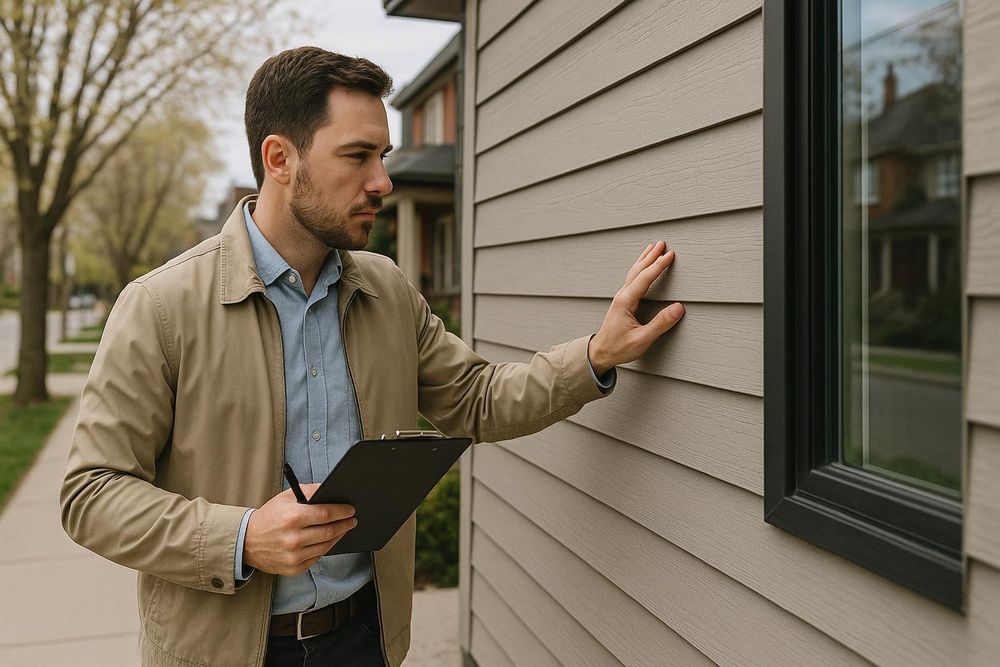
Performing regular visual inspections is your first line of defense. You don’t need to be a professional to spot early warning signs—just a keen eye and a willingness to walk around your property. Here’s what you should look for during your routine checks:
- Surface Irregularities: Look for bulges, ripples, or gaps between panels, which can signal moisture intrusion or improper installation.
- Cracks and Chips: Examine corners, seams, and joints for any cracks, chips, or missing caulking. Pay special attention to areas around windows, doors, and eaves where water can easily penetrate.
- Staining or Efflorescence: White, powdery deposits or dark stains can indicate water movement through or behind the cladding.
- Soft Spots: Gently press on suspicious areas; if the material feels soft or spongy, there could be rot or underlying water damage.
- Fastener Issues: Check for nails or screws that have popped out or rusted, as these can create entry points for moisture.
It’s wise to conduct these inspections at least twice a year—ideally in spring and fall—so you can address any issues before the harshest weather sets in.
Material-Specific Weathering: What to Watch For
Not all cladding materials respond to weather in the same way. Understanding the unique vulnerabilities of your property’s exterior will help you spot potential problems faster and choose the most durable cladding solutions when it’s time for upgrades or repairs.
- Fiber Cement and Composite Panels: These weather-resistant cladding options are popular for their durability, but look for hairline cracks, swelling at edges, or paint peeling, which can indicate moisture absorption.
- Wood Siding: Wood offers natural beauty but is prone to rot, warping, and insect damage if moisture is not properly managed. Watch for soft spots, discoloration, or peeling finishes.
- Metal Cladding: Aluminum and steel are excellent for Toronto property maintenance due to their resistance to rot and pests, but inspect for dents, scratches, and rust, particularly at seams or fastener points.
- Vinyl Siding: Vinyl is low-maintenance but can crack or become brittle in extreme cold, and may warp under intense summer heat. Check for loose panels and color fading.
Weather-Resistant Cladding: Features That Make a Difference
If you’re considering new cladding or upgrades, look for features that enhance resilience against Toronto’s climate. Investing in durable cladding solutions means fewer headaches and better long-term performance.
- Water-Shedding Design: Choose cladding profiles and installation systems that direct water away from your building envelope, reducing the risk of infiltration.
- UV-Resistant Finishes: High-quality coatings and materials resist fading and degradation from sun exposure, keeping your exterior looking fresh for longer.
- Impact Resistance: Opt for products rated for hail, flying debris, and thermal expansion to minimize damage during storms or temperature swings.
- Low Maintenance Requirements: Select cladding that requires minimal upkeep—such as composite, metal, or premium vinyl—so you can spend less time on repairs and more time enjoying your property.
- Proper Ventilation: Ensure your cladding system allows for adequate airflow behind panels, which helps prevent trapped moisture and extends the life of your exterior.
Professional Inspections: When to Call in the Experts
While regular self-inspections are invaluable, there are times when you’ll benefit from a professional assessment. Experienced contractors can spot subtle issues, recommend durable cladding solutions, and provide guidance tailored to your property’s unique needs. Consider reaching out if you notice:
- Persistent leaks or water stains inside your home, especially near exterior walls
- Extensive cracking, warping, or discoloration that affects large sections of your cladding
- Unexplained increases in heating or cooling bills, which could signal insulation or moisture problems
- Visible mold, mildew, or rot that doesn’t respond to cleaning
- Any structural movement or settling that causes gaps or misalignment in your exterior panels
Professional contractors in Toronto are familiar with local weather patterns and building codes. They can recommend the most weather-resistant cladding options and ensure your installation meets the highest standards for performance and longevity.
Proactive Toronto Property Maintenance: Seasonal Strategies
Staying ahead of weather-related cladding issues means adopting a proactive approach to Toronto property maintenance. Each season brings its own set of challenges and opportunities for inspection and upkeep:
- Spring: Check for winter damage, including cracks caused by freeze-thaw cycles or ice buildup. Clear away debris from gutters and downspouts to prevent water overflow.
- Summer: Inspect for fading, warping, and insect activity. Power wash your cladding to remove accumulated dirt and pollen, which can retain moisture and accelerate wear.
- Fall: Prepare for cold weather by sealing gaps, replacing damaged panels, and ensuring all fasteners are secure. Remove leaves and organic debris that can trap moisture against your exterior.
- Winter: Monitor for ice dams or snow accumulation, especially around rooflines and eaves. Address any signs of water infiltration promptly to prevent freeze-related expansion and further damage.
Choosing Durable Cladding Solutions for Long-Term Protection
When it’s time to repair or upgrade your property’s exterior, selecting the right cladding materials makes all the difference. Durable cladding solutions not only withstand Toronto’s weather extremes but also enhance your property’s curb appeal and energy efficiency. Consider factors such as:
- Material Performance: Evaluate how fiber cement, metal, wood, or vinyl options perform under local climate conditions.
- Manufacturer Warranties: Look for products backed by robust warranties, which indicate confidence in their weather resistance and longevity.
- Installation Quality: The best materials can underperform if not installed correctly. Work with experienced professionals who follow manufacturer guidelines and local codes.
- Design Flexibility: Choose cladding that allows you to achieve your desired aesthetic while still prioritizing durability and low maintenance.
Warning Signs That Demand Immediate Attention
When maintaining weather-resistant cladding on your Toronto property, certain signs signal the need for swift action. Ignoring these red flags can rapidly escalate minor damage into widespread issues, impacting both the structure and aesthetics of your home or building. Recognizing these urgent symptoms allows you to take control before repairs become extensive or costly.
- Persistent Water Stains: Brown or yellow discoloration on interior walls, especially near exterior cladding, often points to ongoing water ingress. This can quickly lead to mold and compromised insulation.
- Buckling or Sagging Panels: If sections of your cladding appear to be pulling away from the wall or sagging, this may indicate underlying rot or fastener failure—both of which require prompt remediation.
- Unusual Drafts or Temperature Fluctuations: Sudden changes in indoor comfort can result from gaps, cracks, or insulation failures behind damaged cladding.
- Visible Corrosion or Rust: Especially on metal cladding, the presence of rust at seams or fastener points can compromise the weather-resistant barrier, leading to further deterioration.
- Consistent Damp Odors: A musty smell near exterior walls is often a hidden sign of moisture accumulation behind the cladding, which can cause rot and attract pests.
Addressing these warning signs as soon as they appear helps you maintain the integrity of your property and supports long-term Toronto property maintenance.
How Weather Patterns Influence Cladding Longevity
Toronto’s microclimates can vary significantly from neighborhood to neighborhood, meaning that your property’s exposure to wind, precipitation, and temperature extremes may differ from others. Understanding these local weather patterns helps you anticipate which cladding issues are most likely to develop and select the most durable cladding solutions accordingly.
- Wind-Driven Rain: Properties facing open areas or lakefronts may experience more horizontal rain, increasing the risk of water penetration at seams and joints.
- Freeze-Thaw Cycles: Repeated freezing and thawing can cause expansion and contraction in cladding materials, leading to cracks and gaps over time.
- High Humidity: Prolonged dampness, especially in shaded or tree-lined areas, promotes the growth of mold and mildew on and behind cladding surfaces.
- Intense Sun Exposure: South- and west-facing facades are more susceptible to UV damage, resulting in fading, chalking, and loss of protective coatings.
By monitoring your property’s unique exposure, you can implement preventive maintenance strategies and choose weather-resistant cladding materials that are engineered for longevity in Toronto’s demanding environment.
Best Practices for Preventing Weather-Related Cladding Issues
Proactive care is your strongest ally in maintaining the performance and appearance of your exterior cladding. Adopting a preventive approach not only extends the life of your investment but also reduces the risk of disruptive repairs. Consider the following best practices for optimal Toronto property maintenance:
- Routine Cleaning: Remove dirt, organic debris, and pollutants from your cladding surfaces using gentle cleaning solutions. This prevents moisture retention and discourages mold growth.
- Sealant and Caulking Maintenance: Inspect and renew caulking around windows, doors, and joints to maintain a continuous weather-resistant barrier.
- Gutter and Downspout Care: Ensure gutters and downspouts are clear and functioning, directing water away from cladding and foundation walls to prevent pooling and seepage.
- Vegetation Management: Trim trees and shrubs away from exterior walls to allow airflow and reduce the risk of branches damaging the cladding during storms.
- Annual Professional Assessments: Engage experts to conduct detailed inspections, especially after severe weather events, to catch subtle issues that may escape the untrained eye.
These practices, when integrated into your regular property care routine, help safeguard your cladding against Toronto’s ever-changing weather.
Choosing Weather-Resistant Cladding for Toronto’s Climate
Investing in the right cladding materials is essential for long-term protection and peace of mind. When evaluating options, prioritize those engineered for weather resistance and durability in the face of local climate challenges. Here’s what to look for in high-performance cladding systems:
- Moisture Management: Systems with built-in drainage planes and breathable membranes allow trapped moisture to escape, preventing rot and mold.
- Impact and Hail Resistance: Select cladding rated for impact resistance to withstand debris and hail, which are not uncommon during Toronto’s stormy seasons.
- Color Retention Technology: Advanced finishes protect against UV fading and maintain your property’s curb appeal for years.
- Low Expansion Coefficients: Materials with minimal thermal movement reduce the risk of warping and joint failure during freeze-thaw cycles.
- Manufacturer Certifications: Look for products with third-party certifications for weather-resistant performance and environmental standards.
Partnering with professionals who understand Toronto property maintenance and local building codes ensures your cladding system is installed for maximum protection and efficiency.
Integrating Cladding with Other Exterior Systems
Cladding does not exist in isolation; its effectiveness depends on how well it integrates with other exterior systems such as roofing, soffits, fascia, and eavestroughs. Ensuring seamless transitions between these elements is vital for a truly weather-resistant exterior.
- Flashing and Transitions: Properly installed flashing at rooflines, windows, and doors prevents water from finding its way behind cladding panels.
- Ventilation: Adequate soffit and ridge ventilation reduces moisture buildup behind cladding, supporting both material longevity and indoor air quality.
- Gutter Alignment: Well-positioned gutters and downspouts channel water away from cladding and foundation, reducing erosion and seepage risks.
- Foundation Sealing: Ensure the base of your cladding is properly sealed and elevated above grade to prevent splash-back and capillary water movement.
By treating your property’s exterior as an integrated system, you create multiple layers of defense against Toronto’s unpredictable weather.
Innovations in Durable Cladding Solutions
The market for weather-resistant cladding continues to evolve, offering property owners innovative options that balance durability, style, and sustainability. Staying informed about these advancements ensures your property benefits from the latest in exterior protection.
- Engineered Fiber Cement: Modern fiber cement products offer enhanced resistance to moisture, pests, and fire, while mimicking the appearance of natural wood or stone.
- High-Performance Metal Panels: Aluminum and steel cladding now feature multi-layer coatings and concealed fastener systems for increased weather resistance and sleek aesthetics.
- Composite and Polymer Siding: Blended materials deliver superior impact resistance and color retention, with minimal maintenance requirements.
- Natural Wood Treatments: Innovative preservatives and factory finishes extend the lifespan of wood siding, making it more feasible for Toronto property maintenance.
- Recycled and Sustainable Options: Eco-friendly cladding made from recycled content or renewable resources meets the growing demand for sustainable building materials.
Exploring these advancements helps you make informed decisions that align with your priorities for longevity, curb appeal, and environmental responsibility.
Understanding the Cost-Benefit of Preventive Maintenance
Allocating resources to preventive maintenance and high-quality cladding pays dividends over time. While upfront investments in weather-resistant cladding and routine care may seem significant, they are far outweighed by the costs associated with major repairs, water damage remediation, or premature replacement.
- Reduced Repair Costs: Addressing minor issues promptly prevents escalation and preserves your original investment.
- Enhanced Property Value: Well-maintained exteriors not only attract positive attention but also command higher resale values in Toronto’s competitive real estate market.
- Lower Insurance Premiums: Properties with robust, weather-resistant cladding and a track record of maintenance may qualify for reduced insurance rates.
- Peace of Mind: Knowing your property is protected against Toronto’s weather extremes allows you to focus on enjoying your home or running your business without worry.
Factoring these long-term benefits into your property management strategy supports both financial and personal well-being.
Partnering with Cladding Experts for Ongoing Success
Building a relationship with experienced cladding professionals is one of the most effective ways to ensure your property remains protected year-round. These experts bring a depth of knowledge about weather-resistant cladding systems, installation best practices, and the nuances of Toronto property maintenance.
- Customized Assessments: Professionals can evaluate your specific property, taking into account orientation, landscaping, and microclimate factors.
- Material Recommendations: Expert guidance helps you select the most durable cladding solutions tailored to your needs and budget.
- Precision Installation: Skilled crews ensure that every panel, joint, and fastener is installed to manufacturer specifications, maximizing weather resistance.
- Ongoing Support: Annual inspections, maintenance plans, and responsive service provide lasting value and peace of mind.
Leveraging this expertise allows you to focus on your priorities while knowing your property’s exterior is in capable hands.
Maintaining Weather-Resistant Cladding Through Every Season
Keeping your property’s exterior in peak condition is not a one-time event—it’s an ongoing process that adapts with Toronto’s changing seasons. By integrating regular maintenance into your yearly calendar, you ensure your weather-resistant cladding stays effective and attractive, regardless of what the climate throws your way.
- Early Spring Checks: As the snow melts, inspect your cladding for any cracks or shifting caused by freeze-thaw cycles. Look for areas where water may have pooled or seeped behind panels, and clear away any debris that accumulated along the foundation or in gutters.
- Summer Inspections: High humidity and UV rays can accelerate fading and warping. Check for signs of discoloration, loose fasteners, or expansion gaps. Cleaning your cladding with gentle solutions removes pollen, dust, and organic matter that can retain moisture.
- Autumn Preparation: Before winter sets in, ensure all caulking and sealants are intact. Replace any damaged or missing panels and confirm gutters and downspouts are free of leaves and ready to handle heavy rain or early snow.
- Winter Vigilance: Monitor for ice dams, snow accumulation, and any signs of water infiltration during thaws. Promptly address any sudden drafts or dampness indoors, which may point to breaches in your cladding system.
By staying proactive with these seasonal routines, you reduce the risk of small issues developing into major repairs, and you protect your investment in durable cladding solutions.
How Professional Maintenance Enhances Cladding Performance
While many aspects of property care can be managed on your own, enlisting professionals for periodic maintenance brings significant advantages. Experienced contractors possess the tools and expertise to identify subtle vulnerabilities in your cladding that might escape the untrained eye. They can test moisture levels, assess the integrity of weather-resistant cladding systems, and recommend targeted interventions that extend the life of your exterior.
- Advanced Diagnostic Tools: Moisture meters, thermal imaging, and specialized inspection equipment allow professionals to detect hidden issues before they escalate.
- Expert Repairs: From resealing joints to replacing panels or upgrading fasteners, professional repairs are completed to manufacturer standards, ensuring your cladding remains weather-tight.
- Comprehensive Documentation: Maintenance reports provide a record of care, which can be valuable for insurance, warranty claims, or when selling your property.
Partnering with a reputable contractor ensures you receive guidance on the most durable cladding solutions and best practices for Toronto property maintenance. This collaborative approach keeps your exterior resilient and looking its best, year after year.
Addressing Common Myths About Durable Cladding Solutions
Misconceptions about cladding materials and weather resistance can lead property owners to make decisions that compromise performance or longevity. Dispelling these myths helps you make informed choices for your home or business.
- Myth: All Cladding Is Maintenance-Free
Even the most advanced weather-resistant cladding requires periodic inspection and care. Regular cleaning, prompt repairs, and attention to caulking or sealants are essential for sustained performance. - Myth: Metal Cladding Always Rusts in Toronto’s Climate
Modern metal cladding features protective coatings and concealed fasteners that resist corrosion, even in humid or salty environments. Proper installation and care further minimize the risk of rust. - Myth: Wood Siding Is Unsuitable for Harsh Weather
With the right treatments and finishes, wood siding can perform exceptionally well in Toronto’s climate. Factory-finished products and advanced preservatives protect against rot, insects, and UV damage. - Myth: Vinyl Siding Can’t Withstand Extreme Cold
High-quality vinyl siding is engineered for flexibility and impact resistance, making it a viable option for properties exposed to freezing temperatures and winter storms.
Understanding the realities of each material empowers you to select cladding that aligns with your style preferences, maintenance capacity, and performance expectations.
Integrating Energy Efficiency with Weather-Resistant Cladding
Modern property owners increasingly seek solutions that not only protect their buildings but also reduce energy consumption. Weather-resistant cladding plays a critical role in improving your property’s thermal performance, especially when combined with effective insulation and moisture management systems.
- Continuous Insulation: Many advanced cladding systems allow for continuous insulation layers, minimizing thermal bridging and keeping indoor temperatures more stable.
- Air and Moisture Barriers: Properly installed cladding includes integrated barriers that block drafts and prevent water vapor from entering the wall assembly.
- Reflective and Light-Colored Finishes: Selecting cladding with reflective or lighter finishes can reduce heat absorption, lowering cooling costs during Toronto’s hot summers.
- Ventilated Rainscreens: Systems designed with air gaps behind the cladding promote drying and prevent moisture buildup, protecting both the structure and the insulation.
Investing in energy-efficient, durable cladding solutions not only enhances comfort but also contributes to lower utility bills and a smaller environmental footprint.
Enhancing Property Value with Curb Appeal and Longevity
The appearance of your exterior is often the first impression visitors or potential buyers receive. Weather-resistant cladding that maintains its color, texture, and structural integrity over time adds undeniable value to your property. In Toronto’s competitive real estate market, homes and commercial buildings that showcase well-maintained, modern exteriors stand out for all the right reasons.
- Consistent Aesthetics: Durable cladding solutions resist fading, chalking, and staining, ensuring your property looks fresh year after year.
- Architectural Flexibility: Today’s cladding materials come in a wide range of profiles, colors, and finishes, allowing you to achieve a custom look while prioritizing weather resistance.
- Low Maintenance Appeal: Exteriors that require minimal upkeep are attractive to busy homeowners and business professionals who value both appearance and convenience.
- Marketability: Prospective buyers and tenants recognize the value of a property that has been protected with quality materials and professional maintenance, often resulting in faster sales and higher returns.
Choosing the right cladding and maintaining it regularly is a strategic investment in both the present enjoyment and future value of your property.
Why Local Expertise Matters for Toronto Property Maintenance
Toronto’s climate and building codes present distinct challenges that require specialized knowledge. Working with local experts ensures your cladding system is designed and installed to withstand regional weather patterns, comply with regulations, and meet your specific property needs.
- Familiarity with Microclimates: Local professionals understand how lake-effect winds, urban heat islands, and other geographic factors influence cladding performance.
- Code Compliance: Contractors experienced in Toronto property maintenance ensure all materials and methods adhere to the latest safety and energy standards.
- Responsive Service: Local teams can quickly address urgent issues, provide seasonal inspections, and offer ongoing support as your property ages.
This regional expertise is especially valuable for homeowners, business owners, and custom home builders who expect consistent quality and long-term results.
Steps to Take When You Suspect Cladding Issues
If you notice any signs of weather-related damage—such as water stains, warping, or persistent drafts—acting promptly is key. Begin by documenting the affected areas with photos and notes. If possible, perform a basic inspection to identify the extent of the issue, but avoid removing panels or attempting repairs without the proper tools and knowledge.
- Contact a professional for a comprehensive assessment, especially if you suspect hidden moisture or structural concerns.
- Request a detailed inspection report outlining the cause, scope, and recommended solutions for your specific cladding issue.
- Discuss options for repair or replacement, prioritizing weather-resistant and durable cladding solutions that address both immediate needs and long-term protection.
- Establish a maintenance plan to monitor the repaired areas and prevent future problems.
Timely action minimizes disruption and ensures your property remains protected against the unpredictable Toronto climate.
How to Choose the Right Partner for Weather-Resistant Cladding
Selecting the right contractor is as important as choosing the right materials. Look for partners with a proven track record in delivering durable cladding solutions and exceptional customer service throughout the Greater Toronto Area.
- Review portfolios and client testimonials to gauge experience with weather-resistant cladding projects similar to yours.
- Ask about manufacturer certifications, installation warranties, and ongoing maintenance support.
- Seek clear, transparent communication and a collaborative approach to project planning and execution.
- Ensure your partner is committed to using premium materials and adhering to best practices for Toronto property maintenance.
Working with a dedicated team provides peace of mind that your investment is protected and your expectations will be met or exceeded.
Connect for Expert Guidance on Durable Cladding Solutions
When you’re ready to protect and enhance your property with weather-resistant cladding, expert support is just a conversation away. Whether you’re a homeowner seeking peace of mind, a business professional focused on asset protection, or a builder pursuing excellence for your clients, you deserve a partner who prioritizes quality, durability, and design.
- Benefit from personalized consultations that address your unique property challenges and goals.
- Explore a curated selection of premium cladding materials, including fiber cement, metal, wood, and advanced composites.
- Receive clear recommendations, transparent quotes, and a collaborative approach to every phase of your project.
- Enjoy responsive communication, thorough project management, and a commitment to your satisfaction from start to finish.
Reach out directly to Gabriel Navarro at contact@allianceexteriors.ca to start a conversation about your property’s exterior needs. Experience the difference that expertise, passion, and a client-focused approach can make for your Toronto property.