Essential Maintenance for Aluminum and Metal Siding - Tips
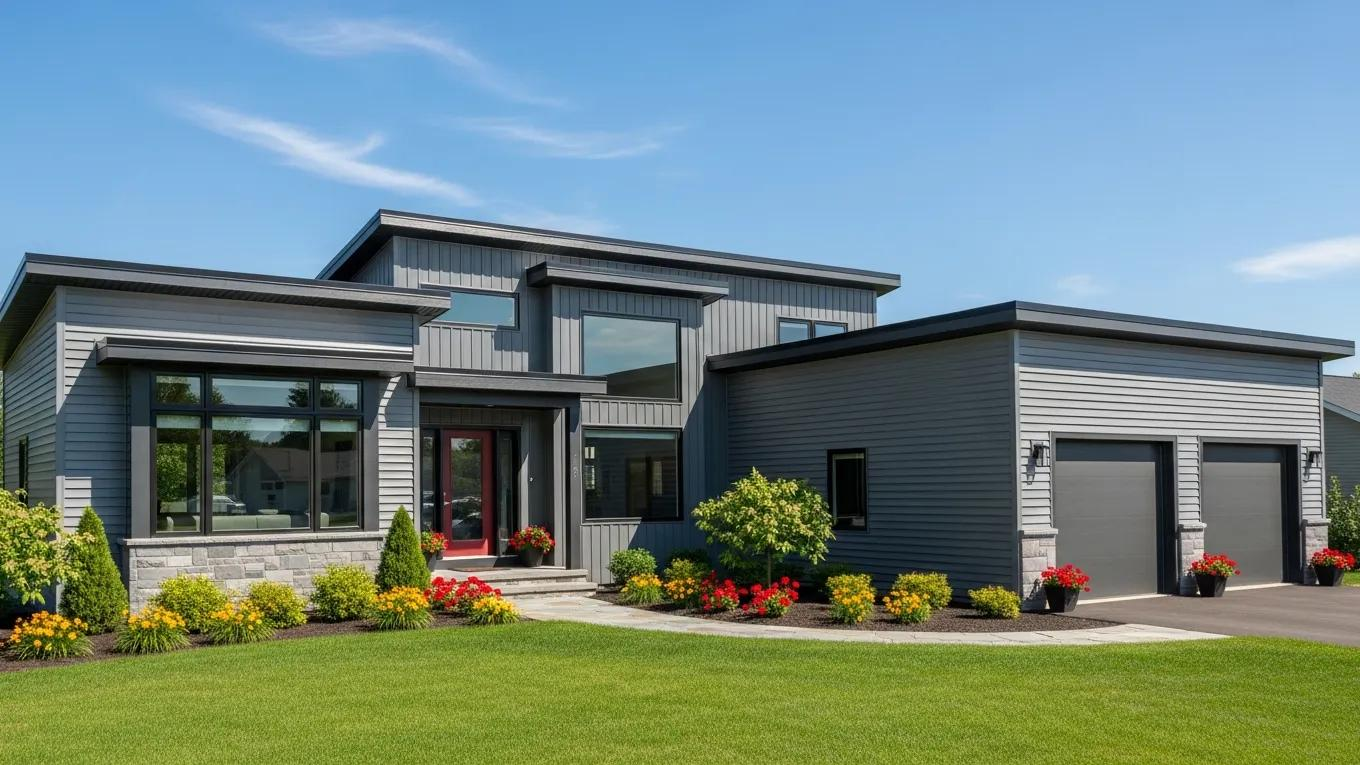
Essential Aluminum and Metal Siding Maintenance Tips After Installation for Long-Lasting Durability

Aluminum and metal siding require routine maintenance to preserve both appearance and structural performance. These materials offer strong weather resistance, but scheduled care is necessary to sustain longevity. This guide presents essential post-installation maintenance tips, practical cleaning methods and inspection steps to help you prevent corrosion, fading and weather damage and reduce repair costs.
Essential Maintenance Tips for Aluminum and Metal Siding
Care for aluminum and metal siding combines material knowledge with regular inspections, timely repairs and appropriate cleaning. Routine checks and prompt fixes prevent minor issues from becoming costly repairs and keep the exterior looking professional. For dependable installation and material-specific guidance, Alliance Exteriors Inc provides comprehensive siding services, including aluminium and metal systems that require specialised maintenance.
Best Practices for Maintenance:
Establish a consistent inspection and cleaning routine. Short, regular maintenance intervals stop deterioration and preserve performance.
- Conduct Regular Inspections: Schedule bi-annual checks for signs of wear and tear, which may include dents, scratches, or rust.
- Timely Repairs: Address any damage immediately to prevent further deterioration, as neglect can lead to extensive problems requiring full replacements.
- Effective Cleaning Techniques: Clean siding at least once a year using mild detergents and soft brushes to remove dirt and prevent mold growth.
Adopting these steps extends the service life of your siding while maintaining its appearance and function.
Recommended Frequency of Inspections:
Carry out inspections at least twice a year—ideally in spring and fall—and after severe weather such as storms or hail. Additional checks after extreme events help detect hidden damage early.
SeasonInspection FrequencyRecommended ActionsSpringBi-annualCheck for winter damage, clean debrisSummerAs neededMinor inspections after stormsFallBi-annualPrepare for winter, inspect for rustWinterAfter severe stormsAssess potential snow damage
Following this schedule preserves siding integrity and lets you address issues proactively.
Effective Cleaning Techniques:

Regular cleaning prevents corrosion and preserves finish. Apply safe methods and the right tools to avoid surface damage.
- Annual Cleaning: Plan an annual deep clean, ideally during mild weather, to avoid damage to the surface.
- Use Mild Detergents: Use a mixture of water and mild detergent to scrub the siding. Avoid abrasive cleaners that may scratch the surface and result in long-term damage.
- High-Pressure Washing: A pressure washer can be used cautiously. Set it on a low setting to prevent blasting paint off or damaging the siding surface.
Consistent cleaning keeps siding looking like new and improves resistance to harsh weather.
Strategies for Enhancing Durability:
Durability depends on protective measures and routine care. Proactive steps reduce risk and extend performance.
- Protective Coatings: Applying a protective coating every few years can shield your siding from environmental threats, such as UV rays and moisture.
- Manage Vegetation: Keep plants and trees trimmed away from siding to prevent potential scratching and minimize moisture accumulation.
- Gutter Maintenance: Regularly clean gutters and downspouts to prevent water buildup that can lead to corrosion.
These actions strengthen the exterior and help it withstand environmental stress.
How Should You Clean and Inspect Aluminum and Metal Siding Regularly?
Create a clear cleaning and inspection routine supported by a checklist. Regular, systematic checks ensure no areas are overlooked.
What Are the Step-by-Step Cleaning Procedures for Aluminum Siding?
Use a systematic process when cleaning aluminum siding to avoid damage and achieve consistent results. Follow these steps:
- Prepare the Area: Clear the surrounding area of furniture, plants, and anything that might obstruct your work.
- Gather Supplies: Assemble a soft bristle brush, mild cleaning detergent, water, and a bucket or pressure washer.
- Mix Cleaning Solution: Prepare a cleaning solution using water and mild detergent, avoiding any harsh chemicals.
- Scrub the Siding: Starting from the bottom up, scrub the siding gently with the brush, rinsing frequently with water.
- Rinse Thoroughly: Use a hose or pressure washer on a low setting to rinse off the detergent, ensuring no residue is left.
These procedures maintain cleanliness and protect the siding’s finish.
What Are Proven Strategies for Preventing Corrosion on Metal and Aluminum Siding?
Preventing corrosion preserves structural integrity. Implement the following measures to reduce corrosion risk.
- Regular Maintenance: Ensure routine cleaning to avoid dirt and grime accumulation that can contribute to corrosive factors.
- Use of Protective Coatings: Apply high-quality protective coatings specifically designed for metal surfaces to create a barrier against moisture.
- Monitor for Damage: Immediate attention to scratches and dents is crucial because compromised areas are prime targets for corrosion.
Consistent application of these measures helps preserve structure and prolong service life.
Which Protective Coatings and Treatments Extend Siding Lifespan?
Choose coatings that address UV exposure, impact resistance and rust prevention. Consider the following options:
- Acrylic Sealants: These provide excellent adhesion and UV resistance, ideal for exterior applications.
- Polyurethane Coatings: Known for their durability, polyurethane can protect against impacts and environmental hazards.
- Zinc-based Primers: These primers can prevent rust formation on metal siding, adding an extra layer of protection.
The correct treatments improve performance against moisture and other environmental wear.
How Does Regular Maintenance Combat Common Corrosion Types?
Routine maintenance combats pitting, oxidation and rust by protecting finishes and limiting deterioration through cleaning, inspections and moisture control.
- Prevention of Contamination: Cleaning prevents pollutants from degrading the protective finishes on metal siding, minimizing oxidation.
- Regular Inspections: Spotting minor corrosion early allows for timely repairs and coatings that prevent further damage.
- Moisture Control: Keeping water runoff directed away from the siding limits the chances of prolonged exposure to moisture, reducing corrosion risks.
A planned maintenance approach links inspections and protective measures to long-term durability.
When and How Should You Schedule Seasonal Maintenance for Aluminum and Metal Siding?

A seasonal schedule clarifies inspection and care tasks and helps you keep siding in peak condition year-round.
What Is the Optimal Seasonal Timeline for Siding Care?
Use a seasonal timeline to plan key tasks and ensure consistent upkeep. Typical actions by season are outlined below:
- Spring: Inspect for winter damage, clean siding surfaces, and apply protective coatings.
- Summer: Perform minor inspections after storms and ensure the vegetation around siding is maintained.
- Fall: Conduct a thorough inspection and clean gutters to prepare for winter.
- Winter: Monitor conditions after severe weather and ensure there’s no accumulation of snow against the siding.
Following this timeline ensures regular, effective maintenance throughout the year.
How To Prepare Your Siding for Harsh Weather Conditions?
Prepare siding for severe weather with targeted precautions that reduce the risk of damage.
- Inspect and Repair: Check for any gaps, cracks, or weaknesses and address them promptly.
- Apply Sealants: Use additional protective sealants before the onset of severe weather as an extra layer of defense.
- Clear Surroundings: Ensure no branches or debris cling to the siding that could cause damage in high winds or storms.
These steps increase resistance to extreme weather and reduce the need for emergency repairs.
What Are the Signs Indicating the Need for Metal Siding Repair or Replacement?
Recognise early signs of failure so you can act before damage worsens. Key indicators include the following:
- Visible Damage: Look for dents, cracks, or warping that compromise the siding's protective surface.
- Rust Patches: Spotting rust can indicate underlying corrosion that requires immediate attention.
- Degraded Finish: Fading or peeling paint signifies a need for refinishing or possible replacement.
Spotting these issues early lets you schedule repairs before costs increase.
When Is Professional Repair or Replacement Recommended?
Some problems require professional intervention. Consider hiring a contractor when the issue exceeds basic DIY repair or a comprehensive inspection is needed.
- Extensive Damage Exists: If the siding shows widespread corrosion or damage that exceeds DIY repairs, professional assistance is vital.
- For Comprehensive Inspections: Hiring experts can provide insights into root problems and ensure no areas are overlooked.
- Ideal for Larger Projects: For siding replacement or major repairs, professional contractors bring expertise and allow for a more seamless execution.
Working with qualified professionals ensures repairs meet durability standards and helps protect your property value.
Which Products and Coatings Are Recommended for Maintenance and Protection?
Select products formulated for metal siding to protect finishes and extend service life. Recommended categories include:
- Mild Detergents: Select cleaners that are specially formulated for metal surfaces to prevent damage during cleaning.
- Protective Sealants: Choose high-quality sealants that provide long-lasting protection from UV rays and moisture.
- Rust Inhibitors: Use primers and paints containing rust inhibitors to ensure prolonged protection against corrosion.
Using these products strengthens your maintenance programme and safeguards siding against environmental wear.
What Cleaning Products Are Safe and Effective for Aluminum and Metal Siding?
Choose cleaners that remove dirt without harming protective finishes. Consider the following safe options:
- Dish Soap Solutions: A diluted solution of dish soap in warm water makes for an effective cleaning method without harsh chemicals.
- Commercial Siding Cleaners: Choose eco-friendly products designed specifically for aluminum and metal surface care.
- Vinegar and Water: A natural solution of vinegar and water can tackle mold and mildew effectively without compromising the siding’s finish.
The right cleaning products simplify the process and help preserve material longevity.
Which Protective Coatings Enhance Corrosion Resistance and Appearance?
Protective coatings improve corrosion resistance while refreshing appearance. Evaluate these options:
- Polyurethane Coatings: These offer excellent UV protection and durability.
- Acrylic Paint: Provides a protective finish while also refreshing the visual aspect of your siding.
- Experimental Coatings: Some products in the market offer cutting-edge technology aimed at maximizing durability against environmental wear.
These coatings defend against corrosion and help maintain your home’s curb appeal.
How Can Professional Services Support Your Aluminum and Metal Siding Maintenance?
Professional services add technical expertise and simplify upkeep while ensuring best-practice maintenance.
- Thorough Inspections: Professionals can identify underlying issues that may require specialized tools or knowledge.
- Quality Service: Expert maintenance practices can extend the lifespan of your siding well beyond DIY methods.
- Access to Premium Products: Professional services often have access to high-end products and coatings for best practices in maintenance.
Professional support ensures correct care and reduces long-term maintenance burdens.
What Are the Benefits of Expert Siding Installation and Routine Maintenance?
Expert installation and scheduled maintenance deliver measurable benefits that protect your investment:
- Quality Assurance: Professional installations come with guarantees that ensure your siding will perform as expected.
- Tailored Maintenance Schedules: Experts can recommend maintenance schedules based on the specific materials and climate advantages.
- Increased Property Value: Properly maintained siding increases the appeal and value of your property, making it more attractive to potential buyers.
Professional care preserves your investment and enhances property appeal.
How to Choose a Trusted Local Exterior Solutions Provider?
Evaluate local providers using clear criteria to confirm they will deliver quality installation and maintenance:
- Experience and Reviews: Research customer testimonials and company history to assess reliability.
- Professional Certifications: Ensure the provider has the necessary certifications and adheres to industry standards.
- Portfolio of Work: Review their past projects to gauge the quality of work and customer satisfaction.
A reliable contractor protects your investment and ensures long-term performance.
Frequently Asked Questions
What are the long-term effects of neglecting siding maintenance?
Ignoring maintenance can result in corrosion, structural damage and higher energy costs from reduced insulation efficiency. Dirt and grime degrade finishes, leading to peeling or discoloration and diminishing curb appeal. Small defects left unrepaired can escalate into major repairs or premature replacement.
How do weather conditions affect metal siding maintenance?
Weather has a direct effect on maintenance needs. Temperature shifts can cause expansion and contraction that lead to cracks, while intense sunlight fades protective finishes. High humidity increases rust and mould risk, requiring more frequent cleaning and inspections. Storm-prone areas need immediate post-storm checks to catch hidden damage.
Can I paint aluminum siding, and how do I do it safely?
Yes. Start by cleaning the surface thoroughly. Apply a primer designed for aluminum, then use a high-quality exterior paint formulated for metal. Paint on dry days and follow the manufacturer’s instructions to ensure proper adhesion and durability.
Are there specific tools recommended for siding maintenance?
Recommended tools include a soft-bristle brush, a pressure washer set to low pressure, a ladder for access and a flashlight for inspections. Quality cleaning solutions and protective coatings also improve maintenance outcomes.
How often should I apply protective coatings to my siding?
Reapply protective coatings every 3–5 years, depending on climate and exposure to UV and moisture. Regular inspections will reveal when the coating is wearing and requires renewal.
What should I do if I find rust on my metal siding?
Address rust promptly. Remove loose rust with a wire brush or sandpaper, then apply a rust-inhibiting primer and a suitable exterior paint. Determine the cause—such as moisture buildup or surface damage—and correct it to prevent recurrence.
Is it necessary to hire professionals for inspections and maintenance?
Homeowners can perform basic inspections and routine maintenance, but it is advisable to hire professionals for complex repairs or comprehensive assessments. Experienced contractors identify hidden issues and ensure work follows industry best practices, which can save money over time.
Conclusion
Regular maintenance preserves appearance and structural integrity and extends the service life of aluminum and metal siding. By following recommended cleaning methods and seasonal schedules you reduce repair costs and protect property value. Consider professional services or proven products to ensure optimal care, and begin protecting your investment today.