Best Practices for Installing James Hardie Siding

Best Practices for Installing James Hardie Siding: Expert Guide for Durable Fiber Cement Exterior Solutions

James Hardie fibre cement siding is a strategic investment that enhances your home's appearance and long‑term resilience. This guide presents the installation best practices needed for the system to perform as intended and resist weather. James Hardie's fibre cement is recognised for its durability; however correct installation is required to realise those benefits. We cover tools and materials, site preparation, step‑by‑step installation, maintenance and when to engage professional installers. Follow these recommendations to secure a durable, high‑quality exterior.
Fibre cement's inherent ductility reduces installation damage, a point reinforced by the cited research.
Fiber Cement Siding: Material Ductility & Installation Damage Prevention
Cement-bonded strawboard, when compared with competing cement-bonded fiber board and particleboard siding, is more ductile and thus less prone to damage during installation.
Evaluation of cement-bonded strawboard against alternative cement-based siding products, P Soroushian, 2012
What Are the Essential Tools and Materials for James Hardie Fiber Cement Siding Installation?
Successful James Hardie installations begin with the correct tools and manufacturer‑approved materials. Quality equipment improves efficiency and installation precision.
Which specialized tools ensure precise and efficient siding installation?

Use the specialist tools below to produce accurate cuts, secure fastening and consistent alignment for a professional finish:
- Circular Saw : Ideal for cutting siding panels to the desired length.
- Nail Gun : Speeds up the fastening process, ensuring secure attachment.
- Measuring Tape : Essential for accurate measurements to avoid waste.
- Level : Ensures that the siding is installed evenly, preventing water damage.
- Safety Gear : Includes goggles and gloves to protect against dust and debris.
These tools deliver a professional finish and help maximise the siding's service life.
What high-quality materials complement James Hardie siding for optimal durability?
Selecting high‑quality, manufacturer‑approved components is critical to long‑term performance. Correct materials protect the structure and preserve the siding's appearance.
- Moisture Barriers : Protect the underlying structure from water damage.
- Trim Components : Enhance the aesthetic appeal and provide additional protection.
- Fasteners : Use corrosion-resistant fasteners to ensure durability.
Using James Hardie‑approved materials enhances durability and helps you realise the installation's full value.
How to Prepare Your Home and Site for Professional James Hardie Siding Installation?
Thorough preparation reduces delays and prevents common issues. Assess the site and stage materials before work begins.
- Site Assessment : Evaluate the condition of the existing siding and underlying structure. Remove any damaged materials before installation.
- Material Preparation : Ensure that all materials are on-site and ready for use. This includes siding panels, trim, and fasteners.
- Safety Considerations : Clear the work area of debris and ensure that all safety protocols are in place to protect workers and the property.
These steps create the right conditions for a smooth, efficient installation.
What Are the Step-by-Step Best Practices for Installing James Hardie Fiber Cement Siding?
A methodical, step‑by‑step approach ensures correct installation and steady progress on site.
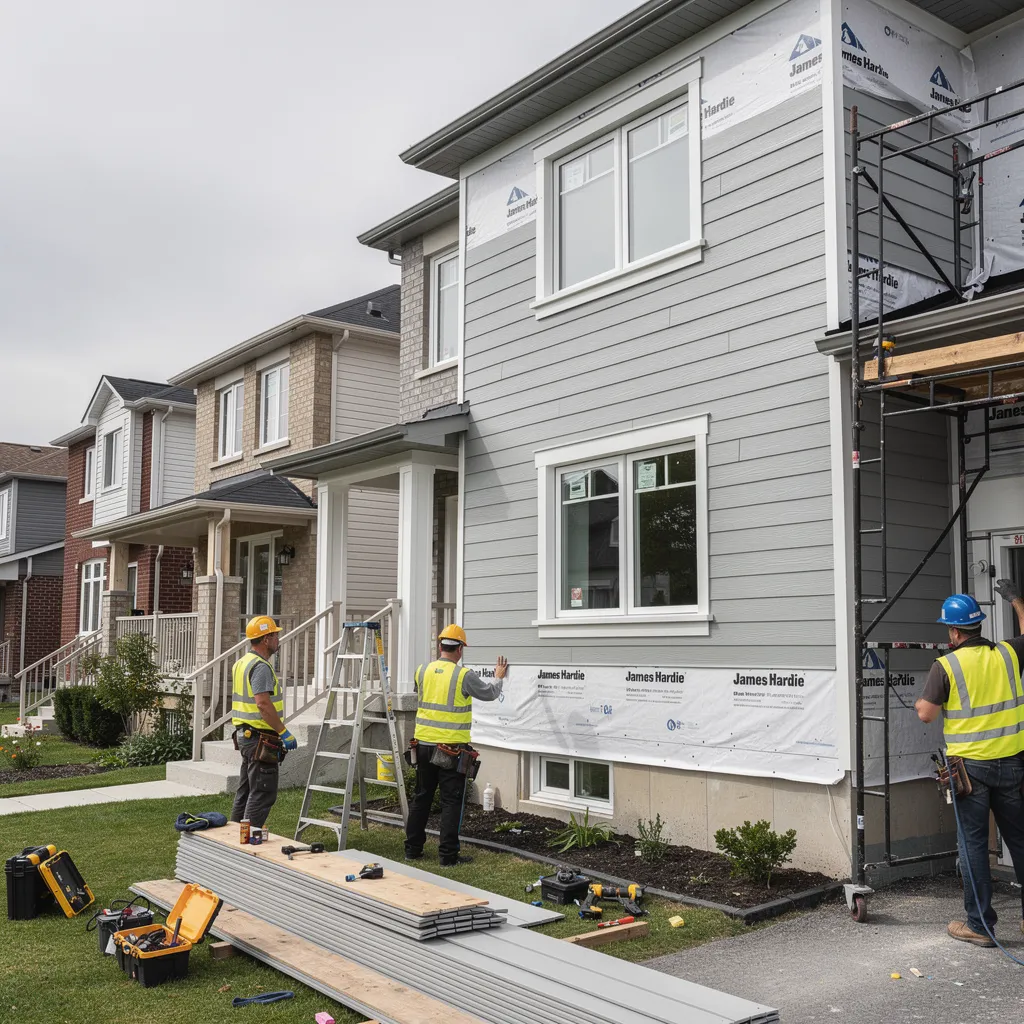
- Install Moisture Barriers : Begin by applying moisture barriers to protect the underlying structure from water infiltration. Ensure that the barriers are properly overlapped and sealed.
- Cut and Fit Siding Panels : Measure and cut the siding panels to fit the dimensions of your home. Use a circular saw for clean cuts.
A case study illustrates practical considerations when cutting and installing HardiePanel products.
HardiePanel Fiber Cement Siding Installation Case Study
Figure 1 shows a corner of the building, where fiber-cement siding was installed. The fiber-cement siding cut and installed during this survey was HardiePanel® vertical siding.
In-Depth Survey Report: Partnering to Control Dust from Fiber-Cement Siding [City Walk, Woodbury, Minnesota], 2014
- Fastening Techniques : Secure the siding panels using a nail gun, ensuring that fasteners are placed at the recommended intervals. This will enhance the durability of the installation.
- Alignment Methods : Use a level to ensure that each panel is aligned correctly. This prevents water pooling and potential damage.
How to correctly install moisture barriers and trim components for lasting protection?
Install moisture barriers with correct overlaps and sealed edges to prevent water ingress. Fit trim after the panels to complete the appearance and add protective detailing.
What fastening techniques and alignment methods ensure siding durability?
Use corrosion‑resistant fasteners placed at least 1 inch from panel edges. Maintain alignment and leave a small bottom gap for drainage and thermal expansion.
How to Maintain and Extend the Longevity of James Hardie Fiber Cement Siding?
Regular maintenance preserves performance and extends the service life of your James Hardie siding.
- Routine Cleaning : Clean the siding at least once a year to remove dirt and debris. Use a soft brush and mild detergent for best results.
- Inspection for Damage : Regularly inspect the siding for any signs of damage or wear. Addressing issues early can prevent costly repairs.
- Repainting Recommendations : Depending on the color and exposure to the elements, repainting may be necessary every 5-10 years to maintain appearance and protection.
What routine maintenance practices preserve siding appearance and performance?
Annual cleaning, timely repairs and clear gutters will preserve the siding's appearance and function.
How does the James Hardie warranty support long-term siding durability?
James Hardie's warranty covers material and workmanship defects, providing homeowners with added protection. Professional installation is often required to maintain warranty coverage and ensure correct performance.
Why Choose Professional Installation Services for James Hardie Siding in North York and GTA?

Engaging professional installers improves quality, durability and the overall outcome of your siding project.
- Cost Considerations : While DIY may seem cost-effective, professional installation can save money in the long run by preventing mistakes and ensuring proper installation.
- Expertise Benefits : Professional installers have the experience and knowledge to handle complex installations, ensuring that all local building codes are met.
- Warranty Implications : Many manufacturers, including James Hardie, require professional installation for warranty coverage, protecting your investment.
What advantages do expert installers provide over DIY approaches?
Experienced installers apply correct techniques, work efficiently and manage unexpected site challenges, reducing the risk of costly rework.
How do local contractors ensure compliance with regional building codes and standards?
Local contractors apply regional codes and standards during installation, protecting your investment and the long‑term safety of the property.
For homeowners considering James Hardie siding, professional installation ensures optimal performance and longevity.
Frequently Asked Questions
What are the common mistakes to avoid during James Hardie siding installation?
Common mistakes include incorrect moisture barrier installation, improper fastener placement and missing expansion gaps. Ignoring manufacturer guidelines risks water ingress and reduced durability. Poor levelling creates uneven surfaces and functional problems. Plan carefully and follow best practices to avoid these issues.
How does climate affect the installation of James Hardie siding?
Climate affects material behaviour and installation priorities. In humid regions, robust moisture barriers and ventilation are essential. In very hot or dry climates, allow for expansion and contraction. Scheduling work in moderate conditions improves adhesion and performance. Consider local conditions when planning.
What are the benefits of using James Hardie siding compared to vinyl siding?
James Hardie siding offers greater durability, improved fire resistance and superior performance in severe weather compared with vinyl. It retains colour and structural integrity longer, resists insect damage and can replicate wood aesthetics with lower maintenance.
How can I ensure the longevity of my James Hardie siding?
Maintain longevity with scheduled care: clean annually, inspect and repair promptly, repaint every 5–10 years as needed, and keep gutters clear to prevent moisture issues. These measures preserve appearance and performance.
What should I consider when choosing a contractor for installation?
Assess a contractor's experience, reputation and knowledge of local codes. Prefer James Hardie‑certified installers, check references and request a detailed estimate and warranty to protect your investment and ensure quality workmanship.
Are there any specific local regulations for siding installation I should be aware of?
Local regulations vary and may dictate materials, methods and safety requirements. Consult your local building authority or a licensed contractor to confirm compliance. Knowing rules upfront helps avoid fines, rework and project delays.
What are the common mistakes to avoid during James Hardie siding installation?
Common mistakes include incorrect moisture barrier installation, improper fastener placement and missing expansion gaps. Ignoring manufacturer guidelines risks water ingress and reduced durability. Poor levelling creates uneven surfaces and functional problems. Plan carefully and follow best practices to avoid these issues.
How does climate affect the installation of James Hardie siding?
Climate affects material behaviour and installation priorities. In humid regions, robust moisture barriers and ventilation are essential. In very hot or dry climates, allow for expansion and contraction. Scheduling work in moderate conditions improves adhesion and performance. Consider local conditions when planning.
What are the benefits of using James Hardie siding compared to vinyl siding?
James Hardie siding offers greater durability, improved fire resistance and superior performance in severe weather compared with vinyl. It retains colour and structural integrity longer, resists insect damage and can replicate wood aesthetics with lower maintenance.
How can I ensure the longevity of my James Hardie siding?
Maintain longevity with scheduled care: clean annually, inspect and repair promptly, repaint every 5–10 years as needed, and keep gutters clear to prevent moisture issues. These measures preserve appearance and performance.
What should I consider when choosing a contractor for installation?
Assess a contractor's experience, reputation and knowledge of local codes. Prefer James Hardie‑certified installers, check references and request a detailed estimate and warranty to protect your investment and ensure quality workmanship.
Are there any specific local regulations for siding installation I should be aware of?
Local regulations vary and may dictate materials, methods and safety requirements. Consult your local building authority or a licensed contractor to confirm compliance. Knowing rules upfront helps avoid fines, rework and project delays.
Conclusion
Investing in James Hardie siding enhances your home's appearance and delivers durable protection against the elements. Follow installation and maintenance best practices to maximise the benefits of this premium fibre cement solution. Consider professional installation to ensure optimal performance and compliance with local building codes. Explore our services today to transform your home with industry‑leading siding technology.