Upgrade Your Home: Discover Aluminum Siding Advantages
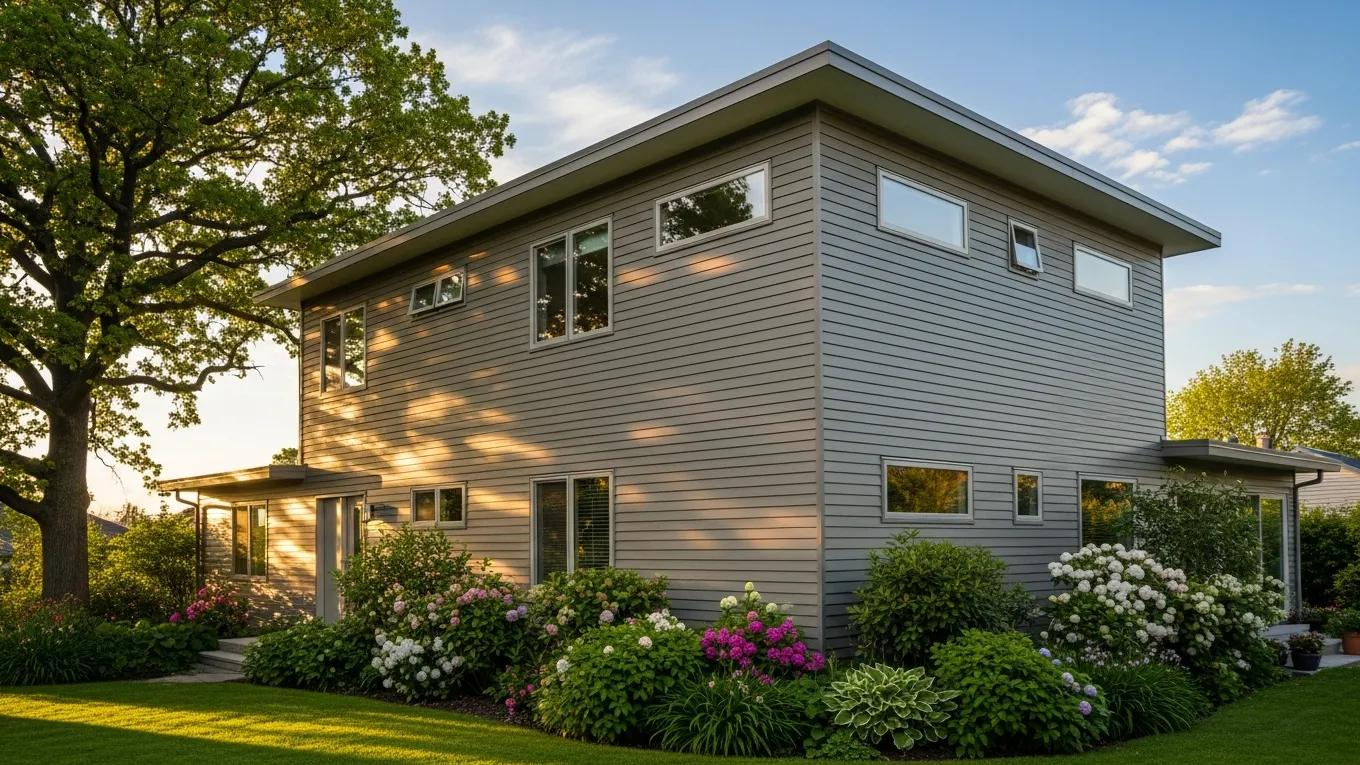
Aluminum Siding Advantages for Your Home Upgrade: Expert Insights on Benefits, Durability, and Cost Efficiency

Aluminum siding is a rising choice for homeowners seeking a durable, low‑maintenance exterior. Its versatility delivers clear benefits in appearance, upkeep, and thermal performance. This article examines aluminum siding’s advantages, reviewing durability, cost efficiency, and professional recommendations. Many homeowners need a siding option that combines long life with minimal maintenance; aluminum meets those requirements. By outlining the key benefits, longevity expectations, and cost considerations, we enable informed decisions about exterior upgrades.
Benefits
Aluminum siding offers a compelling mix of aesthetic flexibility and proven performance. Its material properties and finish options make it a practical selection for clients prioritising both form and function.
- Durability: Aluminum siding is known for its exceptional strength and resistance to damage. It can withstand harsh weather conditions, including heavy winds and extreme temperatures, without warping or cracking.
- Low Maintenance: Unlike wood siding, which requires repainting and regular maintenance, aluminum siding only needs occasional cleaning to maintain its appearance. This reduces long-term upkeep costs significantly.
- Aesthetic Versatility: Available in various colors and finishes, aluminum siding allows homeowners to achieve their desired look, whether they prefer a classic or contemporary style.
- Weather Resistance: Aluminum is resistant to moisture, which helps prevent issues like mold, rot, and mildew that commonly affect wooden sidings.
Recognising these advantages helps homeowners prioritise outcomes—longer service life, lower upkeep, and a consistently attractive exterior—when planning a siding upgrade.
Durability

Durability is a primary strength of aluminum siding. When installed and maintained correctly, it remains effective for decades with minimal degradation.
Aluminum retains structural integrity across wide temperature ranges and resists finish fading, keeping a home’s exterior intact and presentable over time. It is corrosion‑resistant, which makes it a prudent choice in coastal locations exposed to salt air. The material’s resilience reduces the frequency of repairs compared with other claddings, delivering tangible savings in both time and maintenance expense.
Cost Efficiency

Evaluating cost efficiency shows why aluminum siding is a preferred option. Although initial installation costs can be similar to alternatives such as vinyl, the lifecycle savings from reduced maintenance and longer service life are a decisive advantage.
Lower maintenance requirements cut ongoing upkeep costs. In addition, aluminum’s thermal properties can improve a home’s energy performance, which may reduce heating and cooling expenses. High‑quality aluminum siding also enhances curb appeal and durability, factors that often support a stronger property appraisal.
Product TypeInitial CostLong-term Maintenance SavingsEnergy EfficiencyAluminum Siding$3.50 - 6.50 per sq. ft.Decreased by up to 30%15-20% increaseVinyl Siding$2.50 - 4.50 per sq. ft.Higher maintenance feesLimited increaseFiber Cement Siding$4.50 - 7.50 per sq. ft.ModerateModerate increase
This comparison underlines aluminum siding’s cost‑effective profile, reinforcing the long‑term financial benefits of installing a durable, low‑maintenance cladding.
How Does Aluminum Siding Enhance Energy Efficiency and Weather Resistance?
Aluminum siding improves energy performance through reflective surface finishes that reduce heat gain in warm conditions, lowering reliance on air conditioning. It also provides strong moisture resistance, limiting water ingress and helping to prevent interior damage and mould development.
Why Is Aluminum Siding Considered a Durable and Low-Maintenance Exterior Solution?
Aluminum is inherently resistant to rot and pest damage and will not warp like wood, which contributes to extended service life. These characteristics make it a practical investment for homeowners seeking minimal upkeep and steady exterior performance.
Expert Insights and Recommendations
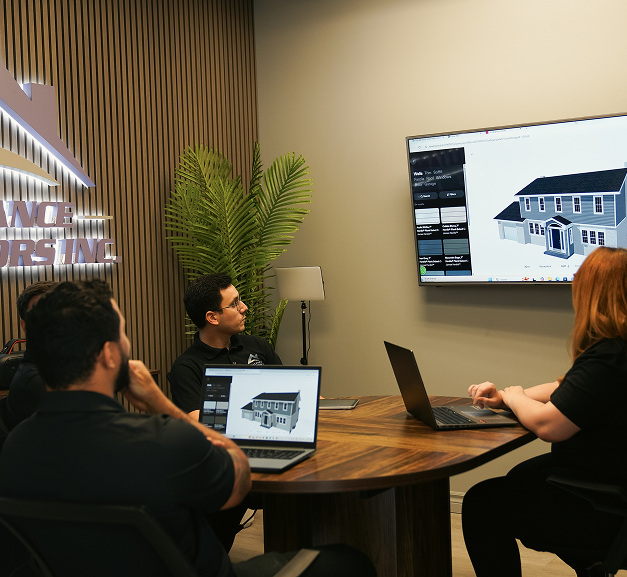
Consulting experienced professionals is essential when planning an aluminum siding upgrade. At Alliance Exteriors Inc., our team specialises in aluminium siding systems and delivers solutions aligned with each client’s objectives.
Selecting premium materials and appropriate surface finishes is critical to maximise longevity. Discuss available profiles, coating options, and insulation backing with your contractor to optimise thermal performance. Professional installation ensures correct panel alignment and secure attachment, protecting performance over the service life.
What Are the Core Benefits of Aluminum Siding for Home Upgrades?
The primary benefits include long‑term durability, reduced maintenance, design flexibility, and strong resistance to moisture and weather. These attributes combine to protect the investment and enhance both the appearance and functionality of a home’s exterior.
How Does Aluminum Siding Compare to Vinyl and Fiber Cement Alternatives?
Compared with vinyl, aluminum generally offers greater longevity and lower long‑term maintenance despite similar initial costs. Fiber cement can be more durable than vinyl but often carries higher installation expenses and different maintenance needs. Many homeowners find that fiber cement siding balances durability and aesthetics, though it may cost more than aluminum.
What Is the Typical Cost of Aluminum Siding Installation in North York and Greater Toronto Area?
In North York and the Greater Toronto Area, typical installation costs range from $3.50 to $6.50 per square foot. Final pricing depends on selected profile, finish, and site complexity, so obtain a detailed estimate to plan your budget accurately.
Which Factors Influence the Overall Expense of Aluminum Siding Installation?
Several factors can impact the overall expense of aluminum siding installation, including:
- Material Costs: Prices vary based on the quality and style of the siding chosen.
- Labor Rates: Differences in local labor costs can significantly affect the total expenses.
- Project Scope: The size and complexity of the project will dictate the overall cost.
Understanding these drivers lets homeowners prepare realistic budgets and select options that deliver the best value for their needs.
How Does Professional Installation by Alliance Exteriors Inc. Ensure Value and Quality?
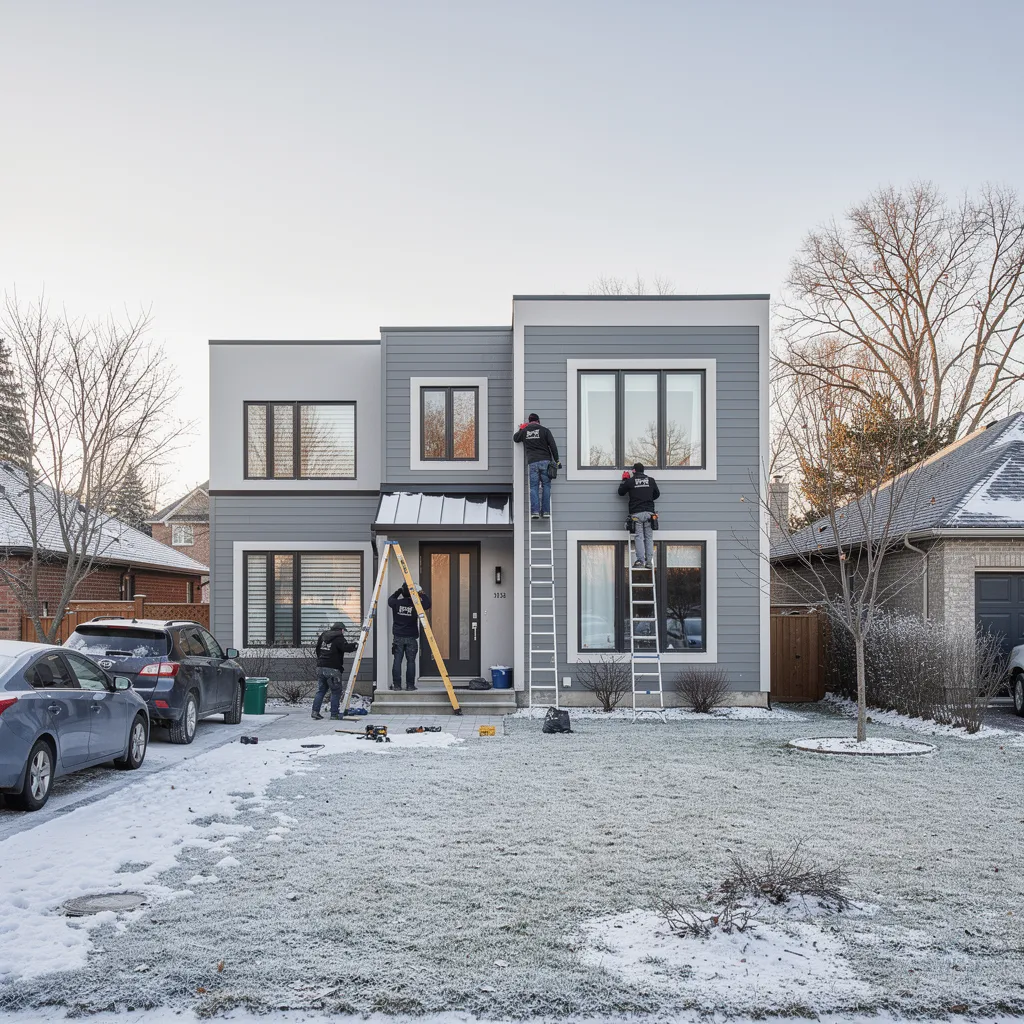
Professional installation by experienced contractors like those at Alliance Exteriors Inc. ensures proper fitment and sealing, which maximises lifespan and performance. Our technicians follow strict quality controls and provide warranty coverage to protect your investment.
How Is Aluminum Siding Installed for Optimal Longevity and Performance?
For optimal longevity, aluminum siding installation involves several critical steps:
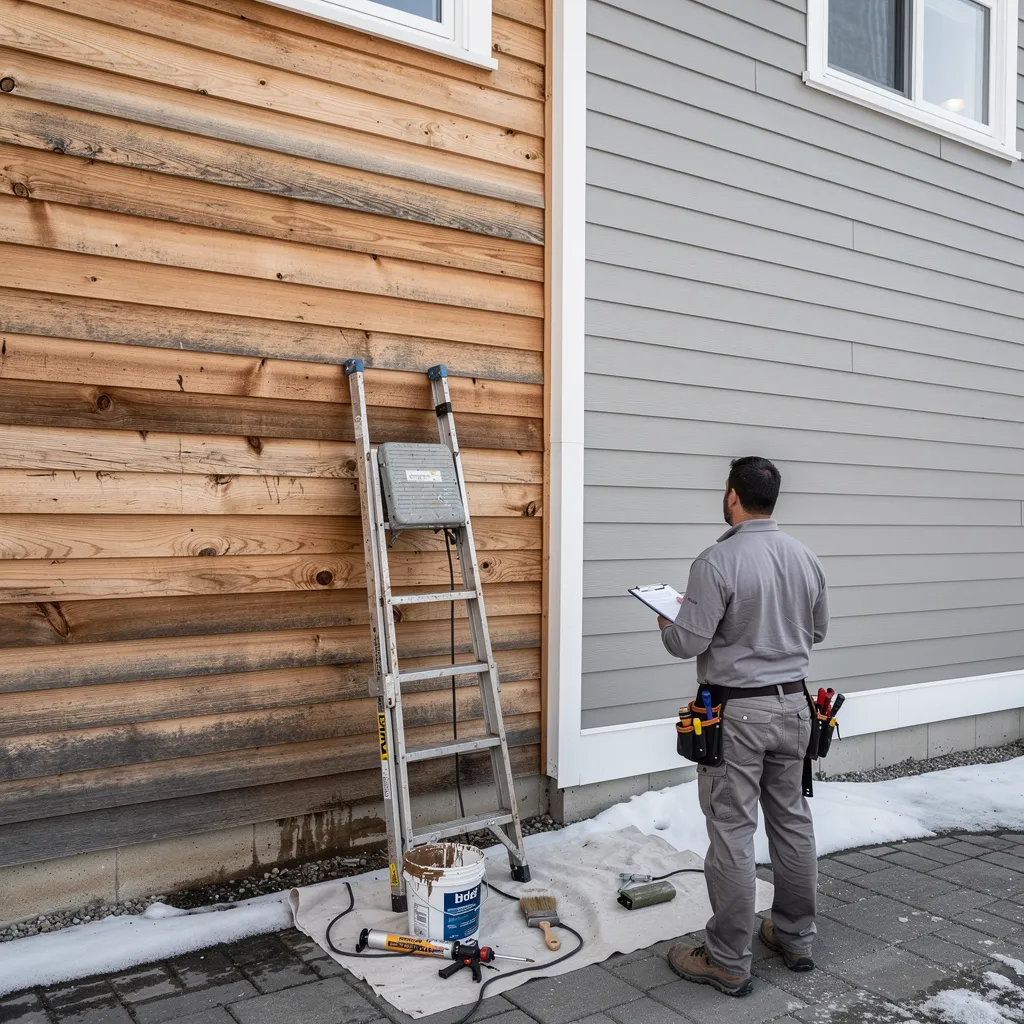
- Preparation: The surface must be cleared of any debris and prepped for installation.
- Insulation Addition: Installing insulation backing can enhance energy efficiency.
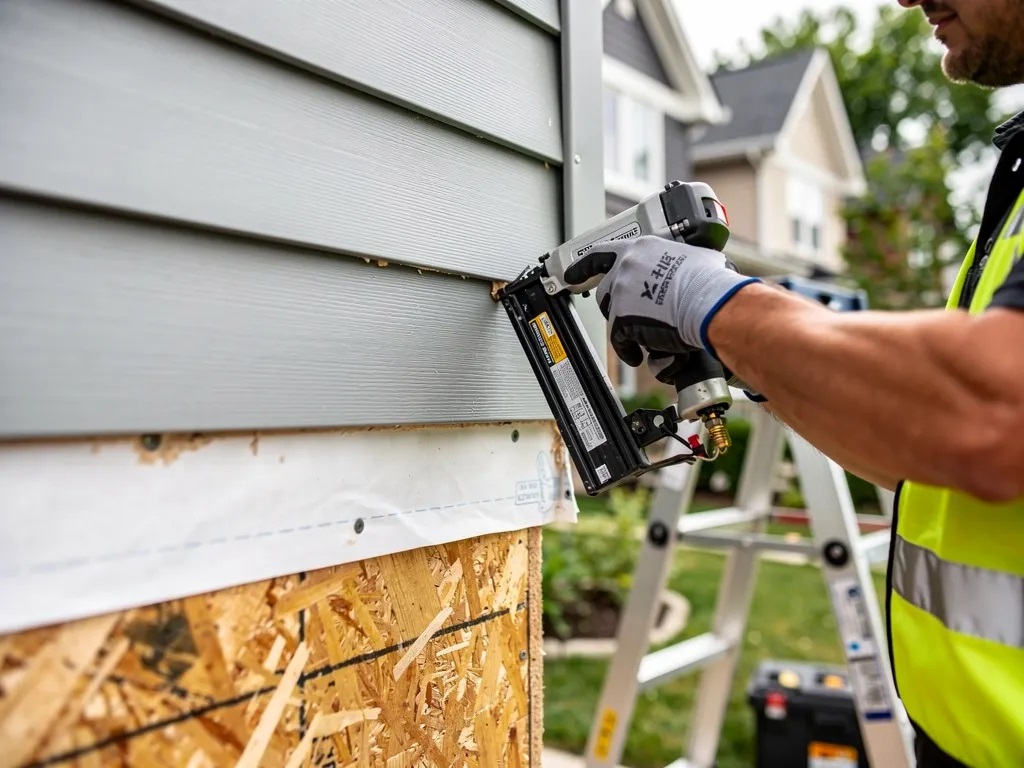
- Panel Installation: Panels are meticulously aligned and secured to prevent warping or gaps.
Adhering to these procedures ensures correct attachment, consistent panel alignment, and the long‑term performance of the cladding system.
What Maintenance Practices Are Necessary to Preserve Aluminum Siding Appearance and Function?
To maintain aluminum siding effectively, homeowners should adopt several best practices:
- Regular Cleaning: Seasonal power washing can help remove dirt and grime, keeping the siding looking fresh.
- Inspection: Regularly check for scratches or dents and address any issues promptly to prevent further damage.
- Preventative Measures: Ensure proper drainage and avoid water accumulation around the foundation to protect the siding from moisture.
Following these maintenance steps reduces repair needs and preserves the siding’s appearance and protective properties over time.
How Does Aluminum Siding Reduce Maintenance Frequency Compared to Other Materials?
Aluminum’s resistance to rot, pests, and moisture means fewer routine interventions than wood. Its durability and weather resistance translate to less frequent repairs, offering homeowners a lower‑maintenance exterior solution.
What Do Customers Say About Their Experience With Aluminum Siding Upgrades?
Client feedback commonly highlights satisfaction with aluminum siding’s longevity and visual result. Homeowners frequently cite reduced maintenance demands and a notable improvement in curb appeal as primary benefits of their upgrade.
How Have Aluminum Siding Solutions Impacted Home Value and Comfort in Toronto Homes?
Aluminum siding upgrades in Toronto have contributed to improved thermal comfort and enhanced curb appeal, which can support higher property valuations. Better insulation and a durable exterior often lead to a more comfortable interior environment across seasonal extremes.
Frequently Asked Questions
1. What is the lifespan of aluminum siding?
Aluminum siding typically has an impressive lifespan that can range from 20 to 50 years, depending on the quality of the installation and the maintenance it receives. Unlike wood, it doesn’t rot or warp, which significantly contributes to its longevity. Regular cleaning and prompt repairs of any scratches or dents will help maintain its appearance and durability over the years. Investing in high-quality aluminum siding ensures that homeowners reap the benefits of a long-lasting exterior solution.
2. Can aluminum siding be painted?
Yes, aluminum siding can be painted if homeowners wish to change its color or refresh its look. Before painting, it’s essential to clean the surface thoroughly and ensure that it is free from dirt, grease, and old paint. Using high-quality exterior-grade paint specifically designed for metal surfaces will yield the best results. Keep in mind that painting aluminum siding may require more maintenance than leaving it in its original finish, as it can chip over time.
3. How does aluminum siding affect home insulation?
Aluminum siding can enhance a home's insulation when paired with proper insulation backing. It provides thermal efficiency, which helps regulate indoor temperatures, keeping homes cooler in summer and warmer in winter. This thermal barrier additionally reduces energy costs by making heating and cooling systems more efficient. Homeowners looking for improved insulation may consider installing insulated aluminum siding to maximize energy efficiency and comfort.
4. Is aluminum siding environmentally friendly?
Aluminum siding is considered an environmentally friendly choice for several reasons. It is often made from recycled materials, helping to reduce waste. Moreover, aluminum is recyclable at the end of its lifecycle, minimizing its environmental impact. Additionally, the energy efficiency of aluminum siding—due to its reflective properties—contributes to lower energy consumption in homes. These factors make aluminum siding a sustainable option for eco-conscious homeowners.
5. What should homeowners consider when choosing aluminum siding colors and finishes?
When selecting colors and finishes for aluminum siding, homeowners should consider their home's architectural style and the neighborhood aesthetic. Lighter colors can reflect heat, helping to keep homes cooler, while darker shades may absorb heat but provide a warm, classic look. Additionally, finishes like matte or glossy can affect visual appeal. It’s also crucial to consult with professionals who can advise on color trends and durability to ensure a wise investment.
6. How much does it cost to maintain aluminum siding?
The maintenance costs for aluminum siding are relatively low compared to other materials. Homeowners can expect to spend around $100 to $300 annually for cleaning and minor repairs. This includes power washing to remove grime and regular inspections for scratches or potential damages. Since aluminum doesn’t require painting frequently like wood, the overall maintenance expenses can be significantly less, contributing to its cost-efficient nature over time.
7. Can aluminum siding be installed over existing siding?
Yes, aluminum siding can be installed over existing siding, provided the existing material is in good condition. However, it is advisable to have an inspection to ensure that the underlying structure is sound and to address any moisture or insulation issues before proceeding. This layered installation can help improve energy efficiency but may require additional insulation work to optimize the benefits. Consulting with a professional installer can provide tailored advice based on the specific situation.
Conclusion
Upgrading to aluminum siding delivers exceptional durability, low maintenance, and enhanced energy efficiency for homeowners. By selecting this versatile material, you not only improve your home's exterior appeal but also increase its long-term value. If you're ready to transform your home with quality siding that lasts, consult with our experts at Alliance Exteriors Inc. today. Discover how aluminum siding can elevate your living space and simplify your maintenance routine.