The Top Benefits of James Hardie Siding
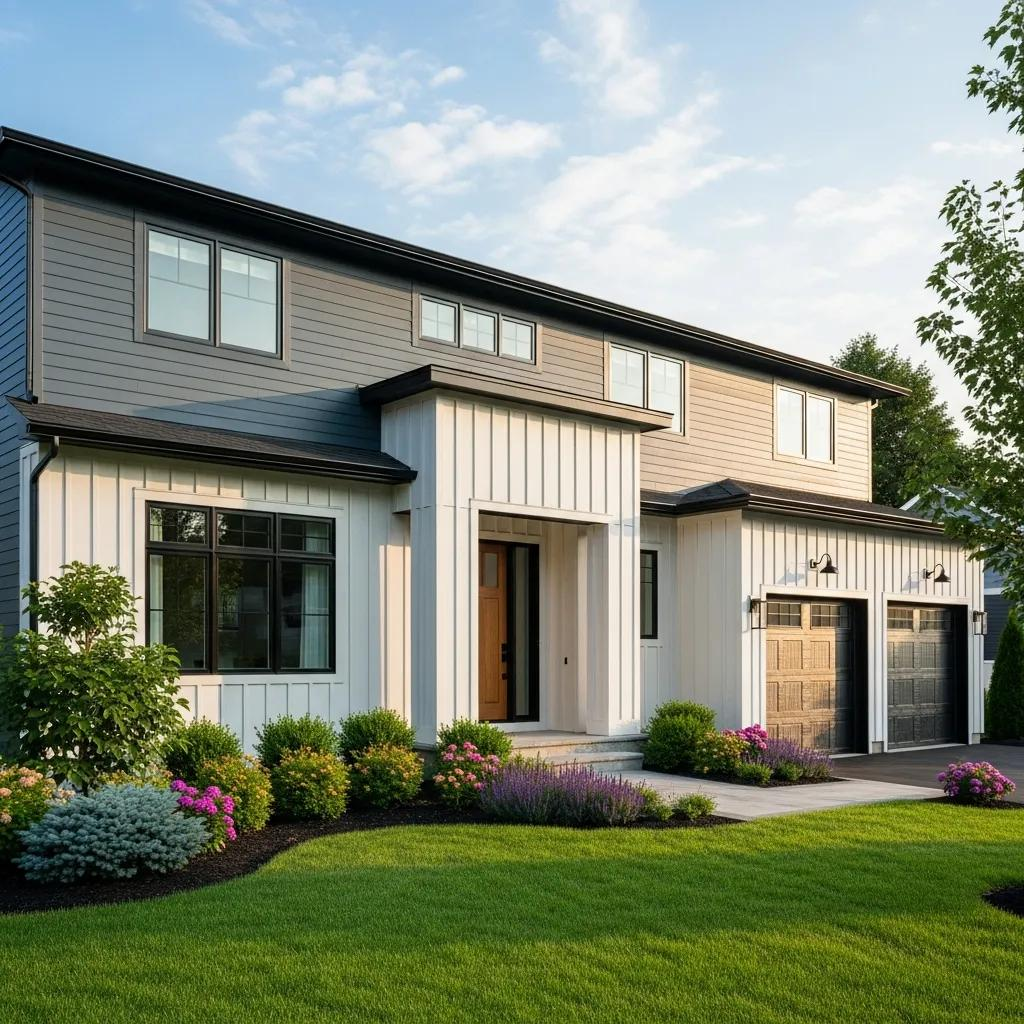
The Top Benefits of James Hardie Siding: Expert Insights on Durability, Cost, and Installation

James Hardie siding is widely recognised for reliable performance and strong curb appeal, making it a preferred choice for homeowners who want a durable, attractive exterior. This article examines durability, cost and installation requirements, compares fibre‑cement siding to other options, and explains suitability for climates such as North York and the Greater Toronto Area. For properties with deteriorating or high‑maintenance cladding, James Hardie provides a low‑maintenance, long‑lasting solution. The sections that follow outline durability features, cost considerations and the role of professional installation to help you evaluate the investment.
Durability

James Hardie siding is engineered for long service life and consistent performance. Its fibre‑cement composition resists heavy rain, snow and extreme temperatures, reducing the risk of warping, cracking and fading. The material is pest‑resistant, protecting homes from termites and other wood‑boring insects. Together these properties deliver a weather‑ and impact‑resistant exterior that preserves both appearance and function over time.
Its formulation is designed to counter a broad range of environmental threats and maintain reliable performance throughout the product’s service life.
James Hardie Fiber Cement: Fire, Moisture, Freeze-Thaw Resistance
Several companies, including James Hardie, are increasing board production. Resistant to fire, moisture, fungus, vermin and freeze‑thaw. Cement Boards 101, 2014
Cost Considerations
Cost is a central consideration when selecting siding. James Hardie typically requires a higher upfront investment than vinyl, but its durability and lower maintenance needs translate to meaningful long‑term savings. Fewer repairs and replacements reduce lifecycle costs, and improved curb appeal can increase property value. The material’s thermal performance may also contribute to lower heating and cooling expenses over time.
Evaluating the full economic picture — including long‑term environmental and financial impacts — is essential when comparing siding materials.
A detailed analysis of lifecycle costs and environmental impacts provides further insight into the sustainability of various siding materials.
Comparative Life Cycle Cost of Fiber Cement Siding
Using lifecycle assessment (LCA) products synthesised in environmental product declarations (EPD) together with life cycle cost assessments (LCCA), researchers establish and compare the environmental and economic impacts of historic, traditional and simulated materials. This analysis informs the historic preservation community about the quantifiable sustainability of historic materials versus alternatives. The research demonstrates that retaining in‑situ siding incurs the lowest environmental impact and is the second most economic option. Installation of new, traditional wood siding has the next lowest environmental impact but proves the most expensive method over time. Thus, while simulated materials are often promoted as the most environmentally and economically sustainable, retaining in‑situ siding and
… Another Name: A Comparative Analysis of the Environmental and Economic Costs of Traditional Wood Clapboards, Composite Fiber-Cement Siding, and Vinyl Siding, 2022
Fiber Cement Siding: Lifecycle Cost & Environmental Impact
Using the tools provided by the scientific community, namely lifecycle assessment (LCA) products synthesized in environmental product declarations (EPD) and life cycle cost assessments (LCCA), the overall environmental and economic impacts of historic, traditional, and simulated materials are established and compared. This informs the historic preservation community of the quantifiable sustainability of historic materials in relation to alternatives. Cladding by Another Name: A Comparative Analysis of the Environmental and Economic Costs of Traditional Wood Clapboards, Composite Fiber-Cement Siding, and …, 2022
For homeowners considering installation, Alliance Exteriors Inc. specialises in professional James Hardie siding installations across North York and the Greater Toronto Area. Their experience helps ensure you receive strong value for your investment.
Installation Processes
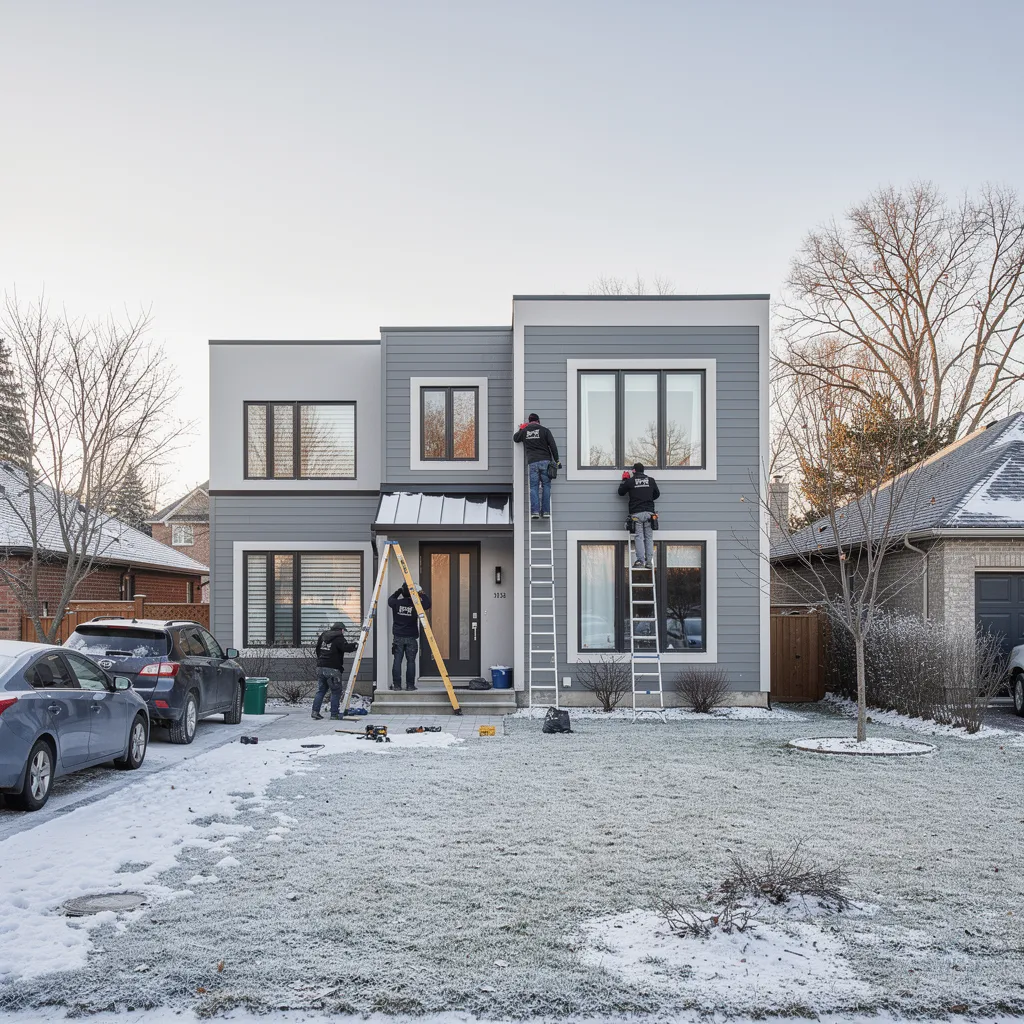
Proper installation is essential to realise the full benefits of James Hardie siding. A methodical approach ensures panels are fitted and sealed to prevent moisture ingress and sustain long‑term performance. We recommend professional installation that follows manufacturer guidelines and local building codes. Alliance Exteriors Inc. provides a comprehensive process with a detailed project review and site assessment to address every element of the job.
What Is the Professional Installation Process for James Hardie Siding by Alliance Exteriors Inc.?
The professional installation process for James Hardie siding by Alliance Exteriors Inc. involves several key steps:
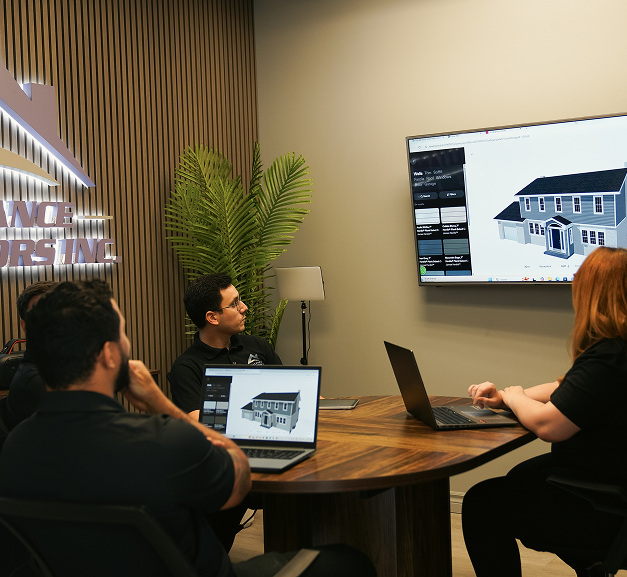
- Project Review : A detailed discussion with the homeowner to understand their needs and preferences.
- Site Assessment : Evaluating the property to determine the best installation approach.
- Quality Checks : Ensuring that all materials meet the required standards before installation begins.
This meticulous process ensures the siding is installed correctly, maximises performance, and delivers a durable, long‑lasting exterior for the homeowner.
Why Is Expert Installation Critical for Maximizing Siding Performance?
Expert installation protects manufacturer warranties by following specified methods. Skilled installers identify and address potential issues such as moisture barriers and proper sealing. Professional workmanship also improves the final appearance, ensuring the siding both performs reliably and presents a refined finish.
Frequently Asked Questions
What are the environmental benefits of using James Hardie siding?
James Hardie siding incorporates recycled content and is manufactured for long service life, which reduces the frequency of replacements and the volume of waste. Its longevity and energy performance can lower heating and cooling costs, further reducing environmental impact. Choosing James Hardie gives homeowners a durable exterior while supporting more sustainable practices.
How does James Hardie siding compare to traditional wood siding?
James Hardie siding offers clear advantages over traditional wood. It resists rot, pests and fire, which reduces maintenance and extends service life. Wood typically requires regular painting or staining; James Hardie maintains its appearance with minimal upkeep. It also withstands extreme weather more effectively, making it a more reliable option across varied climates.
What color options are available for James Hardie siding?
James Hardie siding is available in a broad palette of colours and finishes. It can be supplied pre‑finished or painted on site with high‑quality exterior paint. This flexibility lets homeowners achieve the desired aesthetic while retaining the material’s durability and low maintenance benefits.
Is James Hardie siding suitable for all climates?
Yes. James Hardie siding is engineered to perform in diverse climates. Its fibre‑cement composition resists moisture, extreme temperatures and UV exposure, making it suitable for regions with harsh weather. Whether facing heavy rain, snow or intense heat, James Hardie siding maintains integrity and appearance.
What should homeowners consider when choosing a siding contractor?
When selecting a contractor, prioritise experience, reputation and strict adherence to manufacturer guidelines. Ensure the contractor understands local building codes and has a proven track record of successful installations. Checking reviews and requesting references will help confirm they deliver quality workmanship and client satisfaction.
Can James Hardie siding be installed over existing siding?
While it is technically possible, installing James Hardie over existing siding is not recommended. Proper installation requires a clean, solid substrate to ensure optimal performance and longevity. Leaving old siding in place can trap moisture and lead to issues such as mould or rot. Removing existing siding before installation produces the best results and protects your investment.
What are the key factors influencing the cost of James Hardie siding installation?
Installation cost varies with the size of the home, the complexity of the project and local labour rates. Additional costs may arise from removal of existing siding, preparatory work and repairs to the underlying structure. Obtain multiple quotes and consider the long‑term savings from durability and low maintenance when evaluating costs.
What is the lifespan of James Hardie siding?
When properly maintained, James Hardie siding can exceed 50 years. Its fibre‑cement composition resists warping, cracking and fading. Routine inspections and timely maintenance preserve the siding’s condition and deliver long‑term value for homeowners.
How does James Hardie siding perform in extreme weather conditions?
James Hardie siding is engineered to withstand heavy rain, snow and high winds. The fibre‑cement material resists moisture, reducing the risk of mould and mildew, and it offers fire‑resistant properties. These characteristics make it suitable for regions with harsh climates, including North York and the Greater Toronto Area.
Are there eco-friendly aspects to James Hardie siding?
Yes. James Hardie products incorporate recycled content and are manufactured from durable materials that reduce the need for frequent replacement. The siding’s longevity and energy performance contribute to lower resource consumption and reduced waste over the home’s lifecycle.
What maintenance is required for James Hardie siding?
Maintenance is minimal. Regular visual inspections are recommended, and cleaning with a hose or pressure washer removes dirt and debris. Repainting or refinishing when necessary preserves appearance. The low maintenance burden, combined with durability, suits homeowners seeking a reliable exterior solution.
Can James Hardie siding be painted or stained?
Yes. James Hardie siding can be painted or stained to achieve a desired colour and finish. The product is also available pre‑finished in several colours. Use high‑quality exterior paint formulated for fibre‑cement to ensure optimal adhesion and long‑lasting results.
What are the warranty options for James Hardie siding?
James Hardie offers comprehensive warranties that typically cover defects in materials and workmanship. Warranty periods vary by product and region and can extend up to 30 years, providing homeowners with added confidence in their investment.
How does the installation process affect the performance of James Hardie siding?
Proper installation is critical to prevent moisture infiltration and to meet manufacturer specifications. Professional installers follow best practices and local codes, which helps ensure optimal performance and extends the siding’s service life.
Conclusion
James Hardie siding delivers a combination of durability, aesthetic quality and long‑term value that appeals to homeowners seeking a reliable exterior solution. Its resistance to weather and pests, together with lower maintenance demands, supports sustained performance. Professional installation by firms such as Alliance Exteriors Inc. helps ensure you realise these benefits and protect your investment.
What Makes James Hardie Fiber Cement Siding a Durable Exterior Solution?
James Hardie fibre‑cement achieves durability through its engineered composition. The material resists moisture and limits conditions that lead to mould and mildew. With correct maintenance, the siding’s service life can exceed 50 years, and it is designed to withstand severe weather such as high winds and heavy snowfall.
How Does Fiber Cement Material Enhance Longevity and Weather Resistance?
Fibre‑cement’s robust construction prevents warping and cracking under extreme temperatures, unlike traditional wood siding. The material offers fire resistance and is treated to resist UV‑related fading, helping the siding retain colour and appearance over time.
Why Is James Hardie Siding Preferred for North York and GTA Climates?
James Hardie siding performs well in North York and the Greater Toronto Area because it tolerates freeze‑thaw cycles and prolonged moisture exposure. The engineered composition is designed to handle the region’s varied weather, giving homeowners confidence that their siding will perform year‑round.
The material's specific composition, including elements like cellulose fibres, plays a vital role in its ability to withstand challenging weather conditions.
Cellulose Fibers Enhance Fiber Cement Freeze-Thaw Resistance
Fiber cement board and the effects of pressure treatment • 9% cellulose fibers by mass • Cellulose fibers increase freeze‑thaw resistance. Natural Fiber Reinforced Concrete, 2007
How Does James Hardie Siding Compare to Vinyl and Other Siding Materials?
Compared with vinyl and other common siding materials, James Hardie offers superior durability and weather resistance. Vinyl can be prone to warping and fading over time, while fibre‑cement maintains stability and finish. Although vinyl often costs less initially, James Hardie typically delivers better long‑term value through reduced repair and replacement needs.
What Are the Cost and Value Differences Between James Hardie and Vinyl Siding?
The primary difference is upfront cost versus lifecycle value. James Hardie generally requires a larger initial investment but offers greater long‑term value because of its durability and low maintenance. Homeowners may recover value through improved property appeal and reduced repair expenses compared with vinyl.
What Are the Maintenance and Warranty Benefits of Choosing James Hardie Siding?
Choosing James Hardie siding reduces ongoing maintenance requirements. Routine inspections are recommended to preserve performance. In addition, comprehensive warranties covering material and workmanship provide homeowners with assurance and financial protection over time.
Which Color and Design Options Are Available for James Hardie Fiber Cement Siding?
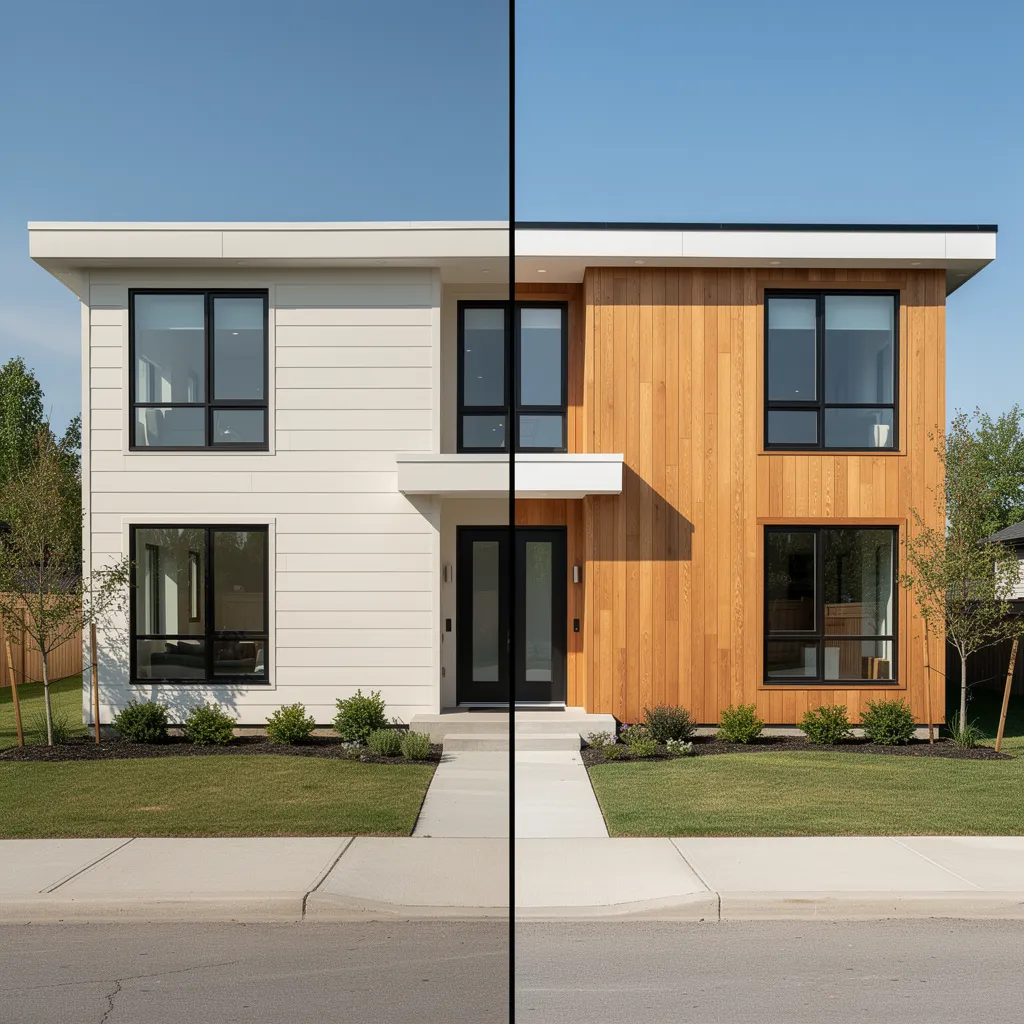
James Hardie fibre‑cement siding is available in a broad palette of colours and multiple design profiles. It can be supplied pre‑finished or painted on site, enabling homeowners to match architectural style and personal preference while benefiting from the material’s durability.
How Do Color Choices Enhance Curb Appeal and Home Value?
Thoughtful colour selection improves curb appeal and can increase market value. Homes with coordinated exterior schemes tend to attract more buyers. James Hardie’s extensive colour options allow homeowners to choose hues that reflect personal taste and current design trends, enhancing the property’s presentation.
What Design Styles Complement James Hardie Siding for Modern Exteriors?
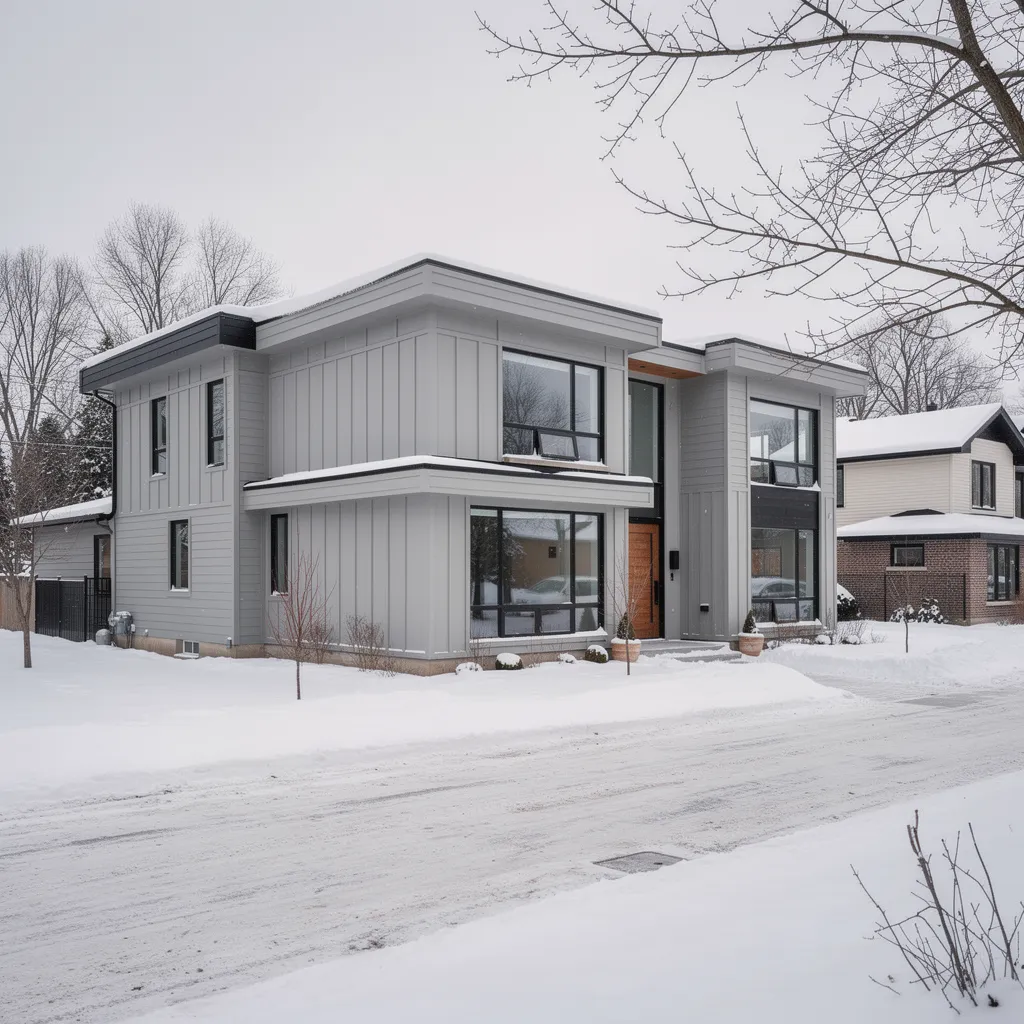
James Hardie siding complements a wide range of design styles. It can achieve the look of painted or stained wood while delivering superior durability, making it suitable for contemporary designs with clean lines as well as more traditional façades.
To explore the full range of options and benefits, consider James Hardie siding installation services.
Conclusion
James Hardie siding is a leading exterior choice for homeowners who prioritise durability, low maintenance and strong aesthetic results. Investing in this fibre‑cement solution can reduce long‑term costs and preserve your home’s appearance. Professional installation by experienced contractors such as Alliance Exteriors Inc. ensures the product performs as intended and protects your investment. Explore professional installation options to determine how James Hardie siding can improve your home.