Key Factors for Choosing Aluminum vs. Metal Siding
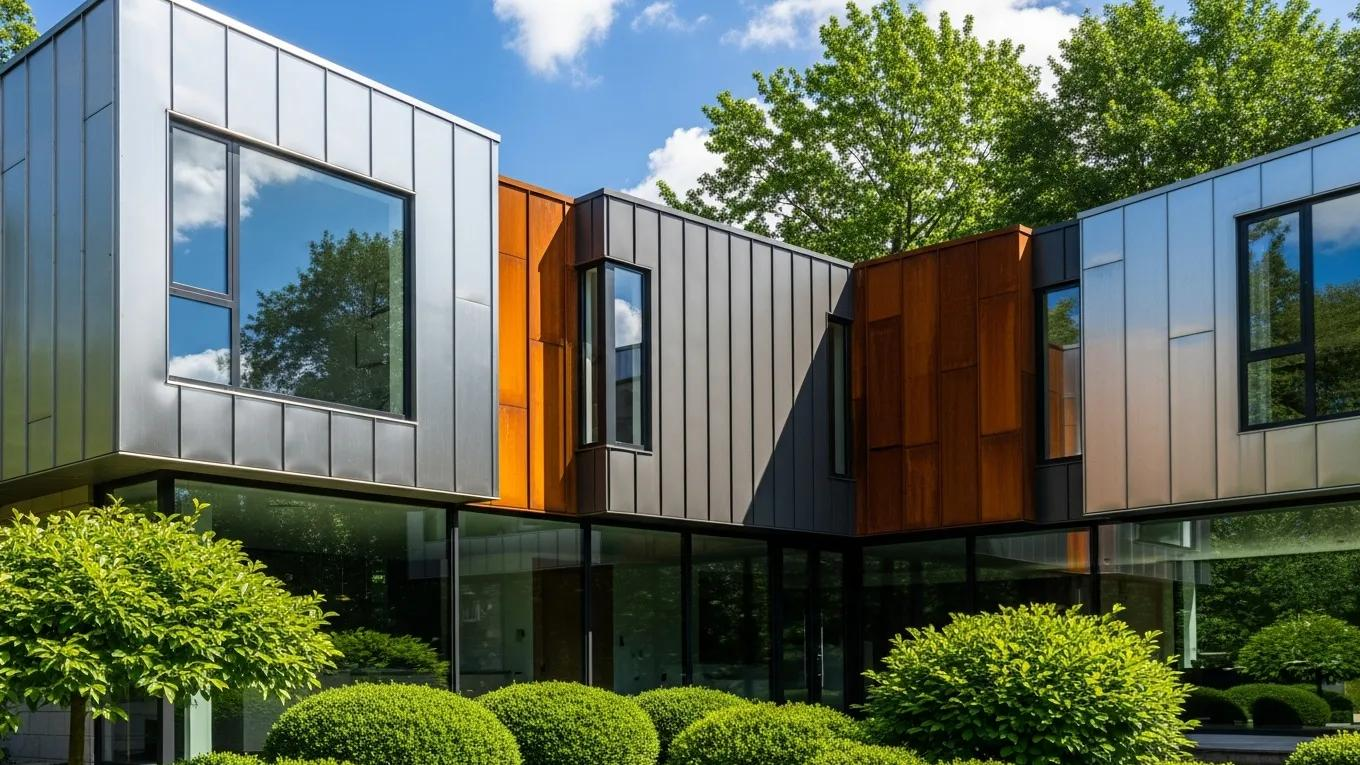
Key Considerations for Choosing Between Aluminum and Metal Siding for Your Home

Selecting the right siding affects your home’s durability, appearance and thermal performance. Aluminum and metal siding are leading choices because of their strength and longevity. Homeowners must compare durability, cost-effectiveness, aesthetics, insulation and maintenance to determine the best fit for their property. This guide examines those factors to help you choose siding suitable for homes in North York and the Greater Toronto Area. It also outlines how Alliance Exteriors Inc. can deliver professional siding installation to improve your home’s exterior.
When choosing between aluminum and metal siding for your home, consider the following key factors:
Durability

Durability is a primary consideration for siding selection. Aluminum resists corrosion and moisture, allowing for decades of reliable protection with minimal intervention. Metal siding offers high impact strength but can dent or scratch more readily if not specified or installed to resist such damage. Overall, aluminum typically provides longer service life than many conventional metal options. Alliance Exteriors Inc. offers precise installation practices designed for North York’s environmental conditions to maximise lifespan and performance.
Cost-Effectiveness

Budgeting should account for both upfront and lifetime costs. Aluminum often comes with a higher initial material price but can deliver lower long-term expenditure because of reduced maintenance and longer service intervals. Compare installation costs alongside projected upkeep to determine total value. Alliance Exteriors provides competitive quotes and clear cost breakdowns so clients can select the most economical solution for their objectives. Here’s a quick comparison of the cost-effectiveness of aluminum and metal siding:
ProductBenefitCostAluminum SidingLong-lasting, low maintenanceHigher upfrontMetal SidingAffordable initial cost but higher maintenanceLower upfront
Reviewing both initial and ongoing expenses will help you make the most cost-effective choice for your budget.
Cost-Effectiveness & Sustainability of Building Siding Materials
Construction faces increasing scrutiny for its environmental impact, and there is a growing shift toward sustainable materials. This chapter analyses cost-effectiveness and market adoption of sustainable alternatives compared with conventional materials. Economic viability was evaluated across the life cycle—extraction, production, use and end-of-life—using a multidisciplinary approach. The study compares renewable and recycled materials with traditional ones in relation to raw material availability, manufacturing processes and long-term durability. It also identifies barriers—economic, regulatory and sociocultural—that limit wider adoption of sustainable building materials. Finally, the chapter outlines recommendations for policymakers, industry stakeholders and researchers to overcome these barriers and accelerate transition to a more sustainable built environment.
Cost-Effectiveness and Market Adoption of Sustainable Building Materials: An Analysis of Comparative Economic Viability and Barriers to Industry Integration, A Elyamany, 2025
Aesthetics
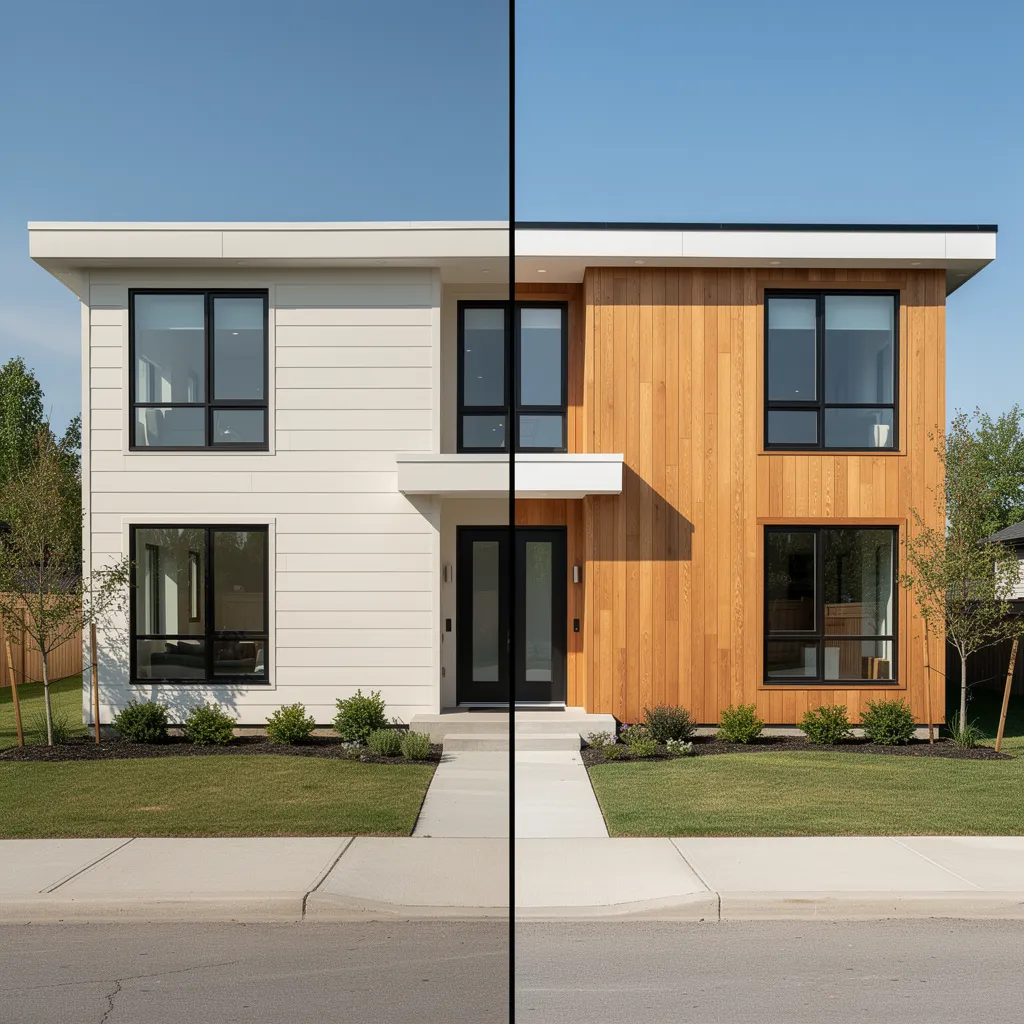
Appearance influences property value and curb appeal. Aluminum offers a broad palette of colours and finishes and accommodates various architectural styles. Metal siding can also deliver strong visual impact but may be less versatile in some finishes. Consider how each material integrates with neighbourhood character and current design trends when selecting a finish and profile.
Insulation Properties
Thermal performance is crucial for energy savings. Aluminum’s reflectivity can reduce heat gain in summer, while metal systems provide effective thermal resistance when coupled with appropriate insulation layers. Proper installation of insulation and air barriers is essential for both types to achieve measurable reductions in heating and cooling costs.
Maintenance Requirements
Maintenance commitments differ between materials and will affect lifecycle costs. Aluminum typically requires less frequent cleaning and resists significant fading. Metal siding may need routine inspections and touch-ups to prevent rust and repair scratches. The following checklist outlines common care steps to protect your investment:
- Cleaning Frequency: Aluminum siding can typically be cleaned once a year, while metal may require bi-annual upkeep.
- Inspection for Damages: Regularly inspect both types for dents or scratches, particularly after severe weather.
- Long-Term Care: Consider applying protective coatings to prolong the lifespan of your siding.
What Are the Durability Differences Between Aluminum and Metal Siding?
Both materials offer clear benefits. Aluminum excels at resisting moisture and corrosion, making it well suited to wet climates. Steel and other metal sidings provide strong impact resistance but are vulnerable to rust if coatings are compromised. Assess these traits against local climate and exposure to determine the better long-term solution for your property.
How Does Aluminum Siding Resist Rust and Weathering?
Aluminum forms a natural oxide layer that protects the base metal from moisture and environmental attack. Many quality aluminium products also carry factory-applied coatings or paint systems that add UV and abrasion resistance, further extending service life and reducing maintenance requirements.
What Maintenance Does Metal Siding Require to Ensure Longevity?
Metal siding performs well when maintained. Conduct annual inspections to identify rust, paint deterioration or scratches and address them promptly. Routine cleaning with a mild detergent and water prevents grime build-up that can accelerate corrosion. Timely repairs and protective coatings preserve both function and appearance.
How Do Aluminum and Metal Siding Compare in Cost and Budget Considerations?
Lifetime cost assessment should include installation, maintenance and expected service life. Certain metal options may cost less up front but can incur higher maintenance and repair expenses. A comprehensive cost comparison helps ensure your siding choice aligns with long-term financial goals.
What Are the Initial Installation Costs for Aluminum Versus Steel Siding?
Installation costs vary by product and site conditions. Aluminum siding generally carries a higher upfront material cost but lower maintenance over time. Typical installation ranges for aluminum run from $3.00 to $7.00 per square foot, while metal siding installations commonly range from $2.50 to $5.50 per square foot, depending on material and finish.
How Do Long-Term Maintenance Costs Affect Total Investment?
Maintenance expectations materially affect total investment. Aluminum’s lower maintenance frequency tends to reduce long-term costs. Metal siding may require more frequent upkeep—painting, rust prevention and repairs—so include those recurring expenses when calculating total lifecycle cost.
Which Siding Is Best Suited for North York and Greater Toronto Area Climates?
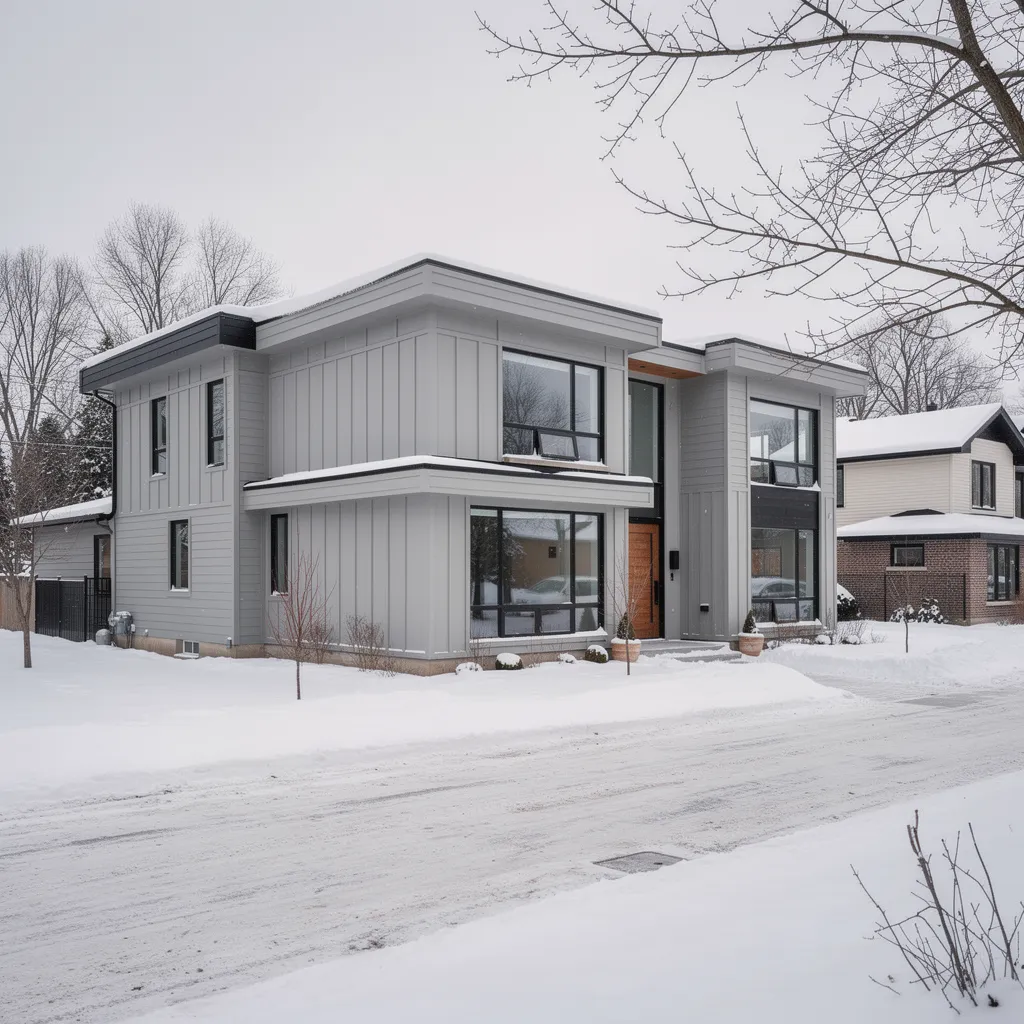
North York and the GTA experience cold winters and warm summers. Both siding types can perform well when specified correctly, but aluminum’s corrosion resistance and reflective qualities often provide practical advantages in this climate. Proper insulation and installation will further enhance seasonal comfort and energy performance.
How Does Regional Weather Affect Aluminum and Metal Siding Performance?
Local weather patterns directly influence material performance. High-humidity or coastal conditions favour aluminium for its corrosion resistance, while metal siding may require more vigilant maintenance in the same conditions. Understanding local exposures helps select the most durable and cost-effective option.
What Are the Local Building Requirements for Exterior Siding in the GTA?
Building regulations in the GTA address wind load, fire performance and energy efficiency among other criteria. Review local codes or consult Alliance Exteriors to confirm your chosen siding meets current standards and permit requirements before installation.
What Are the Energy Efficiency and Insulation Benefits of Aluminum Versus Metal Siding?
Both material classes contribute to energy efficiency when combined with suitable insulation and air barriers. Aluminum’s reflective surface can reduce solar heat gain, while insulated metal panels can deliver high thermal resistance. Choosing the right assembly and professional installation is key to achieving measurable energy savings.
How Do Insulation Properties Differ Between Aluminum and Metal Siding?
Insulation performance depends on the complete wall system rather than the cladding alone. Aluminum systems typically benefit from reflective properties and perform well with added insulation. Metal siding can achieve comparable thermal performance when paired with appropriate insulation and installation methods. Evaluate product specifications and installation options to meet your energy objectives.
Can Aluminum or Metal Siding Contribute to Sustainable Home Builds?
Sustainability is an important consideration. Aluminum is highly recyclable and often presents a lower environmental impact at end of life compared with some metal systems. Energy-saving characteristics of well-specified siding reduce operational carbon emissions, and these attributes can enhance a property’s marketability and long-term value.
What Is the Installation Process and Timeline for Aluminum Compared to Metal Siding?
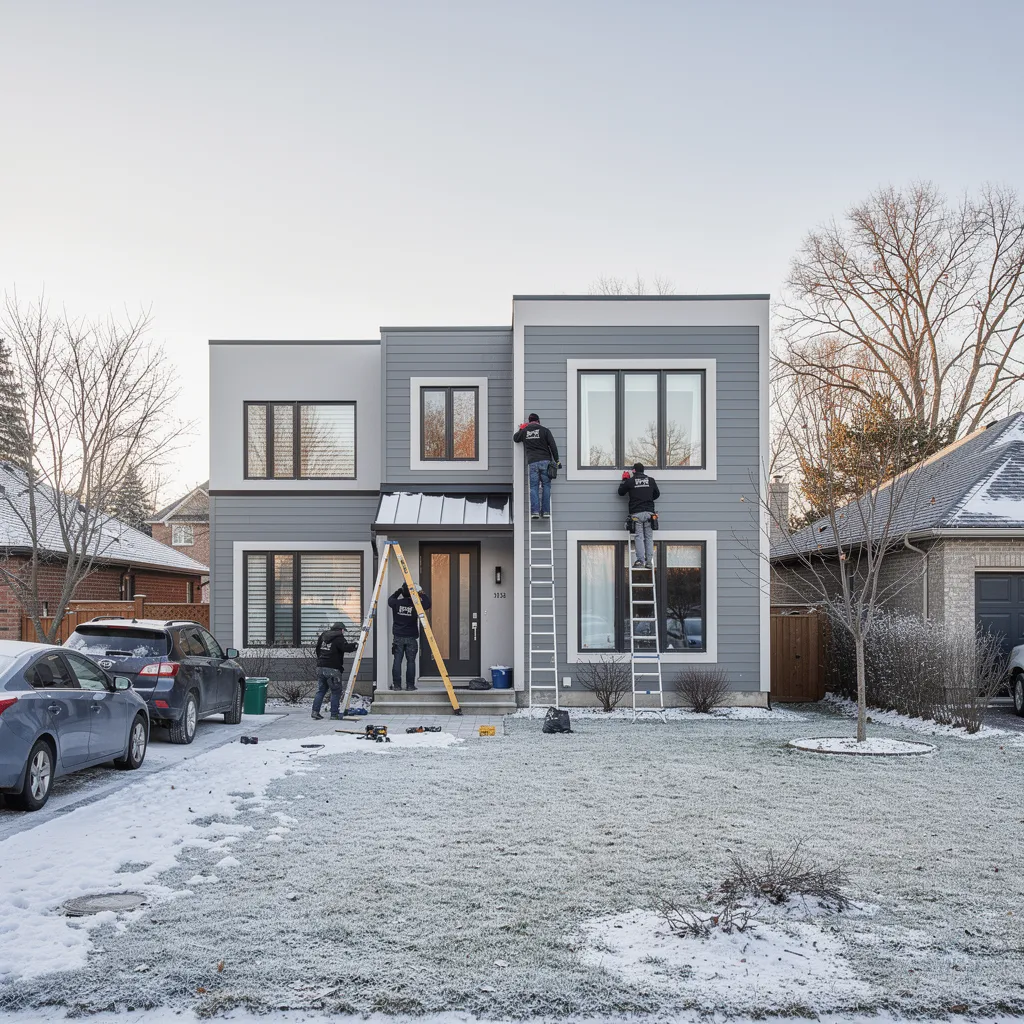
Installation steps for aluminum and metal siding are similar but may vary in complexity. The process includes assessment, material selection, site preparation, precise installation and final inspection. Project duration depends on home size, detailing and weather conditions.
What Are the Steps Alliance Exteriors Inc. Takes for Professional Siding Installation?
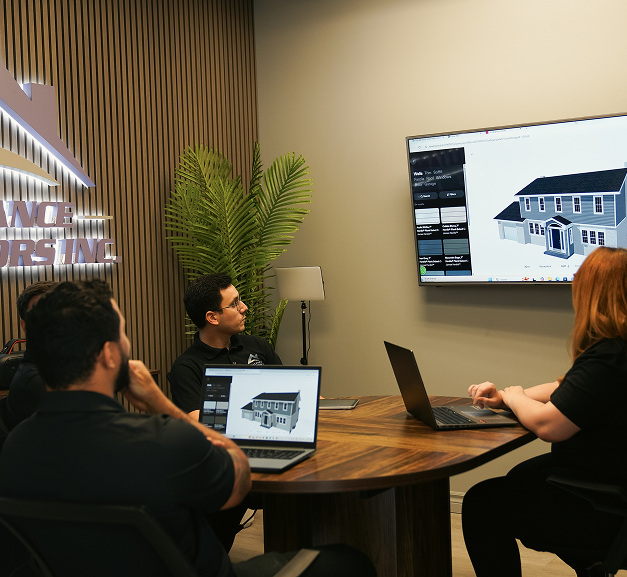
- Initial Consultation: Assessing homeowner needs and preferences.
- Material Selection: Guiding clients toward suitable siding options.
- Site Preparation: Ensuring the location is ready for installation.
- Professional Installation: Expertly installing the chosen siding with attention to detail.
- Final Inspection and Clean-Up: Reviewing the completed work and ensuring customer satisfaction.
How Long Does Each Siding Type Typically Take to Install?
Timelines vary with project size and complexity. Typical aluminum siding installations take about 1–2 weeks. Metal siding schedules can vary more widely depending on material type, detailing and weather; some projects may extend beyond that window.
What Alternatives Exist Beyond Aluminum and Metal Siding for Home Exterior Upgrades?
If aluminium or metal are not ideal, several alternative cladding systems may better meet your aesthetic, maintenance or sustainability goals. Options span fibre cement, engineered wood and composite systems, each with distinct performance and style characteristics.
How Does James Hardie Fiber Cement Siding Compare in Durability and Style?
James Hardie fibre cement is known for its durability against weather, pests and rot, and it offers a wide range of styles and colours. Unlike some metal systems, fibre cement provides extensive aesthetic flexibility and is non-combustible, which can be advantageous in fire-prone areas. For homeowners seeking a durable, customisable alternative, consider reviewing James Hardie fiber cement siding as a practical option that balances performance and appearance.
When Should Homeowners Consider Other Exterior Cladding Options?
Consider alternatives when specific design goals, maintenance expectations or sustainability targets cannot be met by aluminium or metal. Local codes, projected energy savings and resale impact should guide the decision. Consulting experienced contractors ensures all viable options are assessed for the best outcome.
Frequently Asked Questions
What are the environmental impacts of aluminum and metal siding?
Both materials have distinct environmental footprints. Aluminum is highly recyclable and can lower waste at end of life. Some metal products have more energy-intensive manufacturing processes. Reflective aluminium can also reduce energy use by lowering solar heat gain. Assess lifecycle impacts and operational energy savings when choosing a sustainable option.
How can homeowners enhance the energy efficiency of their siding?
Boost energy performance by installing insulation behind the cladding and selecting insulated siding systems. Reflective barriers and properly sealed installations reduce heat gain and air leakage. Professional installation ensures the envelope performs as specified and maximises long-term savings.
Are there specific brands known for high-quality aluminum or metal siding?
Several manufacturers are recognised for quality aluminium and metal sidings. For aluminium, brands such as Alcoa and CertainTeed are frequently recommended. For metal siding, Steel Structural and Rigidized Metals are noted for robust designs and finishes. Review warranties, technical specifications and customer feedback when evaluating brands.
What should I consider when hiring a contractor for siding installation?
Evaluate a contractor’s experience, reputation and recent project examples. Obtain multiple quotes to compare scope and pricing. Confirm they hold the necessary licences and insurance. Checking references and reviewing past work helps ensure you hire a reliable team that delivers quality workmanship.
How do climate variations influence siding material performance?
Climate affects material longevity and maintenance needs. Wet climates favour corrosion-resistant aluminium, while metal siding may require more frequent inspection and protection against corrosion. In hot climates, reflective aluminium can reduce cooling demand. Match material selection to local environmental conditions for best results.
What kind of warranty should I expect with siding installation?
Material warranties typically range from 20 to 50 years, depending on the product and manufacturer. Workmanship warranties from contractors commonly span 1 to 10 years. Review warranty terms carefully to understand coverage, exclusions and any maintenance requirements to keep warranties valid.
Can I install siding over existing materials?
Installing siding over existing cladding—known as an overlay—is often possible and can reduce removal costs. The existing substrate must be sound, and an appropriate moisture barrier should be installed between layers. A professional assessment will determine whether an overlay is suitable for your home.
Conclusion
Understanding the trade-offs between aluminium and metal siding will help you secure long-term performance, aesthetic value and energy savings. Both materials have advantages; the optimal choice depends on climate, maintenance tolerance and budget. Partnering with a knowledgeable contractor like Alliance Exteriors Inc. ensures professional installation and results that meet site conditions and client expectations. Begin evaluating your options now to enhance your home’s exterior and long-term value.