James Hardie Siding Advantages for Homeowners in Toronto
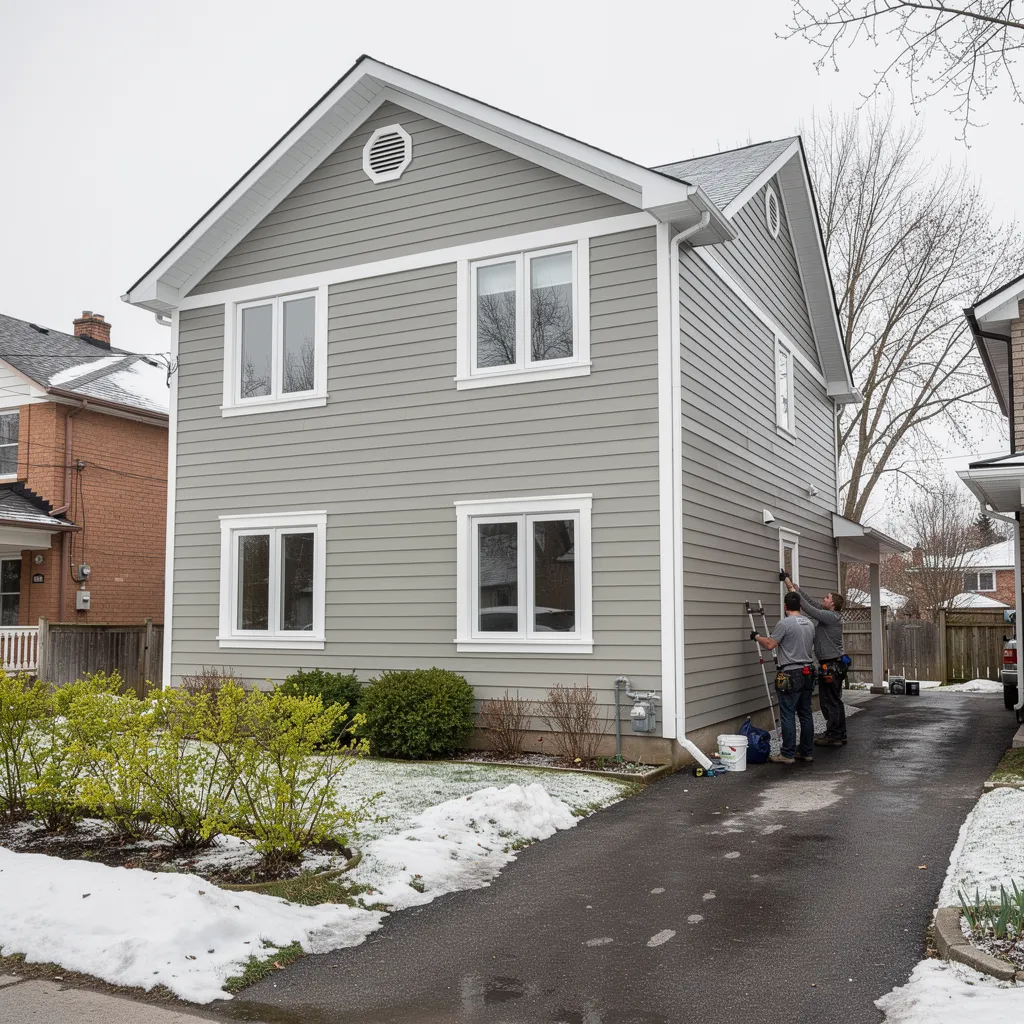
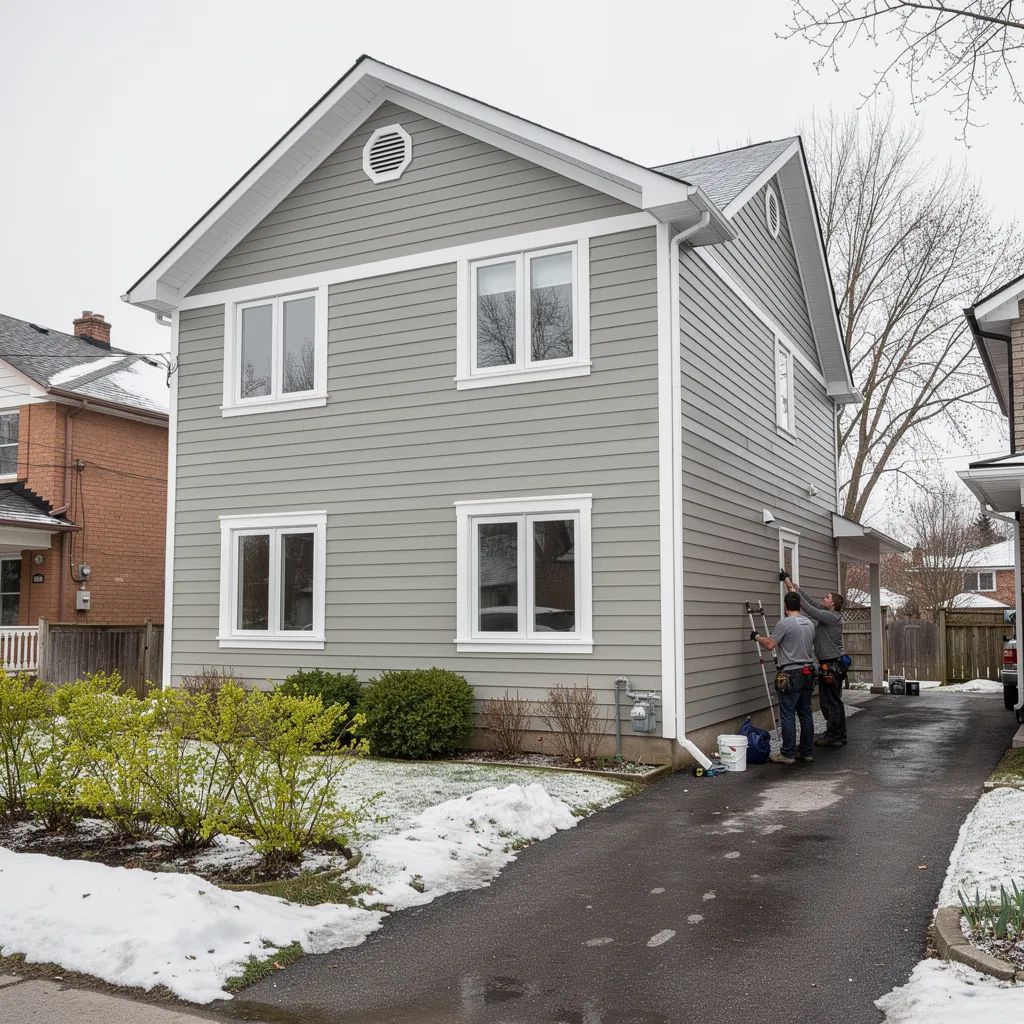
James Hardie fiber cement siding gives Toronto homeowners fire-resistant, moisture-resistant, pest-resistant protection engineered for harsh Canadian winters and humid summers. It holds paint longer than wood, resists warping, and carries lasting curb appeal. Alliance Exteriors Inc., a James Hardie Certified Installer serving Toronto and the GTA, installs these systems to manufacturer specifications with warranty-backed craftsmanship.
Why Does Toronto's Climate Demand Resilient Siding?
Toronto's weather swings from icy, snow-heavy winters to humid, storm-prone summers, and exterior cladding absorbs the brunt of that punishment year-round. Freeze-thaw cycles crack weak materials, lake-effect moisture seeps into seams, and wind-driven rain tests every joint on a home's exterior. Homeowners who skip resilient materials risk warping, rot, and costly repairs long before a siding system should show wear. This is precisely why fiber cement construction, engineered to resist fire, water, weather, and pests, matters so much for Toronto properties.
What Weather Challenges Does Siding Face in Toronto?
Toronto exteriors face several recurring stressors each year:
- Freeze-thaw cycling that expands and contracts vulnerable materials
- Heavy spring and summer rainfall that drives moisture into unsealed seams
- High humidity swings that encourage mold, warping, and pest activity
- UV exposure during long summer days that fades weaker claddings
Each factor compounds over time, shortening the lifespan of siding not built for Toronto's conditions.
Why Choose James Hardie for Toronto Homes?
James Hardie siding stands as North America's leading siding brand, recognized for combining proven beauty with lasting resilience against exactly these pressures. Fiber cement construction won't ignite, resists moisture infiltration, and holds little appeal for insects, making it a durable match for Toronto's demanding seasonal extremes. Homeowners gain a genuine James Hardie siding advantage: a product engineered to outperform standard claddings under repeated freeze-thaw and moisture cycles.
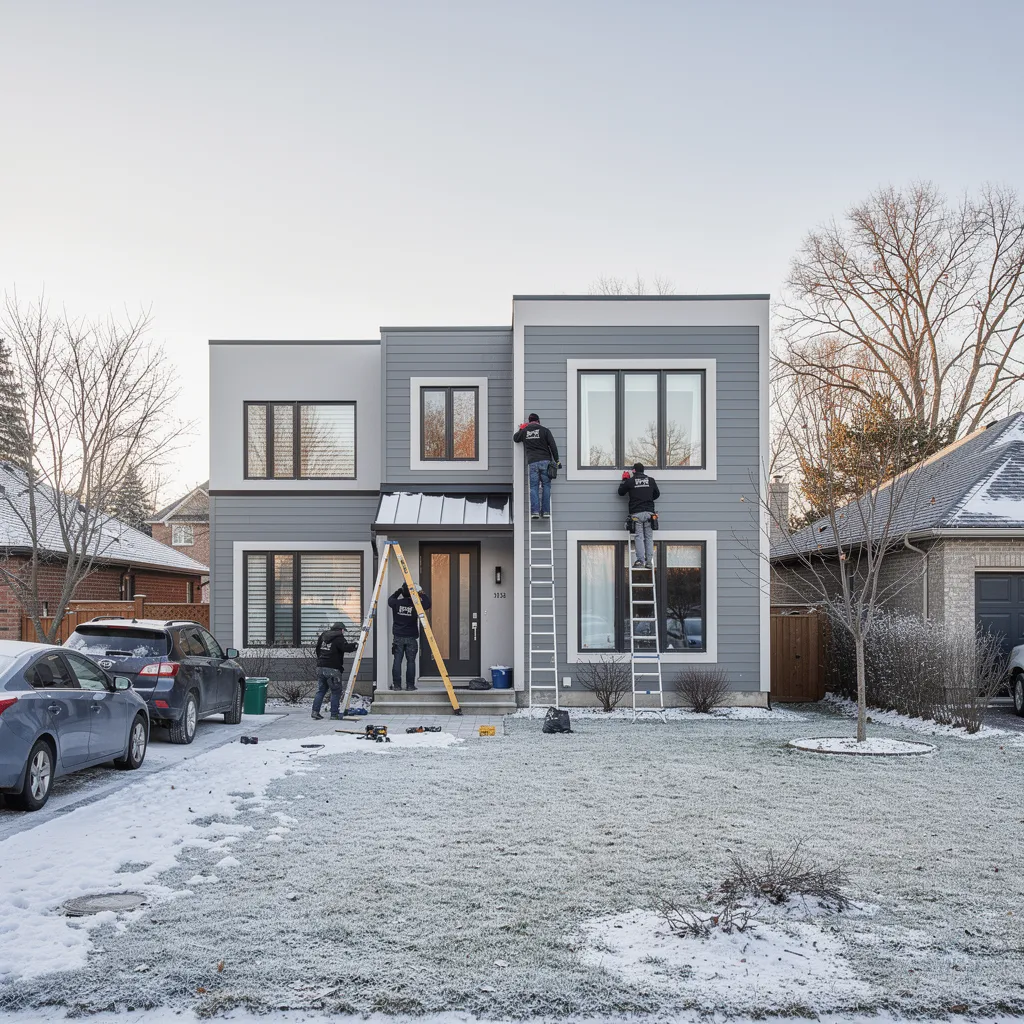
Alliance Exteriors Inc., a North York, Ontario-based James Hardie Certified Installer, brings certified installation expertise directly to Toronto properties. That local proximity means faster scheduling, precise workmanship, and siding systems built specifically for the city's climate demands.
How Does James Hardie Resist Fire, Moisture, and Weather?
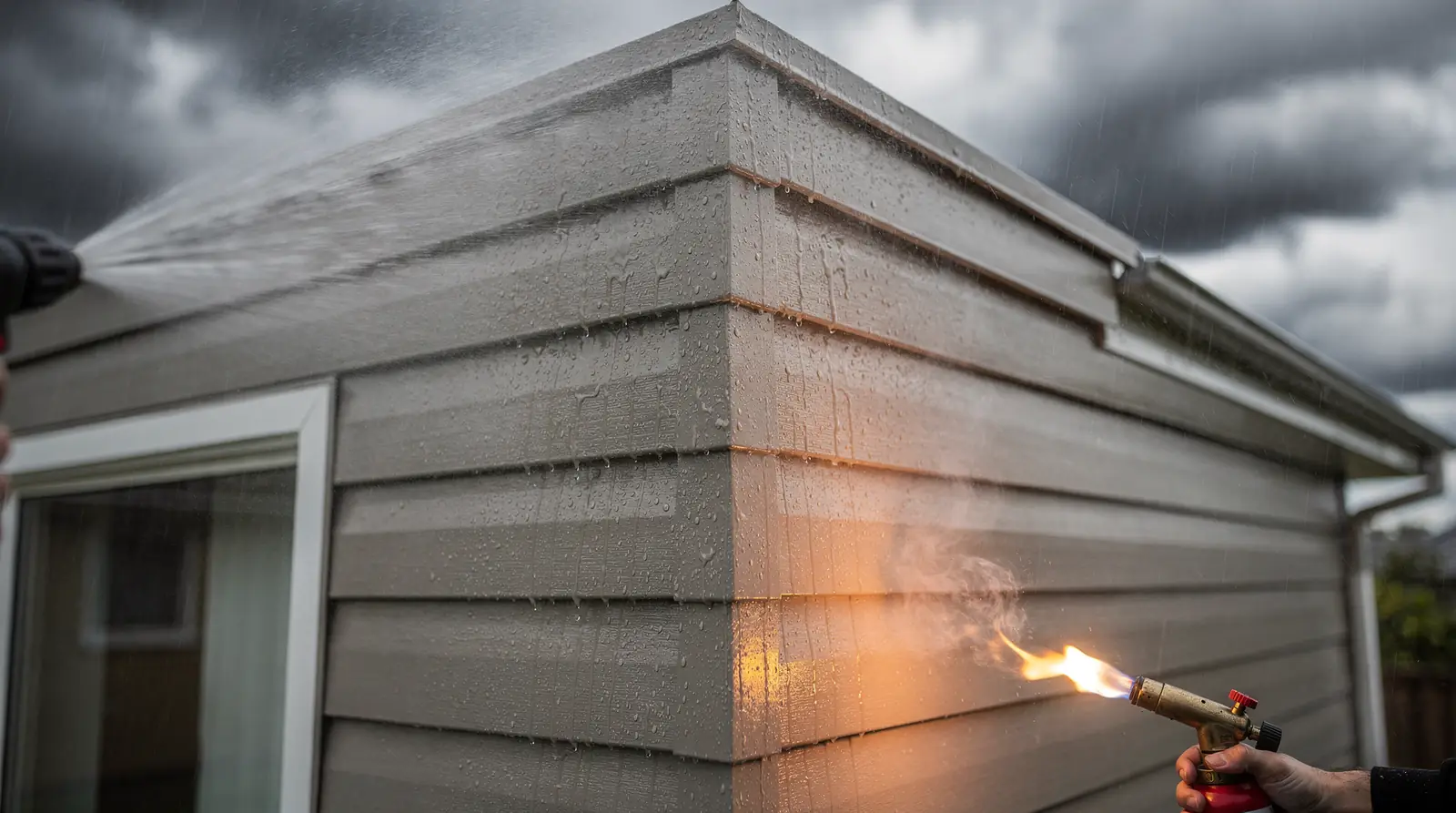
Fire resistance sets fiber cement apart from vinyl and wood alternatives. James Hardie siding will not ignite when exposed to a direct flame. It does not add fuel to a fire the way combustible cladding can. For Toronto homeowners weighing exterior materials against harsh winters and unpredictable storms, that distinction carries real weight. A compromised exterior invites structural damage, mold growth, and costly repair bills that stack up fast.
Why does fiber cement handle Toronto winters so well?
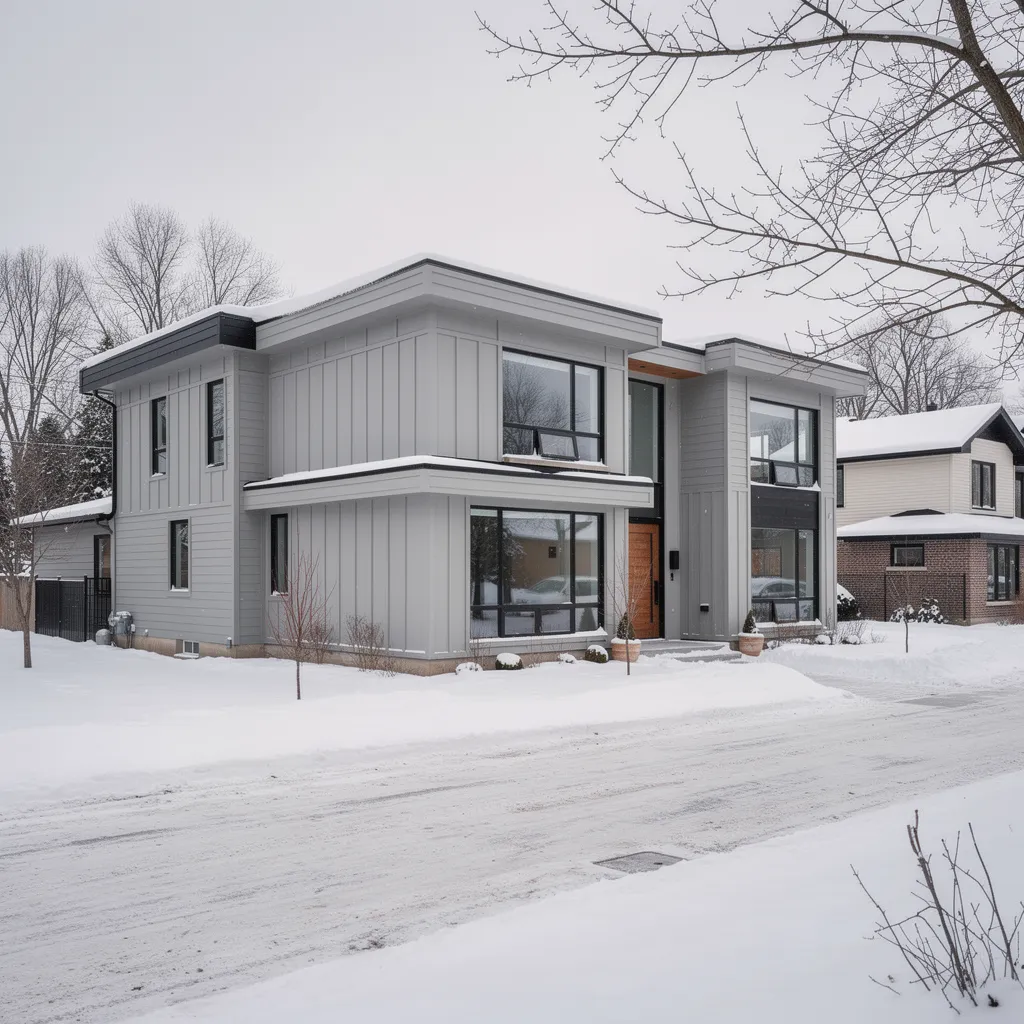
Toronto's climate swings from humid summers to freezing, snow-heavy winters, and siding needs to survive both extremes without warping. Fiber cement is engineered to resist water and humidity, standing up to rain, sleet, and snow rather than absorbing it. That moisture resistance matters most during freeze-thaw cycles, when trapped water expands and cracks weaker materials.
Does James Hardie siding attract pests?
Fiber cement holds little appeal for insects, unlike wood siding that termites and carpenter ants readily target. Toronto homeowners avoid the recurring pest treatments and rot repairs that plague untreated wood exteriors.
Several of these James Hardie Siding Advantages for Homeowners trace back to one engineering principle: climate-specific design.
Threat
James Hardie Response
Fire exposure
Won't ignite from direct flame; adds no fuel
Humidity, rain, sleet, snow
Engineered to resist water absorption
Insects and pests
Holds little appeal for common pests
Regional weather extremes
Built through an Engineered for Climate approach
That last point matters for Toronto specifically. Hardie products are developed for the weather conditions of a given region, not a one-size-fits-all national spec. Alliance Exteriors Inc. installs these systems to manufacturer standards for Toronto homes, giving clients siding built to hold up against exactly the freeze, thaw, and precipitation patterns Toronto delivers year after year.
How Long Does James Hardie Siding Actually Last?
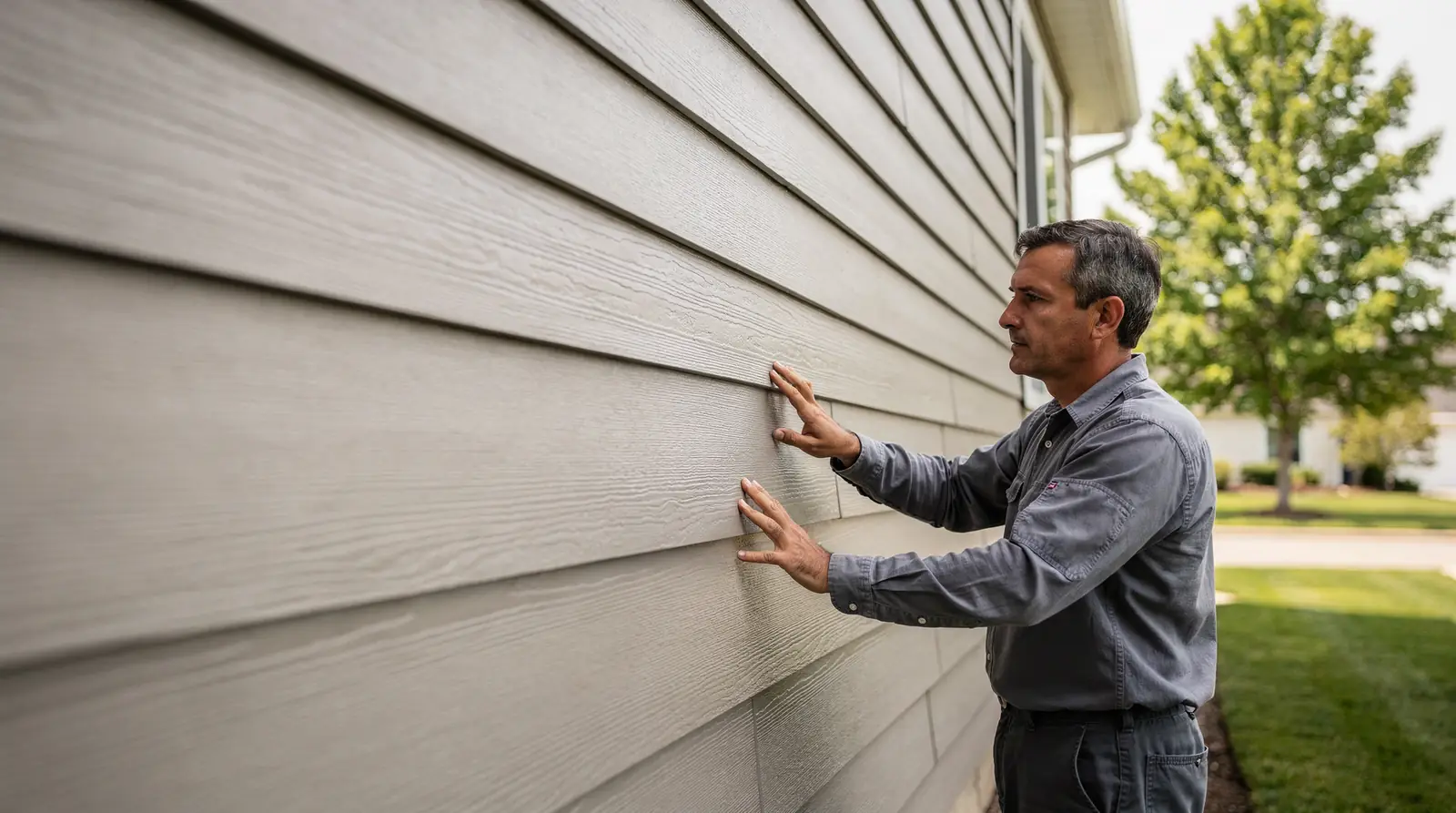
James Hardie siding is designed for long-lasting performance when properly installed and maintained. Toronto homes battling harsh winds off Lake Ontario, humid summers, and brutal winter freeze-thaw swings need that kind of durability, not a five-year patch job. Among the clearest James Hardie siding advantages for homeowners in Toronto is durability engineered specifically for punishing climate extremes.
Fiber cement composition explains why this material outperforms vinyl and wood alternatives across Toronto's seasons. The dense makeup resists strong rain, hail, ice storms, and violent winds. Exactly the conditions that define a Toronto winter into spring transition. Snow accumulation and intense summer humidity, both routine in the region, cause minimal wear over time.
Why does siding lifespan matter for Toronto homeowners specifically?
Toronto's freeze-thaw cycle expands and contracts building materials dozens of times each winter. Weak siding cracks, warps, or lets moisture penetrate during these swings, triggering rot long before its expected service life ends. Durable fiber cement resists that cycle instead of succumbing to it, protecting the structure underneath.
Choosing resilient siding also protects a homeowner's budget over time:
- Avoids premature replacement — deteriorating exteriors showing rot or storm damage often force costly early tear-outs.
- Reduces maintenance cycles — resistant materials need less frequent repair after harsh Toronto winters.
- Preserves curb appeal — siding holding its finish over time keeps resale value intact.
Skipping investment in weather-resistant materials creates a cycle of recurring damage. Toronto homeowners who delay replacement on failing exteriors often face rot, warping, and rising repair bills that a durable system prevents from the start.
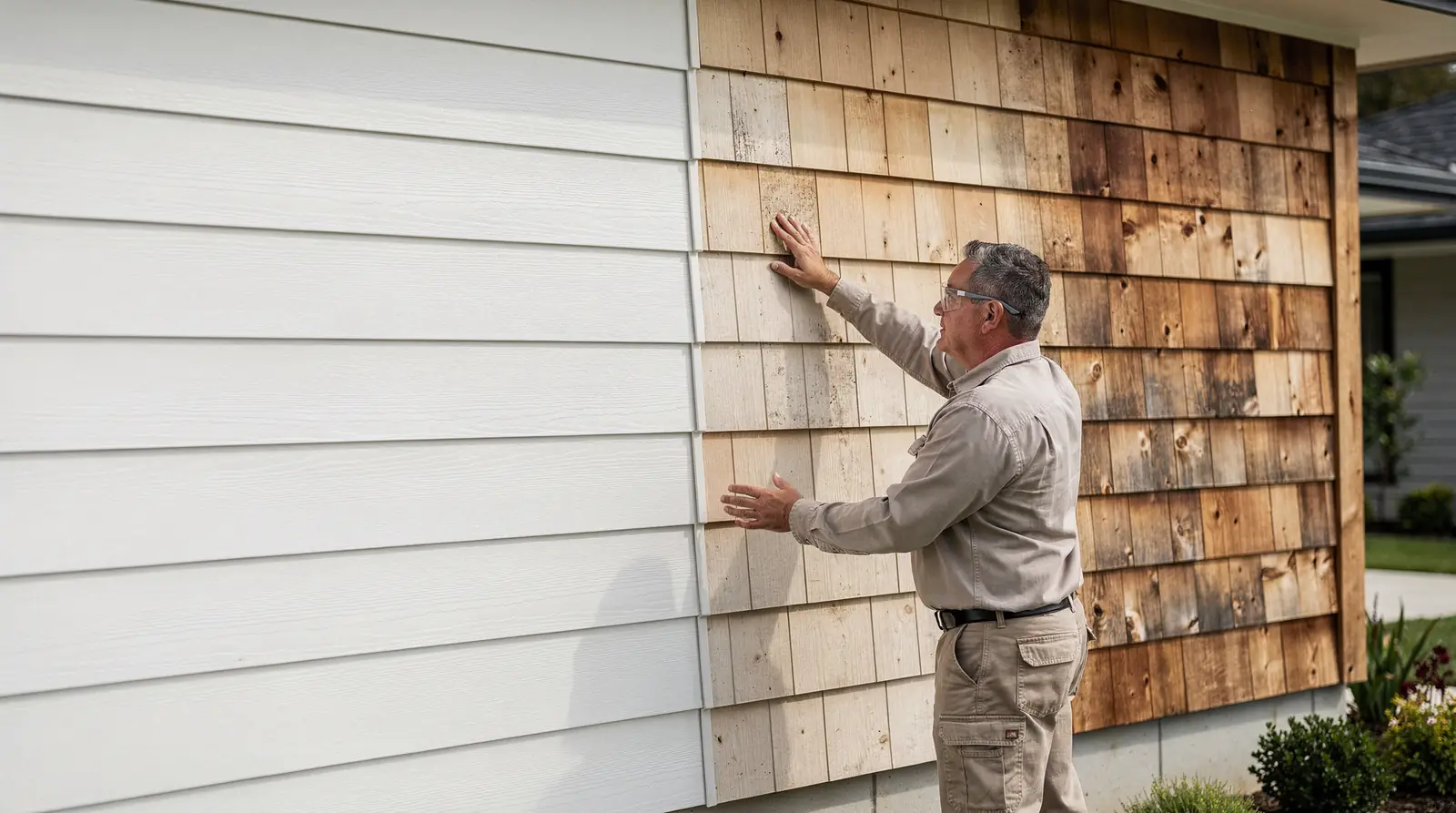
How Does Hardie Compare to Vinyl and Wood Siding?
Fiber cement outperforms vinyl and wood on the protection factors that matter most for Toronto exteriors. Winters swing from freezing rain to deep cold, then summers bring humidity and sudden storms. Conditions that expose the weaknesses in softer siding materials fast.
Vinyl siding remains one of the most widely installed exterior products, prized for its range of colors and styles. Popularity, however, does not equal protection. Vinyl panels soften and warp under direct heat, and during fire exposure they melt almost instantly rather than resisting flame. Wood siding fares no better under fire conditions; flames consume it as fuel instead of stopping at the surface. Fiber cement behaves differently. James Hardie fiber cement will not burn, giving Toronto properties a layer of protection that vinyl and wood simply cannot match.
Material
Fire Behavior
Common Weak Point in Toronto's Climate
Vinyl
Melts almost instantly
Cracks, warps under freeze-thaw cycles
Wood
Fuels and feeds the flame
Rot, moisture absorption, repainting needs
Fiber Cement (Hardie)
Will not burn
Engineered for long-term climate resilience
Does Vinyl Siding Perform as Well as Fiber Cement in a Fire?
No. Vinyl melts almost instantly when exposed to flame, offering little barrier protection. Fiber cement resists ignition entirely, a distinction that matters for insurance considerations and long-term home safety alike.
Is Wood Siding a More Sustainable Choice Than Fiber Cement?
Not by comparison. Wood siding demands ongoing maintenance and replacement cycles that consume more resources over a home's lifetime. James Hardie's fiber cement formulation supports sustainably built homes, giving Toronto homeowners a durable, lower-impact alternative to traditional wood cladding. Alliance Exteriors Inc. installs these systems to manufacturer specification across Toronto and the surrounding GTA.
What's the Next Step for Toronto Homeowners?
A siding project moves forward in two stages: design planning and technical protection. Toronto homeowners exploring exterior renovation start with a consultation that maps out material choice, then move into the practical work of sealing the building envelope against Toronto's freeze-thaw winters and humid summers.
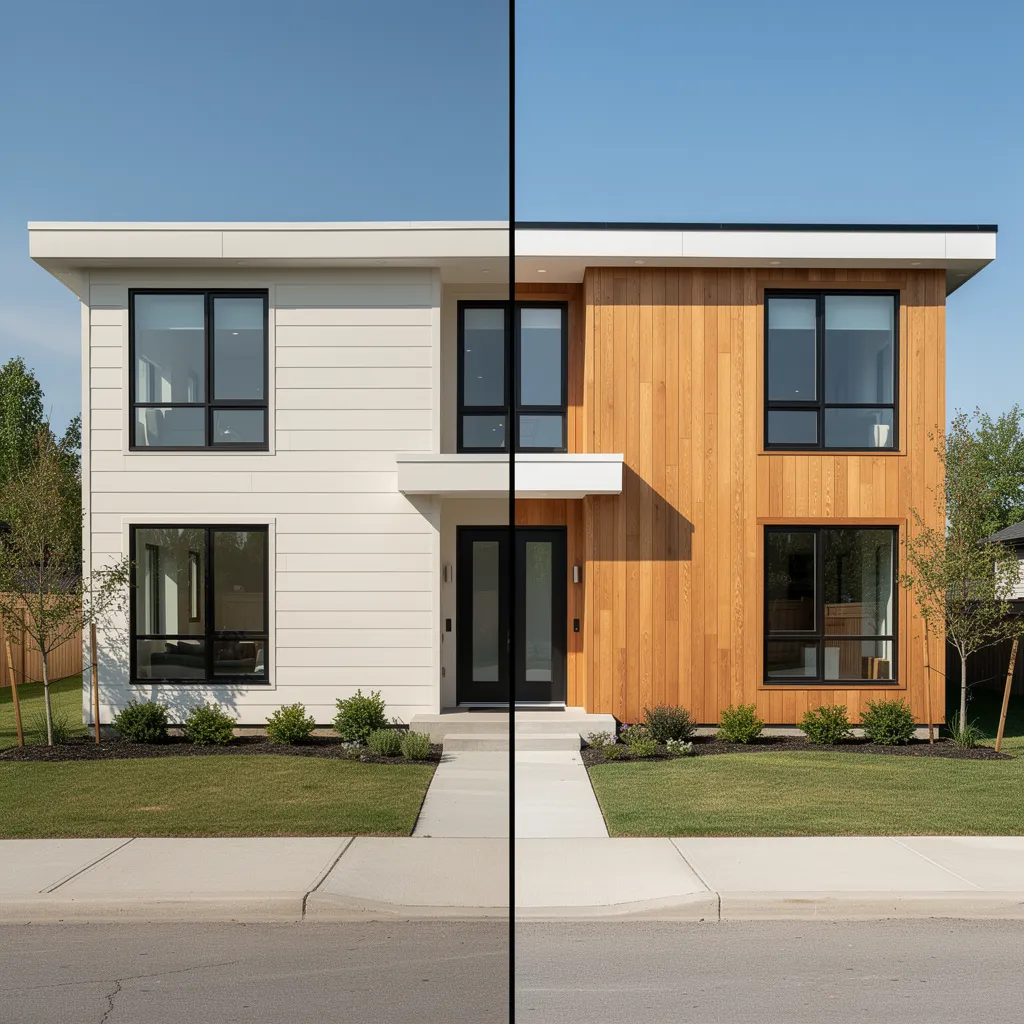
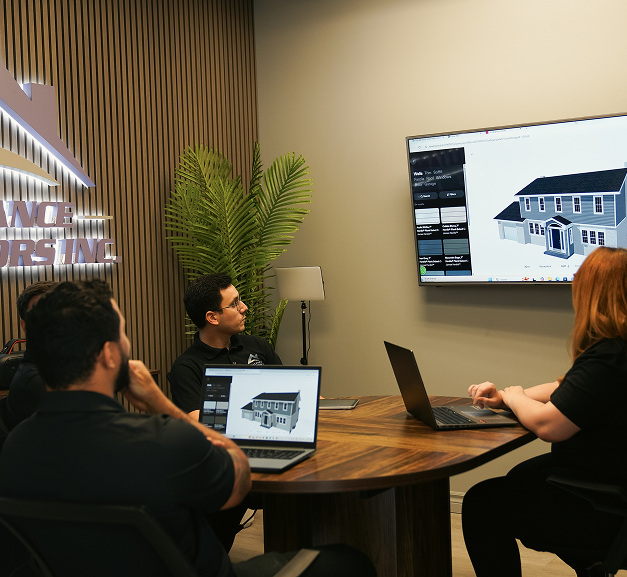
Exterior design consultations give homeowners James Hardie siding advantages for homeowners upfront, before any installation begins. Material selection guidance and 3D mockups let clients see color, texture, and profile choices on their actual home shape, not a generic sample board. That visualization step removes guesswork and reduces the risk of costly change orders once cladding goes up.
How does weather barrier installation protect a Toronto home?
Weather barrier and insulation installation forms a protective shield around the exterior wall assembly. This layer blocks moisture infiltration, cuts drafts, and limits heat transfer through the wall system. Added insulation behind the siding improves energy efficiency. Keeps indoor comfort more consistent through Toronto's cold snaps and humid stretches.
Where does Alliance Exteriors operate?
Alliance Exteriors serves siding projects throughout Toronto, operating from a North York, Ontario base. Homeowners across the city can access the same design consultation. Weather barrier expertise without traveling outside their own neighborhood for a site visit.
The practical sequence typically looks like this:
- Book a design consultation and review material options with 3D mockups.
- Confirm weather barrier and insulation needs for the specific Toronto home.
- Schedule installation with the Toronto-serving Alliance Exteriors team.
Skipping the planning stage often leads to mismatched materials or exposed gaps in the building envelope later.
FAQ
Why is James Hardie siding a good fit for Toronto homes?
James Hardie fiber cement siding resists fire, moisture, and pests while withstanding freeze-thaw cycles, heavy rainfall, and humidity swings common in Toronto. It holds paint longer than wood and resists warping, delivering lasting curb appeal.
How does James Hardie siding handle Toronto's freeze-thaw winters?
Fiber cement resists water and humidity instead of absorbing it, standing up to rain, sleet, and snow. This moisture resistance prevents trapped water from expanding and cracking the material during freeze-thaw cycles.
Who installs James Hardie siding for Toronto homeowners?
Alliance Exteriors Inc., a North York, Ontario-based James Hardie Certified Installer, serves Toronto and the GTA. The company installs siding systems to manufacturer specifications with warranty-backed craftsmanship.
Conclusion
In closing, James Hardie siding delivers the durability, aesthetic versatility, and weather resistance that Toronto homeowners require for lasting exterior performance. Its fiber cement composition withstands Toronto's freeze-thaw cycles and moisture challenges while maintaining structural integrity and visual appeal over time. Choosing James Hardie—installed by certified professionals who understand Toronto's climate demands—ensures your home receives a premium exterior system engineered for reliability and backed by comprehensive warranty protection.