Installation Insights: Fiber Cement vs. Traditional Siding
Understanding the Key Differences in Installing Fiber Cement Siding vs. Traditional Siding
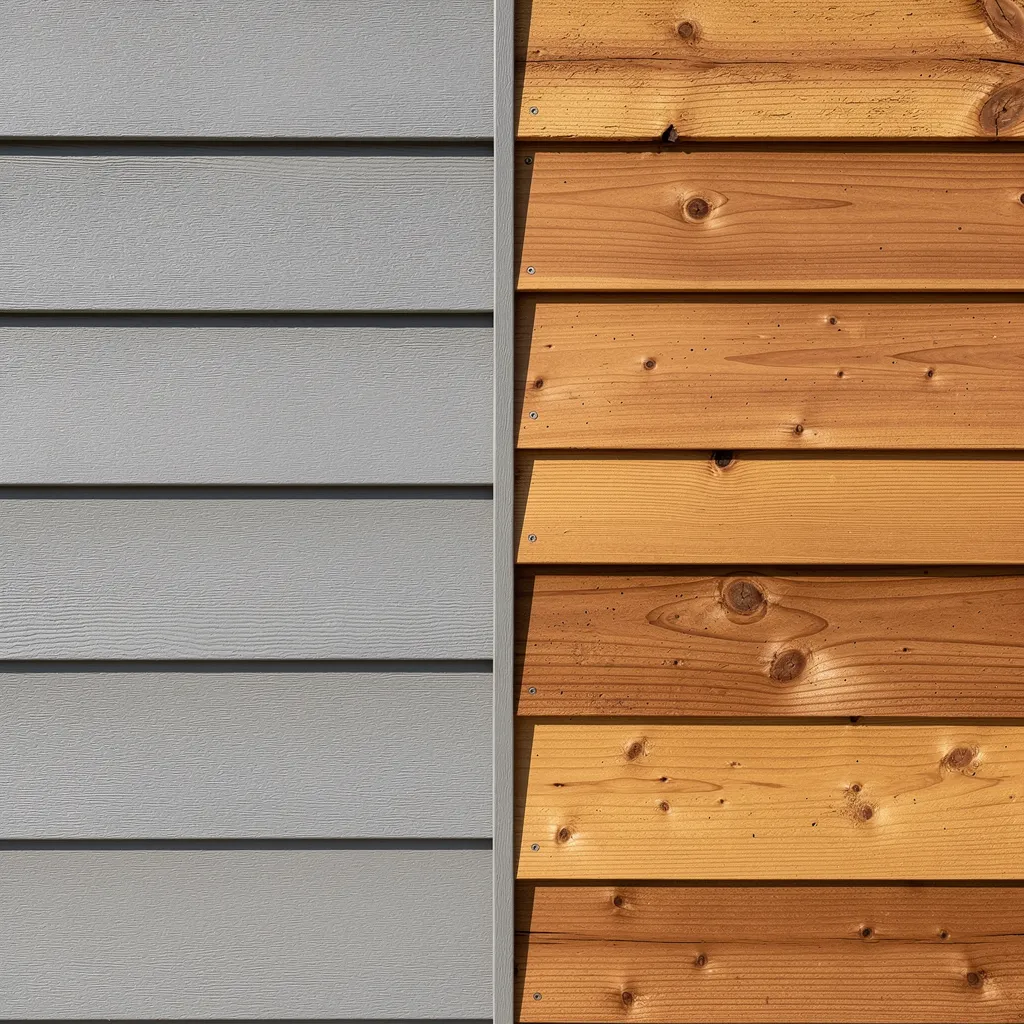
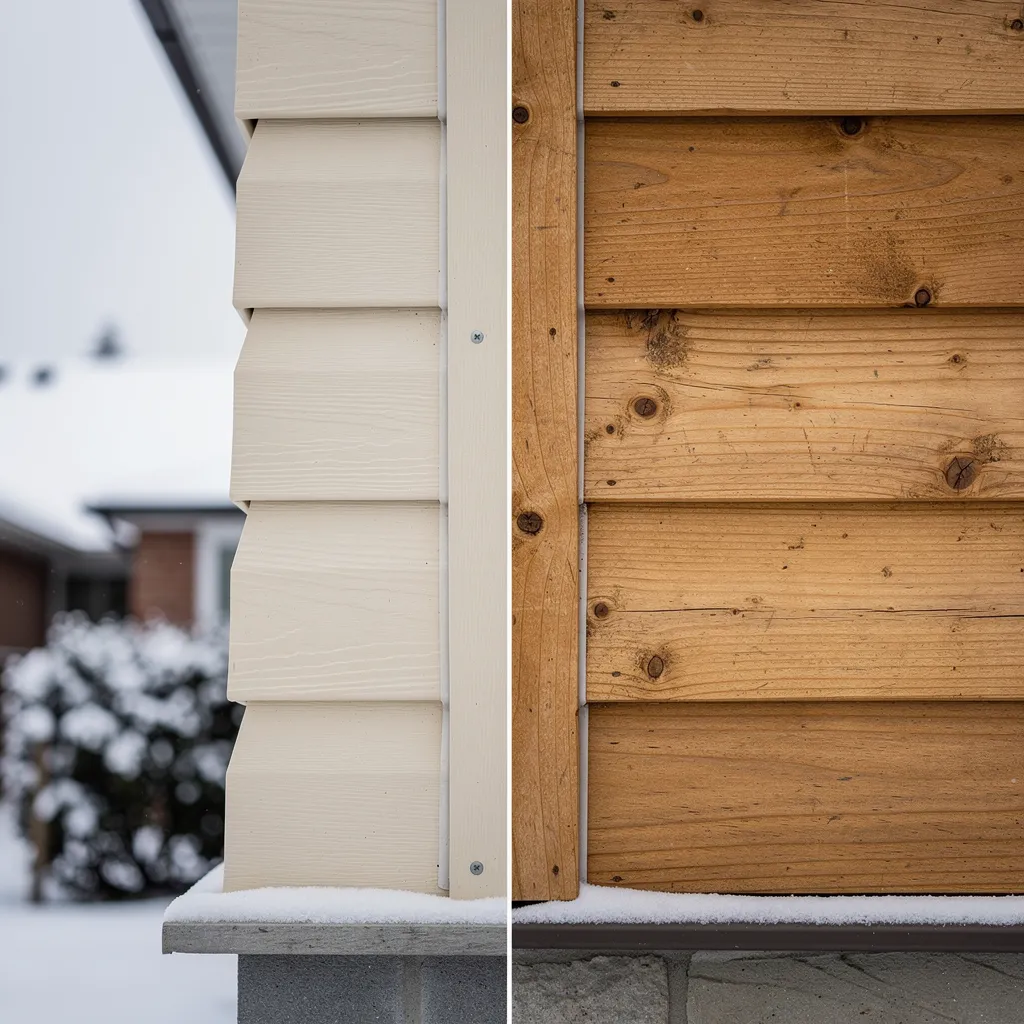
Selecting the right siding determines your home’s appearance and long-term durability. Fiber cement and traditional siding differ in performance and installation, and those differences affect lifespan, look, and cost. This article outlines the key installation steps, the tools required, and how weather affects performance. Homeowners must balance aesthetics, durability, and budget; understanding these factors helps you choose the most suitable option. We compare fiber cement and traditional methods and summarise their costs and benefits.
What Are the Distinct Installation Steps for Fiber Cement Siding?
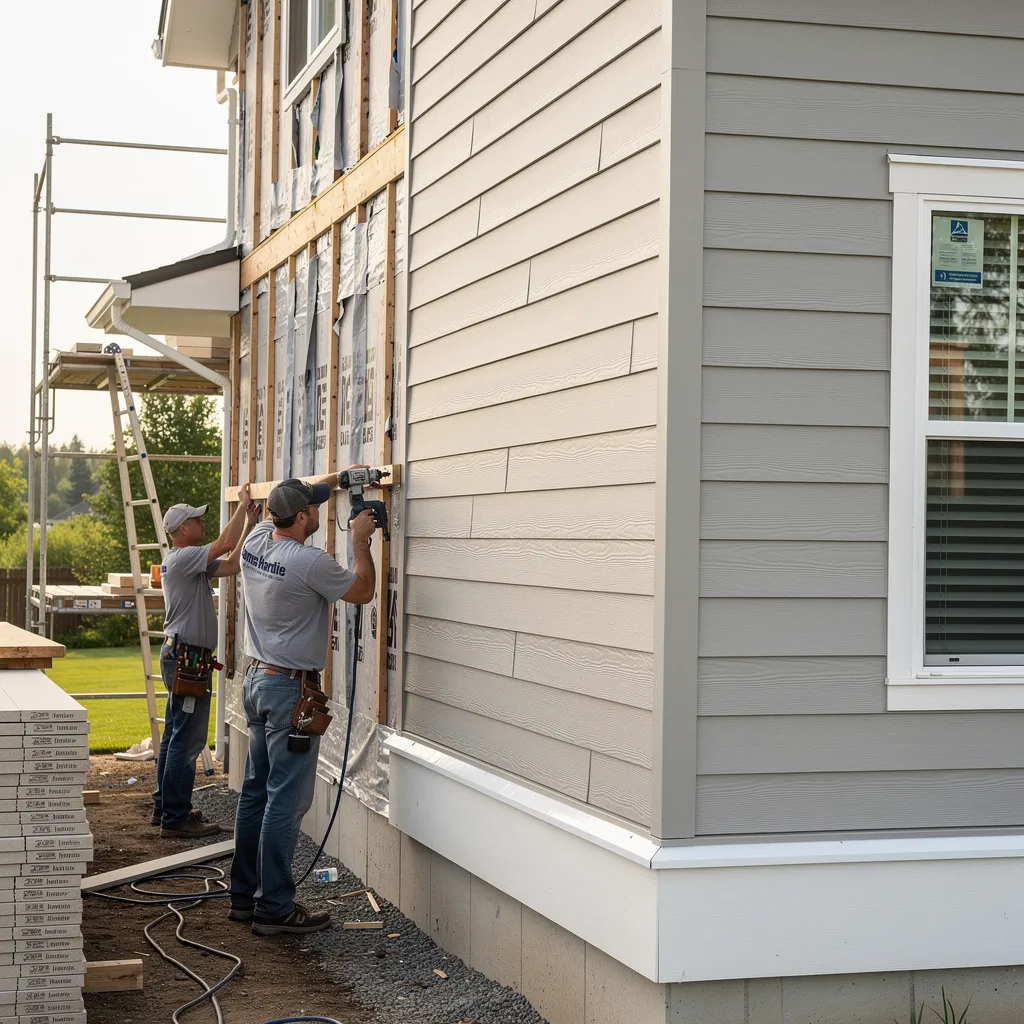
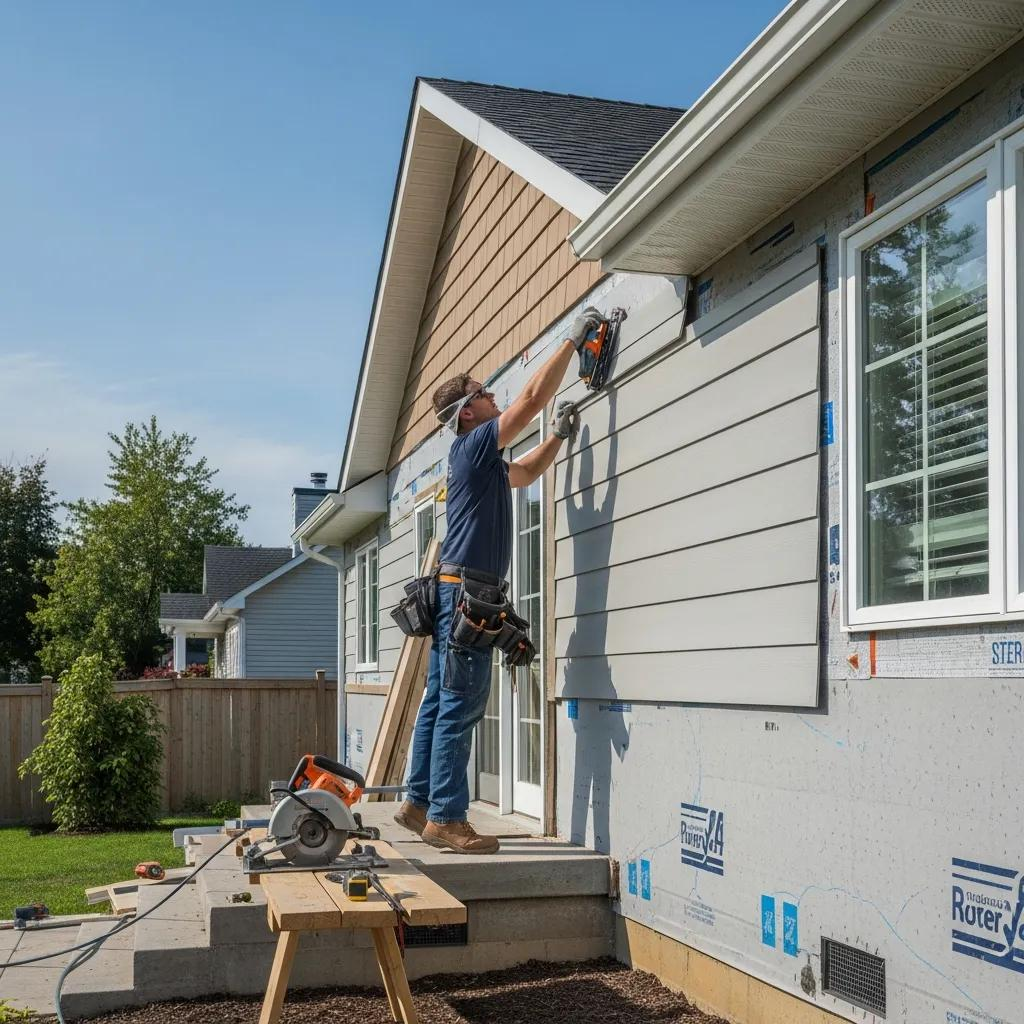
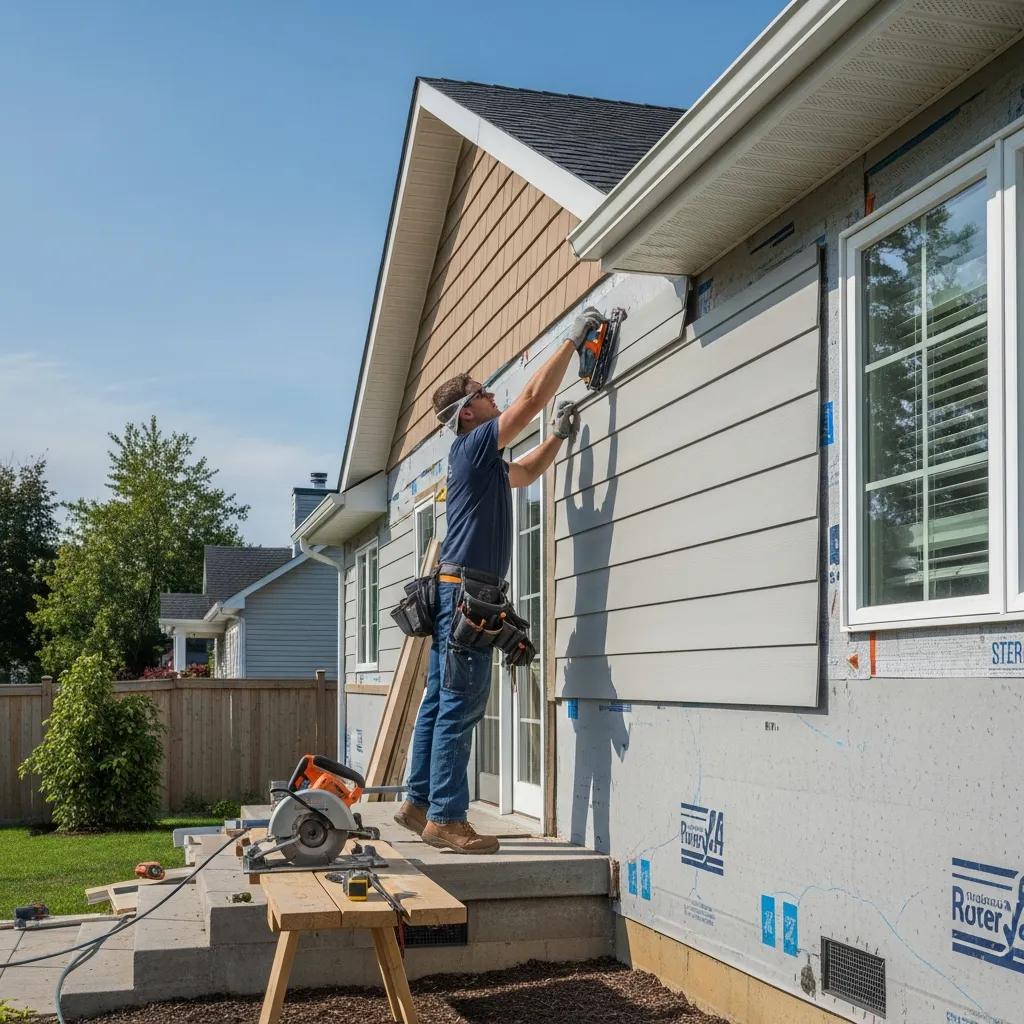
Installing fiber cement follows a precise sequence to ensure a durable, high-quality finish. Begin by preparing the substrate: remove existing siding and verify surfaces are clean and dry. Install a continuous moisture barrier to prevent water ingress. Cut boards to fit and fasten with corrosion-resistant fasteners per manufacturer specifications. Seal joints with quality caulk and apply the recommended paint or finish. This methodical approach preserves appearance and extends service life.
Which Specialized Tools and Materials Are Required for Fiber Cement Siding Installation?
Installing fiber cement requires specialized tools and materials to achieve a professional result. Essential tools include:
- Circular Saw: For cutting fiber cement boards to the required dimensions.
- Nail Gun: To securely fasten the siding to the wall.
- Measuring Tape: For accurate measurements during installation.
- Level: To ensure that the siding is installed evenly.
- Safety Gear: Including gloves and goggles to protect against dust and debris.
In addition to tools, use quality fiber cement boards, appropriate moisture barriers, and corrosion-resistant fasteners to meet professional standards.
Specialized tools for fiber cement installation affect both the installation timeline and the overall project cost compared with lighter materials.
Fiber Cement Siding Tools & Cost Comparison
When installed, fiber-cement siding is comparable in cost to stucco and is generally less expensive than cedar. Cutting it requires specialized tools.
Working With Fiber-Cement Siding, 2001
How Do Weather and Climate Conditions Affect Fiber Cement Siding Installation in the GTA?
Weather and climate materially affect fiber cement installation in the Greater Toronto Area. Dry, moderate temperatures are ideal; extremes can impede adhesive curing and cause board movement. Rain or high humidity raises moisture risk and can compromise the work. Schedule siding projects during periods of stable weather to achieve the best results.
How Does Traditional Siding Installation Differ from Fiber Cement Methods?
Traditional siding methods differ from fiber cement in material properties, handling, and fastening techniques. Both protect the building envelope, but each approach requires specific skills and contractor expertise.
What Are the Common Materials and Techniques Used in Traditional Siding Installation?

Traditional siding commonly uses wood, vinyl, or aluminum. The installation process typically involves:
- Framing: Preparing the wall structure to support the siding.
- Underlayment: Installing a moisture barrier to protect against water damage.
- Siding Application: Attaching the siding panels using nails or screws, ensuring proper alignment and spacing.
- Finishing Touches: Caulking seams and applying paint or stain as needed.
Each material offers distinct advantages and trade-offs that affect appearance, durability, and maintenance requirements.
How Does Installation Time and Complexity Compare Between Traditional and Fiber Cement Siding?
Installation time and complexity depend on the chosen material. Fiber cement typically takes longer because of precise cutting and fastening. Vinyl and other lightweight materials install faster since they are easier to handle. Project complexity also increases with architectural detailing and special features.
What Are the Durability and Maintenance Advantages of Fiber Cement Siding Compared to Vinyl and Traditional Options?

Fiber cement is recognised for its durability and lower maintenance needs compared with vinyl and wood. Its dense composition helps preserve appearance and performance with minimal routine upkeep.
How Does Fiber Cement Siding Perform Against Weather and Fire Resistance?
Fiber cement provides strong resistance to heavy rain, wind, and temperature extremes. It is non-combustible and offers superior fire resistance compared with wood. This robustness helps protect both appearance and structural integrity for many years, making it a prudent investment.
What Maintenance Practices Ensure Longevity for Fiber Cement and Traditional Siding?
Regular maintenance extends the service life of both fiber cement and traditional siding. For fiber cement, homeowners should:
- Inspect for Damage: Regularly check for cracks or chips and repair them promptly.
- Clean the Surface: Use a soft brush and mild detergent to remove dirt and debris.
- Repaint as Needed: Depending on the finish, repainting may be necessary every 5-10 years.
For traditional siding, routine maintenance generally includes:
- Repainting or Staining: Wood siding requires regular painting or staining to protect against moisture and pests.
- Cleaning: Vinyl siding can be cleaned with a hose and mild detergent to maintain its appearance.
How Do Installation Costs Compare Between Fiber Cement and Traditional Siding in the Greater Toronto Area?
Installation costs are a primary consideration for GTA homeowners when selecting siding options.
What Factors Influence the Cost Differences in Siding Installation?
Several variables influence installation cost, including:
- Material Type: Fiber cement is generally more expensive than vinyl or wood due to its durability and longevity.
- Labor Costs: Skilled labour may be required for fiber cement installation, increasing overall costs.
- Project Size: Larger homes will naturally incur higher material and labour costs.
How Can Homeowners Optimize Value When Choosing Between Fiber Cement and Traditional Siding?
Maximize value by comparing long-term benefits against upfront cost. Fiber cement may carry a higher initial price but can reduce lifetime expenses through greater durability and lower maintenance. Investing in quality installation improves performance and appearance, delivering superior long-term value.
Why Is Fiber Cement Siding Considered a Superior Exterior Solution for GTA Homeowners?
Many GTA homeowners choose fiber cement for its combination of durability, low upkeep, and design versatility.
What Are the Key Benefits of Choosing James Hardie Fiber Cement Siding?
James Hardie fiber cement is recognised for consistent quality and reliable performance. Key benefits include:
- Durability: Resistant to rot, pests, and extreme weather conditions.
- Aesthetic Appeal: Available in a variety of styles and colors to suit any home design.
- Low Maintenance: Requires minimal upkeep compared to traditional siding options.
Professional installation is essential to realize these benefits. Skilled installers ensure correct alignment, secure fastening, and effective moisture sealing. That attention to detail enhances appearance and extends the siding’s lifespan, making it a sound investment for homeowners.
Frequently Asked Questions
What are the environmental impacts of fiber cement siding compared to traditional siding?
Fiber cement often has a lower environmental impact than vinyl or wood. It is manufactured from sand, cement, and cellulose fibers, and its long service life reduces the frequency of replacement. Vinyl production and disposal can release harmful chemicals, while wood production contributes to deforestation. For homeowners prioritising sustainability, fiber cement is a preferable choice.
Can fiber cement siding be painted, and how often should it be done?
Yes — fiber cement can be painted. Repainting is recommended every 5 to 10 years depending on paint quality and local climate. Proper surface preparation, including cleaning and repairing any damage, is essential. Use a high-quality exterior paint to protect the siding and maintain its appearance.
What are the common mistakes to avoid during fiber cement siding installation?
Common installation errors include improper cutting, insufficient seam sealing, and using incorrect fasteners. Use a circular saw with dust collection to reduce dust exposure. Ensure seams are properly caulked to prevent moisture ingress, and select corrosion-resistant fasteners for durability. Employing experienced professionals significantly reduces these risks.
How does fiber cement siding compare in terms of insulation properties?
Fiber cement is not a thermal insulator by itself, but it works effectively with insulation materials to improve energy performance. Its density also contributes to sound reduction. When combined with appropriate insulation, fiber cement helps stabilise indoor temperatures and can assist in lowering heating and cooling costs.
What is the lifespan of fiber cement siding compared to traditional siding options?
Fiber cement typically lasts 30 to 50 years, outlasting vinyl (about 20 to 40 years) and wood (which may need replacement every 10 to 30 years depending on maintenance). Its resistance to rot, pests, and severe weather underpins this longevity, making it a cost-effective long-term investment.
Are there any specific building codes or regulations for installing fiber cement siding?
Yes — building codes and regulations for fiber cement vary by jurisdiction. Check local authorities for zoning, fire-safety requirements, and any specifications for moisture barriers or insulation. Consulting a professional installer familiar with local codes helps ensure the installation meets all required standards.
What are the environmental impacts of fiber cement siding compared to traditional siding?
Fiber cement often has a lower environmental impact than vinyl or wood. It is made from sand, cement, and cellulose fibers, and its long service life reduces the need for replacement. Vinyl production and disposal can release harmful chemicals, while wood production contributes to deforestation. For eco-conscious homeowners, fiber cement is a more sustainable choice.
Further research examines comprehensive environmental and economic considerations of various siding materials through life cycle assessments and related studies.
Comparative Economic & Environmental Siding Costs
Life cycle assessments (LCA), environmental product declarations (EPD), and life cycle cost assessments (LCCA) quantify the environmental and economic impacts of historic, traditional, and alternative cladding materials. These tools provide measurable comparisons that inform preservation professionals and homeowners about the relative sustainability of different materials.
Cladding by Another Name: A Comparative Analysis of the Environmental and Economic Costs of Traditional Wood Clapboards, Composite Fiber-Cement Siding, and …, 2022
Can fiber cement siding be painted, and how often should it be done?
Yes. Repaint fiber cement every 5 to 10 years depending on paint quality and local climate. Thorough preparation—cleaning the surface and repairing any damage—is essential. Use high-quality exterior paint to protect the siding and maintain its appearance. Regular repainting preserves both durability and aesthetics.
What are the common mistakes to avoid during fiber cement siding installation?
Common mistakes include improper cutting, inadequate seam sealing, and using incorrect fasteners. Use a circular saw equipped with dust collection to limit exposure. Ensure seams are correctly caulked to prevent moisture ingress. Choose corrosion-resistant fasteners for long-term performance. Hiring experienced professionals reduces the risk of these errors.
How does fiber cement siding compare in terms of insulation properties?
Fiber cement is not a thermal insulator on its own but pairs effectively with insulation materials to improve energy efficiency. Its density also contributes to sound insulation. When combined with suitable insulation, fiber cement helps regulate indoor temperatures and can reduce heating and cooling costs.
What is the lifespan of fiber cement siding compared to traditional siding options?
Fiber cement typically lasts 30 to 50 years, outlasting vinyl (about 20 to 40 years) and wood (10 to 30 years depending on upkeep). Its resistance to rot, pests, and extreme weather supports this longevity, making it a cost-effective long-term option.
Are there any specific building codes or regulations for installing fiber cement siding?
Yes. Building codes and regulations for fiber cement vary by jurisdiction. Check with local authorities on zoning, fire safety, and any requirements for moisture barriers or insulation. Consulting a professional installer familiar with local codes helps ensure compliance with all standards.
Conclusion
Choosing fiber cement over traditional options delivers greater durability, lower maintenance, and flexible aesthetic choices. Understanding the distinct installation processes and associated costs enables you to make an informed decision that fits your project goals. Investing in professional installation maximizes long-term benefits. Explore our professional installation services to ensure your home receives expert care.