Discover the Key Benefits of Metal Siding Installation Today
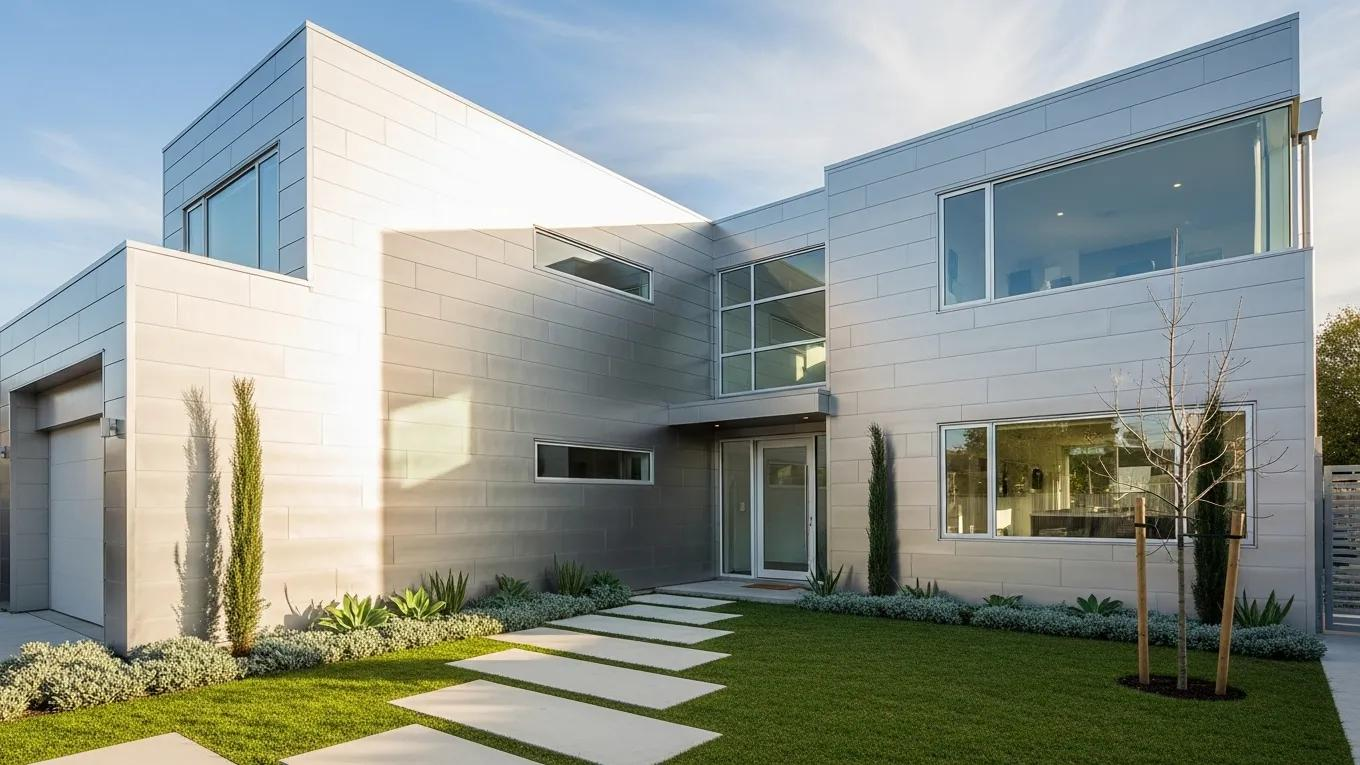
Discover the Top Benefits of Metal Siding Installation: Durability, Cost, and Energy Efficiency Explained
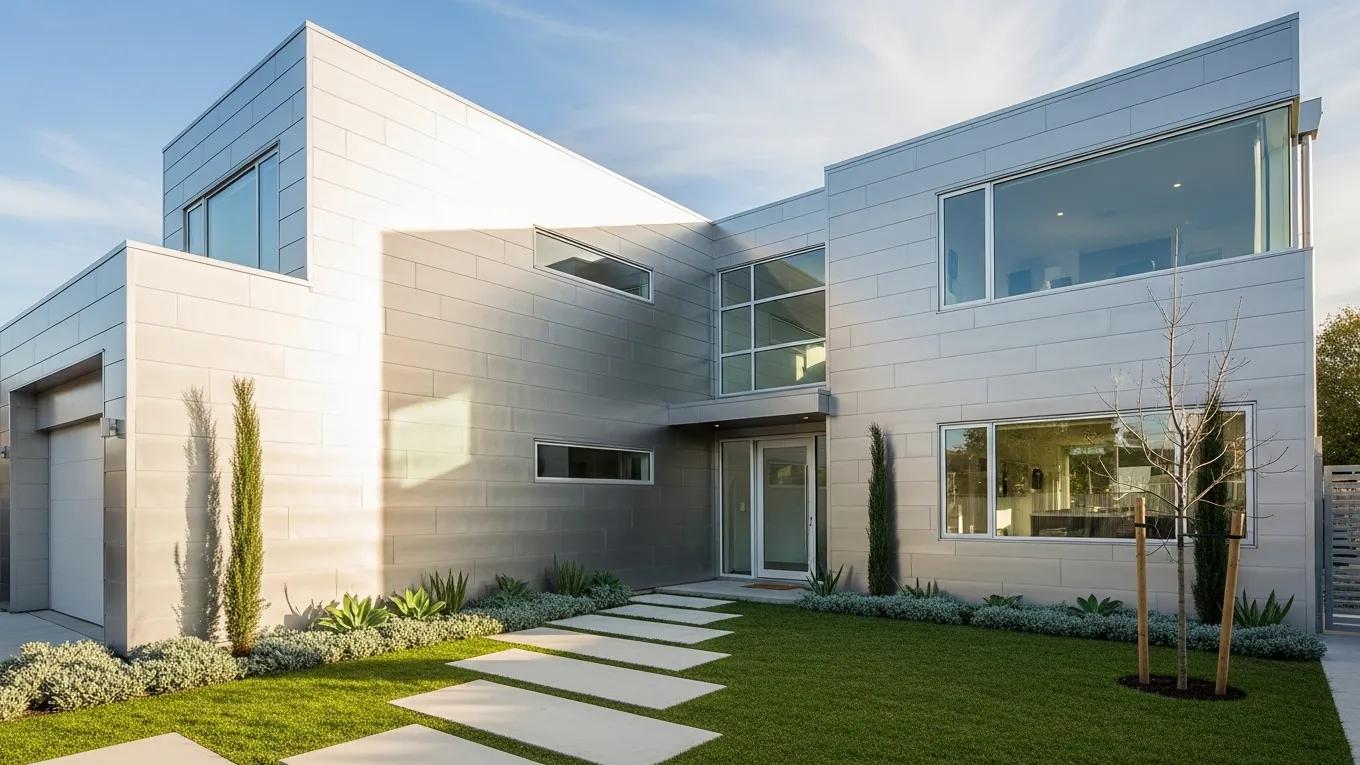
Metal siding is a contemporary, high-performance option for homeowners who prioritise durability, visual appeal, and energy efficiency. Designed to withstand severe weather and environmental stressors, metal cladding provides a resilient exterior that limits maintenance and preserves property value. This article outlines the key benefits of metal siding—durability, cost-effectiveness, and energy performance—so homeowners can make informed decisions about their exterior upgrades.
The following sections examine metal siding’s longevity, comparisons with alternative materials, and the installation practices that produce consistent, high-quality outcomes. We also explain why selecting experienced contractors, such as Alliance Exteriors Inc., can be decisive for a timely, reliable installation.
What Makes Metal Siding Installation a Durable and Weather-Resistant Exterior Solution?

Metal siding is prized for its structural durability and resistance to environmental degradation. Manufactured from materials such as aluminium and steel, metal panels resist dents, corrosion, and rot more effectively than wood or vinyl. This performance results in an extended service life—commonly around 40 years with routine maintenance—making metal cladding a reliable, long-term investment for a property’s exterior.
How Does Metal Siding Resist Harsh Weather Conditions in the Greater Toronto Area?
The Greater Toronto Area faces wide seasonal extremes, and metal siding tolerates these conditions without compromising performance. Precision-formed panel seams reduce water intrusion, lowering the risk of mould and rot that affect porous materials. Reflective finishes limit solar heat gain in summer, contributing to indoor comfort and energy savings. Metal systems also deliver increased resistance to fire and pest damage, offering homeowners a robust and protective envelope.
Which Types of Metal Siding Materials Offer the Best Longevity?
Aluminium and steel are the predominant metal siding choices, each with distinct strengths. Steel offers greater thickness and impact resistance, while aluminium provides superior corrosion resistance and lighter weight—advantages for coastal installations. Selecting the appropriate alloy and coatings is critical to match the site conditions and longevity expectations.
Both steel and aluminium require less routine care than many traditional sidings, reducing lifecycle maintenance and replacement expenses. With scheduled inspections, cleaning, and occasional repainting, metal cladding systems commonly exceed 40 years of service and deliver predictable long-term performance.
How Does the Metal Siding Installation Process Ensure Quality Results for Your Property?
Proper installation is essential to realise the performance benefits of metal siding. Skilled contractors follow manufacturer specifications and industry best practices at every phase to ensure secure attachment, correct flashing integration, and watertight seams—steps that minimise future issues and protect the building envelope.
What Are the Key Steps in Professional Metal Siding Installation?
The installation process includes the following key stages:
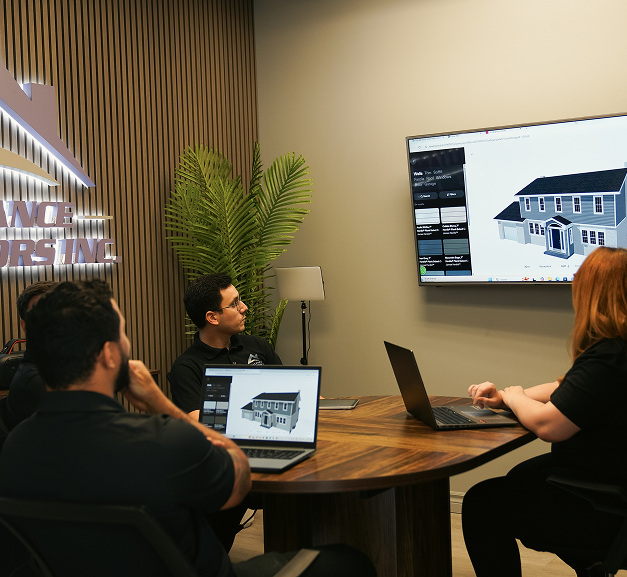
- Initial Design Consultation: Tailoring the look and function of the siding to the homeowner's vision while addressing any property-specific concerns.
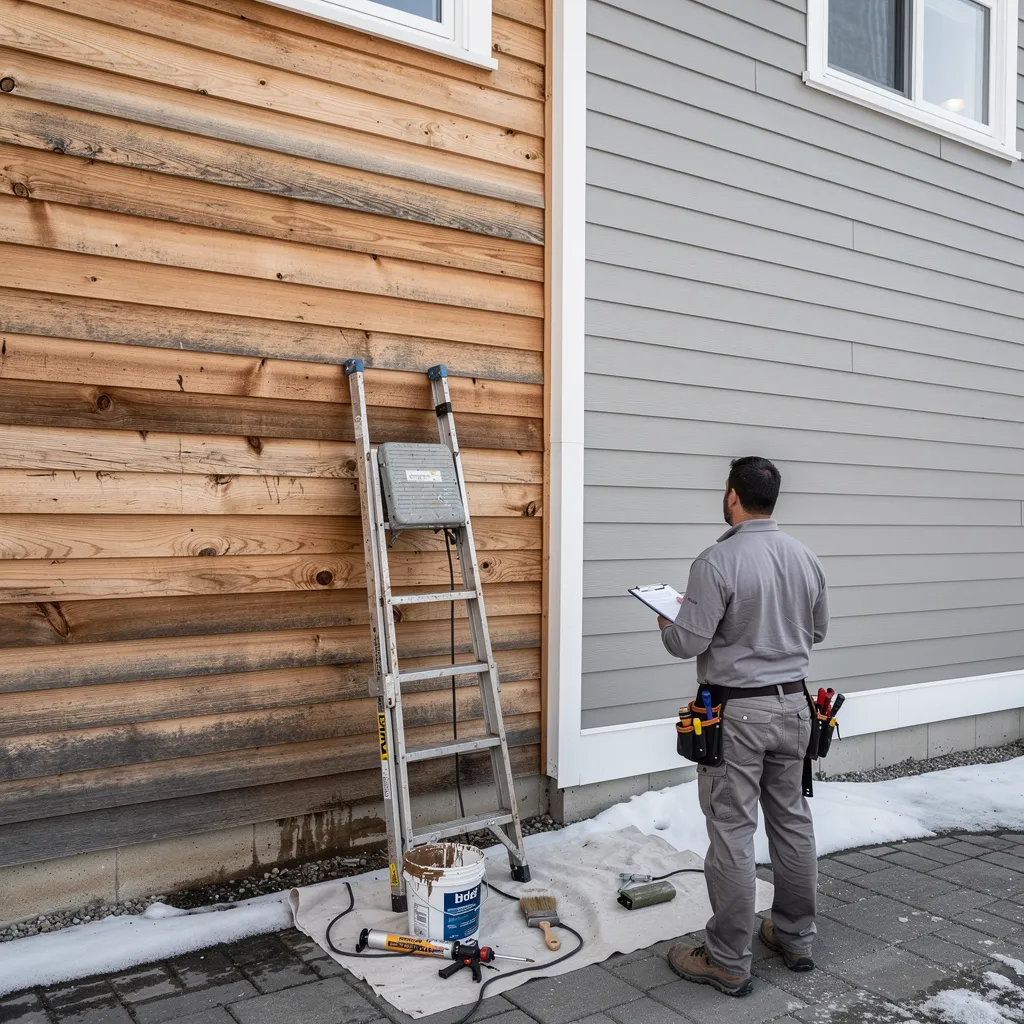
- On-Site Assessment and Quoting: Evaluating the property for any structural issues that might affect the installation, followed by a detailed quote outlining materials and labor costs.
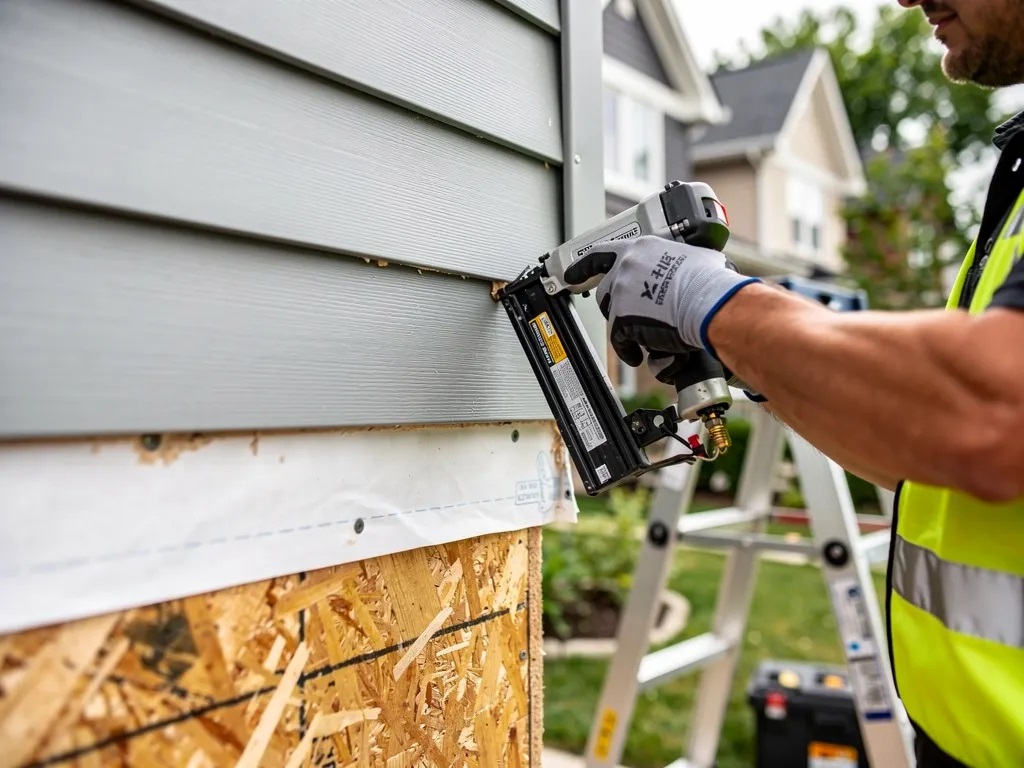
- Actual Installation Procedures: Expertly positioning the siding materials, ensuring tight seams and secure fasteners to optimize both appearance and performance.
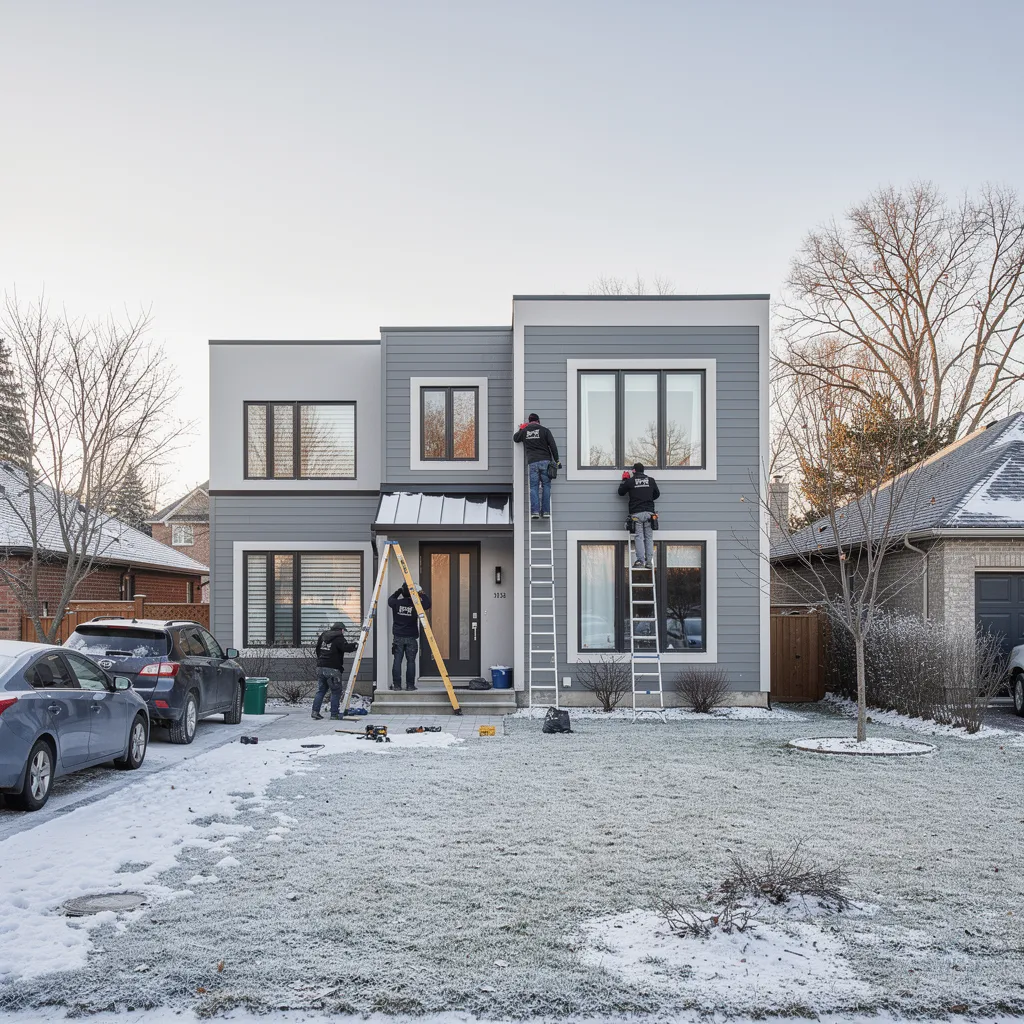
When installed by professionals, metal siding enhances curb appeal while providing a durable barrier against weather, ensuring the exterior performs to its design intent.
Achieving long-term performance also requires using durable accessory components—such as compatible flashings and fasteners—installed to integrate seamlessly with the chosen cladding and roof systems.
Residential Metal Siding: Durability and Material Compatibility
Select metal flashings that match the durability of adjacent siding and roofing materials, and ensure compatibility with surrounding building products where they will be installed. Best practices guide to residential construction: materials, finishes, and details, 2005
Why Choose Experienced Contractors Like Alliance Exteriors Inc. for Installation?
Engaging experienced contractors such as Alliance Exteriors Inc. reduces execution risk and delivers consistent results. Their technical expertise covers material selection, installation sequencing, and adherence to manufacturer guidelines—factors that directly affect longevity and performance.
Qualified contractors provide tailored recommendations on coatings, substrates, and attachment methods, and they prioritise high-quality materials and workmanship. This approach helps homeowners protect their investment and achieve predictable, high-performing exterior assemblies.
What Are the Cost Considerations for Metal Siding Installation in North York and the GTA?
Evaluating metal siding costs requires balancing upfront expenditure with long-term savings. Although initial material and installation costs can exceed those of wood or vinyl, metal siding’s reduced maintenance and extended service life typically lower total lifecycle costs.
How Do Metal Siding Costs Compare to Vinyl and Fiber Cement Options?
A cost comparison of metal siding versus traditional siding options reveals several key points:
Material TypeInitial Cost EstimateLong-Term BenefitsMetal Siding$9 to $11 per sq. ftLong-lasting durability, minimal maintenance requirementsVinyl Siding$4 to $8 per sq. ftLower initial cost but may require replacement soonerFiber Cement Siding$5 to $10 per sq. ftHigher durability but does require regular painting
While vinyl and fiber cement may have lower initial prices, they generally do not match metal siding’s longevity and reduced maintenance profile.
What Local Factors Affect Metal Siding Installation Pricing?
Regional supply chains, local labour rates, and municipal building code requirements in the Greater Toronto Area all influence final pricing. These variables affect material availability, crew costs, and compliance-related work scope.
Understanding these factors helps homeowners obtain accurate proposals and budget effectively for a project that meets both performance and regulatory expectations.
Climate adaptation measures—such as reinforced envelopes and enhanced water resistance—can improve resilience to extreme winds and reduce economic losses tied to wind and rainfall damage, particularly when construction defects are considered.
Cost-Benefit Analysis of Extreme Wind Resilience in Housing
Climate adaptation measures improve housing resilience to extreme winds, and reduce economic losses associated with wind and rainfall damage under a changing climate. Several adaptation measures are adopted in this study for Australian contemporary houses subjected to non-cyclonic windstorms to either reinforce the building envelope or increase the water resistance of building interior. A risk-based cost-benefit analysis is conducted to evaluate the cost-effectiveness of these adaptation measures that considers the effect of construction defects.
Risk-based cost-benefit analysis of climate adaptation measures for Australian contemporary houses under extreme winds, H Qin, 2020
How Does Metal Siding Deliver Energy Efficiency and Environmental Benefits?

Metal siding contributes to energy efficiency through reflective finishes and integrated insulation systems that reduce heat transfer. When specified correctly, these assemblies stabilize interior temperatures and lower the load on HVAC systems.
What Are the Energy Savings Associated with Metal Siding Installation?
Homeowners can expect measurable reductions in energy use; studies and product specifications commonly indicate energy savings in the range of 20–30% for properly designed, insulated metal cladding systems. These savings depend on insulation levels, finish reflectivity, and overall building envelope design.
Why Is Metal Siding Considered an Eco-Friendly Exterior Cladding Option?
Metal siding is considered environmentally favourable for several reasons:
- Recyclability: Metal panels are highly recyclable at end of life, minimising landfill waste.
- Sustainability: Modern manufacturing increasingly incorporates lower emissions and recycled content.
- Longevity: Extended service life reduces material turnover and associated environmental impacts.
These properties make metal siding an appropriate choice for homeowners seeking durable, lower-impact exterior materials.
What Maintenance Practices Maximize the Lifespan of Metal Siding?
Routine maintenance preserves both appearance and performance. Scheduled inspections and basic care reduce the risk of deterioration and extend the expected service life of the cladding.
How Simple Is Metal Siding Maintenance Compared to Other Materials?
Compared with wood or vinyl, metal siding requires relatively low maintenance. Typical homeowner tasks include:
- Periodic cleaning to remove dirt and pollutants.
- Prompt attention to scratches or dents to prevent corrosion.
- Checking that panels remain secure and fasteners are tight.
With regular upkeep, metal siding maintains its aesthetic and protective functions for decades, offering a strong return on investment.
What Are Common Metal Siding Repairs and How Are They Addressed?
Common repairs involve:
- Rust Removal: Treating affected areas and applying protective coatings to stop progression.
- Panel Replacement: Replacing damaged sections—made straightforward by modular panel systems.
- Seam Sealing: Restoring sealant continuity to prevent moisture intrusion.
Timely repairs preserve system integrity and ensure the siding delivers its intended lifespan.
Why Is Metal Siding Installation a Trusted Exterior Solution for GTA Residents?
Homeowners across the Greater Toronto Area select metal siding for its combination of durability, energy performance, and long-term cost efficiency. These attributes suit a wide range of building types and climatic conditions, supporting both aesthetic and functional objectives.
What Do Local Customer Testimonials Reveal About Quality and Satisfaction?
Local clients frequently cite improved energy performance, enhanced curb appeal, and resilience to seasonal weather as primary benefits. Testimonials underscore reliable workmanship and long-term satisfaction following professional installations.
How Does Alliance Exteriors Ensure a Smooth and Reliable Installation Process?
Alliance Exteriors Inc. enforces quality controls at each project phase, from design consultation through final inspection. Their process emphasises clear timelines, adherence to safety and industry standards, and proactive communication to minimise homeowner disruption.
Frequently Asked Questions
1. What is the lifespan of metal siding compared to other materials?
Metal siding typically achieves a service life of 40 years or more with routine maintenance. In contrast, wood and vinyl commonly require replacement within 20–30 years, making metal a more durable, cost-effective option over time.
2. How does metal siding impact home resale value?
Installing metal siding can enhance resale value by signalling durability and energy efficiency to prospective buyers. Its low-maintenance profile and longevity are often perceived as premium features that support stronger offers.
3. Is metal siding suitable for homes in coastal areas?
Yes. Metal siding—particularly aluminium—is well suited to coastal environments due to its corrosion-resistant properties and lighter weight, reducing concerns about accelerated degradation in salty, humid conditions.
4. What design options are available for metal siding?
Metal siding is available in multiple profiles, colours, and finishes, including vertical and horizontal panels, corrugated sheets, and engineered panel systems. Coatings and paint systems allow integration with diverse architectural styles.
5. How does metal siding contribute to thermal performance?
Metal siding improves thermal performance by reflecting solar radiation and, when paired with appropriate insulation, reducing heat transfer through the envelope. Properly specified systems lower HVAC loads and enhance year-round comfort.
6. What environmental certifications can metal siding have?
Metal siding products may carry certifications such as LEED or ENERGY STAR, indicating energy-efficient manufacturing, recyclability, and reduced environmental impact. These certifications help homeowners verify sustainability claims.
7. Can metal siding be installed over existing materials?
Often yes—metal siding can be installed over stable existing substrates, which can streamline installation and reduce waste. A professional assessment is necessary to confirm structural suitability and ensure proper attachment and insulation.
Conclusion
Metal siding delivers lasting durability, improved energy performance, and reduced lifecycle costs when specified and installed correctly. For homeowners seeking a premium, low-maintenance exterior, consulting experienced professionals will ensure the selected system meets aesthetic, performance, and regulatory requirements. Review available options and engage qualified contractors to maximise the value of your exterior investment.